
Finding functional dining storage when limited to a 20 cm width or depth constraint requires a creative shift in perspective. Traditional freestanding buffet cabinets typically demand at least 40 cm of depth to accommodate large serving platters. When your layout leaves you with a mere 20 cm of clearance, standard furniture pieces will block walkways or fail to fit.
Fortunately, you can maximize these tight spaces by utilizing specialized ultra-slim gap cabinets, slide-out pantry towers, shallow wall-mounted floating shelves, or mobile tiered carts. By focusing on vertical height and precise spatial planning, you can transform an underutilized nook into a highly efficient storage zone for glassware, spices, and small dining essentials.
Understanding the 20 cm Constraint for Dining Storage
To successfully furnish a tight dining area, you must first understand how a 20 cm limit alters your storage strategy. Standard sideboards sit flat against a wall, offering deep drawers and wide shelves for bulky items. A 20 cm constraint restricts you to items with a highly compact footprint.
Products mentioned in this guide
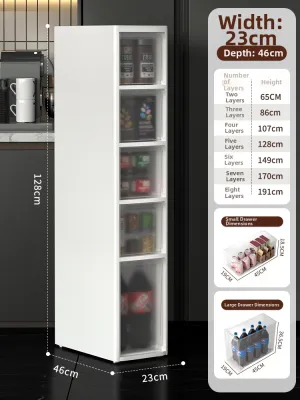
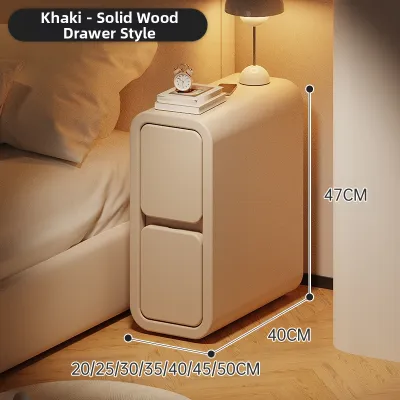
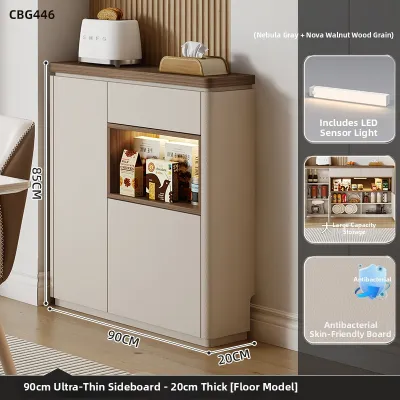
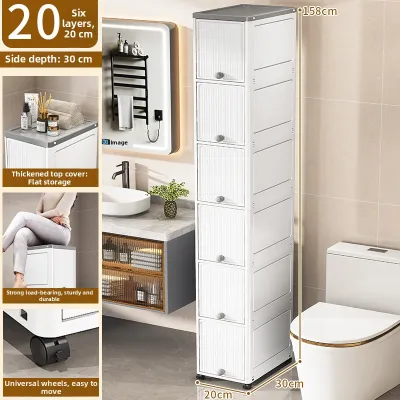
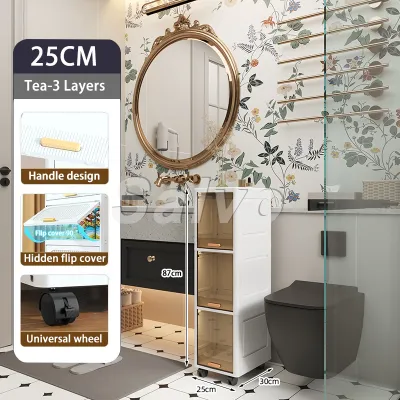
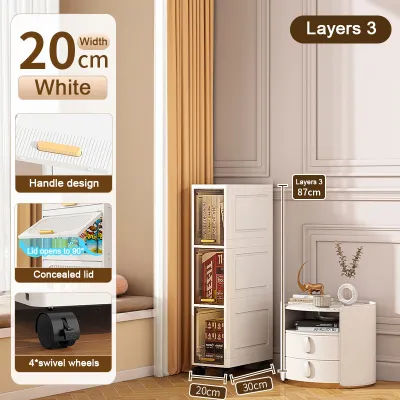
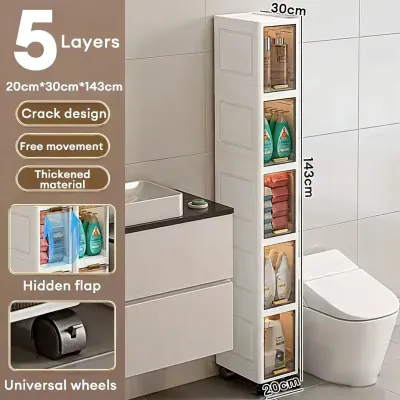
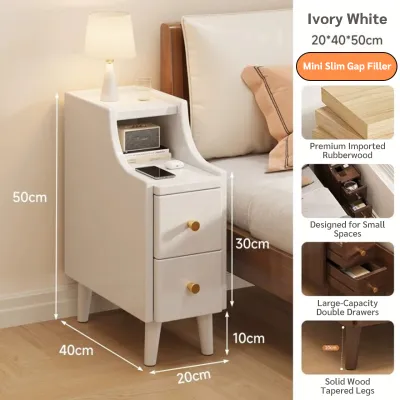
Prices are valid at publication and may change. Please refer to the product page for the latest price.
This physical limitation means you must transition from deep, horizontal storage to vertical or wall-mounted alternatives. Instead of housing large mixing bowls, a 20 cm cabinet is ideal for organizing smaller, high-frequency items.
In a dining context, this space works perfectly for displaying delicate glassware, storing coffee mugs, organizing spice jars, or holding narrow pantry containers. Recognizing these physical boundaries early prevents the frustration of purchasing furniture that cannot accommodate your daily dining accessories.
Measuring Your Space and Checking Clearances
Whether you are investing ₱1,000 or ₱5,000 in a new storage unit, precise physical measurements are essential to ensure a seamless fit. A 20 cm gap might look straightforward on paper, but real-world architectural details can quickly reduce your usable space. Begin by measuring the width and depth at multiple points along the wall, as walls are rarely perfectly plumb.

Accounting for Architectural Obstacles
Skirting boards, baseboards, and decorative wall moldings are common culprits that steal valuable centimeters at the floor level. If a skirting board projects 2 cm from the wall, your actual floor clearance for a flush-fitting cabinet is reduced to 18 cm. Additionally, check for the presence of electrical outlets, light switches, and wall-mounted fixtures. A cabinet placed directly in front of an outlet renders it unusable unless the unit features a specific back cutout.
Ensuring Walkway and Door Clearances
In tight dining rooms or kitchen pathways, maintaining comfortable traffic flow is critical. A standard walkway requires adequate clearance for a person to pass comfortably without bumping into furniture. Measure the door swing radius of nearby room doors, refrigerator doors, or oven ranges to ensure they do not collide with your new cabinet. If you are placing the cabinet in a high-traffic zone, verify that its physical presence still allows for safe, unobstructed movement.
Furniture Types That Fit a 20 cm Width or Depth
When exploring furniture options within a 20 cm boundary, several distinct configurations can maximize your storage potential without overcrowding the room.
Ultra-Slim Gap Cabinets and Slide-Out Pantry Towers
For narrow vertical spaces—such as the gap between a refrigerator and a kitchen wall—slide-out pantry towers are exceptionally efficient. These units typically feature a narrow width (often 15 cm to 20 cm) but utilize the full depth of your appliances. Mounted on small rollers, they glide outward to reveal multiple tiers of shelving, making them ideal for storing canned goods, condiments, and bottled drinks.
Wall-Mounted Floating Shelves and Shallow Display Ledges
If your constraint is floor depth rather than width, wall-mounted floating shelves and shallow display ledges offer an elegant solution. By lifting the storage off the floor, you preserve valuable foot room while creating a dedicated space for glassware or decorative mugs. Shallow ledges are particularly useful for displaying decorative plates vertically, preventing them from slipping while keeping the profile well under the 20 cm limit.
Narrow Tiered Storage Carts
For flexible, non-permanent placement, a narrow tiered utility cart with locking wheels is highly practical. These carts can be tucked away into a 20 cm niche when not in use and rolled directly to the dining table during meals. When selecting a cart for tropical climates like the Philippines, look for powder-coated steel or rust-resistant plastic frames to withstand high humidity levels.
Open-Frame Shelving vs. Enclosed Cabinets
Choosing between open shelving and enclosed cabinets involves balancing aesthetics, accessibility, and maintenance. Open-frame units make a small dining room feel larger because they do not block visual lines. However, they expose glassware to dust and kitchen grease.
Enclosed cabinets with glass doors protect your items but require extra clearance for door hinges. In humid environments, enclosed wooden cabinets should be checked regularly for proper ventilation to prevent musty odors.
Installation, Weight Limits, and Tipping Safety
Because 20 cm cabinets are exceptionally tall and narrow, they have a high center of gravity, making proper installation and safety measures non-negotiable.
Identifying Wall Types and Anchors
Securing your cabinet depends heavily on your wall construction. In the Philippines, residential walls are commonly made of concrete, hollow blocks, or drywall. Wall-mounted units or tall freestanding cabinets must be anchored using the correct hardware. Concrete walls require masonry drill bits and heavy-duty plastic or metal expansion anchors. Drywall installations require locating wooden studs or using specialized toggle bolts. Never rely on standard screws driven directly into plaster or drywall.
Installing Anti-Tip Kits
Any freestanding cabinet that is tall and narrow must be anchored to the wall using an anti-tip kit. When drawers are pulled out or heavy items are placed near the front, the forward weight shift can easily cause the unit to topple. Most manufacturers include anti-tip straps or brackets; ensure these are installed flush against the wall stud or solid masonry.
Managing Weight Distribution
To maintain structural stability, always distribute weight from the bottom up. Place your heaviest items, such as ceramic bowls, heavy glass bottles, or stoneware, on the lowest shelves. Reserve the upper shelves for lightweight items like acrylic cups, paper napkins, or small spice containers. Always verify the manufacturer’s maximum weight capacity for each shelf and avoid overloading the unit.
Common Sizing and Clearance Mistakes to Avoid
Avoiding simple planning oversights can mean the difference between a highly functional storage addition and an unusable piece of furniture.
Accounting for Hardware and Protrusions
When a manufacturer lists a cabinet as ’20 cm deep,’ this measurement often refers strictly to the outer shell. It frequently excludes protruding drawer handles, decorative door knobs, or rear baseboard cutouts. A handle that sticks out an extra 2.5 cm can obstruct a narrow walkway or prevent an adjacent door from opening fully. Look for units with recessed handles, magnetic push-latches, or sliding doors to keep the exterior profile completely flush.
Evaluating Door Swing Mechanics
Standard cabinet doors swing outward, requiring a clearance radius equal to the width of the door leaf. In a tight 20 cm corridor, opening a cabinet door can completely block the passage or strike an opposing wall. To mitigate this, consider cabinets featuring sliding glass doors, roll-up tambour doors, or open cubbies that require zero external clearance to access.
Verifying Internal Storage Depth
The external depth of a cabinet is not the same as its internal usable depth. The thickness of the back panel, front doors, and internal shelf supports can easily reduce a 20 cm external depth to an internal usable space of 16 cm or 17 cm. Always measure the exact diameter or width of the items you plan to store—such as your favorite coffee mugs or spice racks—to ensure they will fit entirely inside with the cabinet doors fully closed.
Frequently Asked Questions (FAQ)
Can a 20 cm deep cabinet hold standard dinner plates?
No, standard dinner plates typically range from 25 cm to 30 cm in diameter, meaning they cannot sit flat inside a 20 cm deep cabinet. To store plates in a shallow space, you can use vertical plate cradles or display stands that hold the plates at an angle or upright. Alternatively, reserve the 20 cm cabinet for smaller dining items such as salad plates, dessert bowls, saucers, coffee mugs, and glassware, which easily fit within the shallow dimensions.
Do I need to reinforce the wall for a 20 cm floating display shelf?
Whether you need to reinforce your wall depends on the wall material and the weight of the items you plan to display. If you are mounting the shelf on a solid concrete or brick wall with appropriate masonry anchors, reinforcement is generally unnecessary. However, if you are installing it on drywall, you must secure the mounting brackets directly into the wooden wall studs. If studs are unavailable or if the wall condition is unstable, consult a professional installer to assess if internal wall reinforcement is required before loading the shelf with heavy glassware.
Community discussion
Share your experience or ask a question. Comments are reviewed before publication.