
Selecting the perfect sofa for your living room is one of the most significant furniture decisions you will make. It is not just about finding a piece that looks beautiful; it is about matching the physical dimensions of your home with the daily rhythm of your household. In the Philippines, where living spaces range from compact high-rise condominiums in metropolitan hubs to sprawling multi-generational suburban homes, the right seating configuration directly impacts your daily comfort and spatial flow.
To determine whether your family needs a 3-seater, a 5-seater, or an L-shaped sectional, you must weigh your household’s size against your typical hosting habits and the physical layout of your room. Often, a single massive couch is not the most practical solution. Instead, combining a primary sofa with a versatile sofa chair can offer the customized comfort and layout flexibility your household actually needs.
Assess Your Family Size and Daily Seating Habits
Before browsing showroom floors or online catalogs, you must conduct a realistic assessment of how many people will use the seating on a daily basis. Start by counting the permanent members of your household who gather in the living room at the same time. If you live in a nuclear family of three, a standard 3-seater might seem like an obvious choice, but you must also factor in how often you host extended family, friends, or neighbors for casual gatherings.
Products mentioned in this guide
Prices are valid at publication and may change. Please refer to the product page for the latest price.
Next, observe your family’s daily living routines and interaction styles. Do you primarily use the living room for synchronized activities, such as gathering together to watch a movie or play video games? Or does your family prefer interactive, face-to-face conversations, reading independently, or working on laptops from the comfort of the couch? Synchronized entertainment viewing usually favors straight, forward-facing seating, whereas interactive habits are much better served by angled configurations.
You should also identify peak seating times and how your family members prefer to lounge. If multiple household members like to lie down completely to nap or read, a standard straight sofa will quickly run out of space, forcing others to the floor or to separate rooms. If one person claims the entire length of a three-seater to stretch out, the actual seating capacity for others drops to zero.
It is a common mistake to assume that a higher seat count is always superior. Purchasing a massive 5-seater sofa for a household of two simply because you host a large party twice a year results in underutilized space for the remaining 363 days. Over-furnishing reduces your daily living comfort, makes cleaning more difficult, and disrupts the visual harmony of your home.
Evaluate Your Living Room Space and Layout
Your seating aspirations must always fit within the physical realities of your floor plan. To avoid a costly purchasing mistake, grab a tape measure and document the exact dimensions of your living room. Ensure you map out not just the wall lengths, but also the positions of windows, electrical outlets, light switches, and air conditioning units that could be blocked by a high sofa back.

When planning your layout, remember to leave adequate clearance for movement and secondary furniture. As a general rule of thumb, maintain at least 45 to 60 centimeters of space between the edge of your sofa and your coffee table to allow for comfortable legroom. For primary walkways and pathways through the room, preserve a clear passage of at least 90 centimeters so family members can walk by without having to squeeze past sideways.
The structural shape of your room heavily influences which sofa configuration will look and function best. Long, narrow, rectangular living rooms are naturally suited to straight sofas placed against the longest wall, which keeps the central pathway clear. Conversely, square rooms or modern open-plan layouts in Philippine townhomes benefit from sectional or L-shaped designs, which can act as physical room dividers to separate the living zone from the dining area.
Before committing to a purchase, always verify your home’s delivery access points. Measure the height and width of your front door frame, any narrow hallways, tight stairwell turns, and the interior dimensions of your building’s service elevator. Many homeowners in Manila condominiums have faced the heartbreak of purchasing a gorgeous, solid-frame sofa only to discover it cannot fit around a stairwell landing or inside an elevator cab.
To visualize the physical footprint of your potential purchase, map it out on your living room floor. Use painter’s tape or lay down flattened cardboard boxes matching the exact length and depth of the sofa you are considering. Leave this temporary template on the floor for a day or two to physically experience how the new furniture will affect your daily foot traffic and spatial flow.
3-Seater vs. 5-Seater vs. L-Shaped: Finding Your Ideal Configuration
Each of the three primary sofa configurations offers distinct functional advantages, spatial trade-offs, and design characteristics. Understanding these differences allows you to choose a setup that aligns perfectly with your household’s lifestyle and spatial limitations.
3-Seater Sofas
A classic 3-seater sofa is the most versatile and space-efficient option for many homes. Typically measuring between 180 to 220 centimeters in length, it fits comfortably into compact living rooms, apartments, and modern condominiums without dominating the entire space. This configuration is ideal for smaller families of two to three people who want a dedicated spot to sit together without sacrificing valuable floor space.
One of the greatest benefits of a 3-seater is its layout flexibility. Because of its manageable size, you can easily reposition it if you decide to rearrange your living room layout in the future. It also pairs beautifully with secondary seating pieces, allowing you to create a conversational grouping that feels open and inviting rather than crowded.
5-Seater (or Large Straight) Sofas
A 5-seater straight sofa, or an expansive multi-piece straight couch, is designed for larger households of four to five or more people who have ample wall space. This configuration works exceptionally well in long, unbroken rooms where the family prioritizes a unified, forward-facing viewing experience, such as a dedicated home theater or media room. It allows everyone to sit side-by-side to watch television or listen to music without anyone’s view being obstructed.
However, a straight 5-seater sofa carries significant spatial dominance and can make natural conversation difficult. When five people sit in a single straight line, making eye contact requires leaning forward or turning awkwardly, which can feel unnatural during long chats. Additionally, finding a single piece of straight furniture of this size that can easily navigate tight doorways during delivery can be highly challenging.
L-Shaped (Sectional) Sofas
L-shaped or sectional sofas are highly popular for their ability to maximize corner spaces and provide ultimate lounging comfort. By utilizing the corner of a room, an L-shaped sofa turns an often-wasted area into highly functional seating. This design is perfect for open-plan living spaces, where the extended return or chaise lounge acts as a stylish, low-profile divider that separates the living zone from the dining room or kitchen.
The primary draw of an L-shaped sofa is its lounging potential. The extended chaise portion allows one or two family members to stretch out their legs completely, making it the ultimate setup for weekend movie marathons or afternoon naps. It also facilitates easier face-to-face conversation than a straight sofa, as people sitting on the perpendicular sections naturally face toward one another.
| Configuration | Ideal Family Size | Best Room Shape | Primary Use Case | Space Requirement |
|---|---|---|---|---|
| 3-Seater Sofa | 2 to 3 people | Compact or narrow rectangular rooms | Everyday seating, high layout flexibility | Low to moderate footprint; highly adaptable |
| 5-Seater Sofa | 4 to 5+ people | Long, spacious rectangular rooms | Unified media viewing, large straight-wall placement | High linear footprint; requires long, uninterrupted walls |
| L-Shaped Sofa | 3 to 5+ people | Square or open-plan layouts | Lounging, corner utilization, zoning open spaces | Moderate to high footprint; requires open corners or floor space |
Supplementing Your Setup: When to Add a Sofa Chair
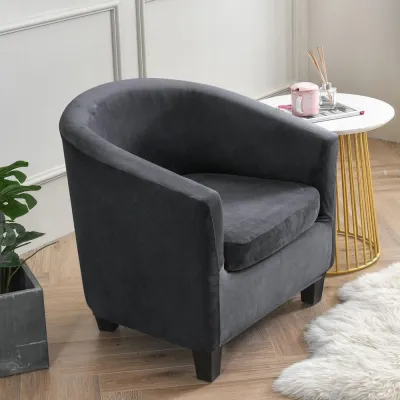
While a primary sofa forms the anchor of your living room, relying solely on one large couch can sometimes limit your seating options. This is where introducing a standalone sofa chair can transform your living space. Instead of buying an oversized sofa that crowds your room, combining a moderate 3-seater with a complementary single seat provides a highly functional, visually balanced alternative.
A dedicated sofa chair is incredibly valuable when hosting occasional guests. Sitting side-by-side on a single couch with acquaintances can sometimes feel uncomfortably close. Providing a separate, individual seat allows guests their own personal space, making social interactions feel much more relaxed and comfortable. It also gives you the flexibility to move the chair around to accommodate different conversational groupings.
Beyond hosting, individual chairs offer targeted comfort and functional zoning within your home. For instance, placing a comfortable armchair or a reclining sofa chair near a window creates a cozy, dedicated reading nook. It also allows you to cater to specific family members who may require specialized physical support, such as an older adult who needs a chair with firm armrests and a higher seat height to stand up easily.
When adding standalone chairs to your living room, you must carefully calculate the spatial clearance to avoid cluttering your home. In typical Philippine residences, where natural ventilation and clear pathways are essential for keeping the home cool, packing too many furniture pieces into a small area blocks airflow and restricts movement. Ensure that any accent chair you add has at least 80 centimeters of clear space around it so it does not obstruct the natural flow of the room.
If you anticipate your family growing or your living situation changing in the near future, you might also consider a modular sofa system. Modular designs allow you to start with a basic 3-seater configuration and gradually add individual sections, corner units, or matching footstools over time. This adaptability ensures your furniture can grow alongside your household’s changing needs and spatial transitions.
Final Pre-Purchase Checklist for Your Sofa
Before you swipe your card or finalize your online checkout, walk through this essential pre-purchase checklist to ensure your investment is safe, durable, and perfectly suited to your home.
- Double-Check All Dimensions: Re-verify the finished length, depth, and height of the sofa against your floor plan tape-out. Ensure there is adequate clearance for all doors, drawers, and walkways.
- Verify Delivery Pathways: Measure your building's lift doors, elevator interior, stairwell clearance, and apartment entryways. Confirm with the retailer if the sofa legs are removable, as this can often provide the extra few centimeters needed to clear a tight entryway.
- Inspect Material and Fabric Labels: In the humid, tropical climate of the Philippines, material selection is critical. Check the manufacturer's care label to ensure the fabric is breathable and resistant to moisture build-up. Avoid low-quality synthetic leathers that can crack or feel uncomfortably hot and sticky in warm weather. If you have young children or pets, prioritize stain-resistant performance fabrics that are easy to spot-clean.
- Review Structural Specifications: Check the manufacturer's specifications for frame materials and joint construction. Look for frames made from kiln-dried solid hardwood, which resists warping under high humidity, and verify that joints are reinforced with dowels or screws rather than simple glue and staples. Ask about the cushion foam density; high-density polyurethane foam offers better long-term support and shape retention than low-density alternatives.
- Confirm Retailer Policies: Always read the fine print regarding warranty coverage on the frame and cushions, return and exchange policies, and delivery fees. If the sofa requires home assembly, clarify whether the retailer provides professional installation services or if you will need to assemble the pieces yourself.
Community discussion
Share your experience or ask a question. Comments are reviewed before publication.