
When maximizing vertical storage inside or alongside a closet, a 6-layer cabinet drawer unit offers an efficient way to organize folded garments, accessories, and household essentials. However, choosing the wrong unit can lead to jammed doors, inaccessible top drawers, or structural sagging under tropical humidity. Before purchasing, you must verify the physical dimensions, material load capacities, and structural stability to ensure the unit integrates seamlessly into your home. Taking the time to measure your space and understand the specifications prevents the frustration of a cabinet that is too tall, too deep, or too fragile for your daily needs.
Verifying Dimensions and Closet Clearance
Before browsing online marketplaces or visiting a local furniture showroom, grab a tape measure to map out your available space. A 6-layer cabinet has a significant vertical footprint, often standing between 120 to 150 centimeters tall. Measure the exact height of your closet interior, paying close attention to any low-hanging clothes on closet rods. You must ensure that the top drawer remains fully accessible and that you do not have to push hanging garments aside to open it.
Next, evaluate the floor footprint. Measure the width and depth of the designated spot, accounting for baseboards or wall trim that might prevent the cabinet from sitting flush against the wall. A cabinet that sticks out even a few centimeters can obstruct sliding closet doors or prevent walk-in closet doors from opening fully.
Products mentioned in this guide



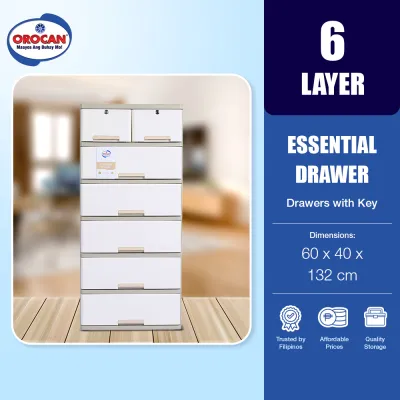
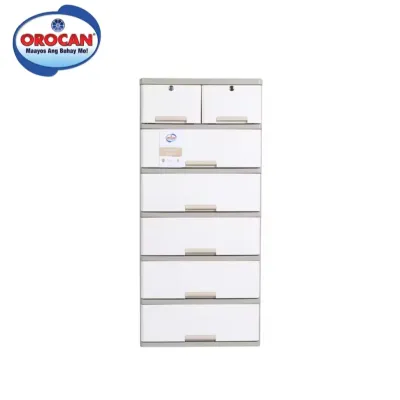
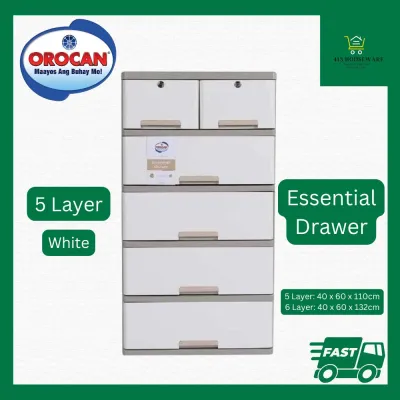
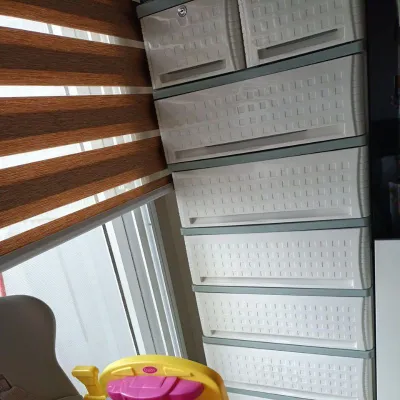
Prices are valid at publication and may change. Please refer to the product page for the latest price.
Do not forget to calculate drawer extension clearance. Pulling out a drawer requires clear floor space directly in front of the unit. If the cabinet is placed in a narrow hallway or a tight corner of your bedroom, a fully extended drawer could block walkways or collide with adjacent furniture. Measure the depth of the cabinet with the drawers completely open to ensure there is still comfortable room to stand and maneuver.
Decoding Material Specs and Weight Limits
In humid tropical environments like the Philippines, material selection directly impacts the lifespan of your storage furniture. Mold, mildew, and warping are common issues for low-grade engineered wood or untreated fiberboard. If you opt for plastic or resin-based 6-layer drawers, which are highly popular for their moisture resistance, check the manufacturer’s specifications for UV resistance and structural reinforcement. High-quality resins resist yellowing and brittleness over time, especially if placed near a window.

Examine the per-drawer weight limits specified by the manufacturer. Heavy textiles like denim jeans, thick bath towels, or bed linens can cause plastic or thin fiberboard drawer bottoms to sag. Look for reinforced drawer bases, which often feature molded support ribs on the underside of plastic models or thick plywood bottoms in wooden units. Overloading a drawer beyond its rated capacity will bow the material, making it difficult to slide the drawer open or closed.
Evaluate the overall frame stability. A tall 6-tier stack carries a high center of gravity when fully loaded. Check if the base features wide, solid feet or a continuous bottom frame rather than thin, screw-in pegs. A sturdy base prevents the entire unit from wobbling or leaning forward when you open the top drawers.
Assessing Drawer Slides and Assembly Conditions
The mechanism that guides the drawers determines daily usability and long-term durability. Basic plastic-on-plastic glides are common in budget resin cabinets. While these are completely rust-proof and highly suitable for high-humidity areas, they require smooth, centered pulling to avoid binding or jamming. For wooden or metal cabinets, look for metal roller slides or ball-bearing runners. These offer much smoother operation for heavier loads but require checking for corrosion-resistant finishes to prevent rust in humid climates.
Floor leveling is essential for tall cabinets. If your floor has a slight slope, a tall 6-layer unit can lean, causing the drawers to slide open on their own or bind within the tracks. Check if the unit includes adjustable leveling feet, or prepare to use shims to ensure the cabinet stands perfectly plumb.
Consider the assembly process and space requirements. Many plastic 6-layer cabinets utilize snap-together designs that require no tools but are difficult to disassemble once locked. Wooden or metal units may require a clear assembly space, screwdrivers, and a mallet. Review the manufacturer’s assembly instructions online before purchasing to ensure you have the necessary tools, physical space, and patience to build the unit safely.
Deciding If a 6-Layer Configuration Fits Your Needs
A 6-layer configuration excels at separating distinct categories of clothing, such as activewear, undergarments, t-shirts, and accessories. However, because the height is divided into six separate compartments, the individual drawer depth is often shallower than in a 3- or 4-tier model of the same overall height. Measure your bulkiest items, like thick sweaters or winter blankets, to ensure they will fit without catching on the frame above.
Compare a dedicated 6-layer drawer unit to a mixed closet system. If you have a large volume of hanging clothes, a tall drawer unit might consume valuable hanging space. Conversely, if your wardrobe consists mostly of folded casual wear, the vertical efficiency of six drawers is highly practical.
For bulky winter wear or thick blankets, fewer and deeper drawers or open storage bins are often more practical. A 6-layer unit is best reserved for high-density, organized storage of smaller, lighter everyday items.
Frequently Asked Questions (FAQ)
Can I stack two 3-layer drawers to make a 6-layer unit?
Stacking two separate 3-layer drawer units to create a 6-layer cabinet is generally not recommended unless the manufacturer explicitly states they are modular and includes interlocking connectors. Without secure joints, the top unit can easily slide off when a drawer is pulled, posing a serious safety hazard. Doing so may also void any product warranty.
Do 6-layer cabinet drawers need to be anchored to the wall?
Yes, tall multi-drawer units like 6-layer cabinets should be anchored to the wall, especially if they are loaded with heavy items. When multiple drawers are opened at the same time, the center of gravity shifts forward, creating a severe tip-over risk. Check the product packaging or manual for included anti-tip hardware and follow the installation instructions carefully.
Community discussion
Share your experience or ask a question. Comments are reviewed before publication.