
Selecting the ideal heavy-duty stainless steel kitchen cabinets for your home in the Philippines involves looking beyond attractive online listings and generic marketing buzzwords. In a tropical climate characterized by high humidity, salt-laden coastal breezes, and intense daily kitchen activity, standard cabinetry can quickly succumb to warping, rust, or structural sagging. True heavy-duty performance is not a matter of aesthetic appeal; it is determined by precise material grades, metal thickness, structural reinforcement, and robust hardware. Whether you are setting up a high-capacity home kitchen, a semi-commercial baking space, or a durable outdoor dirty kitchen, understanding how to evaluate these technical specifications is the key to making a lasting investment.
To find the best options available in the local market, you must take an active role in verifying manufacturer specifications rather than relying on unverified “heavy-duty” labels. This means examining the specific alloy composition of the steel, calculating the load-bearing capacity of individual shelves, and assessing whether your kitchen’s physical structure can support the weight of fully loaded metal units. By focusing on observable construction details and asking the right questions before purchasing, you can secure a cabinet system that safely accommodates your heaviest cast-iron cookware, large rice cookers, and bulk pantry storage for years to come.
Defining "Heavy-Duty" Beyond Marketing Claims
When browsing local furniture suppliers or online marketplaces, you will frequently encounter the term “heavy-duty” applied to almost any stainless steel cabinet. However, because this term is not a regulated industry certification, its meaning can vary wildly between manufacturers. To make an informed decision, you must look past the marketing copy and focus on three objective physical indicators: the steel grade, the sheet metal thickness (gauge), and the internal structural design.
Products mentioned in this guide
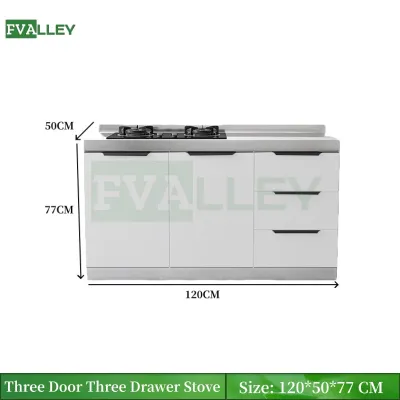
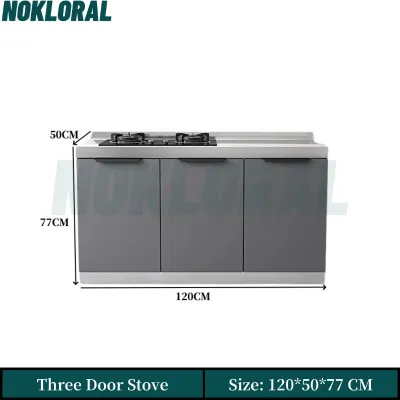
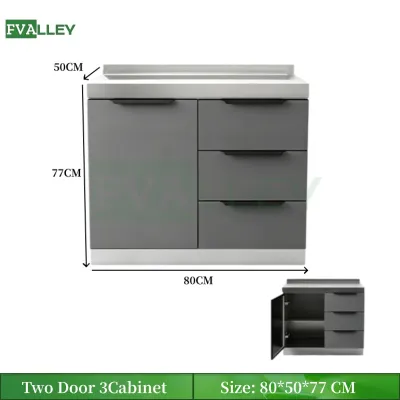
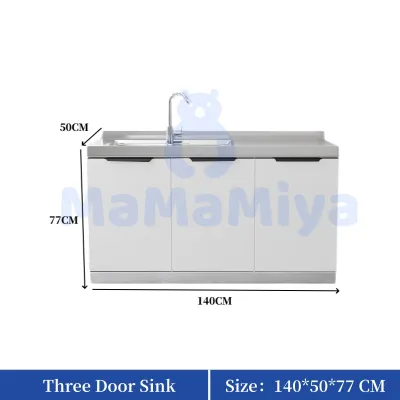
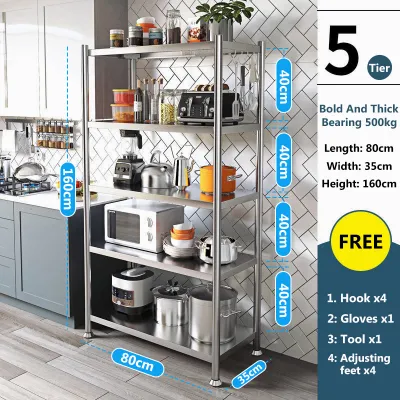
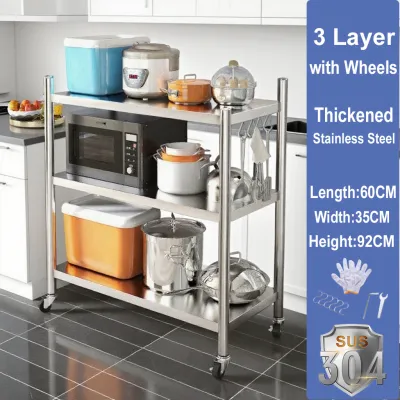
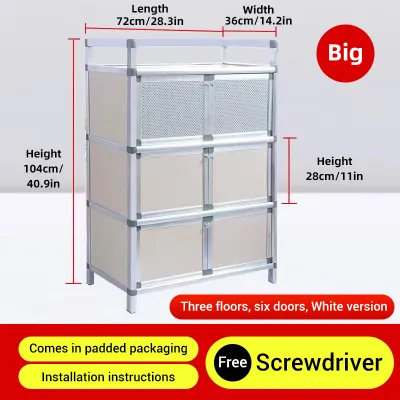
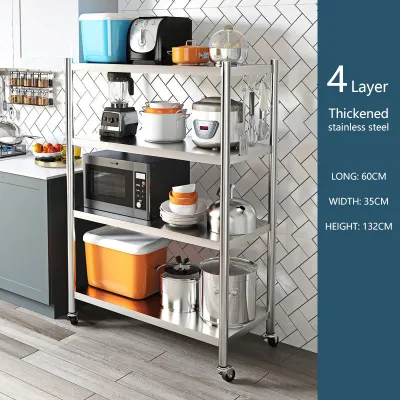
Prices are valid at publication and may change. Please refer to the product page for the latest price.
The steel grade is the most critical factor governing corrosion resistance and longevity in the Philippines’ humid climate. Grade 304 stainless steel is widely considered the standard for high-moisture environments because it contains significant levels of chromium and nickel, which form a protective passive oxide layer on the surface. This layer prevents rust even when exposed to water, food acids, and humid air. In contrast, Grade 201 stainless steel replaces much of the nickel with manganese; while it is more affordable and structurally strong, it is significantly more susceptible to surface tea-staining and rust in high-humidity or coastal areas if not properly maintained. If your kitchen is semi-outdoor, poorly ventilated, or located near the coast, prioritizing Grade 304 is highly recommended to prevent premature degradation.
Sheet metal thickness is measured in gauge numbers, where a lower number indicates thicker, stronger steel. For genuine heavy-duty applications, look for cabinets constructed from 16-gauge (approximately 1.5 mm thick) or 18-gauge (approximately 1.2 mm thick) steel. Budget-grade cabinets often use 20-gauge or 22-gauge steel, which is much thinner and prone to flexing, denting, and oil-canning—the annoying popping sound made when pressure is applied to a flat metal sheet. Thicker steel sheets provide the structural rigidity necessary to support heavy kitchen appliances and large stockpots without bowing.
Finally, structural design separates professional-grade cabinets from flimsy imitations. A heavy-duty cabinet does not rely solely on the outer steel skin for its strength. It features fully welded frames rather than simple spot welds, double-walled doors that resist twisting, and internal panel bracing. When evaluating a cabinet, look for reinforcing channels welded to the underside of shelves and inside the door panels. These structural elements distribute weight evenly and prevent the metal from warping under concentrated loads.
Key Specifications to Verify Before Purchase
Before finalizing your purchase, request a detailed specification sheet from the manufacturer or seller to verify the mechanical components that will bear the daily physical strain of your kitchen activities. The longevity of a stainless steel cabinet is often determined by its moving parts, specifically the hinges and drawer slides.

Begin by checking the hardware ratings. Heavy-duty drawers should be equipped with industrial-grade, full-extension ball-bearing slides. These slides allow the drawer to open fully, giving you complete access to the back, and should carry a certified load rating—typically at least 45 to 50 kilograms per pair for heavy-duty residential use. For cabinet doors, look for heavy-duty concealed hinges or weld-on pivot hinges made of Grade 304 stainless steel. Ask the supplier if the hinges have undergone cycle testing (such as 50,000 open-and-close cycles) to ensure they will not sag or loosen over time under the weight of heavy double-walled doors.
Next, examine the shelf support mechanisms. In a heavy-duty cabinet, shelves should be supported by robust, adjustable metal pilasters or thick welded brackets rather than thin plastic clips. If you plan to store heavy items like stone mortars, cast-iron pans, or commercial-sized mixers, verify the static load capacity of each shelf. Look for the presence of “hat channels”—U-shaped metal ribs welded to the underside of the shelf. These channels act as beams, dramatically increasing the shelf’s resistance to bending under heavy, localized weight.
Surface treatment also plays a vital role in both utility and maintenance. A brushed finish (often referred to as a hairline or satin finish) is highly practical for busy kitchens because it helps mask minor scratches, fingerprints, and water spots that inevitably occur during daily use. Highly polished or mirror finishes, while visually striking, require constant polishing to maintain and easily show every smudge and scratch. Additionally, inspect the physical edges of the cabinet panels; high-quality manufacturers deburr and fold all exposed metal edges to eliminate sharp corners, ensuring safety during cleaning and daily operation.
Space Measurement and Installation Prerequisites
The physical installation of heavy-duty stainless steel cabinets requires careful preparation, as these units are significantly heavier and less forgiving than lightweight wooden or laminate alternatives. Accurate measurement of your physical space and a clear understanding of your home’s structural limitations are essential prerequisites.
Start by measuring the exact dimensions of the designated installation area, taking into account any floor slope, baseboards, or wall irregularities. Because stainless steel cabinets are rigid and cannot be shaved down or trimmed on-site like wood, your measurements must be precise. Furthermore, you must plan the delivery route. Measure the width and height of all entry doors, hallways, stairwells, and elevator cabins through which the packaged cabinets must pass. Heavy-duty units are often delivered fully welded or in large, pre-assembled modules, making tight corners and low ceilings major obstacles if not accounted for in advance.
Wall and mounting conditions are critical for safety, especially if you are installing wall-mounted cabinets. In the Philippines, residential walls are commonly constructed from solid concrete, hollow concrete blocks, or occasionally drywall over metal studs. Heavy-duty wall cabinets must never be mounted directly to unsupported drywall or thin plaster. For concrete or hollow block walls, you must use high-quality steel expansion bolts or sleeve anchors of the appropriate length and diameter to secure the mounting brackets. If you are unsure about the load-bearing capacity of your walls or the correct anchoring hardware to use, consult a structural engineer or a professional installer to prevent catastrophic cabinet failure.
Additionally, map out all utility clearances before positioning your cabinets. Stainless steel back panels are difficult to cut on-site without specialized tools. You must ensure that water supply lines, drainpipes, gas connections, and electrical outlets align perfectly with pre-designed cabinet service gaps or cutouts. Blocking access to shut-off valves or electrical outlets is a safety hazard, so coordinate these locations with your plumber and electrician prior to delivery.
Configurations for Heavy Cookware and Storage
Selecting the right cabinet configuration depends on your specific cooking habits, workflow, and the types of items you need to store. A well-planned layout maximizes efficiency while ensuring that heavy loads are distributed safely.
When planning your layout, prioritize base cabinets for your heaviest items. Base cabinets rest directly on the floor, transferring the weight of heavy cast-iron cookware, large stockpots, and heavy appliances directly to the foundation of your home. This configuration offers the highest load capacity and eliminates the safety risks associated with hanging heavy weights overhead. Wall-mounted cabinets should be reserved for lighter items, such as glassware, spices, and lightweight dry goods, and should always be loaded strictly within the manufacturer’s specified weight limits.
If you require flexibility in your kitchen layout, consider heavy-duty mobile units, such as stainless steel prep tables or storage carts equipped with casters. Mobile units allow you to reconfigure your workspace as needed, which is particularly useful in multi-purpose kitchens or outdoor cooking areas. When choosing a mobile unit, verify that the casters are industrial-grade, non-marking polyurethane or nylon, and that at least two of the wheels feature robust locking brakes. Keep in mind that mobile units require a flat, level floor to prevent unwanted rolling or instability when loaded with heavy items.
For internal organization, look for configurations that feature deep drawer systems with heavy-duty slides rather than standard deep cupboards. Deep drawers allow you to pull heavy pots and appliances out into the light, eliminating the need to bend down and reach into dark, deep corners. If you prefer shelves, ensure they are fully adjustable so you can customize the vertical clearance to fit tall appliances like blenders, pressure cookers, or large rice dispensers. Pull-out wire baskets made of Grade 304 stainless steel are also excellent for storing root vegetables or dry pantry goods, as they promote airflow and prevent moisture buildup.
Maintenance Rules to Preserve the Finish
While stainless steel is exceptionally durable, it is not entirely indestructible. Proper daily care and periodic maintenance are required to preserve the protective oxide layer, prevent surface oxidation, and ensure that the hardware functions smoothly for decades.
Establish a strict cleaning protocol that avoids harsh chemicals. For daily cleaning, use a soft microfiber cloth dampened with warm water and a mild, neutral dish soap. Always wipe in the direction of the brushed metal grain to avoid creating microscopic scratches that can harbor dirt and bacteria. Avoid using chloride-based bleach, highly acidic cleaners, or abrasive scouring powders, as these substances can chemically break down the chromium oxide layer, leading to pitting and rust. Never use steel wool or carbon steel wire brushes to clean stainless steel; they can leave behind microscopic iron particles that will quickly rust and stain the cabinet surface.
Protect the surface from physical damage and moisture accumulation. Although stainless steel is highly resistant to heat, avoid cutting food directly on the cabinet countertops, as knives will scratch the finish and dull your blades; always use a dedicated cutting board. Additionally, do not allow standing water, wet sponges, or salty food spills to sit on the surface for extended periods. In the Philippines’ tropical climate, standing water can evaporate quickly, leaving behind concentrated mineral deposits (hard water stains) that are difficult to remove and can eventually initiate localized corrosion.
Finally, do not neglect the cabinet hardware. Every few months, conduct a quick inspection of the hinges, drawer slides, and handles. Use a screwdriver to tighten any screws that may have loosened due to the vibrations of daily use. If the drawer slides begin to feel sticky or noisy, clean away any accumulated dust or debris and apply a small amount of food-safe silicone lubricant or dry-film lubricant according to the manufacturer’s instructions. Keeping the moving parts clean and lubricated prevents premature wear and ensures the cabinet remains easy to operate.
Frequently Asked Questions (FAQ)
Is 304 stainless steel strictly necessary for indoor kitchen cabinets?
While Grade 304 stainless steel offers the best long-term protection against rust and corrosion in humid environments, it may not be strictly necessary for all indoor kitchens. If your kitchen is fully indoor, air-conditioned, or exceptionally well-ventilated with low humidity, and you do not live near a coastal area, a high-quality Grade 201 stainless steel cabinet can be a viable, budget-friendly alternative. However, you must be more diligent about keeping Grade 201 dry and clean, as it lacks the high nickel content of Grade 304 and is more prone to surface staining if exposed to standing water, salt, or acidic food spills. Always consult the manufacturer’s environmental recommendations to match the steel grade to your specific kitchen conditions.
How can I verify the load capacity of a cabinet shelf?
To verify the load capacity of a cabinet shelf, avoid relying on visual estimates or generic product descriptions. Request the official technical specification sheet or user manual from the manufacturer, which should explicitly state the maximum weight limit per shelf. Pay close attention to whether the rating is for static loads (stationary items) or dynamic loads (items being moved or placed down with force). Additionally, inspect the physical construction: look for thick, adjustable metal support brackets rather than plastic clips, and check if the shelf has welded reinforcing hat channels underneath, which are key indicators of a high load-bearing design.
Do heavy-duty stainless steel cabinets require special wall anchors?
Yes, heavy-duty stainless steel wall cabinets require specialized anchoring hardware to ensure they remain securely mounted when fully loaded. Standard plastic wall plugs are entirely inadequate for supporting the combined weight of a heavy steel cabinet and heavy cookware. The specific type of anchor you need depends entirely on your wall material: solid concrete walls require heavy-duty steel expansion bolts or sleeve anchors, while hollow concrete blocks may require toggle bolts or specialized masonry anchors. Because incorrect installation poses a severe safety hazard, always consult the cabinet’s installation manual for specific hardware requirements and strongly consider hiring a qualified professional to perform the mounting.
Community discussion
Share your experience or ask a question. Comments are reviewed before publication.