
Creating a serene, clutter-free sanctuary does not require a luxury budget. The Japandi design style—a harmonious fusion of Japanese minimalism and Scandinavian warmth—has captured the hearts of homeowners looking to transform compact living spaces into peaceful retreats. If you are working with limited square footage and a tight budget, finding the perfect 2 seater sofa that embodies this aesthetic while remaining affordable is your primary design challenge.
In the Philippines, where urban apartments and cozy townhouses demand smart space utilization, a compact couch serves as the anchor of your living room. By understanding which design elements are essential to the Japandi look and where you can strategically cut costs, you can achieve a high-end, curated feel without overspending. The key lies in prioritizing clean silhouettes, selecting durable yet budget-friendly materials, and styling your furniture with intention.
Decoding the Japandi Aesthetic for Budget Shoppers
The Japandi philosophy is built on the intersection of two distinct yet complementary design movements: wabi-sabi (the Japanese appreciation for the beauty of imperfection and simplicity) and hygge (the Scandinavian concept of cozy contentment). Together, they form an aesthetic that prioritizes clean lines, low-profile furniture, and completely uncluttered layouts. Instead of ornate decorations or bulky designs, Japandi relies on negative space and natural textures to create a sense of calm.
Products mentioned in this guide
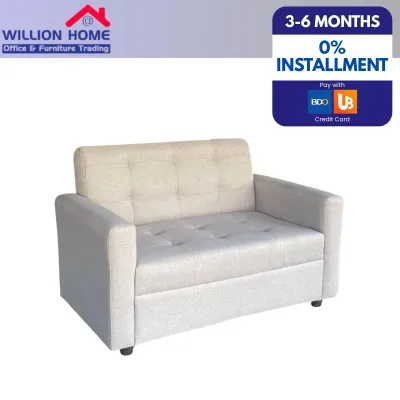
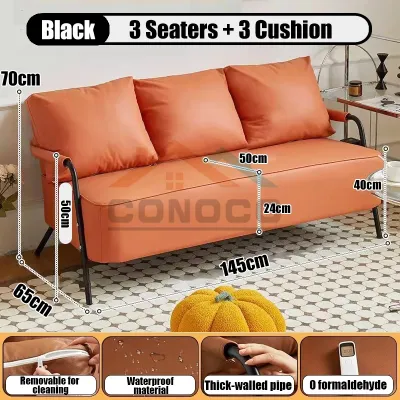
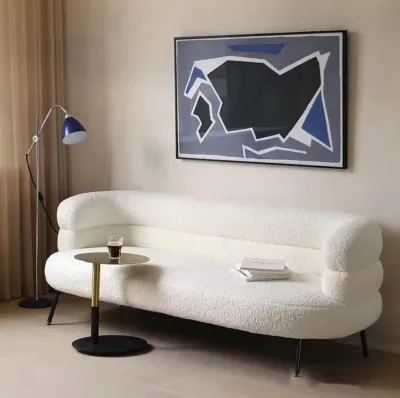
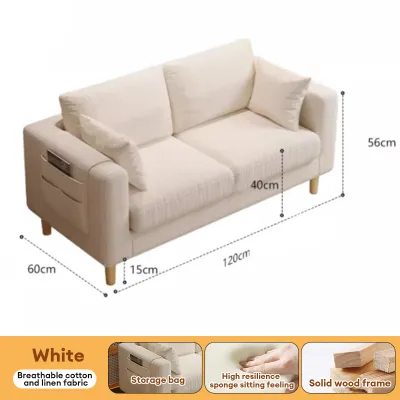
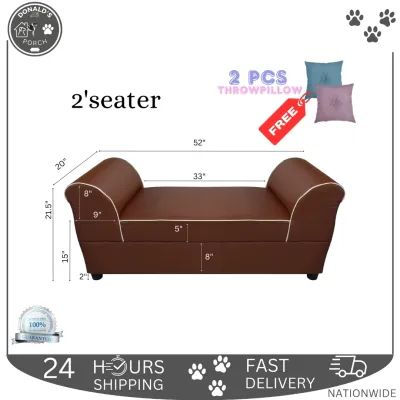
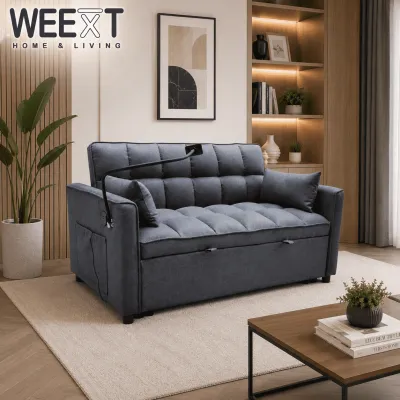
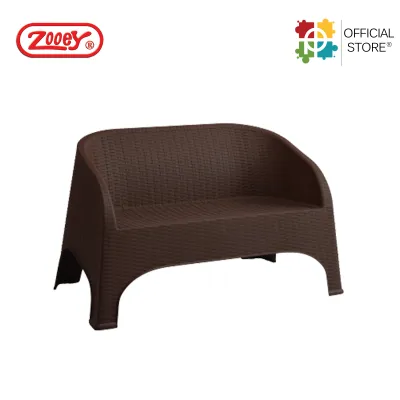

Prices are valid at publication and may change. Please refer to the product page for the latest price.
To replicate this look on a budget, you must first master the color palette. A classic Japandi living room utilizes soft, neutral earthy tones as its foundation. Think warm grays, light oatmeal, soft beige, cream, and muted sand. These colors reflect natural light beautifully, making even the smallest living areas feel airy and expansive.
While luxury design showrooms often showcase pieces wrapped in premium, expensive natural fibers, budget-conscious shoppers do not need to despair. In Japandi design, the overall silhouette and color of your furniture carry far more visual weight than the price tag of the material. A clean, boxy, or gently curved frame in a soft oatmeal shade will instantly convey the minimalist vibe, regardless of whether the fabric is pure Belgian linen or a highly affordable synthetic blend. By focusing on the visual impact of clean lines and neutral colors, you can easily filter out expensive options and focus on budget-friendly alternatives that mimic the high-end aesthetic perfectly.
Non-Negotiable Features vs. Acceptable Compromises for a 2 Seater Sofa
When shopping for an affordable 2 seater sofa, you will inevitably face trade-offs between cost, durability, and style. Understanding where you can safely compromise and where you must stand firm will prevent you from buying a piece that either looks cheap or falls apart within a year.

Frame and Structure
The internal frame is the skeleton of your sofa, determining its overall lifespan and stability. Premium Japandi furniture typically features solid hardwood frames made of oak, ash, or beech. While highly durable, these woods command premium prices that can easily stretch your budget.
To save money without sacrificing structural integrity, look for frames constructed from kiln-dried pine, high-quality engineered wood, or medium-density fiberboard (MDF) reinforced in high-stress areas. Kiln-dried wood is particularly important in the humid Philippine climate, as the drying process removes moisture and prevents the frame from warping or bowing over time.
When evaluating a budget-friendly frame, pay close attention to the joinery. Avoid sofas held together solely by staples and cheap glue. Instead, look for frames that utilize wooden dowels, metal corner brackets, or screws, which offer significantly better resistance to daily wear and tear. For the visible portion of the sofa, prioritize models with exposed, tapered wooden legs in a light oak or medium ash finish. This simple detail elevates the entire piece, giving it the signature elevated, airy look characteristic of Scandinavian design, even if the hidden frame uses more economical materials.
Upholstery and Texture
Upholstery is the most visible element of your sofa, making fabric selection a critical step in nailing the Japandi look. Pure linen and high-grade wool are the traditional choices for this style, but they are expensive, prone to wrinkling, and difficult to clean.
Fortunately, modern textile manufacturing offers excellent, budget-friendly alternatives. Textured polyester, cotton-polyester blends, and lightweight chenille can replicate the tactile warmth of natural fibers at a fraction of the cost. When browsing options, look for fabrics with a distinct, slightly irregular weave that mimics the organic feel of raw linen.
There are several visual traps to avoid when shopping on a budget. Steer clear of shiny synthetics, faux leather with a high-gloss finish, or busy, vibrant patterns. These materials disrupt the calm visual continuity of a minimalist space. Stick to a matte finish and highly textured, solid-colored fabrics that invite touch while maintaining a clean, understated profile.
Cushion Fill and Comfort
A beautiful sofa is of little use if it is uncomfortable to sit on or loses its shape after a few months. Cushion fills generally fall into three categories: high-density foam, polyester fiberfill, and down-feather blends. Down-feather offers luxurious softness but is incredibly expensive and requires constant fluffing to avoid a messy, collapsed look—the antithesis of tidy Japanese minimalism.
For budget buyers, high-density foam wrapped in a thin layer of polyester fiber is the absolute gold standard. High-density foam provides the firm, structured support necessary to maintain the clean, straight lines of a Japandi silhouette. The fiber wrap adds a layer of initial softness, preventing the seat from feeling too stiff. Avoid low-density foam, which may feel soft in the showroom but will sag rapidly, leaving you with an uncomfortable and unsightly seat within a few months.
Essential Specifications to Verify Before Checkout
Before you finalize your purchase, you must verify several physical and environmental specifications. Buying a sofa that does not fit your space or cannot withstand local conditions is a costly mistake that can easily ruin your budget.
Spatial Fit and Access
A 2-seater sofa is naturally compact, but “compact” is a relative term. Always measure the exact footprint of your designated living room area, leaving at least 30 to 50 centimeters of breathing room on either side to preserve the open, uncluttered feel of Japandi design. Equally important is measuring your delivery path. Ensure the sofa’s boxed dimensions can clear your front door, narrow apartment hallways, tight stairwell turns, or condominium elevators. If you live in a high-rise building in Metro Manila, verifying elevator clearance is a non-negotiable step before hitting the checkout button.
Weight Capacity and Stability
Always check the manufacturer’s specified weight capacity. A reliable 2-seater sofa should comfortably support at least 150 to 200 kilograms. If you are shopping online and cannot test the piece in person, thoroughly read customer reviews to check for complaints regarding wobbling, creaking, or uneven legs. A stable, well-balanced base is essential for safety and longevity.
Philippine Climate Considerations
The tropical, highly humid climate in the Philippines presents unique challenges for home furniture. High humidity can encourage mold growth, mildew, and musty odors in porous fabrics. When selecting a budget sofa, check the fabric care label for moisture resistance or synthetic blends (like polyester-acrylic) that do not trap humidity as easily as pure cotton. Ensure your living room has adequate air circulation to protect your investment from tropical moisture.
Maintenance and Cleanability
Light-colored fabrics—such as cream, beige, and oatmeal—are central to the Japandi aesthetic, but they are highly susceptible to stains, dust, and sweat. To keep your sofa looking pristine, prioritize models that feature removable, machine-washable cushion covers. If the covers are fixed, verify if the fabric can be treated with a water-based fabric protector spray, which creates a barrier against liquid spills and everyday grime.
Navigating Purchases and Avoiding Hidden Costs
Finding a budget-friendly sofa requires a strategic approach to where and how you shop. In the Philippines, you have three primary avenues, each with its own set of advantages and potential pitfalls.
Sourcing Channels
- Online Marketplaces: Digital platforms offer the widest selection of low-cost furniture and allow you to easily compare prices. However, you cannot test the comfort or verify the fabric quality in person, making customer reviews and detailed seller specifications incredibly important.
- Local Showrooms and Retail Chains: Visiting physical stores allows you to sit on the sofa, feel the upholstery, and inspect the build quality. While prices may be slightly higher than online-only retailers, showrooms frequently run seasonal clearance sales or offer installment plans that make the purchase highly manageable.
- Local Custom Upholstery Workshops: In many provinces and suburban areas, local woodworkers and upholstery shops can custom-build a simple 2-seater sofa to your exact dimensions. Because Japandi designs are characterized by simple, straight lines, local craftsmen can often replicate the look using local materials like gmelina or mahogany wood at a highly competitive price point.
Calculating the True Cost
To protect your budget, you must look past the initial price tag on the item page. The true cost of your sofa includes several potential add-ons:
- Delivery Fees: Shipping a large, heavy piece of furniture can be expensive, especially if you live outside major metropolitan hubs or in a multi-story building without an elevator.
- Assembly Charges: Some budget sofas are shipped flat-packed. If you are not comfortable assembling the piece yourself, you may need to pay an additional fee for professional assembly.
- Old Furniture Disposal: If you are replacing an old couch, check if the delivery service offers disposal or if you will need to pay a local waste management service to haul it away.
Always check the return policy and warranty terms before completing your purchase. Returning a bulky item like a sofa due to a change of mind can incur massive return shipping fees that you will be required to cover, instantly destroying any savings you achieved on the purchase price.
Elevating a Budget Sofa with Japandi Styling
Once your budget-friendly 2-seater sofa is in place, you can use clever, low-cost styling techniques to elevate its appearance, making it look like a custom designer piece. The secret to high-end styling on a budget is curation: every accessory must serve a visual or functional purpose.
Textured Throw Pillows
Introduce depth and warmth to a plain, neutral sofa by layering throw pillows with rich textures. Instead of smooth, synthetic fabrics, look for pillow covers made of bouclé, chunky knits, raw cotton, or tufted linen. Stick to a tight, organic color palette—such as muted rust, deep olive, soft terracotta, or warm charcoal—to create a subtle contrast against your light-colored sofa without cluttering the visual field.
Natural Fiber Rugs
A rug is essential for anchoring your seating area and defining the living room space. To complement the Japandi aesthetic, opt for a natural fiber rug made of jute or sisal. If these materials are too rough underfoot or out of your price range, look for budget-friendly synthetic rugs designed with a flat-weave texture that mimics natural fibers. A large, neutral-toned rug placed partially under the front legs of your sofa instantly makes the entire room feel cohesive and cozy.
Minimalist Accents
Surround your sofa with clean, minimalist decor to complete the look. Pair the couch with a simple, round wooden side table to hold your drinks or books. Add a paper-shade floor lamp or a linen-wrapped table lamp to cast a warm, diffused glow in the evenings. Finally, hang a single piece of abstract line art or a framed botanical print on the wall above the sofa. By keeping the surrounding area uncluttered and prioritizing natural materials, your budget-friendly sofa will seamlessly blend into a high-end Japandi sanctuary.
Frequently Asked Questions (FAQ)
Can I use a dark-colored sofa in a Japandi living room?
Yes, a dark-colored sofa can work beautifully in a Japandi space, provided it is balanced correctly. While light neutrals are the traditional choice, a deep charcoal, warm espresso, or rich forest green sofa can serve as a stunning focal point. To maintain the minimalist aesthetic, ensure the sofa features a clean, low-profile silhouette with no ornate detailing. Balance the dark weight of the couch by keeping your walls light, maximizing natural light, and incorporating plenty of light oak wood accents and pale textiles throughout the rest of the room.
How do I maintain a light-colored fabric sofa in a humid climate?
Maintaining a light-colored sofa in a humid environment like the Philippines requires consistent, proactive care. Vacuum the upholstery weekly using a soft brush attachment to prevent dust and skin cells from settling into the fibers, which can cause discoloration over time. Apply a high-quality fabric protector spray to guard against accidental spills and sweat stains. To prevent mold and musty odors, ensure your living room is well-ventilated; run a ceiling fan, open windows on dry days, or use an air conditioner or dehumidifier during the rainy season to keep indoor humidity levels in check.
Community discussion
Share your experience or ask a question. Comments are reviewed before publication.