
Living in a compact condominium or a cozy townhouse in the Philippines requires creative space-saving strategies. When floor space is at a premium in bustling urban centers like Metro Manila or Cebu, furniture must perform double duty.
A cabinet sofa—a sofa designed with integrated storage cabinets, drawers, or under-seat compartments—offers an ideal solution by combining comfortable seating with hidden organizational space. This guide explores how to select an affordable, high-quality storage sofa that fits both your budget and a clean, minimalist aesthetic.
Planning Your Space and Budget Priorities
Measuring Your Layout
Do not just measure the wall where the sofa will sit. You must map out the entire footprint of the cabinet sofa in both its closed and open states. For a unit with pull-out drawers, measure the depth of the sofa and add the full length of the extended drawer, plus at least 50 centimeters of clearance so you can stand comfortably while retrieving items.
Products mentioned in this guide
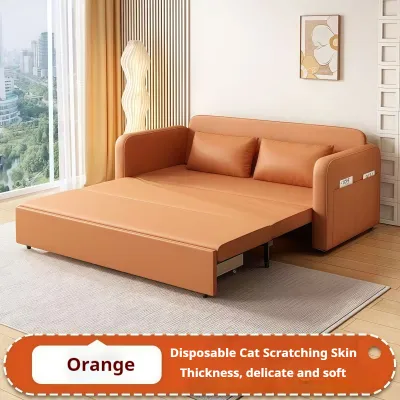
![[Manila 24-hour Boat] 08/128/158*78*85CM Foldable Sofa Bed with Storage Cabinet Dual Purpose Small Unit Living Room Lazy Person Sofa Single/Double/Queen Size with Roller Sofa Bed Side Pocket Multi-functional Telescopic Bed 2 Free Throw Pillows](https://img.lazcdn.com/g/p/2ada70a4d0023f1bc3ccb72602af6e25.jpg_400x400q80.jpg_.webp)
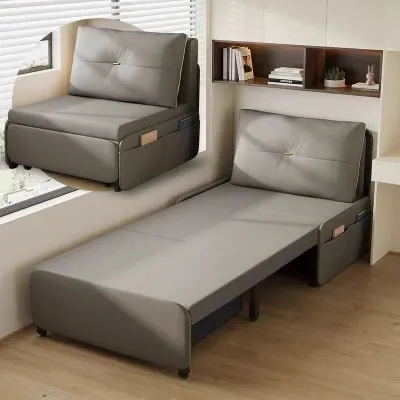
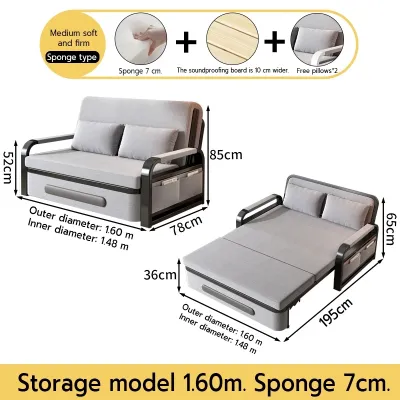
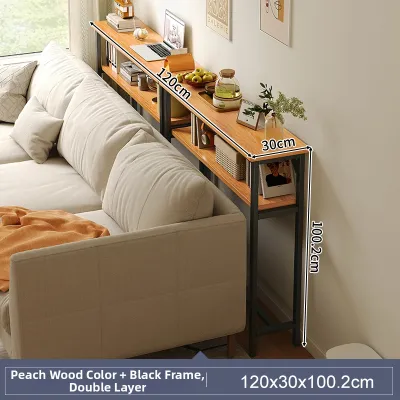
Prices are valid at publication and may change. Please refer to the product page for the latest price.
For lift-up models, ensure there is enough vertical clearance and that the backrest does not scrape against wall decorations or low-hanging shelves when the seat is raised. Marking the footprint on your floor with masking tape can help you visualize the remaining walking paths.
Navigating the Delivery Route
In many Philippine urban dwellings, the biggest obstacle to new furniture is not the living room, but the journey to get there. Before purchasing, measure the width and height of all entryways, door frames, hallway corners, and stairwells.
If you live in a high-rise condominium, check the interior dimensions of the service elevator and the height of the elevator door. A sofa that cannot clear a tight turn in a stairwell or fit inside an elevator will result in costly return delivery fees or the need for expensive, complicated disassembly.
Establishing a Realistic Budget
Setting budget priorities prevents impulse buys that might fail structurally within a year. In the Philippine market, budget-friendly cabinet sofas generally fall into two price bands: entry-level options from ₱8,000 to ₱15,000, and mid-range options from ₱15,000 to ₱30,000.
When working with a strict budget, prioritize spending on structural integrity and robust hardware over premium upholstery materials. A sofa with a sturdy frame and smooth, heavy-duty hinges wrapped in a simple synthetic fabric will far outlast a sofa with delicate hinges wrapped in expensive natural linen.
Choosing the Right Storage Mechanism and Minimalist Design
Comparing Storage Configurations
The two primary storage styles are lift-up seat bases and built-in drawer cabinets. Lift-up mechanisms, often supported by gas-lift hydraulics, utilize the entire hollow base of the sofa, making them excellent for storing bulky, infrequently used items like extra bedding, seasonal blankets, or travel luggage. However, they require you to clear the cushions and ask anyone seated to stand up before you can access the compartment.

Built-in drawers slide out from the front or sides of the sofa base. While drawers offer quick, convenient access to daily-use items like remote controls, chargers, and books, they require completely clear floor space in front of the sofa to open fully.
Managing Visual Weight
To achieve a clean, Japandi-inspired look—which blends Japanese minimalism with Scandinavian warmth—you must manage the visual weight of the furniture. Traditional storage sofas can look bulky and boxy because the base extends all the way to the floor to maximize storage volume.
To keep your small living room feeling airy, look for designs that incorporate low-profile silhouettes and neutral color palettes, such as oatmeal, beige, light gray, or muted sand. Some minimalist cabinet sofas feature recessed bases or short, tapered wooden legs that lift the bulk of the sofa slightly off the ground, creating the illusion of more floor space while still concealing the storage compartment.
Verifying Materials and Finishes
When shopping online or in local showrooms, do not rely on generic marketing terms like “solid wood” or “premium fabric” to assume durability. Instead, closely inspect the manufacturer’s specifications and care labels.
For the frame, look for kiln-dried wood or high-grade engineered wood with water-resistant laminates. For the upholstery, check for synthetic fiber blends, such as polyester or nylon, which offer superior stain resistance and are easier to spot-clean than pure cotton or linen. If the sofa features exposed wooden accents, verify that the finish is sealed to prevent moisture absorption in high-humidity environments.
Avoiding Hidden Costs and Logistical Issues in the Philippines
Calculating the True Cost
The price tag on the showroom floor or e-commerce listing is rarely the final cost. Before checking out, verify all additional fees. Many furniture retailers in the Philippines charge extra delivery fees based on your distance from their warehouse, with higher rates for provincial deliveries outside Metro Manila.
Additionally, if you live in a high-rise building without a service elevator, some delivery services charge a “stair-carry” fee per floor. Always ask if professional assembly is included in the price or if it requires an extra fee, as assembling complex hydraulic storage mechanisms yourself can be challenging without the right tools.
Adapting to the Tropical Climate
The climate in the Philippines presents unique challenges for furniture preservation. High humidity levels during the rainy season can cause untreated wood frames to warp and mold, while salt air in coastal regions can accelerate the rusting of metal storage mechanisms.
To protect your investment, review the product care instructions to ensure the wooden components have been treated with anti-pest and moisture-resistant coatings. For the moving metal parts, such as drawer tracks and hydraulic hinges, plan to apply a light silicone lubricant periodically to prevent rust and squeaking.
Understanding Warranty and Return Policies
A cabinet sofa has moving parts that experience regular physical stress. Before finalizing your purchase, clarify the retailer’s warranty coverage. A standard warranty should cover structural defects in the frame and failures in the moving hardware (like hinges and drawer tracks) for at least six months to a year.
Be sure to ask about the return policy for items damaged during transit. In the Philippines, returning bulky furniture can be logistically difficult and expensive, so securing a clear, written policy on who covers return shipping for defective items is essential.
Making Smart Quality Trade-Offs on a Budget
Identifying Non-Negotiable Quality Features
When cutting costs, some features must remain non-negotiable to ensure safety and longevity. First, check the frame joints; they should be secured with screws, dowels, or corner blocks rather than simple staples or glue.
Second, inspect the storage hardware. The hinges on a lift-up sofa must feel solid and operate smoothly without catching or wobbling, as weak hinges pose a safety hazard if the heavy seat base falls unexpectedly. Finally, always verify the manufacturer’s stated weight capacity limit for both the seating surface and the storage compartment to ensure it can safely support your household.
Finding Acceptable Budget Compromises
To keep the price affordable, look for compromises that do not affect the sofa’s structural integrity. Opting for high-quality synthetic fabric blends, such as performance polyester, is a smart way to save money while actually gaining better stain and wear resistance than expensive natural fibers.
You can also save by choosing high-density polyurethane foam cushion fills instead of pocket springs or down feathers. High-density foam provides firm, supportive seating that holds its shape well over time at a fraction of the cost.
Spotting Red Flags
Avoid product listings that lack clear, detailed specifications regarding weight limits, frame materials, and hardware types. In physical showrooms, test the sofa by sitting on it and opening the storage compartments multiple times.
Red flags include drawer tracks that stick or grind, a seat base that sags or creaks under your weight, and thin, flimsy bottom panels in the storage cabinets that are likely to bow or break if you store heavy items inside.
Styling Your Cabinet Sofa for a Japandi Living Room
Maintaining an Uncluttered Environment
The core of Japandi design is functional minimalism, which relies heavily on efficient clutter management. Use the hidden compartments of your cabinet sofa to store items that usually clutter coffee tables and shelves, such as board games, extra cushions, electronic accessories, and seasonal decor. By keeping these items out of sight, you allow the clean lines of your living room to stand out, creating a calm, serene atmosphere even in a compact space.
Selecting Textiles and Accessories
To complement the neutral tones of your minimalist sofa, introduce warmth and texture through a carefully curated selection of accessories. Choose a few high-quality throw pillows or a textured throw blanket made from natural materials like cotton, jute, or wool.
Stick to a cohesive color palette of earthy, neutral tones—such as terracotta, olive green, warm taupe, or soft charcoal—to add visual interest without overwhelming the limited space of a small living room.
Organizing the Storage Compartments
To ensure your cabinet sofa continues to function smoothly, organize the interior storage logically. Avoid overstuffing the compartments, as bulging items can press against the underside of the seat cushion, making it difficult to close or damaging the opening mechanisms.
Use lightweight fabric storage bins or dividers inside the cabinet to group smaller items together. This not only keeps the interior organized but also prevents items from shifting and blocking the drawer tracks or hydraulic arms when you open and close the sofa.
Community discussion
Share your experience or ask a question. Comments are reviewed before publication.