
As the new school year approaches, creating a dedicated, distraction-free study corner for your child is one of the most effective ways to support their academic journey. However, preparing for school often comes with a long list of expenses, from tuition and books to uniforms and school supplies. Setting up a functional, comfortable study space does not have to drain your budget. When looking for affordable seating options, exploring a chairs plastic sale can lead to highly cost-effective solutions that provide excellent utility without a premium price tag.
Plastic is a popular material choice for children’s furniture because it is lightweight, easy to clean, and highly versatile. However, purchasing a budget-friendly option requires a careful balance between cost savings and essential physical support. While it is reasonable to compromise on advanced features like multi-point adjustable armrests, premium mesh fabrics, or high-end designer brand names, you must never compromise on basic structural safety, stability, and proper physical support. A cheap chair that wobbles, tips over easily, or forces your child into an awkward posture will ultimately hinder their concentration and could lead to physical discomfort.
This guide is designed to help you navigate the back-to-school sales landscape with a practical, critical eye. Rather than listing specific, rapidly changing promotional prices that may no longer be accurate by the time you shop, we will focus on the exact physical specifications, structural indicators, and safety features you should evaluate. By understanding what makes a budget plastic chair durable and supportive, you can confidently identify genuine value and make an informed purchase that lasts throughout the school year.
Products mentioned in this guide

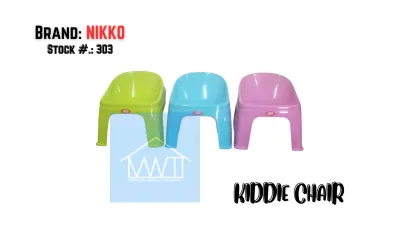
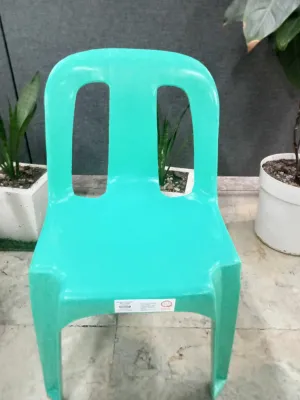
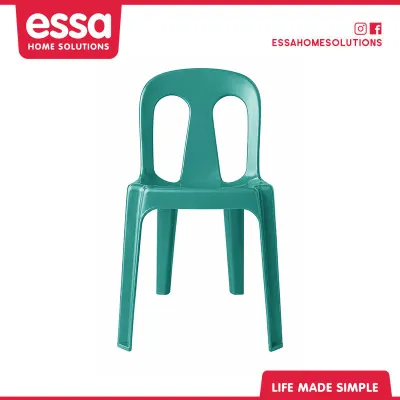
Prices are valid at publication and may change. Please refer to the product page for the latest price.
Evaluating Plastic Chairs on Sale: Features That Actually Matter
When browsing online marketplaces or local furniture stores during back-to-school promotional campaigns, it is easy to get distracted by bright colors, cute designs, or steep discounts. To ensure you are buying a product that actively supports your child’s daily study habits, you need to look past the aesthetic appeal and focus on the structural and ergonomic realities of the furniture.
Ergonomics and Posture Support
Unlike high-end office chairs that feature complex pneumatic gas lifts and adjustable lumbar support, budget-friendly plastic chairs typically rely on fixed, molded designs. This means you must be highly precise when matching the chair’s physical dimensions to your child’s current height and the height of their study desk.
To determine if a fixed plastic chair will encourage healthy posture, use the 90-90-90 ergonomic rule as your primary benchmark. When sitting fully back in the chair, your child’s feet should rest completely flat on the floor, with their knees bent at a comfortable 90-degree angle. Simultaneously, their hips should be positioned at approximately 90 degrees, and their elbows should rest naturally on the desk surface at a 90-degree angle for writing or typing.
Before making a purchase, measure the distance from the back of your child’s knee to the sole of their foot. Compare this measurement directly with the manufacturer’s listed seat-height specification. If the seat is too high, your child’s legs will dangle, putting pressure on the back of their thighs and restricting circulation; if it is too low, their knees will be pushed upward, placing unnecessary strain on their lower back.
Additionally, inspect the design of the backrest. A completely flat, rigid vertical backrest forces the spine into an unnatural straight position, leading to rapid fatigue and slouching. Look for molded plastic backrests that feature a gentle, built-in S-curve or a subtle lumbar bulge that mimics the natural curvature of the human spine. A slight backward recline of about 5 to 10 degrees is also beneficial, as it allows the backrest to share some of the upper body’s weight, reducing muscle strain during long reading or homework sessions.
Safety, Stability, and Weight Limits
Children are naturally active, often shifting their weight, leaning forward to write, or reaching sideways to grab a book or a pencil. Because plastic is a relatively lightweight material, a poorly designed chair can easily tip over under these dynamic movements.
First, verify the manufacturer’s stated maximum weight capacity in the product specifications. Do not simply buy a chair that matches your child’s current weight. Instead, select a chair with a load capacity that accommodates their current weight plus a generous buffer for natural growth spurts over the coming years. A higher weight limit also indicates a stronger, more robust plastic structure that can handle the sudden physical impacts of a child sitting down quickly or shifting abruptly.
Second, examine the leg design to assess the chair’s overall stability. Chairs with legs that flare slightly outward at the base offer a much wider support footprint, significantly reducing the risk of tipping. Avoid designs with highly vertical, thin legs that concentrate weight on a narrow area, as these are inherently less stable on both tiled and carpeted floors.
Third, inspect the physical construction details. A simple material label like “polypropylene” or “heavy-duty plastic” does not guarantee durability. Instead, look closely at the product images and specifications for structural reinforcements. High-quality budget plastic chairs often feature thickened reinforcing ribs molded directly under the seat pan, double-walled backrests, or metal inserts within the legs to prevent bending. Finally, check that all edges, corners, and seams are thoroughly rounded and smooth to prevent painful scratches or snags on clothing.
Navigating Back-to-School Sales: Spotting Genuine Deals on Chairs Plastic Sale Events
The back-to-school season in the Philippines is filled with aggressive promotional campaigns, limited-time discounts, and bundle offers. While these sales present excellent opportunities to save money, they also require a strategic approach to avoid low-quality traps.

Many online sellers use inflated “original” prices to make a standard, everyday price look like an extraordinary discount. To determine if a chairs plastic sale offer is a genuine bargain, compare the discounted price against the physical specifications of the chair rather than the percentage off. A very cheap chair made from thin, single-layered recycled plastic is not a good deal even at a 70% discount, as it is highly likely to crack or warp under daily use, forcing you to buy a replacement within a few months.
Furthermore, always calculate the total checkout cost rather than focusing solely on the item’s list price. Bulky furniture items like chairs often incur high shipping fees, especially if you live in provincial areas outside major urban centers. In some cases, a slightly more expensive chair from a seller offering free shipping or a local physical store can end up being more economical than a cheaper chair with exorbitant delivery fees.
Be sure to review the seller’s return policy and warranty terms before finalizing your purchase. Budget-friendly furniture items sometimes come with restrictive “no return, no exchange” policies. Look for reputable sellers who offer a clear return window of at least seven days for manufacturing defects or shipping damage. If a seller’s return process is overly complicated, vague, or expensive, it is often safer to walk away. If the total cost of the online purchase exceeds your set budget once shipping and handling are added, consider visiting local physical home goods stores where you can inspect the chair’s build quality in person and eliminate delivery costs entirely.
Space and Setup: Measuring for the Perfect Fit
A common mistake when buying study furniture is focusing entirely on the chair itself without considering how it interacts with the surrounding environment. To prevent frustrating return processes, you must take precise measurements of your child’s study area before placing an order.
Start by measuring the clear width and depth of the opening under the study desk. The plastic chair must be able to slide fully under the desk when not in use to keep the room’s walkways clear. This is particularly crucial if you are considering a plastic chair with integrated armrests. If the armrests are higher than the bottom edge of the desk drawer or tabletop frame, the chair will collide with the desk, preventing it from being tucked in. This forces your child to sit too far back from their work surface, leading to poor posture as they lean forward to reach their books.
Next, consider the physical path the chair will take from your front door to the study corner. If the chair is delivered fully assembled or comes in a large, rigid box, you must ensure it can easily pass through your doorways, narrow hallways, and up any stairwells. Measure the narrowest points along this delivery route and compare them to the product’s packaged dimensions.
Never rely on visual estimation or guess unknown dimensions based on online photos. Always use a physical tape measure to verify your home’s available space and cross-reference these numbers directly with the detailed dimension diagrams provided by the manufacturer. If a seller does not provide exact height, width, and depth measurements for a chair, contact their customer service to request them before purchasing.
Extending the Lifespan of Your Budget Plastic Chair
Once you have selected and set up the ideal plastic chair, performing simple, routine maintenance will ensure it remains safe, clean, and functional throughout the school year and beyond. Because plastic is a non-porous material, keeping it in top condition is straightforward, but it still requires the correct approach to avoid premature wear.
For daily cleaning, use a mild mixture of liquid dish soap and lukewarm water applied with a soft microfiber cloth. Gently wipe down the seat, backrest, and legs to remove dust, sweat, and pencil or ink marks. Avoid using harsh chemical cleaners, bleach, acetone, or abrasive scrubbing pads. These harsh substances can chemically degrade the polymer chains in the plastic, leading to surface discoloration, micro-scratches, and a rough texture that easily traps dirt and bacteria. If you encounter stubborn stains like crayon or marker, check the manufacturer’s care instructions first, or test a highly diluted mild soap solution on a small, hidden area underneath the seat before cleaning the visible surfaces.
Additionally, make it a habit to inspect the chair’s structural connections periodically. If your chosen design features metal screws, bolts, or brackets connecting the plastic shell to a metal or wooden base, these fasteners can gradually loosen over time due to your child’s constant movement and weight shifts. Every few months, use the appropriate screwdriver or hex key to gently tighten any loose hardware. Be careful not to overtighten, as excessive force can strip the threads in the plastic or cause the material around the screw holes to crack.
Finally, pay close attention to where you position the study corner. In tropical climates with high ambient temperatures and intense sunlight, placing plastic furniture directly next to a window that receives prolonged afternoon sun can be highly damaging. Ultraviolet (UV) radiation breaks down plastic structures, making the material brittle and prone to sudden cracking under load. Position the study desk and chair in a well-ventilated area away from direct sunlight, or use curtains or blinds to shield the furniture during the hottest parts of the day. By protecting the chair from UV exposure and maintaining its structural connections, you can maximize your investment and provide your child with a reliable study seat for years to come.

Community discussion
Share your experience or ask a question. Comments are reviewed before publication.