
Finding the right storage solutions for a compact kitchen in the Philippines requires balancing durability, space efficiency, and resistance to local environmental challenges. Aluminum kitchen cabinets have become a highly practical choice for small urban kitchens, townhouses, and condominiums where space is at a premium.
Unlike traditional wood, which can suffer from moisture damage during the humid rainy season, aluminum offers a distinct set of structural advantages. However, maximizing a limited footprint involves more than just selecting a modern material; it requires a strategic approach to layout, hardware quality, and precise installation.
Key Selection Criteria for Small-Space Aluminum Cabinets
When planning a compact kitchen layout, selecting the right cabinetry material involves evaluating how it performs under daily use and local climate conditions. In the Philippines, high relative humidity and seasonal temperature shifts can accelerate the wear of kitchen fixtures.
Products mentioned in this guide
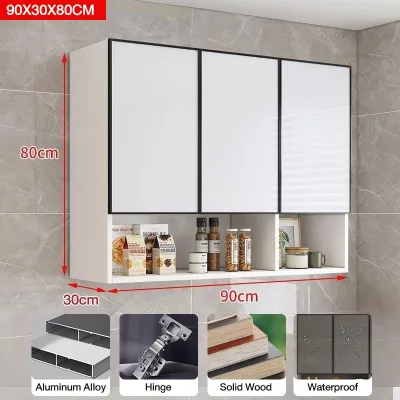
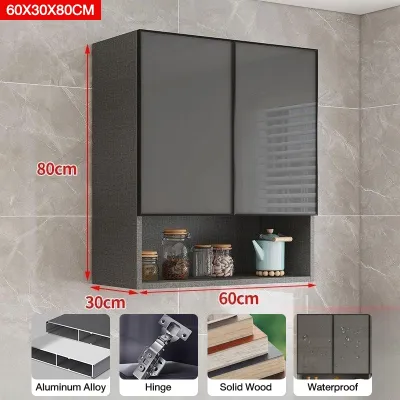
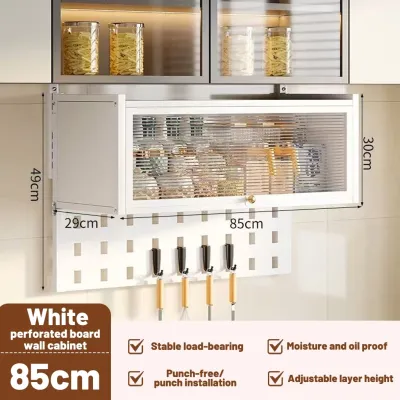
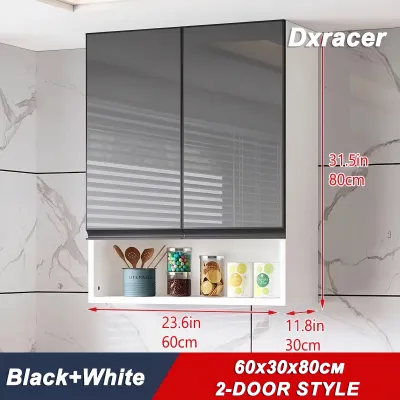
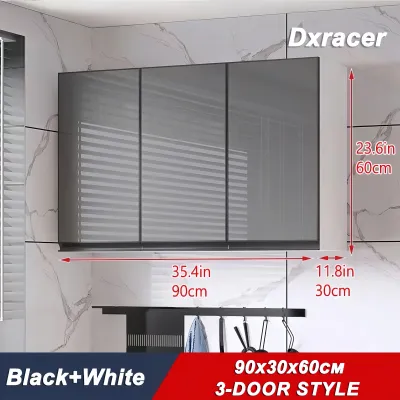
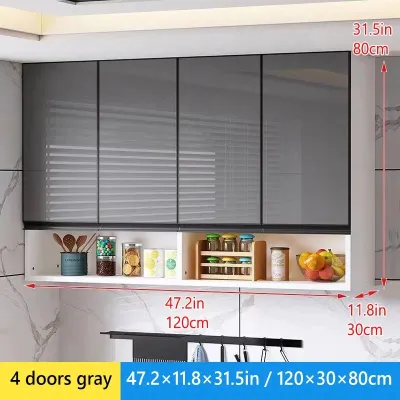
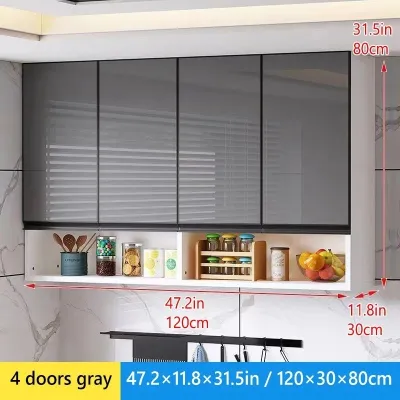
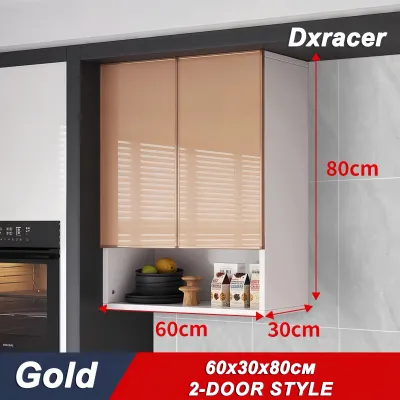
Prices are valid at publication and may change. Please refer to the product page for the latest price.
While aluminum is widely recognized for its resilience, you should always verify the specific moisture and pest resistance ratings on the manufacturer’s product labels. Do not assume all aluminum units are completely immune to water ingress; look for cabinets featuring high-quality rubber gaskets or sealed joints that prevent humid air and common household pests from entering the storage compartments.
The weight-to-strength ratio of aluminum is particularly advantageous when installing upper wall cabinets in a small kitchen. Because compact layouts rely heavily on vertical space, overhead cabinets must support a significant load of dishes, glassware, and pantry items without putting excessive stress on your walls.
Before purchasing, check the manufacturer’s specified load-bearing limits for each unit. Aluminum frames are generally lightweight, which simplifies the installation process, but the actual weight capacity depends heavily on the thickness of the metal and the design of the mounting brackets.
Acoustic and thermal properties are also critical factors to consider before committing to aluminum cabinetry. Metal surfaces naturally conduct heat and can produce a metallic clanging sound when doors are closed or items are placed inside.
To mitigate this, look for cabinets equipped with built-in sound-dampening pads, double-walled doors with insulating foam cores, or soft-close hinges. If your kitchen layout places cabinets directly adjacent to high-heat appliances like ovens or cooktops, verify that the cabinet’s exterior finish is rated for thermal exposure to prevent discoloration or warping over time.
While aluminum offers excellent durability, there are specific scenarios where alternative materials might serve your kitchen better. For instance, if your cooking style involves heavy, high-impact food preparation—such as frequent chopping or pounding on the countertops—a solid wood or reinforced marine plywood base structure might offer better shock absorption.
Additionally, if your home’s interior design leans strictly toward a traditional or rustic aesthetic, the sleek, industrial look of aluminum might feel out of place unless you opt for specialized wood-grain powder coatings, which often come at a premium.
Space-Maximizing Configurations and Mobile Options
To make the most of a limited kitchen footprint, you must look beyond standard swing-door cabinets and explore configurations designed specifically for tight spaces. Vertical storage solutions are highly effective for drawing the eye upward and utilizing underused wall areas.

Tall, narrow pull-out pantry units made of aluminum can slide into slim gaps between appliances, providing multi-tiered storage for spices, canned goods, and condiments. When planning overhead racks or tall cabinets, always measure your ceiling clearance to ensure there is sufficient space for installation and that top shelves remain accessible.
Corner areas in small L-shaped or U-shaped kitchens are notoriously difficult to utilize, often becoming dead space where items are forgotten. To solve this, evaluate aluminum corner cabinets equipped with specialized pull-out mechanisms, such as lazy Susans, magic corners, or kidney-shaped swing-out trays.
These hardware systems allow you to access the deep recesses of the cabinet without having to reach blindly into a dark corner. Ensure that the internal shelving and rotating mechanisms are constructed from sturdy, rust-resistant materials that can handle the weight of heavy pots and pans.
For kitchens that require flexible workspaces, mobile kitchen carts and utility islands with aluminum frames offer an excellent alternative to fixed cabinetry. A mobile cart can serve as an extra prep surface, a coffee station, or temporary storage that you can easily roll out of the way when hosting guests or cleaning.
When shopping for a mobile unit, pay close attention to the footprint dimensions to ensure it does not block primary walkways. More importantly, inspect the wheel locking mechanisms; high-quality, heavy-duty casters with reliable locks are essential to keep the cart completely stable while you are chopping ingredients or operating small appliances.
Matching your cabinet configuration to your specific kitchen layout is key to maintaining an efficient workflow. In a narrow galley kitchen, prioritize sliding cabinet doors instead of swing-out doors to keep the central walkway clear even when you are retrieving items.
For single-wall kitchen setups, maximize vertical space by extending aluminum overhead cabinets all the way to the ceiling, using the highest shelves for seasonal or rarely used items. If you have an open-plan studio apartment, a low-profile aluminum console or a cart can act as a subtle visual divider between your cooking and living areas while adding valuable storage.
Pre-Purchase Measurement and Installation Checklist
A successful kitchen upgrade depends entirely on the accuracy of your initial measurements and a clear understanding of your home’s structural layout. Before browsing online marketplaces or visiting local showrooms, use a reliable tape measure to record the exact dimensions of your kitchen floor and walls.
Do not rely on general floor plans, as actual built dimensions often vary. Be sure to account for the thickness of baseboards, the location of electrical outlets, light switches, gas lines, and plumbing connections. Leaving a small clearance gap around appliances is crucial to prevent heat buildup and ensure proper ventilation.
Logistical access is another frequently overlooked aspect of purchasing new cabinetry, especially for those living in high-rise condominiums or tight urban neighborhoods. Before ordering fully assembled aluminum cabinets, verify the delivery route from the unloading zone to your kitchen.
Measure the width and height of all doorways, corridors, stairwells, and elevator cabins. If a pre-assembled cabinet cannot clear a tight turn in your stairwell or fit inside the building’s service elevator, you may need to opt for flat-pack units that can be assembled directly inside your home.
The structural integrity of your kitchen walls is paramount when installing heavy overhead storage. Aluminum cabinets, while lighter than some solid wood alternatives, still exert significant downward and outward force when fully loaded with kitchenware.
Identify the wall type in your kitchen; concrete, hollow block, and drywall structures require completely different anchoring systems. For drywall or light partition walls, locate the internal studs using a stud finder to ensure the mounting screws anchor into solid structural members rather than just the plasterboard.
Knowing when to transition from a DIY approach to hiring a qualified professional can save you from costly structural damage or safety hazards. If your installation requires modifying load-bearing walls, rerouting copper gas pipes, or extending plumbing lines to accommodate a new sink module, always consult a licensed contractor or plumber.
Professional installers have the specialized tools and experience to ensure that your aluminum cabinets are perfectly level, securely anchored, and aligned with your existing utility connections, preventing future alignment issues or water leaks.
Evaluating Build Quality and Hardware
The longevity of your kitchen cabinets is determined by the quality of their construction and the durability of their moving parts. When inspecting aluminum cabinets in person, pay close attention to the joint connections and corner brackets.
High-quality units typically feature welded joints or heavy-duty mechanical fasteners that prevent the frame from twisting or sagging over time. Avoid cabinets with visible gaps at the seams, rough welds, or flimsy plastic corner connectors, as these are common failure points under heavy daily use.
The thickness of the aluminum sheets used in the cabinet panels directly influences their structural rigidity and resistance to impact. This thickness, often referred to as the gauge, should be clearly stated on the product specification sheet or label.
Thicker aluminum panels are less prone to flexing when pressed and offer better resistance to accidental dents from pots and pans. If the manufacturer does not list the exact gauge, you can perform a simple manual check by gently pressing the center of a cabinet panel; a high-quality unit should feel solid and exhibit minimal deflection.
Hardware components like drawer slides and door hinges are the hardest-working parts of any kitchen, making their quality non-negotiable. Test the operation of all drawers and doors to ensure they glide smoothly without catching, grinding, or making excessive noise.
Look for cabinets equipped with soft-close hinges and full-extension drawer slides, which prevent slamming and allow you to access the very back of your drawers easily. Always check the manufacturer’s weight capacity ratings for individual drawers to ensure they can safely support your cutlery, heavy cast-iron pans, or small appliances.
Finally, examine the surface finish of the aluminum to ensure it can withstand the harsh environment of a busy kitchen. Powder-coated and anodized finishes are highly popular because they provide an extra layer of protection against scratches, corrosion, and fading.
Review the manufacturer’s care instructions to understand the recommended cleaning methods. High-quality finishes should be easy to wipe clean with a damp cloth and mild soap, without requiring specialized polishing agents or risking damage from standard household kitchen cleaners.
Frequently Asked Questions (FAQ)
Do aluminum cabinets dent easily in a busy kitchen?
The dent resistance of aluminum cabinets depends largely on the thickness of the metal sheets and the presence of internal structural bracing. High-quality cabinets manufactured with thicker gauge aluminum and reinforced backing panels are designed to withstand the typical bumps and impacts of a busy household. To minimize the visibility of minor wear and tear, consider choosing cabinets with textured, matte, or embossed surface finishes, which naturally mask small scratches and fingerprints better than high-gloss surfaces. Always check the manufacturer’s warranty terms to see if cosmetic damage or structural deformation is covered under normal usage conditions.
Are mobile aluminum kitchen carts safe for heavy appliances?
Mobile aluminum kitchen carts can safely support heavy appliances like microwaves, ovens, or stand mixers, provided you strictly adhere to the manufacturer’s specified weight limits. Before placing any appliance on a cart, locate the maximum load capacity for both the individual shelves and the overall frame. Ensure the cart features robust, lockable caster wheels that prevent it from shifting while the appliance is in use. To maintain optimal stability and prevent the cart from becoming top-heavy, always distribute the weight evenly, placing the heaviest items on the bottom shelf and securing the wheel locks whenever the cart is stationary.
How do I maintain the finish of aluminum cabinets near the stove?
Maintaining the finish of aluminum cabinets near your cooking area requires regular, gentle cleaning to prevent grease and soot from baking onto the surface. Always follow the specific cleaning guidelines provided in your product manual, which typically recommend using a soft microfiber cloth, warm water, and a mild, non-abrasive dish soap. Avoid using steel wool, abrasive scrubbing pads, or harsh chemical cleaners containing bleach or ammonia, as these can scratch or degrade the protective powder-coated or anodized finish. Periodically check the areas around hinges and handles for grease buildup, wiping them down promptly to ensure smooth mechanical operation.
Community discussion
Share your experience or ask a question. Comments are reviewed before publication.