
Choosing a durable kitchen sink cabinet aluminum setup is one of the most practical decisions you can make when designing or renovating a home in the Philippines. The kitchen sink area is constantly exposed to water, food preparation waste, and high humidity, making material selection critical for long-term durability. While traditional wood or medium-density fiberboard (MDF) cabinets often swell, rot, or attract pests in tropical climates, aluminum offers a highly resilient alternative that withstands the daily rigors of a busy household.
To find the best aluminum kitchen sink cabinet, you must look beyond brand names and focus on structural configurations, material quality, and installation requirements. The ideal unit for your home depends on whether you are fitting a compact condo kitchen, a spacious multi-generational cooking area, or a semi-outdoor “dirty kitchen” where heavy-duty washing takes place. By evaluating structural frame thickness, joint construction, and hardware compatibility, you can secure a cabinet that remains stable, hygienic, and functional for decades.
Why a Kitchen Sink Cabinet of Aluminum Suits Wet Kitchen Zones
In the tropical climate of the Philippines, indoor humidity levels regularly exceed 80 percent, creating a challenging environment for household furniture. Standard wooden cabinets, particularly those made from compressed wood particles or low-grade plywood, absorb moisture from the air and from minor plumbing leaks. This absorption leads to wood swelling, warping, and the eventual delamination of protective veneers. A kitchen sink cabinet aluminum frame, by contrast, is inherently non-porous and does not absorb water, ensuring that the structural skeleton of your sink remains straight and stable regardless of moisture exposure.
Products mentioned in this guide
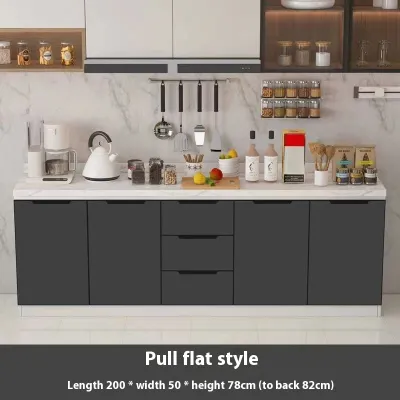
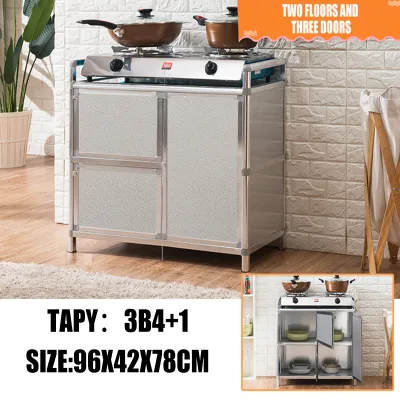
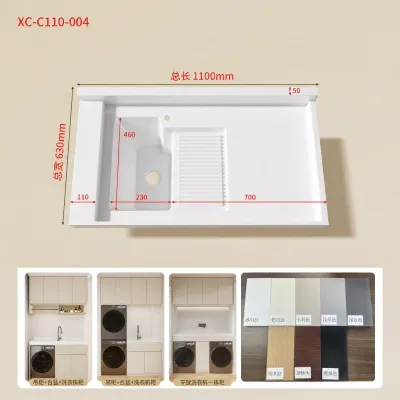
Prices are valid at publication and may change. Please refer to the product page for the latest price.
Another significant advantage of aluminum in Philippine households is its complete resistance to wood-boring pests. Termites, locally known as anay, are a persistent threat to residential structures and wooden cabinetry, often destroying the interior of wooden sink bases before any external damage becomes visible. Because aluminum contains no organic cellulose, it is entirely impervious to termite infestations and wood-boring beetles. This pest-resistant quality eliminates the need for aggressive chemical treatments under your food preparation areas, providing a safer and more hygienic environment for your family.
However, it is important to understand the physical boundaries of material performance. While individual aluminum panels and extrusions do not warp or degrade from water contact, the overall water-tightness of the cabinet system depends on assembly quality. Water can still seep through gaps between the cabinet frame and the countertop, or through poorly sealed corner joints. To prevent water pooling and mold growth inside the cabinet, the system must rely on high-grade neutral-cure silicone sealants, precise corner brackets, and professional countertop integration.
Furthermore, the non-porous nature of aluminum provides a distinct hygiene advantage. In warm, damp environments, porous materials like wood or unsealed grout can harbor mold, mildew, and bacteria, which compromise food safety. Aluminum surfaces can be wiped down and sanitized easily without risk of water damage. When properly sealed at the seams, an aluminum sink cabinet prevents stagnant moisture from trapped spills from turning into a breeding ground for pathogens.
Top Aluminum Sink Cabinet Configurations for Your Layout
When selecting or commissioning an aluminum sink cabinet, the configuration should match your cooking habits, household size, and plumbing layout. Because most high-quality aluminum cabinets in the local market are custom-fabricated or sold in modular configurations, understanding these layout options allows you to choose the most functional setup for your space.

Single Bowl with Integrated Drainboard Base
For compact kitchens, studio condominiums, or secondary outdoor cooking areas, the single bowl with an integrated drainboard base is an exceptionally efficient configuration. This setup features a single stainless steel sink basin attached directly to a sloped metal drainboard, all supported by a streamlined aluminum cabinet frame underneath. The integrated drainboard allows washed dishes, pots, and vegetables to drip-dry directly into the sink, keeping water off the surrounding countertop surfaces.
- Space-Saving Efficiency: By combining the washing basin and the drying rack into a single continuous top unit, this configuration frees up valuable counter space for food prep appliances or cutting boards.
- Plumbing Simplicity: With only one drain outlet, the under-sink plumbing is straightforward, requiring fewer fittings and reducing the potential points of future leaks.
- Storage Trade-offs: The sloped design of the drainboard occupies some of the vertical clearance inside the cabinet directly beneath it. Before purchasing, verify that the remaining internal height is sufficient to accommodate your P-trap, flexible hoses, or any water filtration cartridges you plan to install.
Double Bowl with Full Under-Sink Storage
For active family kitchens where heavy meal preparation and high-volume dishwashing occur daily, a double-bowl configuration with full under-sink storage is highly recommended. This setup provides two independent sink basins, allowing you to wash raw ingredients on one side while soaking dirty cookware on the other. The supporting aluminum cabinet spans the entire width of both basins, offering a large, continuous storage volume underneath.
- Maximizing Storage Volume: The wide double doors of this cabinet provide easy access to a spacious interior, ideal for storing heavy cleaning basins (locally known as palangganas), bulk dishwashing liquids, trash bins, and water filtration systems.
- Plumbing Considerations: A double-bowl sink requires a more complex drainage network, typically involving a dual-run waste pipe connected to a single P-trap. Ensure the aluminum cabinet's internal structural crossbars or middle dividers do not obstruct the path of these pipes.
- Adjustable Shelving: Because plumbing configurations vary widely, look for cabinets that feature adjustable or removable internal aluminum shelves. This flexibility allows you to route drain pipes freely without sacrificing storage organization.
L-Shaped or Corner Sink Cabinets
In L-shaped or U-shaped kitchen layouts, the corner area often becomes a dead zone that is difficult to access and utilize effectively. An L-shaped or corner aluminum sink cabinet solves this problem by placing the sink basin directly in the corner, turning a awkward space into the primary washing hub of the kitchen. Because of the complex angles involved, these cabinets are typically custom-fabricated by local glass and aluminum specialists.
- Optimizing Dead Space: Positioning the sink in the corner maximizes the continuous counter space available on either side for food preparation and cooking appliances.
- Specialized Hardware Requirements: To make the deep, angled interior of a corner cabinet accessible, the cabinet doors must be fitted with specialized hardware. Request 135-degree or 170-degree wide-opening hinges, bi-fold door mechanisms, or internal pull-out carousel shelves.
- Structural Joinery Verification: Corner configurations experience multi-directional physical stresses, especially when supporting heavy stone countertops. You must verify that the fabricator uses reinforced corner gussets and heavy-duty aluminum brackets to prevent the frame from sagging or shifting over time.
Key Quality Checks Before Buying or Commissioning
Because aluminum kitchen cabinets are available from a wide variety of sources—including local fabrication shops, specialty home improvement stores, and online marketplaces—quality can vary significantly. Use this technical checklist to evaluate the structural integrity and safety of any unit before making a purchase.
Panel Thickness and Structural Framing
The load-bearing capacity of an aluminum cabinet is determined by the thickness and design of its structural frame extrusions. Heavy countertop materials such as natural granite, marble, or engineered quartz place immense downward pressure on the cabinet walls. If the aluminum frame is too thin, it will buckle or warp under the weight, potentially cracking your expensive stone countertop.
- Request Technical Specifications: Do not rely on visual inspections alone. Ask the supplier or fabricator for the exact thickness of the aluminum profiles. For structural frames supporting stone countertops, the extrusion wall thickness should ideally be between 1.2mm and 2.0mm.
- Inspect Internal Ribbing: High-quality structural aluminum profiles feature internal reinforcing ribs within the hollow chamber of the extrusion. These ribs significantly increase the profile's resistance to bending and twisting.
- Avoid Thin Cladding Panels: While the cabinet doors and side panels can be thinner (often made of 3mm to 4mm Aluminum Composite Panels or ACP), the load-bearing frame must be rigid. Hollow, thin-walled frames without internal reinforcement are prone to denting from accidental kicks or impact from heavy pots.
Surface Finishes and Edge Treatment
The surface finish of your aluminum cabinet affects both its long-term aesthetic appeal and its resistance to physical wear. Raw aluminum oxidizes over time, developing a dull gray film. Therefore, the metal must be treated with a high-quality protective coating.
- Powder-Coated Finishes: This process involves applying a dry plastic powder to the aluminum and baking it in an oven to form a hard, continuous skin. Powder coating offers excellent scratch resistance, is easy to clean, and is available in a wide range of colors, including charcoal gray, clean white, and realistic wood-grain patterns that match traditional home interiors.
- Anodized Finishes: This electrochemical process thickens the natural oxide layer on the aluminum surface, creating a highly durable, metallic finish. Anodized aluminum is exceptionally resistant to corrosion, making it an excellent choice for coastal areas in the Philippines where salty sea air can accelerate metal degradation.
- Safety and Edge Quality: Run your hands carefully along the edges, corners, and door handles of the cabinet. High-quality fabricators deburr all cut edges, apply protective plastic or rubber end caps, or perform smooth welds. Sharp, unfinished aluminum edges present a serious cut hazard during daily use and cleaning.
Hardware and Hinge Compatibility
The moving parts of a cabinet are almost always the first components to fail. In the wet, humid environment of a kitchen sink cabinet, hardware selection is even more critical due to a chemical phenomenon known as galvanic corrosion.
- Preventing Galvanic Corrosion: When two dissimilar metals—such as carbon steel screws and aluminum—come into contact in the presence of moisture, an electrochemical reaction occurs that rapidly corrodes the weaker metal. To prevent this, ensure that all assembly screws, fasteners, hinges, and drawer slides are made of high-grade stainless steel (such as SUS 304).
- Hinge Quality: Open and close the cabinet doors repeatedly. Look for heavy-duty, hydraulic soft-close hinges that prevent the lightweight aluminum doors from slamming. The hinges should be securely fastened to the aluminum frame with stainless steel rivets or specialized thread-tapping screws that do not strip the metal.
- Drawer Slide Smoothness: If the cabinet configuration includes pull-out drawers or wire baskets, test the slides under load. The slides should operate smoothly without binding, grinding, or shaking the cabinet frame.
Pre-Installation and Space Planning Checklist
Proper preparation before your aluminum kitchen sink cabinet arrives ensures a seamless installation and prevents costly modifications. Because aluminum is highly rigid and difficult to alter on-site compared to wood, precise planning is essential.
- Take Precise Measurements: Measure the available floor space width, depth, and height. Factor in the swing clearance of the cabinet doors to ensure they do not strike nearby appliances, walls, or entryways. Mark the exact locations where the hot and cold water supply lines, shut-off valves, and the main sewer drain pipe exit the wall or floor.
- Verify Floor Leveling: Unlike wooden cabinets, which can be shaved or shimmed easily, rigid aluminum frames do not flex to accommodate sloped or uneven floors. If placed on an uneven surface, the cabinet will rock, putting stress on the countertop joints and breaking the watertight silicone seal. Check the floor with a spirit level. Ensure your cabinet includes adjustable leveling feet (preferably made of heavy-duty plastic or stainless steel) so you can level the unit precisely on your kitchen tiles.
- Coordinate Countertop Details: If you are installing a custom stone, solid-surface, or concrete countertop, coordinate closely with both the stone fabricator and the cabinet installer. Provide the exact sink cutout template and the sink's physical weight specifications to the cabinet fabricator before the aluminum frame is finalized. If you are using an under-mount sink, the aluminum frame must be engineered with dedicated internal support brackets to carry the weight of the water-filled basin independently of the countertop adhesive.
- Perform Clearance and Access Checks: Aluminum sink cabinets are often delivered as fully welded, single-piece structural units to ensure maximum strength. Measure the narrowest points of your home's entry path, including main doors, hallways, tight corners, stairwells, and elevator doors (especially in high-rise condominiums). Ensure the fully assembled cabinet can physical pass through these spaces without requiring structural disassembly.
Frequently Asked Questions (FAQ)
Can I install an aluminum sink cabinet over existing tiles?
Yes, you can install an aluminum sink cabinet directly over existing floor tiles. This is a common practice in kitchen renovations. Before installation, inspect the existing tiles to ensure they are structurally sound, flat, and free of major cracks or hollow spots that could fail under the concentrated weight of the cabinet and countertop. Use a spirit level to assess the floor’s slope. If the tiles are uneven, utilize the cabinet’s adjustable leveling feet to stabilize the frame, or place a durable, waterproof rubber sub-base beneath the contact points to distribute the load evenly and protect the tiles from scratching.
Does aluminum dent easily under heavy kitchen use?
While thin, decorative aluminum sheets used in low-end furniture can dent under moderate impact, the structural aluminum extrusions and composite panels used in high-quality kitchen cabinets are highly resilient. To ensure your cabinet can withstand heavy daily kitchen use—such as accidental impacts from heavy cast-iron pans, pressure cookers, or large clay pots (palayoks)—always verify the material specifications. Look for a structural frame thickness of at least 1.2mm and double-walled door panels or high-impact Aluminum Composite Panels (ACP) that absorb daily wear without denting.
How do I clean and maintain the aluminum finish?
Maintaining an aluminum kitchen cabinet is straightforward and requires minimal effort. For routine cleaning, wipe the surfaces with a soft microfiber cloth dampened with warm water and a mild, non-abrasive dishwashing liquid. Avoid using harsh chemical cleaners, bleach, ammonia, or muriatic acid, as these substances can chemically react with and strip the protective powder coating or anodized layer. Never use abrasive cleaning pads, steel wool, or scouring powders, which create micro-scratches on the surface that can trap dirt, compromise the finish, and make the cabinet more difficult to clean over time.
Community discussion
Share your experience or ask a question. Comments are reviewed before publication.