
Finding the best aluminum kitchen wall cabinets in the Philippines requires looking beyond aesthetic appeal to evaluate structural integrity, hardware quality, and installation safety. In a tropical climate characterized by high humidity, salt-laden air in coastal regions, and persistent pest challenges, aluminum has emerged as a highly practical alternative to traditional wood or medium-density fiberboard (MDF). However, selecting the ideal unit for your home is not as simple as choosing any product labeled “aluminum.” A truly reliable wall cabinet must feature robust panel thickness, high-grade surface treatments, and dependable hardware that can withstand daily wear and tear. By focusing on a systematic evaluation of your kitchen’s physical space, wall composition, and storage needs, you can secure a durable setup that keeps your cooking area organized and clutter-free.
To make an informed investment, you must understand how these cabinets are constructed and how they perform under real-world conditions. Many homeowners assume that all metal cabinets offer identical performance, but variations in manufacturing standards can lead to vastly different outcomes in terms of longevity and safety. This guide establishes a clear framework for assessing aluminum wall cabinets, helping you navigate dimensions, load capacities, installation requirements, and maintenance routines so you can choose a storage solution that perfectly matches your household’s daily demands.
Evaluating Aluminum for Kitchen Storage: Realistic Benefits and Limitations
When comparing kitchen cabinet materials, aluminum offers distinct advantages in terms of moisture resistance and weight. Unlike solid wood, which can warp, swell, or rot when exposed to steam and water splashes, aluminum remains structurally stable in wet environments. This makes it exceptionally well-suited for areas directly above the kitchen sink or near cooking ranges where steam is constantly generated. Furthermore, unlike MDF or particleboard, aluminum is completely impervious to termites and wood-boring insects, which are common household pests in many parts of the Philippines. Its lightweight nature also reduces the dead load on your walls compared to heavy solid wood cabinetry, making it an attractive option for modern residential structures.
Products mentioned in this guide
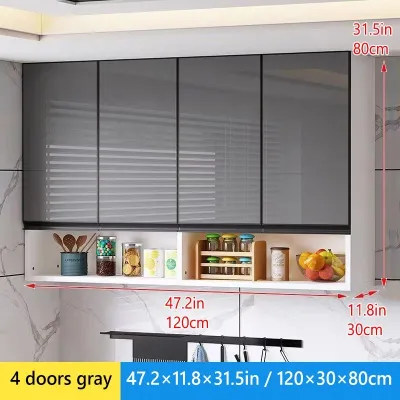
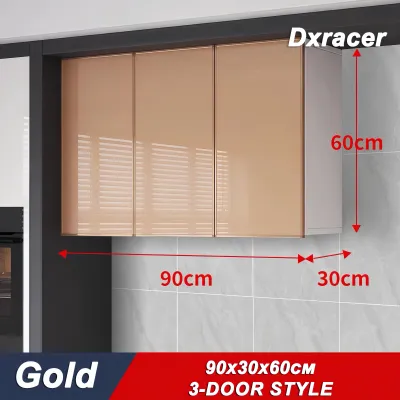
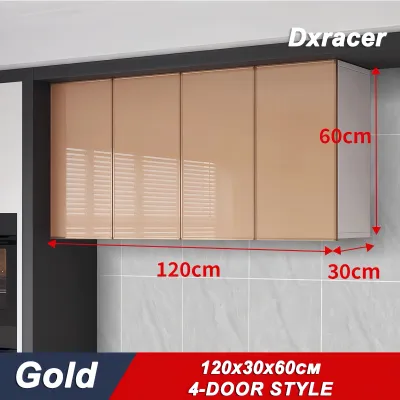
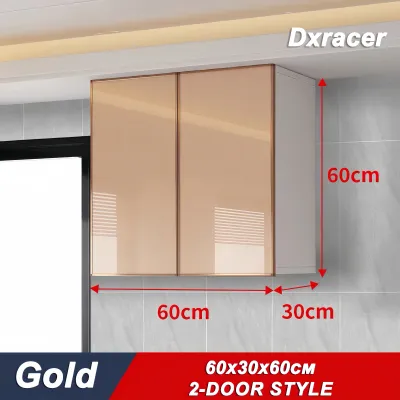
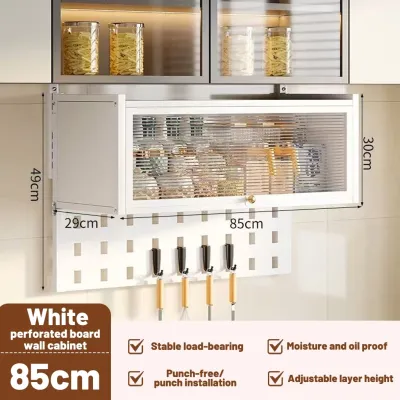
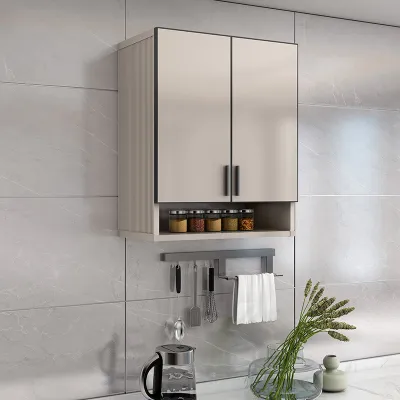
Prices are valid at publication and may change. Please refer to the product page for the latest price.
However, the term “aluminum” does not automatically guarantee that a cabinet is completely rust-proof, dent-proof, or immune to wear. The actual performance of the cabinet depends heavily on the specific alloy grade used, the thickness of the metal sheets, and the quality of the surface treatment. Raw, untreated aluminum can oxidize over time, developing a dull white powder on its surface when exposed to moisture and salt air. To prevent this, high-quality cabinets utilize anodized or powder-coated finishes. Powder coating not only adds a layer of protection against corrosion but also allows for a variety of colors and textures, including wood-grain finishes that mimic traditional cabinetry. If the coating is too thin or poorly applied, it can chip or scratch, exposing the underlying metal to the elements.
Additionally, while aluminum is highly durable, thin-gauge panels are susceptible to denting if struck by heavy pots, pans, or kitchen utensils. This material also lacks the natural sound-dampening properties of wood, meaning that doors and drawers can produce a metallic clatter if they are not fitted with proper dampening pads or soft-close mechanisms. While aluminum wall cabinets excel at storing lightweight to medium-weight items like glassware, spices, and dry goods, they may require internal structural reinforcement or thicker frame profiles if you plan to store heavy ceramic dinnerware or small kitchen appliances. Understanding these material characteristics allows you to set realistic expectations and select a cabinet design that compensates for these natural limitations.
Space Planning and Dimension Checks Before Purchasing
Before browsing online marketplaces or visiting local home improvement stores, precise measurement of your kitchen space is essential to avoid costly installation errors. Begin by measuring the total width and height of the wall section where you plan to mount the cabinets. It is crucial to account for the vertical clearance between your kitchen countertop and the bottom of the wall cabinets. Standard ergonomic guidelines suggest maintaining a clearance of at least 45 to 60 centimeters. This gap ensures you have sufficient workspace on the countertop for food preparation and prevents the cabinets from obstructing your view or interfering with small appliances like rice cookers, blenders, or coffee makers.

In addition to the main wall dimensions, you must consider the depth of the cabinets. Standard wall cabinets typically range from 30 to 35 centimeters in depth, which is shallower than base cabinets. This depth difference is intentional; it prevents you from bumping your head while working at the countertop while still providing ample space for standard-sized dinner plates and bowls. If you choose a deeper cabinet, ensure that it does not block natural light from windows or interfere with overhead light fixtures. You should also measure the swing radius of the cabinet doors to ensure they can open fully without hitting adjacent walls, range hoods, or light pendants.
Equally important is planning the delivery and transport path within your home. Many condominiums and subdivisions in the Philippines have strict regulations regarding delivery sizes, and narrow stairwells, tight hallway corners, or compact elevator cabins can prevent fully assembled cabinets from reaching your kitchen. Always measure the clearance of your doorways, entry passages, and lift doors before finalizing your purchase. If your access routes are particularly tight, look for modular or flat-pack aluminum cabinets that can be assembled directly inside your kitchen, ensuring a smooth and hassle-free installation process.
Finally, evaluate the internal storage configuration of the cabinet against your actual kitchen inventory. Look for units that offer adjustable shelving options rather than fixed shelves. Adjustable brackets allow you to customize the interior height to accommodate tall items like oil bottles, pitchers, or stacked mixing bowls. If you plan to store delicate glassware, consider cabinets with divided compartments or integrated plate racks that prevent items from sliding around and clinking against the metal interior when the doors are opened or closed.
Assessing Build Quality, Hardware, and Load Capacity
The longevity of an aluminum kitchen cabinet is determined by its build quality and the caliber of its hardware. When inspecting a cabinet, pay close attention to the thickness of the aluminum panels and the sturdiness of the frame. High-quality units typically feature a rigid aluminum extrusion frame that supports thinner infill panels. Press gently on the center of the side and back panels; if the metal flexes easily or feels flimsy, the cabinet may be prone to denting and vibrating during use. Examine the joints and corners of the cabinet box. Welded joints or those secured with heavy-duty stainless steel rivets offer superior stability compared to joints held together by thin screws, which can loosen over time due to the vibrations of daily kitchen activity.
Hardware is the most common failure point in any kitchen cabinet, making it a critical area of inspection. Because aluminum doors are lightweight, they require high-quality hinges to remain aligned and operate smoothly. Look for hydraulic, soft-close hinges made of stainless steel or brass, which prevent the doors from slamming shut and causing loud metallic noises. These hinges should also offer multi-way adjustability, allowing you to realign the doors easily if they begin to sag over time. If the cabinet includes drawers or pull-out trays, test the drawer slides. Ball-bearing drawer runners made of corrosion-resistant materials ensure smooth, quiet operation even when the drawers are fully loaded.
Load capacity is another vital factor that must never be overlooked. Every manufacturer should provide a maximum weight rating for their wall cabinets, typically specified per shelf and for the entire unit. This load capacity is not solely a function of the aluminum panels; it depends heavily on the design of the internal shelf brackets and the structural reinforcement of the cabinet’s back panel. Look for cabinets that feature reinforced mounting rails along the top and bottom of the back panel, as these rails distribute the weight of the cabinet and its contents evenly across the wall anchors. Never assume a cabinet can support heavy items without verifying the manufacturer’s official specifications, as overloading a wall-mounted unit poses a severe safety hazard.
Installation Requirements and Wall Safety Boundaries
Mounting cabinets on a wall requires a thorough understanding of your home’s structural composition. In the Philippines, residential walls are commonly constructed from solid concrete, hollow concrete blocks (CHB), or drywall. Each of these wall types demands a specific mounting strategy and appropriate fastening hardware. Solid concrete walls offer the highest load-bearing capacity and are ideal for supporting heavy wall cabinets, provided you use high-quality steel expansion bolts or concrete masonry anchors. Hollow block walls, which are very common in local residential construction, require specialized toggle bolts or sleeve anchors that expand inside the hollow cavities of the block to grip the wall securely.
If your kitchen walls are made of drywall or gypsum board, mounting heavy aluminum cabinets requires extreme caution. Drywall alone cannot support the weight of a loaded kitchen cabinet. In these scenarios, the mounting screws must be anchored directly into the wooden or metal wall studs behind the drywall. If the studs do not align with your cabinet’s mounting points, you must install a solid wood or metal backing plate behind the drywall to distribute the weight safely. For tiled kitchen walls, such as those with ceramic or porcelain backsplashes, you must use specialized diamond-tipped drill bits to penetrate the tile without cracking it before drilling into the underlying concrete or stud wall.
Regardless of the wall type, you must strictly adhere to the manufacturer’s installation manual and use the exact size and type of fasteners specified. Overloading a wall-mounted cabinet or using incorrect anchors can lead to catastrophic failure, causing the cabinet to pull away from the wall and collapse, potentially leading to severe injuries and property damage. It is critical to recognize your limits when it comes to DIY installation. If you encounter crumbling plaster, hollow-sounding concrete, or if you are unsure of the wall’s internal structure and load-bearing capacity, stop the installation immediately. In such cases, consulting a qualified local contractor or structural professional is the safest and most responsible course of action.
Routine Maintenance and Surface Care
Maintaining the pristine appearance and functionality of your aluminum kitchen wall cabinets is relatively straightforward, provided you use the correct cleaning techniques. For routine cleaning, a simple solution of warm water and a mild, non-abrasive dish soap is highly effective at removing grease, food splatters, and dust. Dampen a soft microfiber cloth with the soapy water, wipe down the exterior and interior surfaces, and follow immediately with a clean, dry microfiber cloth to prevent water spots or streaks. This simple routine keeps the powder-coated or anodized finish looking bright and clean without degrading the protective surface layer.
To preserve the finish, you must avoid using harsh chemicals, acidic cleaners, or abrasive tools. Chemical solvents like acetone, paint thinner, or strong bleach can dissolve or discolor powder coatings, leaving the underlying aluminum vulnerable to oxidation. Similarly, avoid using steel wool, abrasive scrubbing sponges, or harsh scouring powders, as these will scratch the surface, creating micro-grooves that trap dirt and grease, making future cleaning much more difficult. If you encounter stubborn grease buildup, particularly near the cooking range, use a specialized non-abrasive kitchen degreaser that is explicitly labeled as safe for painted or anodized metal surfaces.
In addition to surface cleaning, perform periodic physical inspections of your cabinet hardware to ensure long-term reliability. Every six months, check the tightness of the mounting screws inside the cabinet and the screws securing the hinges to the doors and frame. If you notice any doors hanging unevenly or scraping against the frame, use a screwdriver to adjust the hinge alignment screws. Applying a small amount of silicone-based lubricant to the hinge pivots and drawer slides once a year will keep them operating smoothly and quietly, preventing premature wear and ensuring your aluminum cabinets remain a functional asset to your kitchen for many years.
Frequently Asked Questions (FAQ)
Can aluminum wall cabinets support heavy kitchen appliances?
Aluminum wall cabinets can support small to medium-sized kitchen appliances, but their ability to do so depends entirely on the cabinet’s internal structural design, shelf reinforcement, and the quality of the wall mounting hardware. The outer aluminum panels themselves do not dictate the load capacity. Before storing appliances like microwaves, heavy blenders, or large rice cookers, you must verify the exact weight limit specified in the manufacturer’s product manual or on the product label. Additionally, ensure that the shelf brackets are heavy-duty and that the cabinet is anchored securely to a solid concrete wall or structural studs to prevent sagging or wall failure.
How do I prevent dents or scratches on aluminum surfaces?
To prevent dents and scratches on your aluminum cabinets, always use soft microfiber cloths for cleaning and avoid using abrasive scrubbing pads or harsh chemical solvents. Be mindful when handling heavy metal cookware, knives, or small appliances near the cabinets, as direct impacts from sharp or heavy objects can dent the metal panels or chip the protective powder coating. Since surface treatments and coating thicknesses vary significantly by manufacturer, always consult and follow the specific care and maintenance guidelines provided with your product to ensure the finish remains protected.
Community discussion
Share your experience or ask a question. Comments are reviewed before publication.