
The rainy season in the Philippines brings relentless downpours and persistent high humidity that can quickly ruin outdoor gear. If you are looking for a reliable folded table portable to use for backyard barbecues, garage workshops, or outdoor community events, choosing the right material is the difference between a long-lasting utility piece and a rusted, unstable eyesore. While no portable table is completely maintenance-free, understanding how aluminum, steel, and plastic react to constant moisture will help you make an informed decision that stands up to the wet weather.
To answer the core question directly: aluminum and high-density plastic are the most naturally rust-resistant materials for a folding table tabletop and frame. However, because almost all portable tables rely on metal hinges, rivets, and locking mechanisms to fold flat, even a plastic or aluminum table can fail if its hardware is susceptible to corrosion. The key to finding a truly rust-resistant table lies in evaluating not just the main surface material, but also the protective coatings, joint designs, and hardware specifications before making your purchase.
How High Humidity and Rain Affect Table Materials
During the wet season, outdoor furniture faces near-constant relative humidity that often exceeds 80 percent, direct rainwater exposure, and rapid temperature shifts. These tropical conditions create a highly corrosive environment for metals. When moisture clings to an unprotected metal surface, it reacts with oxygen to initiate oxidation, which gradually breaks down the material’s structural integrity.
Products mentioned in this guide
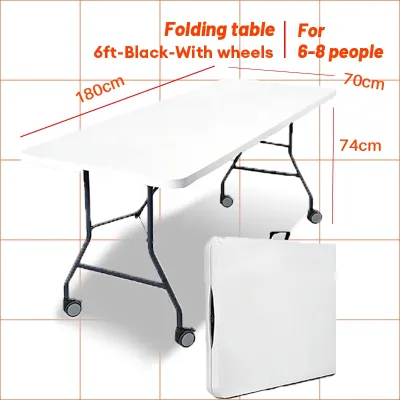
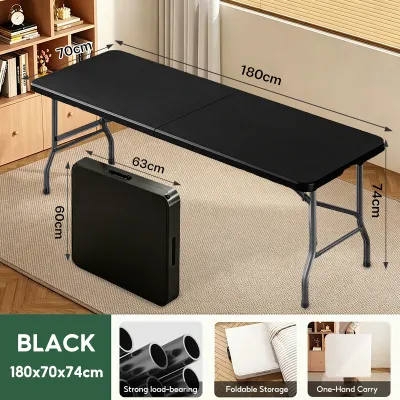
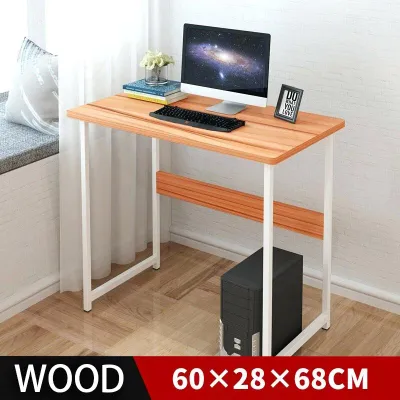
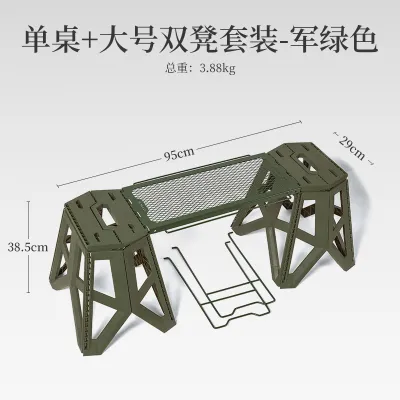
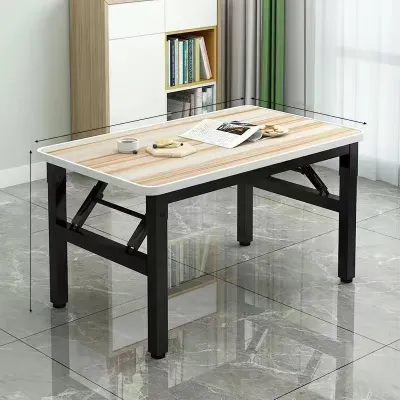
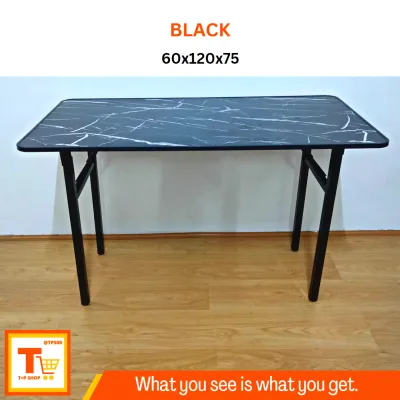
Prices are valid at publication and may change. Please refer to the product page for the latest price.
It is important to distinguish between cosmetic surface rust and deep structural corrosion. Surface rust appears as a powdery orange or brown layer that can often be wiped away if caught early, though it still stains fabrics and skin. Structural corrosion, on the other hand, eats deep into the metal, causing pitting, flaking, and eventual structural failure. For a portable table, this degradation can make the legs buckle or prevent the folding joints from locking safely.
Furthermore, the weakest link on any folded table portable is rarely the flat tabletop itself. Instead, water tends to collect in the moving parts, such as the folding hinges, locking pins, slide rings, and rivets. Because these components experience friction during setup and teardown, any protective paint or coating on them can easily scrape off, leaving the bare metal underneath highly vulnerable to moisture trapment and rapid rusting.
Evaluating Aluminum Folding Tables for Wet Conditions
Aluminum is widely regarded as one of the best materials for wet-weather gear because of its unique chemical properties. When raw aluminum is exposed to oxygen, it immediately forms a microscopic, self-limiting aluminum oxide layer on its surface. This natural barrier prevents oxygen and water from penetrating deeper into the metal, meaning that unlike steel, aluminum will not suffer from destructive red rust even when left out in a heavy downpour.

However, you should still inspect the quality of the aluminum frame and its finish before buying. Many high-quality aluminum tables feature anodized or powder-coated finishes. Anodizing is an electrochemical process that thickens the natural oxide layer, making the metal highly resistant to scratches and corrosion. Powder coating adds a baked-on polymer layer that provides an extra shield against moisture while offering a cleaner aesthetic. Inspect the frame to ensure the coating is uniform and free of bubbles or chips.
Another critical factor to check is the potential for galvanic corrosion. This occurs when aluminum comes into direct contact with a different metal, such as steel screws or rivets, in the presence of water. The moisture acts as an electrolyte, causing the aluminum to corrode rapidly around the connection points. To prevent this, look for tables that use non-conductive plastic washers, rubber spacers, or stainless steel hardware to isolate the aluminum frame from incompatible metal fasteners.
Assessing Steel Frames and Protective Finishes
Steel is highly valued for its exceptional strength, weight capacity, and structural rigidity, making it a popular choice for heavy-duty folding tables. However, bare or poorly finished carbon steel is incredibly vulnerable to rust when exposed to the humid Philippine climate. Without a robust barrier, a steel frame can begin to show signs of rust within just a few days of exposure to rain.
If you prefer the strength of a steel folded table portable, you must carefully verify the type of protective finish applied to the frame. Look for frames treated with a thick, baked-on powder coating or an electro-deposited coating (e-coating), which provides a highly durable barrier against moisture. Hot-dip galvanization, which coats the steel in a protective layer of zinc, is another excellent defense against rust, though it is less common on consumer-grade folding tables.
Beyond the surface finish, pay close attention to the construction of the steel tubes. Water can easily find its way inside hollow steel legs through open ends or unsealed joints. Once moisture is trapped inside, the steel will rust from the inside out, hidden from view until the leg suddenly snaps or collapses. Inspect the table to ensure all tube ends are securely sealed with heavy-duty plastic caps or welded shut, and check that the welded joints are smooth and fully coated without any pinholes.
Weighing Plastic and Resin Alternatives
For those who want to completely eliminate the risk of tabletop rust, plastic and resin folding tables are highly practical alternatives. Table tops made from high-density polyethylene (HDPE) or polypropylene are entirely waterproof, non-porous, and immune to rust, rot, and insect damage. They can withstand direct exposure to heavy rain without warping, swelling, or losing their structural shape, making them incredibly easy to clean after a storm.
Despite their immunity to rust, plastic tables are not entirely free from weather-related wear. When shopping, you must check if the plastic tabletop contains UV inhibitors. The intense tropical sun that often breaks through between rainy spells can degrade unprotected plastic, causing it to become brittle, fade, and develop micro-cracks. These tiny cracks can then trap dirt, mold, and moisture, making the table difficult to sanitize and weakening its overall structure over time.
Additionally, it is a common misconception that a plastic table is entirely rust-proof. While the tabletop itself cannot rust, almost all heavy-duty plastic folding tables rely on a steel underframe, steel legs, and metal hinges to provide the necessary stability and load capacity. Therefore, choosing a plastic table does not exempt you from inspecting the metal components underneath; you must still evaluate the protective coatings on the steel legs and hardware just as you would with an all-metal table.
Inspecting Hardware and Folding Mechanisms
The longevity of a folded table portable during the rainy season ultimately depends on the quality of its smallest components. The hinges, rivets, locking pins, and brackets bear the mechanical stress of folding and unfolding, making them highly susceptible to wear and tear. If these moving parts rust and seize up, the table becomes difficult or dangerous to operate, regardless of how pristine the tabletop remains.
When evaluating a table, look closely at the hardware materials. Stainless steel fasteners are the gold standard for wet environments because they contain chromium, which resists rust even when scratched. If stainless steel is not used, ensure the hardware is galvanized or treated with a thick, corrosion-resistant plating. Avoid tables with cheap, shiny zinc-plated screws that quickly dull and rust after their first exposure to moisture.
You should also check for design features that protect these vulnerable joints from direct water contact. Look for tables that incorporate plastic sleeves, rubber grommets, or sealed brass bushings around pivot points. These components minimize metal-on-metal friction—which scrapes away protective coatings—and help seal out water. Additionally, ensure that locking pins and sliding rings operate smoothly without scraping against the painted frame, as repeated scraping will inevitably expose bare metal to the humid air.
Seasonal Maintenance and Storage Practices
Even the most weather-resistant folding table requires proper care to survive consecutive months of heavy rain and high humidity. Establishing a simple maintenance routine will significantly extend the lifespan of your furniture and keep it looking clean. After using your table outdoors, always wipe down the entire surface, frame, and underside with a dry microfiber cloth to remove pooled rainwater, dirt, and organic debris.
Never fold and store a wet or damp table. Folding the table traps moisture inside the joints, hinges, and hollow legs, creating a humid microclimate that accelerates rust formation even on treated metals. Allow the table to air-dry completely in a well-ventilated area before folding it up. When storing the table for the season, keep it in an elevated, dry indoor space, such as a closet, garage shelf, or utility room. Avoid storing it directly on damp concrete floors or in areas prone to roof leaks.
Regularly inspect your folding table for any signs of wear, especially at the joints and along the bottom of the legs. If you notice minor scratches, chips, or scrapes in the powder coating or paint, address them immediately. Clean the affected area, gently sand away any early surface rust, and apply a matching touch-up paint or a thin coat of a rust-inhibiting spray. This simple preventive step seals the metal once again, stopping rust from spreading beneath the surrounding finish.
Frequently Asked Questions (FAQ)
Can I leave a powder-coated steel table outside during light rain?
While a high-quality powder coating provides excellent temporary protection against water, you should avoid leaving a steel folding table outside during rain for extended periods. Over time, rainwater can pool in joints, screw holes, or micro-scratches in the finish, eventually penetrating the coating and reaching the steel underneath. To preserve the frame’s integrity, it is best to dry the table and bring it indoors or place it under a solid, waterproof cover immediately after use.
How do I remove early-stage surface rust from table hinges?
To remove light surface rust from folding hinges, scrub the affected area gently with a soft-bristled brush dipped in mild soapy water or a baking soda paste. Avoid using harsh steel wool, which can scratch the surrounding protective finish and expose more bare metal. Once the rust is removed, rinse the area, dry it thoroughly, and apply a light coat of household lubricant or rust inhibitor to protect the moving parts. If the rust has deeply pitted the metal or compromised the hinge’s structural strength, stop using the table and consult the manufacturer.
Are plastic folding tables stable enough for heavy outdoor use?
Yes, many plastic folding tables are highly stable, but their load capacity depends on the design rather than just the material. Look for tables with a thick, double-walled high-density polyethylene (HDPE) top that features an internal honeycomb or ribbed support structure to distribute weight evenly. Additionally, check the gauge and diameter of the steel legs and the design of the locking gravity rings. Always verify the manufacturer’s rated weight capacity label and test the leg bracing for excessive flex before placing heavy equipment on the table.
Community discussion
Share your experience or ask a question. Comments are reviewed before publication.