
When designing or renovating a kitchen in the Philippines, choosing the right cabinetry material is one of the most critical decisions you will make. The ideal choice must withstand intense tropical humidity, high ambient temperatures, daily culinary activities, and local pests like termites. While traditional wood has long been a staple of home design, modern alternatives like an aluminum cabinet for kitchen installations and industrial stainless steel have emerged as highly compelling options.
There is no single ‘best’ material for every home; instead, the right choice depends on your specific kitchen environment, cooking habits, and budget. If your home is prone to high moisture, poor ventilation, or termite infestations, aluminum offers an exceptionally durable, pest-proof, and budget-friendly solution. For homeowners prioritizing classic warmth, premium aesthetics, and endless design flexibility in a well-ventilated, climate-controlled space, wood remains a premier choice. Meanwhile, if you engage in heavy-duty, commercial-style cooking and require absolute hygiene and heat resistance, stainless steel is the gold standard. Evaluating how each material performs under daily wear and tear will guide you to the perfect fit for your household.
Durability and Climate Resistance: Surviving Heat and Moisture
The tropical climate of the Philippines presents unique challenges for kitchen furniture. High relative humidity, seasonal heavy rains, and salt-laden air in coastal regions can accelerate the degradation of low-quality materials. Kitchens are also inherently high-moisture zones due to dishwashing, boiling, and steam, making climate resistance a primary factor in material selection. Furthermore, concrete walls in local homes often retain moisture from the rainy season, transferring dampness directly to the back of adjacent cabinets and creating a breeding ground for mold.
Products mentioned in this guide
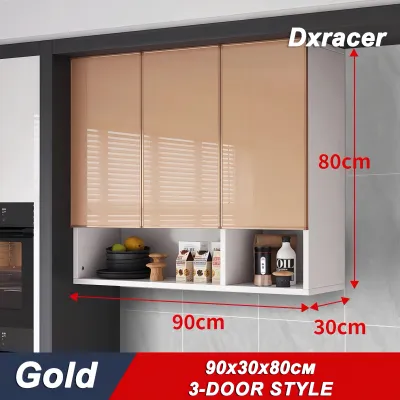
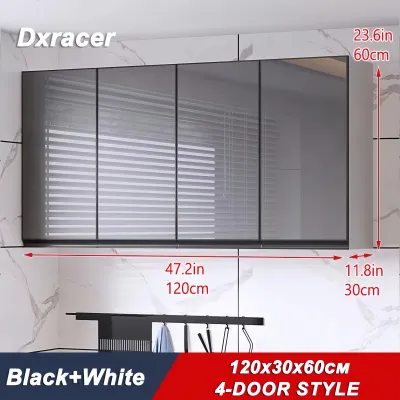
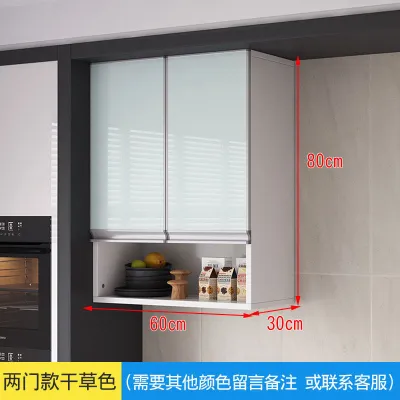
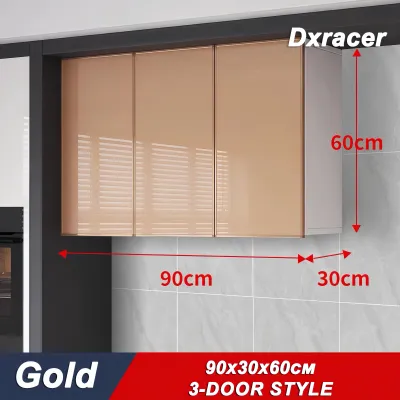
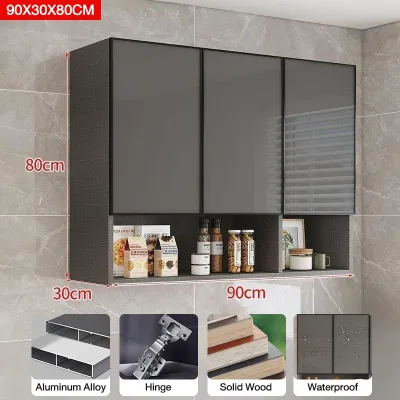
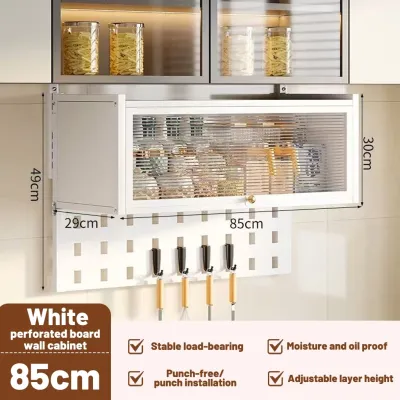
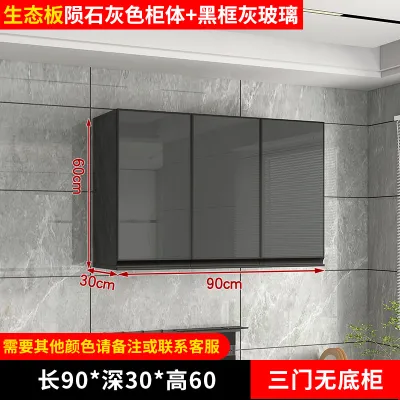
Prices are valid at publication and may change. Please refer to the product page for the latest price.
Aluminum Cabinets
An aluminum cabinet for kitchen use offers outstanding natural resistance to the elements. Unlike ferrous metals, aluminum does not rust when exposed to water, making it highly suitable for wet areas near the kitchen sink. It is also completely impervious to termites and wood-boring beetles, which are common household pests in tropical climates. This material does not warp, swell, or split when subjected to extreme humidity fluctuations.
However, the long-term durability of aluminum depends heavily on its surface treatment. Homeowners should verify whether the cabinet frames and panels are finished with high-quality powder coating or anodization. Anodized aluminum features an integrated oxide layer that resists corrosion, while powder coating provides a thick, protective color layer. Bare or poorly finished aluminum can oxidize, leading to a dull white chalky residue, or stain when exposed to highly acidic ingredients like vinegar and calamansi juice, or salty environments. Always ask suppliers about the specific finish thickness and corrosion-resistance ratings of their aluminum profiles. Additionally, check if the cabinet doors feature high-quality rubber gaskets or silicone seals along the joints to prevent water from seeping into the inner panels during heavy cleaning.
Wood Cabinets
Wood cabinets bring a classic, natural beauty to the home, but their performance in a humid climate depends heavily on the specific wood type and construction. Solid hardwoods like teak, mahogany, and tanguile offer relatively good natural resistance to moisture, but they are still organic materials that expand and contract with humidity changes. Engineered woods, such as Medium-Density Fiberboard (MDF) or standard particle board, are highly vulnerable to moisture; if water penetrates the edges, these materials can swell, crumble, and lose their structural integrity. Marine plywood is a much more robust engineered option, frequently used in local kitchens for its water-resistant glues.
To prevent warping, mold growth, and structural failure, wood cabinets must be meticulously sealed with high-grade polyurethane or marine-grade varnishes. Homeowners must also ensure the wood has undergone proper kiln-drying to minimize internal moisture content before fabrication. Additionally, because wood is a primary target for termites, regular chemical treatments and soil barriers are necessary. The back panels of wood cabinets are particularly vulnerable when pressed directly against concrete walls, as trapped moisture can cause the wood to rot from the inside out. Before purchasing, verify the manufacturer’s wood species, sealant specifications, and termite-resistance warranties to ensure the cabinetry can survive local humidity.
Stainless Steel Cabinets
Stainless steel is the ultimate material for heavy-duty robustness and structural longevity. It is completely unaffected by water, steam, and extreme heat, which is why it is the standard choice for commercial restaurant kitchens. It will not warp, rot, or support the growth of mold and mildew, making it incredibly hygienic. Termites and other pests cannot penetrate or damage stainless steel panels.
Despite its ruggedness, stainless steel is not entirely immune to corrosion. Homeowners must check the specific steel grade used in the cabinet’s construction. Grade 304 stainless steel contains chromium and nickel, providing excellent resistance to rust and corrosion in typical kitchen environments. Grade 201 is a more economical alternative but has lower nickel content, making it susceptible to tea-staining and rust when exposed to high humidity, salty air, or harsh chemical cleaners. Always check the product label or specification sheet to confirm that Grade 304 is used, especially if you live in a coastal area or plan to install the cabinets in a semi-outdoor dirty kitchen. Furthermore, verify the structural gauge (thickness) of the steel panels, as thicker gauges prevent denting when heavy pots are accidentally bumped against the cabinet doors.
Maintenance and Cleaning: Daily Upkeep for Busy Kitchens
The ease of daily upkeep is a major factor for busy households. Cooking styles that involve high-heat frying, oil splatters, and heavy spice usage require cabinet surfaces that can be cleaned quickly without degrading over time.

Aluminum and Stainless Steel Maintenance
Both aluminum and stainless steel are non-porous materials, meaning they do not absorb liquids, grease, or food stains. This characteristic makes them incredibly easy to wipe down after cooking. Spills can be cleaned with a simple solution of mild dish soap and warm water, followed by a dry cloth to prevent water spots. For oily residues common in Filipino cooking, such as grease from deep-frying fish or sautéing garlic and onions, a mild degreasing spray can be applied without damaging the metallic surface.
However, their aesthetic upkeep requires different levels of attention. Stainless steel has a reputation for showing fingerprints, smudges, and water spots very easily, particularly on polished or mirror finishes. To manage this, homeowners often choose brushed or matte finishes, which help camouflage daily marks, or use specialized stainless steel polishes to maintain a clean appearance. Aluminum is less prone to showing fingerprints but can be susceptible to surface scratches if abrasive cleaning pads, steel wool, or harsh scouring powders are used. Utilizing soft microfiber cloths is highly recommended for both metallic options to preserve their smooth surfaces and protective coatings.
Wood Maintenance
Wood cabinets require a more delicate and disciplined maintenance routine to preserve their finishes and structural integrity. Because wood is porous, spills must be wiped up immediately to prevent liquids from penetrating the protective sealant and causing permanent stains or deep-seated water damage. Acidic substances, oil, and standing water can quickly dull or strip the protective topcoat. High humidity can also cause the protective clear coat to turn cloudy, a phenomenon known as ‘blushing,’ if moisture gets trapped underneath the finish over time.
When cleaning wood cabinets, avoid harsh chemical detergents, bleach, or highly abrasive scrubbers. Instead, use a soft, damp microfiber cloth with a dedicated wood cleaner or a very mild, pH-neutral soap solution. After wiping, always dry the surfaces thoroughly with a clean towel to prevent moisture from lingering in joints, hinges, and crevices. To minimize moisture buildup, ensure your kitchen has proper ventilation, such as an active range hood to vent steam during cooking. Depending on the manufacturer’s care instructions and the kitchen’s exposure to sunlight and humidity, you may need to reapply a high-quality furniture polish, wax, or protective sealant every few years to maintain the wood’s luster and keep moisture at bay.
Cost and Budget Considerations: Evaluating Long-Term Value
When planning a kitchen renovation, budget allocation must balance initial procurement costs with long-term durability and maintenance expenses. The total investment includes not only the raw materials but also fabrication, hardware, and professional installation.
In the local market, the cost hierarchy typically places stainless steel at the premium end of the spectrum. Grade 304 stainless steel cabinets require specialized fabrication techniques, high-grade welding, and heavy-duty hardware to support the dense panels, leading to a higher upfront price. Aluminum cabinets generally occupy a highly cost-effective middle-to-high ground. While premium anodized or wood-grain finished aluminum can approach the cost of mid-range wood, basic powder-coated aluminum cabinets are often highly affordable and offer excellent value due to their near-zero maintenance costs and long lifespan.
Wood cabinetry costs vary wider than any other material. Custom solid hardwood cabinets crafted by skilled carpenters are a major investment, often matching or exceeding the price of stainless steel. On the other hand, modular cabinets made of mass-produced MDF or low-grade plywood are very inexpensive initially but carry a high risk of premature failure in humid environments.
When comparing quotes from suppliers, always request a detailed breakdown that separates the cost of the cabinet boxes (carcasses) from the door fronts, drawers, hinges, drawer slides, and installation labor. High-quality, soft-close hardware is essential for heavy metal and wood doors alike. Homeowners should evaluate the long-term financial value: investing in moisture-resistant aluminum or high-grade stainless steel can eliminate the recurring repair and replacement costs associated with water-damaged or termite-infested wood cabinets, making the metallic options highly economical over a ten-to-fifteen-year horizon. Additionally, consider installation costs, as metal cabinets often require specialized installers who understand how to level and anchor metal frames, which can be slightly more expensive upfront than hiring a general local carpenter but ensures the structural integrity of the installation.
Aesthetics and Design Flexibility: Styling an Aluminum Cabinet for Kitchen Use vs Wood and Steel
The visual appeal of your kitchen sets the tone for your entire home. The choice of cabinet material heavily influences the interior design style, whether you prefer a warm, traditional family space or a sleek, minimalist culinary studio.
Wood and Aluminum Design Options
Wood is unmatched in its ability to bring natural warmth, organic texture, and character to a kitchen. The unique grain patterns of hardwoods like oak, mahogany, or walnut create a welcoming, high-end atmosphere that synthetic materials struggle to replicate. Wood is also incredibly versatile from a design standpoint; it can be carved, routed, painted, stained, or distressed to fit traditional, rustic, transitional, or Scandinavian aesthetics. Wood can also be easily combined with glass panels to create classic display cabinets. If you decide to change your kitchen’s color scheme years down the road, wood cabinets can be sanded down and repainted or restained, offering exceptional long-term design flexibility.
Aluminum cabinets have evolved significantly from their early industrial-looking designs. Today, an aluminum cabinet for kitchen spaces can be powder-coated in an extensive array of colors, from matte black and charcoal gray to vibrant modern hues. Advanced sublimation technology also allows manufacturers to apply wood-grain finishes to aluminum panels, providing the visual illusion of natural wood combined with the structural benefits of metal. Modern aluminum frames can also incorporate tinted, frosted, or fluted glass inserts to achieve a high-end minimalist look. While these finishes look remarkably realistic from a distance, they lack the physical texture, depth, and organic warmth of genuine wood. Aluminum is ideal for modern, minimalist, and contemporary styles, featuring clean lines, slim profiles, and integrated handle designs.
Stainless Steel Aesthetics
Stainless steel delivers a distinct commercial, industrial, or ultra-modern aesthetic. It creates a sleek, professional look that mirrors high-end restaurant kitchens, conveying a sense of efficiency, cleanliness, and modern sophistication. The reflective surface of polished or brushed steel can also help bounce light around the room, making smaller kitchen spaces feel larger and brighter. Stainless steel can be paired with quartz, granite, or even matching steel countertops. Integrated sinks, welded directly to the stainless steel countertop, offer a seamless, leak-proof design that eliminates the grime-collecting lip found in traditional drop-in sinks.
However, a kitchen dominated entirely by stainless steel can easily feel visually cold, clinical, and sterile. To prevent an overly institutional atmosphere, interior designers recommend balancing stainless steel cabinets with warm elements. Integrating warm under-cabinet lighting, natural wood open shelving, warm-toned stone countertops, or colorful tiled backsplashes can soften the industrial edge of the steel and create a balanced, inviting culinary environment.
Summary Comparison: Aluminum vs Wood vs Stainless Steel
To help you synthesize these different factors, the table below compares aluminum, wood, and stainless steel across key decision dimensions. When using this table, consider your kitchen’s specific environmental conditions, such as exposure to moisture from a nearby sink, ventilation quality, and your household’s cooking style.
| Comparison Dimension | Aluminum Cabinets | Wood Cabinets | Stainless Steel Cabinets |
|---|---|---|---|
| Moisture Resistance | High | Low to Medium (Variable by wood type) | High |
| Pest Resistance | High (Termite-proof) | Low (Requires treatment) | High (Termite-proof) |
| Heat Resistance | High | Medium | High |
| Maintenance Level | Low | Medium to High | Medium |
| Aesthetic Style | Modern, Sleek, Minimalist | Warm, Traditional, Versatile | Industrial, Professional, Modern |
| General Cost Tier | Medium | Low (Engineered) to High (Solid Wood) | High |
Final Decision Framework: How to Choose Based on Your Needs
Choosing the right kitchen cabinetry involves matching the material properties to your daily lifestyle, household habits, and local environmental conditions. Use the following framework to guide your final decision:
- Choose Aluminum if: You are dealing with high humidity, a history of termite issues, or a poorly ventilated kitchen. It is also the ideal choice if you want a highly durable, low-maintenance, and rust-proof kitchen cabinet that fits a moderate budget, especially if you appreciate a clean, modern aesthetic or want a wood-look finish without the risk of rotting.
- Choose Wood if: You prioritize the genuine warmth, natural beauty, and unique grain patterns of real wood, and you want the flexibility to repaint or refinish your cabinets in the future. This option is best suited for well-ventilated, climate-controlled kitchens where moisture and humidity are actively managed, and where you can commit to regular termite prevention and gentle cleaning routines.
- Choose Stainless Steel if: You engage in heavy-duty cooking, high-heat stir-frying, or professional culinary work, and you require a kitchen that is incredibly hygienic, heat-resistant, and easy to sanitize. It is perfect if you love the sleek, industrial aesthetic and have the budget to invest in premium, long-lasting Grade 304 materials.
- Verify First if: You are uncertain about your kitchen's structural load capacity (as heavy solid wood or thick stainless steel cabinets require robust wall anchoring), or if you are renovating a high-rise condominium unit that may have specific weight, material, or delivery restrictions. Always consult with a structural engineer or professional cabinet installer to ensure your chosen material can be safely integrated into your space.
Frequently Asked Questions (FAQ)
Can aluminum cabinets withstand heavy pots and pans?
Yes, high-quality aluminum cabinets are engineered to support substantial weight. The overall load-bearing capacity does not depend solely on the material itself, but rather on the thickness of the aluminum extrusions, the internal support frame design, and the quality of the joining hardware. Before purchasing, verify the manufacturer’s specific weight-limit ratings for shelves and drawers, and ensure they use heavy-duty, soft-close drawer runners and reinforced corner joints to handle heavy cast-iron cookware.
Is it possible to mix different cabinet materials in one kitchen?
Mixing cabinet materials is an excellent and highly trendy design strategy that balances practical function with visual interest. For instance, you can install durable, easy-to-clean stainless steel or aluminum base cabinets around high-moisture sink areas and high-heat cooking zones, while using warm, stained wood cabinets for upper units or a kitchen island. To ensure a cohesive look, maintain a consistent hardware style, use a unified countertop material, and select a balanced color palette that bridges the metallic and organic textures.
How do I prevent stainless steel cabinets from looking scratched?
While minor surface scratches are an inevitable part of stainless steel’s natural aging process, you can minimize their appearance by choosing a brushed, matte, or textured finish rather than a polished mirror finish. When cleaning, always wipe gently in the direction of the metal’s grain to avoid creating cross-scratches. Avoid using abrasive sponges, steel wool, or harsh scouring powders, and protect high-traffic surfaces by using cutting boards and silicone prep mats during food preparation.
Community discussion
Share your experience or ask a question. Comments are reviewed before publication.