
Choosing the right wardrobe for your bedroom in the Philippines involves balancing style, durability, and practical performance. The local climate—characterized by high relative humidity, intense rainy seasons, and active tropical pests—places unique demands on household furniture. If you select a material that cannot withstand these conditions, you risk dealing with warped panels, stuck doors, musty odors, or even structural failure within a few years.
Neither aluminum nor wood is universally superior for every home. The ideal choice depends on your specific living environment, such as whether you reside in a ground-floor house prone to rising dampness or a well-ventilated high-rise condominium, as well as your aesthetic preferences and budget.
An aluminum wardrobe cabinet for clothes excels in moisture and pest resistance, making it highly reliable for high-humidity areas. Conversely, a traditional wood wardrobe offers superior structural warmth, excellent load-bearing capacity, and timeless design versatility. This guide breaks down the performance, cost, and installation factors of both materials to help you make an informed decision for your home.
Products mentioned in this guide
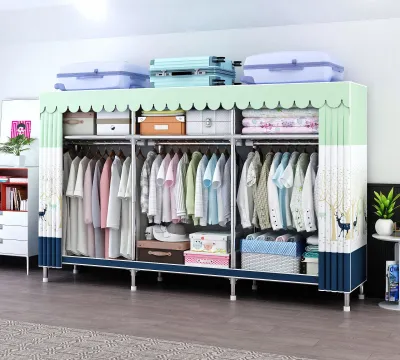
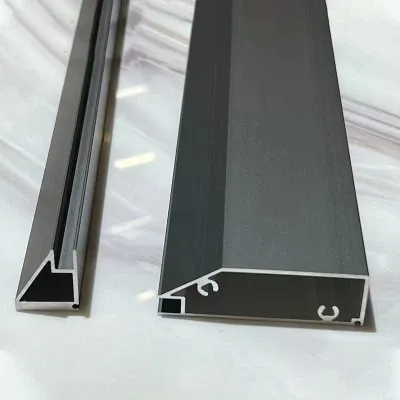

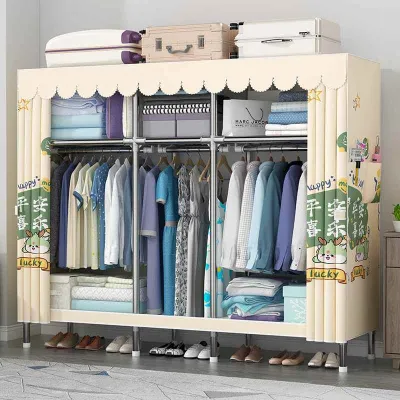
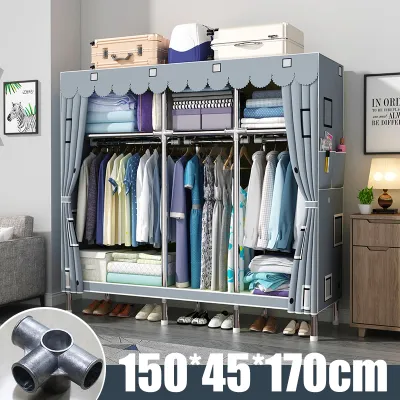
Prices are valid at publication and may change. Please refer to the product page for the latest price.
Moisture, Mold, and Pest Resistance
In the Philippines, relative humidity regularly exceeds 80 percent, especially during the wet monsoon season. This constant moisture in the air is the primary catalyst for mold growth, wood rot, and termite activity. Evaluating how both materials handle these environmental stressors is crucial for protecting your clothing investment.
Aluminum Performance
Aluminum is an inorganic, non-porous metal, meaning it does not absorb moisture from the air. It will not swell, warp, or rot, regardless of how humid your bedroom becomes. Furthermore, aluminum is completely immune to subterranean and drywood termites (anay), which are common pests in local households.
However, you must verify the quality of the finish on any metal wardrobe. Look for units featuring high-quality powder-coated finishes rather than basic painted surfaces. Powder coating chemically bonds to the metal, creating a durable barrier that prevents oxidation—which can manifest as a white, powdery residue—and protects against scratches. Ensure that all joints and seams are properly sealed during manufacturing to prevent water from trapping inside the hollow frame profiles.
Wood Performance
Wood is a hygroscopic material, meaning it naturally absorbs and releases moisture to match its surrounding environment. This characteristic varies significantly depending on whether you choose solid wood or engineered wood:
- Solid Wood: Hardwoods like local Mahogany, Acacia, or imported Teak handle moisture relatively well if they have been properly kiln-dried and sealed. However, they can still expand and contract slightly, which may cause drawers to stick or doors to misalign during periods of heavy rain.
- Engineered Wood: Materials such as Medium-Density Fiberboard (MDF), particleboard, or standard plywood are highly susceptible to moisture damage. If humid air penetrates the outer protective layer, the internal wood fibers swell, leading to irreversible warping, bubbling of the laminate, and a loss of structural integrity.
To prevent these issues, ensure any wooden wardrobe you consider features high-quality edge banding on all sides to seal out moisture. Look for protective surface coatings, such as polyurethane or marine-grade varnish, which act as effective moisture barriers.
Actionable Moisture Check
When inspecting a wardrobe, examine the back panel, the base, and the internal seams. These areas are often left unfinished or use thinner, lower-grade materials that easily absorb dampness. Ensure there is a protective coating on these hidden surfaces. When positioning your wardrobe, always maintain a clearance gap of at least 5 centimeters from exterior concrete walls to promote continuous airflow and prevent condensation buildup.
Structural Stability, Weight, and Load Capacity
A wardrobe must support the weight of your entire clothing collection, including heavy denim, jackets, bedding, and storage boxes. Overloading a poorly constructed wardrobe can lead to sagging shelves, misaligned doors, or tipping hazards.

Aluminum Stability and Load Limits
Aluminum is highly valued for its lightweight nature and excellent strength-to-weight ratio. However, because aluminum panels and frames are relatively thin, their load capacity depends entirely on the design of the extrusion profiles.
If the aluminum frame or shelf panels are too thin (less than 1.2 millimeters), they can bend or deflect under concentrated weight. When evaluating an aluminum wardrobe cabinet for clothes, check the thickness of the frame and look for reinforced crossbars or support ribs underneath the shelves. High-quality aluminum systems utilize thick-walled profiles that resist bending, but budget-friendly options may feel flimsy under heavy loads.
Wood Stability and Load Limits
Wood is naturally dense and heavy, providing excellent structural stability and high load-bearing capacity. A well-constructed wooden shelf can support substantial weight without immediate deflection, making it ideal for storing heavy winter wear, dense textiles, or stacked storage organizers.
Despite its strength, wood is subject to a phenomenon known as “creep”—a slow, progressive sagging that occurs when a shelf is subjected to constant heavy loads over a long period. To minimize this risk, avoid unsupported shelf spans wider than 80 centimeters. For wider configurations, ensure the unit includes vertical center supports or thicker wood panels (at least 18 millimeters thick) to maintain structural integrity.
Safety and Anchoring Requirements
Because wardrobes are tall and narrow, they present a potential tip-over risk, particularly when doors are opened or drawers are fully extended. This safety concern applies to both materials, though lightweight aluminum units can be easier to destabilize if they are top-heavy, while heavy wooden units pose a greater impact hazard if they fall.
Before installing your wardrobe, check your wall type. Many homes in the Philippines feature concrete hollow block (CHB) walls finished with plaster, while modern high-rise condominiums often utilize drywall partitions.
- For concrete walls, use heavy-duty masonry anchors (commonly known as plastic tox plugs) with matching screws.
- For drywall, utilize specialized toggle bolts or hollow-wall anchors that expand behind the board to distribute the weight.
Always secure tall wardrobes to the wall using anti-tip brackets, especially in households with active children or pets. If you are unsure about drilling or selecting the correct hardware, consult a qualified local handyman to perform the installation safely.
Aesthetics, Finish Options, and Bedroom Integration
Your wardrobe is one of the largest visual elements in your bedroom, meaning its material and finish will significantly influence the room’s overall design and ambiance.
Aluminum Aesthetics and Finishes
Aluminum wardrobes are often associated with sleek, modern, or industrial design styles. They feature clean lines and minimalist profiles that work exceptionally well in contemporary spaces.
Modern manufacturing has expanded the aesthetic options for metal furniture. You are no longer limited to industrial silver or basic white frames. Common finishes include:
- Wood-Grain Thermal Transfer: A sublimation process where wood patterns are baked into the powder-coated aluminum surface at high temperatures, offering the visual warmth of timber with the physical durability of metal.
- Matte Metallic Colors: Sophisticated shades such as champagne gold, charcoal grey, brushed bronze, and matte black.
- Glass Panel Integration: Aluminum frames pair beautifully with tempered glass doors (clear, frosted, or tinted), creating an elegant, open closet feel.
Keep in mind the tactile experience of metal. Aluminum has high thermal conductivity, meaning it feels cold to the touch. In an air-conditioned bedroom, this can make the furniture feel chilly, which some homeowners find less cozy than natural materials.
Wood Aesthetics and Finishes
Wood is unmatched in its ability to bring natural warmth, organic texture, and a sense of timeless comfort to a bedroom. Each piece of solid wood features unique grain patterns, knots, and color variations that develop a rich patina over time.
Wood finishes range from clear natural oils and waxes that highlight the raw grain to deep stains and protective varnishes. If you prefer a consistent color or a specific design theme, synthetic veneers and melamine laminates can mimic various wood species or provide solid, matte, or high-gloss colors. Wood pairs effortlessly with traditional, rustic, Scandinavian, or tropical design themes, adding visual weight and grounding the room’s decor.
Cost, Assembly, and Maintenance Requirements
Understanding the long-term financial commitment, installation process, and daily upkeep of each material will help you choose a wardrobe that fits your lifestyle and budget.
Price Factors
It is a common misconception that aluminum is always cheaper than wood, or vice versa. Pricing is determined by material grade, thickness, hardware quality, and customization:
- Budget Tier: Flat-pack engineered wood wardrobes (MDF or particleboard) are highly affordable but typically have the shortest lifespan in humid conditions.
- Mid-Range Tier: Standard powder-coated aluminum wardrobes and high-quality plywood units with laminate finishes offer a balance of durability and affordability.
- Premium Tier: Custom-built solid wood wardrobes (such as those made from mahogany or teak) and high-end modular aluminum systems with tempered glass doors, integrated LED lighting, and premium soft-close hardware represent a significant upfront investment.
Always compare quotes based on exact specifications—such as metal frame thickness, wood species, and hardware brands—rather than the base material alone.
Assembly and Relocation
If you live in a rental property or plan to move in the future, ease of disassembly is a critical factor:
- Modular Aluminum: These systems are typically lightweight and designed for straightforward assembly. They can be disassembled, flat-packed, and reassembled multiple times without damaging the structural joints, making them highly suitable for mobile lifestyles.
- Engineered Wood Flat-Packs: These units are notoriously difficult to relocate. The screws feed directly into compressed wood fibers; once disassembled, the screw holes often strip, leading to loose joints and a wobbly frame upon reassembly.
- Solid Wood Joinery: Traditional solid wood furniture is incredibly robust but very heavy. Relocating a solid wood wardrobe often requires moving it fully assembled, which demands significant physical effort and careful navigation through tight spaces.
Routine Maintenance
To keep your wardrobe in optimal condition, establish a regular cleaning routine based on the manufacturer’s care instructions:
- Aluminum Care: Wipe down the surfaces with a soft microfiber cloth dampened with water and a mild, non-abrasive, non-acidic soap. Avoid harsh chemical cleaners, steel wool, or abrasive scrubbing pads, which can scratch the powder-coated finish.
- Wood Care: Dust regularly with a dry, soft cloth. Avoid using excessive water, as standing moisture can penetrate the seams and cause swelling. For solid wood, apply a high-quality wood polish or wax once or twice a year to preserve the finish and prevent the wood from drying out. Always test any new cleaning product on a small, hidden area first.
Decision Framework: Which Wardrobe Should You Buy?
To finalize your decision, evaluate your specific living conditions and storage needs against the characteristics of each material.
Choose Aluminum if:
- You live in a high-humidity area: Ground-floor apartments, coastal homes, or rooms without consistent air conditioning or mechanical ventilation are highly prone to dampness.
- Termites are a known issue: If your home or neighborhood has a history of termite infestations, aluminum provides absolute peace of mind.
- You move frequently: The lightweight, modular nature of aluminum makes transportation and reassembly simple and damage-free.
- You prefer modern aesthetics: You want a sleek, minimalist look with options for integrated glass and metallic finishes.
Choose Wood if:
- You prioritize natural warmth: You want your bedroom to feel cozy, classic, and visually grounded.
- Your home is well-ventilated: You live in a climate-controlled environment or a high-rise condominium with low humidity and minimal risk of pest infestation.
- You need heavy-duty storage: You plan to store heavy winter coats, dense bedding, or weighted storage boxes that require high, long-term load capacity.
- You want a permanent fixture: You are looking for a long-term investment piece that will remain in place for many years.
Verify First if:
If you cannot decide between the two, consider hybrid options. Many modern manufacturers offer wardrobes featuring robust aluminum frames for structural stability and moisture resistance, paired with wooden drawer boxes, shelves, or door panels to maintain visual warmth. This combination allows you to leverage the strengths of both materials.
Pre-Purchase Checks: Space, Delivery, and Installation
Before finalizing your purchase, complete these essential logistical checks to ensure your new wardrobe fits your home and can be installed without complications.
Space Measurement
Measure your designated floor space and ceiling height carefully. Do not rely on visual estimates. Account for baseboards, skirting boards, crown moldings, wall switches, and electrical outlets that might prevent the wardrobe from sitting flush against the wall. If you choose a wardrobe with swing doors, ensure there is ample clearance for the doors to open fully without hitting your bed, nightstands, or doorways.
Delivery Clearance
Many homeowners purchase a wardrobe only to find it cannot fit through their front door or up the stairs. If you live in a condominium, measure the interior dimensions of the cargo elevator, the width of the corridors, and the height of the stairwell turns. Verify whether the wardrobe will deliver fully assembled or as flat-packed panels, and ensure your entryways can accommodate the packaging.
Floor and Wall Prep
Check the levelness of your floor using a spirit level. Uneven floors are common in older buildings and can cause wardrobe frames to twist slightly, resulting in misaligned doors that do not close properly or sliding doors that drift open. If your floor is uneven, look for wardrobes with adjustable leveling feet. Finally, locate the studs or verify the concrete thickness of the wall designated for anti-tip anchoring to ensure a secure, safe installation.
Frequently Asked Questions (FAQ)
Can I mix aluminum and wood in a single wardrobe?
Yes, hybrid wardrobes are a highly practical option. They often feature robust aluminum frames for structural stability and moisture resistance, combined with wooden shelves, drawers, or door panels to add aesthetic warmth. When choosing a hybrid system, verify how the two materials are joined. Ensure that high-quality, corrosion-resistant fasteners are used to prevent mechanical wear or friction damage at the connection points over time.
How do I prevent mold inside a wooden wardrobe?
To protect your wooden wardrobe in the humid Philippine climate, maintain consistent room ventilation and utilize dehumidifiers or air conditioning during the peak rainy season. Always leave a small gap of at least 5 centimeters between the back of the wardrobe and exterior walls to promote continuous airflow. Additionally, place moisture-absorbing desiccant packs or hanging dehumidifier bags inside the cabinets, and ensure you never store damp, unwashed, or sweat-stained clothing inside.
Is an aluminum wardrobe noisy when opening and closing?
The noise level of an aluminum wardrobe does not depend on the metal itself, but rather on the quality of its moving parts. High-quality aluminum wardrobe systems utilize premium hardware, including soft-close hinges, smooth sliding tracks, and rubber dampers or felt pads that absorb impact. When shopping for an aluminum wardrobe cabinet for clothes, test the doors and drawers to ensure they feature high-quality roller bearings and dampening mechanisms for quiet, smooth daily operation.
Community discussion
Share your experience or ask a question. Comments are reviewed before publication.