
Quick Answer: Aluminum vs. Wood for Tropical Humidity
Choosing between an aluminum cabinet wardrobe for clothes and a traditional wooden wardrobe in the Philippines comes down to balancing moisture resilience against aesthetic warmth. Aluminum generally offers superior resistance to high humidity, mold, and termites, making it a highly practical, low-maintenance choice for tropical homes. Conversely, wood provides classic visual appeal and superior acoustic dampening but demands active moisture management and robust protective finishes to survive the local climate long-term.
Your ideal choice ultimately depends on your room’s ventilation, your willingness to perform routine maintenance, and your design preferences. If you want a trouble-free setup in a damp or poorly ventilated room, aluminum is highly advantageous. If you prefer a classic bedroom aesthetic and have a consistent climate-control setup, wood remains a viable and elegant option.
How the Philippine Climate Impacts Wardrobe Longevity
The Philippine climate presents unique challenges for indoor furniture due to high relative humidity, prolonged monsoon seasons, and rapid temperature fluctuations. When warm, moisture-laden outdoor air enters a home, it carries water vapor that easily settles on cooler surfaces. This ambient moisture becomes trapped inside enclosed spaces like closets, creating an environment where musty odors and fungal spores thrive.
Products mentioned in this guide
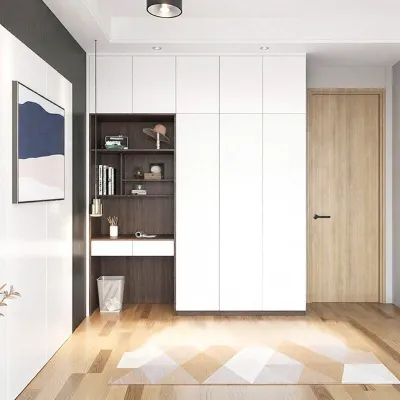
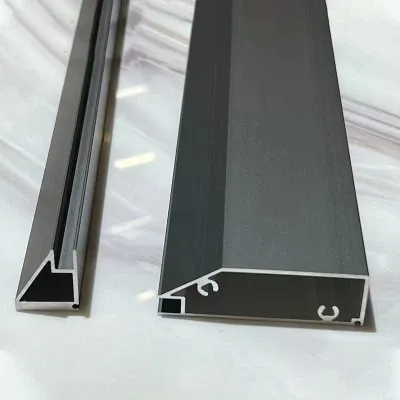
Prices are valid at publication and may change. Please refer to the product page for the latest price.

Over time, persistent dampness can lead to mold growth on fabrics, ruining expensive garments, bags, and shoes. Beyond cosmetic damage, trapped moisture causes structural degradation in susceptible furniture materials, leading to warping, joint separation, and adhesive failure.
These issues are frequently compounded by poor indoor air circulation or by placing wardrobes flush against exterior concrete walls, which tend to absorb and transfer rainwater during heavy downpours. Understanding these environmental stressors is essential when evaluating which wardrobe material can truly safeguard your clothing storage investment.
Evaluating the Aluminum Cabinet Wardrobe for Clothes: Pros and Cons
Moisture, Mold, and Termite Resistance
Aluminum is inherently non-porous, meaning it does not absorb water, swell, or warp when exposed to extreme humidity. This physical property makes an aluminum cabinet wardrobe for clothes exceptionally stable in tropical environments, as the structure remains completely unaffected by seasonal shifts in air moisture.
Furthermore, because aluminum is a metal, it offers absolutely no nutritional value to wood-boring insects, drywood termites (anay), or fungal organisms. This biological immunity eliminates the risk of sudden structural collapses or pest infestations that frequently plague wooden storage units in the Philippines.
However, the base metal’s resistance does not mean all aluminum wardrobes are completely maintenance-free. It is important to inspect the surface finish; raw or untreated aluminum can develop a powdery white oxidation layer when exposed to salty coastal air or persistent dampness. To prevent this, verify that the manufacturer has applied a high-quality powder-coated or anodized finish.
For maximum moisture protection, look for aluminum frames paired with non-porous infill panels, such as tempered glass, composite panels, or high-pressure laminates. These combinations ensure that the entire assembly remains impervious to rot and mold.
Aesthetics, Noise, and Condensation Risks
Despite its practical benefits, aluminum furniture carries distinct aesthetic and tactile trade-offs that may not suit every homeowner. The material naturally projects a more industrial, modern, or minimalist look, which can feel visually cold compared to the organic warmth of natural wood grain.
Acoustic performance is another notable consideration. Opening and closing metal doors, sliding drawers, or simply hanging metal hangers on an aluminum rod can produce metallic clanking sounds that some users find disruptive, especially in quiet bedrooms.
Additionally, aluminum is a highly conductive material, which introduces a specific risk of surface condensation. If a bedroom is heavily air-conditioned while the outdoor air remains hot and humid, the metal surfaces of the wardrobe can become cold enough to cause moisture in the air to condense on the exterior or interior panels. This “sweating” effect can transfer dampness directly onto your stored clothing.
To mitigate this risk, check if the wardrobe design incorporates thermal breaks, ventilation grilles, or interior fabric linings that help equalize temperature differentials and prevent moisture accumulation.
Wood Wardrobes: Navigating Moisture and Maintenance
Solid Wood vs. Engineered Wood in High Humidity
Wooden wardrobes remain highly popular due to their timeless beauty, solid feel, and excellent acoustic dampening, but their performance in the Philippines depends heavily on the type of wood construction used. Solid wood is a hygroscopic material, meaning it naturally absorbs and releases moisture to match its surroundings, causing it to expand during the wet season and contract during the dry season.
This natural movement can lead to practical issues, such as doors that stick in their frames, drawers that become difficult to slide, or minor joint separation over years of seasonal cycling. To minimize these issues, solid wood must be thoroughly kiln-dried, acclimated, and sealed with a high-quality moisture-barrier finish before assembly.
Engineered wood products, such as Medium-Density Fiberboard (MDF) or particleboard, are even more sensitive to localized moisture. If the protective laminate or veneer layer is breached, water can penetrate the core, causing the wood fibers to swell rapidly, crumble, and permanently lose structural integrity.
When considering engineered wood, always check for Moisture Resistant (MR) MDF or Marine Plywood labels. It is equally important to verify that all edges, including hidden back panels and drilled shelf-pin holes, are completely sealed with robust edge banding to prevent water vapor from entering the core.
Maintenance and Preventive Care
Owning a wooden wardrobe in a tropical climate requires a commitment to proactive maintenance to prevent mold outbreaks and preserve the wood’s finish. It is highly recommended to use standalone electronic dehumidifiers in the bedroom or to place moisture-absorbing desiccant canisters containing calcium chloride or silica gel inside the lower closet compartments where cool, damp air tends to settle.
Air circulation is your primary defense against fungal growth. Always maintain a clearance of at least 2 to 5 centimeters between the back of the wooden wardrobe and the wall, ensuring that air can flow freely behind the unit to prevent moisture buildup.
Avoid using wet cloths or harsh chemical cleaners during routine maintenance, as excess water can seep into joints and degrade the protective finish. Instead, wipe surfaces with a dry or slightly damp microfiber cloth, and periodically inspect the bottom panels, backboards, and interior corners for early signs of warping or white mold spots.
Verifiable Specs to Check Before You Buy
When shopping for a wardrobe, look past general marketing claims like “waterproof” or “heavy-duty” and focus on verifiable technical specifications.
For Aluminum Wardrobes:
- Profile Thickness: Ensure the aluminum frame profiles have a thickness of at least 1.0mm to 1.2mm to guarantee structural rigidity and prevent bowing under heavy loads.
- Surface Finish: Confirm that the aluminum is powder-coated or anodized rather than painted, as these treatments offer vastly superior scratch resistance and protection against oxidation.
- Door Seals: Check for high-quality rubber or silicone weather seals along the door frames to create an airtight barrier against humid air and dust.
For Wood Wardrobes:
- Edge Banding: Inspect the edges to ensure they are sealed with PVC or ABS edge banding using hot-melt adhesive, which provides a far more durable moisture barrier than cheap melamine tape.
- Finish Type: Verify that the wood is coated with a polyurethane, acrylic, or marine-grade varnish finish, as these provide a much stronger moisture barrier than standard nitrocellulose lacquers.
- Hardware Quality: Request stainless steel or rust-treated hinges and drawer slides (such as electroplated or powder-coated hardware) to prevent corrosion caused by high humidity.
Always ask the retailer or manufacturer for material data sheets, care instructions, or warranty terms that explicitly cover humidity-related warping, joint separation, or hardware rust, rather than relying on verbal assurances.
Which Material Fits Your Bedroom and Lifestyle?
To make the final decision, evaluate your specific living conditions, bedroom layout, and daily habits. Depending on your choice, expect broad price bands ranging from budget-friendly modular units around ₱8,000 to ₱15,000, up to custom-built premium installations that can exceed ₱50,000.
Choose an aluminum cabinet wardrobe for clothes if:
- Your home is located in a high-humidity area, near coastal water bodies, or experiences frequent termite activity.
- The bedroom lacks consistent air conditioning or natural cross-ventilation.
- You prefer a low-maintenance, long-lasting storage solution that requires minimal cleaning and no chemical treatments.
- The wardrobe will be placed against an exterior wall or in a semi-outdoor dressing area.
Choose a wood wardrobe if:
- Your bedroom is consistently climate-controlled with air conditioning or has excellent natural ventilation.
- You prioritize traditional aesthetics, organic textures, and quiet operation when opening doors and drawers.
- You are willing to perform regular preventive maintenance, such as replacing desiccants and monitoring humidity levels.
- You have the budget for high-quality, properly sealed solid wood or moisture-resistant engineered wood.
Before finalizing your purchase, carefully measure your available floor space, wall heights, and door clearances to ensure the wardrobe can be safely transported through doorways or stairwells and assembled without obstruction. Always check that your floor is level, as uneven surfaces can put uneven structural stress on both metal and wood frames, affecting door alignment and overall stability.
Frequently Asked Questions (FAQ)
Does an aluminum wardrobe cause condensation on clothes?
Yes, condensation can occur on aluminum wardrobes if there is a significant temperature difference between the inside of the wardrobe and the surrounding room. This typically happens when a bedroom is heavily air-conditioned, cooling the metal frame, while warm, humid air enters the room during door openings. To prevent this, maintain a moderate air conditioning temperature, ensure the room has balanced ventilation, or opt for aluminum wardrobes that feature interior fabric linings or insulated composite panels.
How far should a wood wardrobe be placed from the wall in humid rooms?
You should leave a minimum gap of 2 to 5 centimeters between the back of a wooden wardrobe and the wall. This clearance is crucial for facilitating continuous air circulation, which prevents humid air from becoming trapped in the dead space behind the furniture. Keeping this gap is especially vital if the wardrobe is positioned against an exterior-facing concrete wall, which can easily absorb rainwater during the monsoon season and transfer moisture directly to the back of the wood.
Community discussion
Share your experience or ask a question. Comments are reviewed before publication.