
Building or renovating a kitchen in the Philippines requires careful material selection. The combination of high relative humidity, intense tropical heat, and the threat of termites (locally known as ‘anay’) can quickly destroy poorly chosen cabinetry. Custom plywood cabinets remain a highly popular choice for Filipino homeowners due to their versatility, structural strength, and classic appeal. However, whether plywood can withstand these environmental challenges depends entirely on the specific type of plywood used, how it is sealed, and the preventative measures taken during installation.
Standard interior-grade plywood is highly susceptible to moisture absorption, leading to warping, delamination, and fungal growth. In contrast, specialized grades designed to resist moisture and pests can provide a durable, long-lasting foundation for your kitchen. To make an informed decision, you must understand how to evaluate plywood specifications, identify high-risk moisture zones, and implement a robust defense against wood-boring pests.
Decoding Plywood Grades and Labels for Tropical Kitchens
When sourcing materials for custom plywood cabinets, relying on the generic term ‘plywood’ is a recipe for premature failure. Local lumberyards stock a wide variety of boards engineered for specific environments. For a kitchen exposed to steam, spills, and ambient humidity, you must look closely at the manufacturer stamps and product labels on each sheet.
Products mentioned in this guide
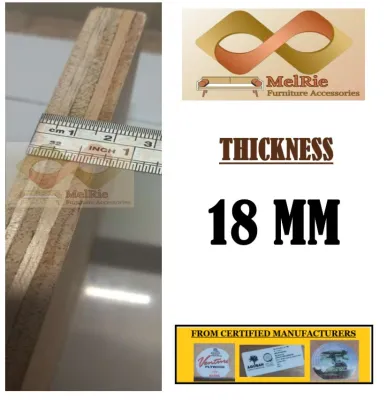
217 Lazada user ratings
Sturdy and durable construction., Great value for the price., Certified manufacturers, trusted quality., Ideal for small woodworking project…Read full reviewShow less
Sturdy and durable construction., Great value for the price., Certified manufacturers, trusted quality., Ideal for small woodworking projects., High-quality marine plywood.,
Great value for the price., Precut sizes save time and effort., Sturdy and durable construction., Versatile sizes for different needs.,
Well packaged handy sizes of plywood board for repairs I would buy from the seller again a quick non hassle delivery.
Smooth finish, easy to work with., Certified manufacturers, trusted quality., High-quality marine plywood.,
🛠️Durability:good Design:good Durability:good Comfort:good Feels great, Very comfortable,
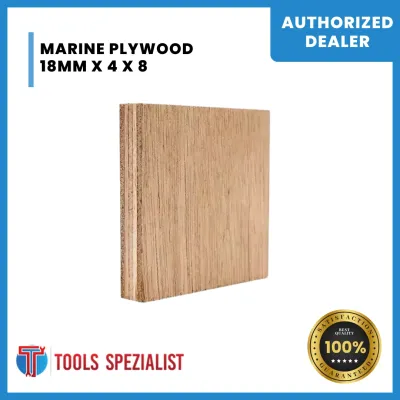
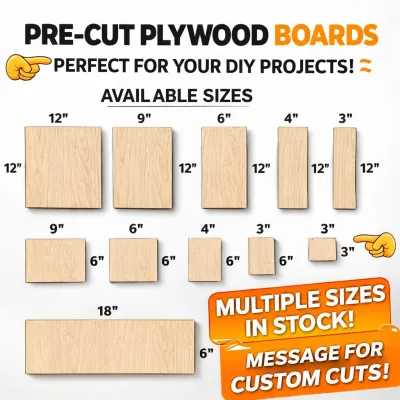
123 Lazada user ratings
The wooden base exceeded my expectations it’s sturdy, finely polished, and has a natural charm that complements any display or artwork. Its …Read full reviewShow less
The wooden base exceeded my expectations it’s sturdy, finely polished, and has a natural charm that complements any display or artwork. Its smooth surface and solid build make it look elegant and reliable. Perfect for both decorative and functional use, it truly adds warmth and quality to any setup.
Excellent craftsmanship, Great value for the price, Reliable and trustworthy seller, Durable and sturdy plywood, Perfect for DIY woodworking…Read full reviewShow less
Excellent craftsmanship, Great value for the price, Reliable and trustworthy seller, Durable and sturdy plywood, Perfect for DIY woodworking projects, Versatile sizes for various woodworking needs,
nakaka disapoint
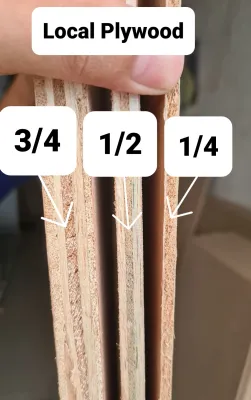
381 Lazada user ratings
Received the items immediately. Haven’t used it yet though. So far, makinis yung finish. Though medyo need additional effort sa packaging si…Read full reviewShow less
Received the items immediately. Haven’t used it yet though. So far, makinis yung finish. Though medyo need additional effort sa packaging since nagchip yung some parts ng corners.
Smooth surface and finish., Durable and sturdy plywood., Iyon lang May kunting bending ang plywwood, pero pwede n rin. order ulit para mabuo…Read full reviewShow less
Smooth surface and finish., Durable and sturdy plywood., Iyon lang May kunting bending ang plywwood, pero pwede n rin. order ulit para mabuo ko n project ko.
Salamat seller.. Napaka bait at na Shipped nila kaagad ung item ..good condition item i recommend this shop. Fast deliver at salamat lazada …Read full reviewShow less
Salamat seller.. Napaka bait at na Shipped nila kaagad ung item ..good condition item i recommend this shop. Fast deliver at salamat lazada rider❤️😍😍
Ideal for DIY projects., Perfect size for my project., Excellent quality boards, Perfectfor building furniture, Durable and sturdy plywood
Durable and sturdy plywood., Great value for the price.,

2,160 Lazada user ratings
Strong and reliable, Durable and sturdy wood planks, Smooth finish for a polished look, High-quality plywood material, Excellent value for t…Read full reviewShow less
Strong and reliable, Durable and sturdy wood planks, Smooth finish for a polished look, High-quality plywood material, Excellent value for the price,
maganda... at mura pa. magaan lang din sya. maayos din syang naka packed. salamat ky Seller. nagpapadala din sila ng picture bago i ship....
Strong and reliable, Easy to work with, Durable and sturdy wood planks, sana makabit na namin haha

244 Lazada user ratings
High-quality plyboard material, Smooth finish for a polished look, Traditional style adds a classic touch, Versatile sizes for various DIY p…Read full reviewShow less
High-quality plyboard material, Smooth finish for a polished look, Traditional style adds a classic touch, Versatile sizes for various DIY projects, Reliable and long-lasting, Easy to work with for DIY enthusiasts,
Easy to work with for DIY enthusiasts, Versatile sizes for various DIY projects, High-quality plyboard material, Reliable and long-lasting, …Read full reviewShow less
Easy to work with for DIY enthusiasts, Versatile sizes for various DIY projects, High-quality plyboard material, Reliable and long-lasting, Create a great buy and gives satisfaction to my arts and crafts hobby
Perfect for DIY shelves and cabinets, Smooth finish for a polished look, Easy to work with for DIY enthusiasts,
Traditional style adds a classic touch, Great for customizing furniture, Smooth finish for a polished look,
Legit seller, quality item, thank you seller, thank lazada for fast delivery. Recommendable
97 Lazada user ratings
matibay thanks
good materials
great quality
Prices are valid at publication and may change. Please refer to the product page for the latest price.
The most critical distinction is between standard interior, moisture-resistant (MR), and marine-grade plywood. Standard plywood is bound with water-soluble glues that break down rapidly when wet, causing the layers to separate. Moisture-resistant plywood (Type II) offers better protection against high humidity but is not waterproof; its urea-formaldehyde resins withstand occasional dampness but fail under prolonged exposure to standing water.
For demanding kitchen areas, marine-grade plywood (Type I) is the gold standard. True marine plywood uses high-quality veneers with no core voids—empty pockets where moisture can trap and rot the wood from within. It is bound with Weather and Boil Proof (WBP) adhesives, typically phenol-formaldehyde resins, which do not break down when wet. When inspecting boards, look for clear stamps indicating ‘Marine’, ‘Type I’, or ‘WBP’.
Beyond moisture resistance, check product labels or Material Safety Data Sheets (MSDS) for pest-treatment certifications. Some manufacturers offer plywood pre-treated with chemical preservatives, like copper boron, to deter termites and powderpost beetles (‘bukbok’). These boards are often stamped with specific treatment codes or color-coded along the edges. Always verify these markings and read safety guidelines, as treated wood requires specific handling and sealing procedures.
Managing Humidity and Moisture Exposure in Kitchen Zones
A kitchen consists of distinct microclimates with varying moisture levels. To ensure your custom plywood cabinets survive, you must design and protect them based on the specific hazards of each zone. The areas directly beneath the sink and adjacent to the cooktop are the most vulnerable to water damage.

The under-sink cabinet carcass is the primary failure point in most kitchens. Slow, unnoticed plumbing leaks from drains or flexible hoses can saturate the cabinet floor, leading to wood rot and mold. To mitigate this risk, install a waterproof liner or a plastic drip tray at the base. Additionally, ensure the under-sink carcass uses strictly marine-grade plywood, and apply a high-quality polyurethane or epoxy sealant to all interior surfaces before installing plumbing.
The cooking zone, particularly around the stove, experiences rapid temperature fluctuations and high condensation from boiling pots and steam. Over time, this rising moisture can penetrate the underside of wall cabinets. Installing a properly ducted range hood is essential to draw steam and grease away from wooden surfaces. Without adequate ventilation, the constant cycle of heating and cooling will cause plywood layers to expand and contract, eventually weakening the glue bonds.
The edges of plywood sheets are their most vulnerable points, acting like straws that draw moisture deep into the core. When fabricating custom cabinets, inspect the edge banding thoroughly. Whether using PVC, solid wood, or laminate bands, ensure there are no gaps, peeling corners, or thin spots in the adhesive. If your cabinet maker applies edge banding manually, verify they use a high-strength, waterproof contact cement or polyurethane adhesive to seal these entry points.
Evaluating Termite Risks and Protective Treatments
Termites pose a severe threat to residential structures in the Philippines, making wooden kitchen cabinets a prime target. Before investing in custom plywood cabinets, you must conduct a thorough assessment of your home’s existing pest situation. Bringing brand-new wood into an active infestation results in rapid destruction, regardless of how well the cabinets are constructed.
Start by inspecting the installation site and adjacent rooms for early signs of termite activity. Look for mud tubes—thin, earthen tunnels that subterranean termites construct to travel along concrete walls, floors, and baseboards. Tap existing wooden structures, door frames, and baseboards near the kitchen; a hollow sound indicates termites have already consumed the interior. Discarded insect wings near windows or light fixtures are a sign of swarming termites (‘gamu-gamo’) looking to establish a new colony.
It is important to understand the limitations of factory-treated plywood. While pressure-treated or chemically infused boards resist termite attacks, they do not create a protective barrier for the rest of your kitchen. Termites can still travel over or through treated wood to reach untreated components, such as cabinet backings, shelves, or adjacent drywall. Therefore, factory treatments should be viewed as a secondary line of defense rather than a complete solution.
For comprehensive protection, establish a professional pest barrier before installing your new cabinets. This typically involves a soil-poisoning treatment around the home’s foundation, or targeted chemical barriers applied to the concrete walls behind the installation zone. If you suspect an active infestation, halt all DIY treatment attempts. Standard retail insect sprays only kill termites on the surface, leaving the main colony intact. Consult a licensed pest control professional to perform a structural assessment and apply systemic treatments.
Maintenance and Care for Custom Plywood Cabinets
Even high-grade marine plywood cabinets require regular maintenance to withstand the combined forces of tropical humidity and daily kitchen wear. Establishing a routine cleaning and inspection schedule helps you identify minor issues before they escalate into costly structural damage.
For daily cleaning, avoid soaking cabinet surfaces with water or using dripping wet cloths. Instead, use a slightly damp microfiber cloth to wipe away grease, food splatters, and dust, followed immediately by a dry cloth to remove residual moisture. Pay close attention to areas around cabinet handles and hinges, where oils from your hands can accumulate and break down the protective finish over time.
Periodically inspect the hardware, joints, and structural connections of your cabinets. High humidity can cause minor wood swelling, putting extra stress on hinges and drawer slides. If you notice doors sagging or drawers sticking, adjust the hardware promptly to prevent screws from stripping out of the plywood core. Check the wood around hinge plates for signs of softening, discoloration, or loosening, which are early indicators of localized moisture penetration.
Over years of use, the protective topcoat on your cabinets—whether polyurethane, lacquer, or laminate—will naturally wear down. Inspect corners, bottom edges, and high-touch areas for signs of peeling edge banding or thinning sealant. If you observe physical wear, gently sand the affected area and reapply a compatible, moisture-resistant clear coat or wood sealant. When cleaning, strictly avoid harsh chemical cleaners, abrasive scrubbing pads, bleach, or ammonia-based products, as these substances rapidly degrade protective coatings and expose raw plywood to humid air.
Deciding If Plywood Is the Right Choice for Your Space
Deciding whether to proceed with custom plywood cabinets involves balancing your aesthetic desires, household budget, and willingness to perform ongoing maintenance. In the Philippines, custom plywood cabinetry is a highly cost-effective and structurally sound option, but it is not a one-size-fits-all solution.
The initial cost of custom plywood cabinets varies significantly. While standard plywood installations cost less upfront, opting for high-quality marine-grade plywood and premium laminates increases your initial investment in ₱. However, this higher upfront cost must be weighed against the long-term expenses of repairing or replacing water-damaged or termite-infested cabinets made from inferior materials like particleboard or medium-density fiberboard (MDF). Investing in marine-grade materials from the start saves money by extending the lifespan of your kitchen.
There are certain scenarios where alternative materials are more appropriate than plywood. If your kitchen is located in a ground-floor area with chronic rising damp, or if the space is semi-outdoor and exposed to driving rain, even marine plywood will eventually suffer. In these extreme conditions, consider using solid PVC boards, aluminum cabinetry, or a concrete cabinet carcass finished with tiled surfaces, utilizing plywood only for the cabinet doors where moisture exposure is easier to manage.
Before finalizing your plans, discuss the exact material specifications with your cabinet maker or contractor. Ask them to verify the plywood grade, the type of adhesive used, and their method for sealing the edges. A reputable professional will welcome these questions and help you select a material combination that matches your kitchen’s unique environmental conditions and your family’s lifestyle.
Frequently Asked Questions (FAQ)
Can I use standard plywood if I apply a waterproof sealant myself?
Applying a high-quality waterproof sealant to standard interior plywood provides some surface protection, but it is not a reliable substitute for moisture-resistant or marine-grade plywood. Surface sealants only protect the exterior faces and edges where applied; they cannot prevent ambient humidity from penetrating microscopic gaps or joints over time. Once moisture finds a way past the surface barrier, the vulnerable interior plies of standard plywood absorb water, swell, and delaminate from the inside out. Always check manufacturer guidelines before applying aftermarket coatings, and prioritize using the correct grade of wood from the start.
How often should I inspect my kitchen cabinets for termite damage?
You should conduct a visual inspection of your kitchen cabinets at least once every three to six months. Look for early warning signs like fine wood dust (frass) near joints, small exit holes in the wood, or mud tubes along the back walls or baseboards. You can also gently tap the cabinet panels with your knuckles; a hollow or papery sound indicates internal damage. If your property or neighborhood has a known history of termite infestations, do not rely solely on DIY checks. Schedule a professional pest inspection annually to ensure subterranean termites are not quietly bypassing your visible defenses.
Community discussion
Share your experience or ask a question. Comments are reviewed before publication.