
Evaluating the safety of a folding bed for a child requires balancing convenience with structural security. While a folding bed is not inherently dangerous, it carries significantly higher mechanical and structural risks than a standard, fixed-frame bed. Whether a folding bed is safe for your child depends entirely on the bed’s design quality, the reliability of its locking mechanisms, the child’s developmental age, and how strictly you follow the manufacturer’s usage instructions.
Because of these mechanical complexities, folding beds are generally not recommended for toddlers or very young children who lack the physical strength and hazard awareness to navigate moving parts. However, for older children, a high-quality folding bed can serve as a safe, space-saving sleep solution. To ensure safety, parents must treat these beds primarily as temporary, occasional guest options—such as during family holiday gatherings or sleepovers—rather than a permanent, everyday sleeping arrangement.
Before making a purchase, parents should understand the specific physical hazards associated with folding designs and learn how to identify high-quality safety features that protect growing children from injury.
Products mentioned in this guide

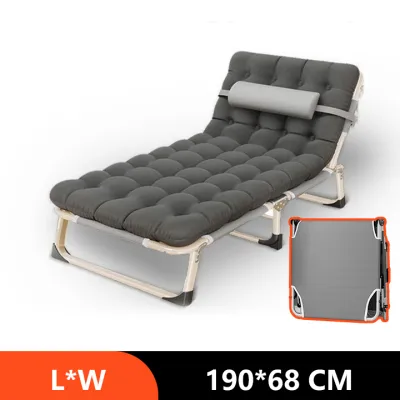

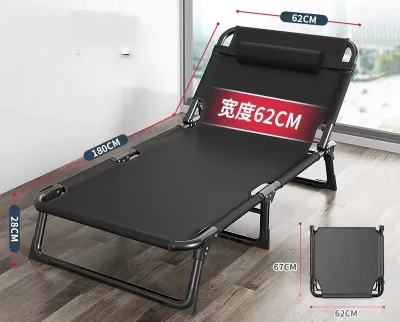
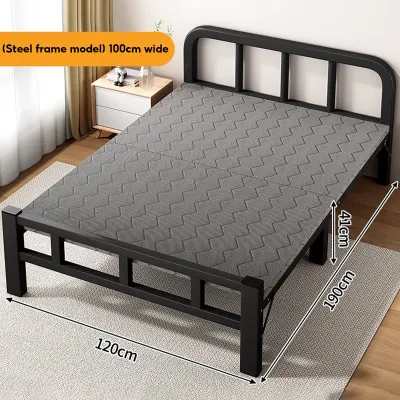
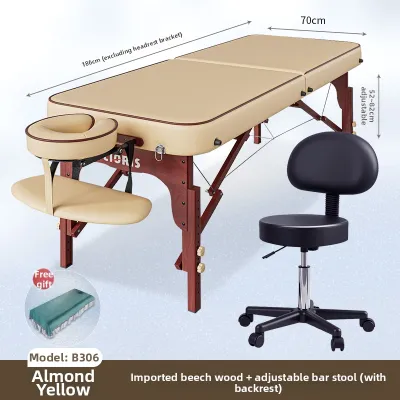
Prices are valid at publication and may change. Please refer to the product page for the latest price.
Key Safety Risks of Folding Beds You Need to Know
To make an informed decision, parents must first recognize the potential hazards that a folding bed introduces into a child’s bedroom or a guest space. Because these frames are designed to compress, pivot, and bend, they present several physical risks that standard beds do not.
Pinch and Entrapment Hazards The very mechanisms that allow a folding bed to store away easily—hinges, scissor joints, tension springs, and folding legs—are primary hazard zones for small hands and feet. If a child plays with the frame or attempts to operate the bed without adult supervision, fingers, toes, or limbs can easily become caught in these moving metal parts. This can result in severe pinch injuries, deep lacerations, or even bone fractures.
Structural Collapse and Tipping A folding bed relies on structural balance and secure locking joints to remain stable. If a child jumps on the mattress, stands near the edge, or roughhouses on the bed, the sudden dynamic impact can overwhelm a weak frame. If the locking mechanism fails or is not fully engaged, the entire bed can fold inward or collapse completely. This unexpected movement can trap a child inside the folding frame or cause them to fall hard onto the floor. Furthermore, lightweight frames are prone to tipping over if a child leans heavily against the headrest or footrest.
Mattress Gaps and Suffocation Risks Unlike a standard bed where the mattress sits snugly within a deep, rigid wooden or metal frame, a folding bed often utilizes elastic straps, canvas decks, or metal wire grids to hold the mattress in place. Over time, or under heavy use, these support systems can stretch and sag. This sagging creates physical gaps between the edge of the mattress and the metal frame. If a young child rolls into these gaps during sleep, they can become wedged or trapped, posing a serious risk of positional asphyxiation or suffocation.
Sharp Edges and Protrusions Many budget-friendly folding beds are manufactured with cost-cutting measures, which often leave metal edges unfiled, weld joints rough, or assembly bolts protruding. Because children move actively during sleep and play, these exposed, sharp metal components can easily cause painful scrapes, cuts, or bruises. Cheap plastic end caps on the legs can also crack and fall off, exposing sharp, hollow metal tubes that can damage both your floors and your child’s skin.
Crucial Safety Features to Check Before Buying
When shopping for a folding bed, parents should look past aesthetic appeal and focus entirely on structural integrity and safety engineering. Checking these critical design details will help you select a model that minimizes mechanical risks.

Reliable Locking Mechanisms Never buy a folding bed that relies solely on gravity or a simple loose hook to stay open. Look for models equipped with automatic, spring-loaded locking pins or dual-locking systems. These mechanisms require a deliberate, two-step manual action to disengage, ensuring that the bed cannot fold shut even if a child jumps on it or accidentally bumps the release lever. The lock should produce a loud, distinct click when fully engaged, giving you clear auditory confirmation that the frame is secure.
Concealed Hinges and Anti-Pinch Design Examine the joints where the bed frame folds. High-quality manufacturers design these areas with built-in plastic guards or protective fabric sleeves that completely cover the hinges. Some premium models feature anti-pinch geometry, where the metal plates are engineered to maintain a safe clearance distance even when the frame is fully folded, preventing fingers from being crushed in the joint.
Sturdy Frame and Weight Capacity Compare the materials used in the frame’s construction. Avoid thin, lightweight aluminum frames, which bend easily under dynamic pressure. Instead, prioritize reinforced carbon steel frames with thick tubular walls. In the humid tropical climate of the Philippines, low-grade steel is highly susceptible to rust, which can silently corrode and weaken structural joints over time. Ensure the frame has a thick, durable, rust-resistant powder-coated finish. Additionally, check the manufacturer’s stated weight limit on the product label. This limit must comfortably accommodate your child’s weight plus the dynamic forces of sitting down quickly or rolling over.
Guardrails and Fall Prevention If the folding bed sits higher than 30 centimeters off the floor, look for models that feature integrated, fold-down guardrails or frames that are compatible with aftermarket clip-on safety rails. Alternatively, choose a low-profile folding bed that sits close to the ground. A lower height significantly reduces the impact force and risk of injury if your child accidentally rolls out of bed during the night.
Non-Slip Feet and Base Stability Inspect the feet of the folding bed. They should be capped with thick, heavy-duty, non-slip rubber or polyurethane boots. In many homes with polished ceramic tiles, marble, or smooth hardwood floors, a bed without rubber grips can slide easily when a child climbs in or out. This sliding puts unnecessary lateral stress on the folding legs, which can cause the locking pins to shear or fail over time.
Age, Weight, and Readiness: Who Should Use a Folding Bed?
Not every child is developmentally ready to sleep on a folding bed. Parents must carefully assess their child’s physical growth and behavioral maturity before introducing this type of furniture to their sleeping routine.
Age Restrictions Infants, toddlers, and young children under the age of six should never sleep on a folding bed. Young children lack the physical coordination to extricate themselves if a bed begins to fold or sag, and their smaller bodies are highly susceptible to becoming trapped in the gaps between the mattress and the frame. Standard cribs, toddler beds, or solid, fixed-frame single beds are the only safe options for this age group.
Verifying Manufacturer Limits Always locate the product safety label, which is typically sewn into the mattress seam or stamped onto the metal frame. Check both the minimum age and maximum weight recommendations. These limits are calculated based on structural stress testing and are absolute safety boundaries, not rough estimates. Never allow multiple children to sit or sleep on a single folding bed if their combined weight approaches or exceeds the manufacturer’s specified limit.
Developmental Readiness Before allowing an older child to use a folding bed, assess their behavior. A child is ready for a folding bed only if they can understand and consistently follow household safety rules. If your child still treats beds as trampolines, is prone to roughhousing, or has a habit of exploring and tampering with mechanical objects, they are not yet mature enough for a folding bed. They must understand that the folding joints and levers are completely off-limits.
Transitioning Folding beds should only be used as a temporary transition or occasional sleep solution. If you are hosting relatives, traveling, or waiting for a permanent bedroom set to arrive, a folding bed is a practical choice. However, once the temporary situation is over, your child should transition back to a standard, non-folding bed to ensure long-term safety and proper physical support.
Safe Setup, Daily Use, and Maintenance Practices
Even the safest folding bed can become hazardous if it is assembled incorrectly, placed in a dangerous location, or neglected over time. Implementing strict daily use and maintenance routines will protect your child from avoidable accidents.
Safe Setup Environment When unfolding the bed, choose a flat, level, and solid surface. Avoid placing the bed on thick, uneven rugs that can cause the legs to sit at an angle. Ensure the bed is positioned at least one meter away from windows, dangling curtain or blind cords, electrical outlets, wall-mounted fans, and sharp-edged furniture. This clear zone ensures that if your child does experience an accidental fall, they will not collide with secondary hazards.
Pre-Use Inspection Develop the habit of performing a quick physical and visual inspection before your child climbs into the bed each night. Check that all locking pins are fully engaged and clicked into place. Shake the frame gently to verify its stability. Inspect the joints for any signs of metal fatigue, hairline cracks, loose bolts, or rust. If the bed uses a fabric or canvas deck, check for tearing or frayed stitching that could lead to a sudden tear under weight.
Establishing Usage Rules Set clear, non-negotiable household rules regarding the folding bed. Explain to your child that jumping, standing, or bouncing on the bed is strictly prohibited. Emphasize that only adults are allowed to fold, unfold, or move the bed. Keep the bed folded and stored away when not in use to prevent children from playing with the frame or attempting to fold it themselves.
Safe Storage and Takedown When it is time to fold and store the bed, ensure your child is in another room to eliminate any risk of pinch injuries. Once folded, store the bed flat in a closet or utility room. If you must store it upright, secure it to a wall hook or anchor strap. Never leave a folded bed leaning freely against a wall in a child’s reach; a curious child climbing on a heavy, upright frame can easily pull it down onto themselves, resulting in a severe tip-over injury. Additionally, because the tropical climate can trap moisture, ensure the mattress is completely dry before folding it away to prevent mold and mildew growth, which can trigger allergies and respiratory issues.
Frequently Asked Questions (FAQ)
Can a folding bed be used as a permanent everyday bed for a child?
No, folding beds are not designed or built for permanent, daily use. Continuous folding and unfolding, combined with the daily weight of a growing child, accelerates wear on the hinges, springs, and locking mechanisms, significantly increasing the risk of sudden structural failure. Furthermore, the thin mattresses and flexible wire or canvas decks typical of folding beds do not provide the consistent, firm spinal support that a growing child needs for healthy skeletal development. For everyday sleep, always invest in a standard, fixed-frame bed with a supportive mattress.
What should I do if the folding bed's locking mechanism gets stuck or feels loose?
If the locking mechanism becomes loose, fails to click securely, or gets stuck, you must stop using the bed immediately. Do not attempt to force the mechanism, as this can bend the metal frame or break the safety pins. Avoid DIY repairs using non-standard screws, wires, or tape, which can compromise the structural integrity and fail under weight. Check the manufacturer’s warranty and care instructions. If the bed is within its warranty period, contact the manufacturer or an authorized service center for repair or replacement parts. If the locking mechanism cannot be safely restored to its original factory condition, the bed should be retired and replaced to ensure your child’s safety.
Community discussion
Share your experience or ask a question. Comments are reviewed before publication.