
Heavy-duty galvanized metal shelves offer exceptional load capacity and moisture resistance, but they are not always necessary for a standard home office. Determining whether you need them depends on the weight of your equipment, your room’s humidity, and your aesthetic preferences. While they excel at supporting heavy machinery and resisting moisture in humid environments, standard wooden or lightweight metal shelving is often more than adequate for typical office supplies and books. By evaluating your storage items and room conditions, you can avoid over-purchasing and choose a setup that balances functionality with design.
Signs Your Home Office Requires Heavy-Duty Metal Shelves
Determining if your home office demands industrial-strength shelving begins with an audit of your physical inventory. Standard bookcases are designed for distributed, lightweight items like novels and small decorative pieces. If your daily operations require storing heavy physical archives, multiple reams of paper, or dense reference manuals, standard shelves can bow or crack under the strain. Heavy-duty galvanized metal shelves are engineered to distribute substantial weight across reinforced tiers, preventing structural failure over time.
Beyond paper archives, modern home offices often house heavy hardware that requires stable, rigid support. Large-format printers, 3D printers, uninterruptible power supplies (UPS), and desktop server towers can easily exceed the weight limits of typical flat-pack particleboard furniture. Placing these vibrating, heavy machines on a flimsy surface compromises both the equipment and your safety. A heavy-duty metal frame provides a rigid, non-flexing platform that minimizes vibrations and keeps expensive hardware secure.
Products mentioned in this guide
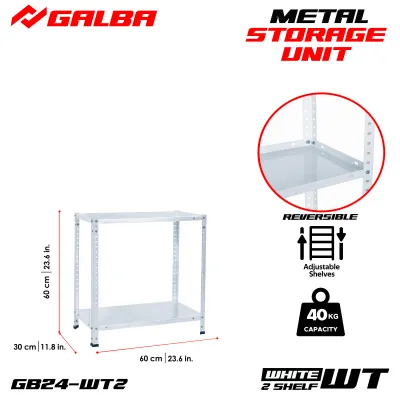
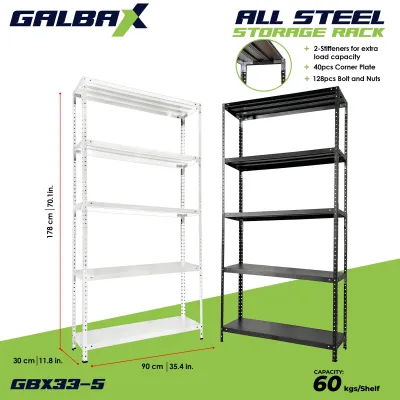
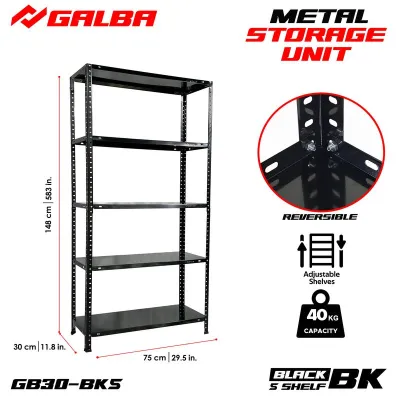
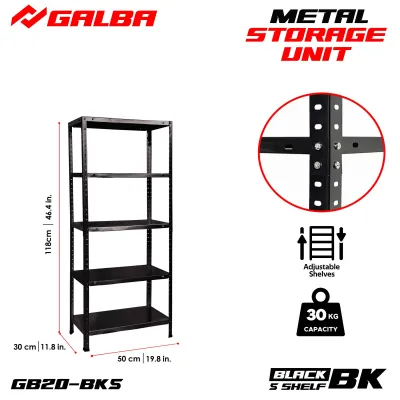
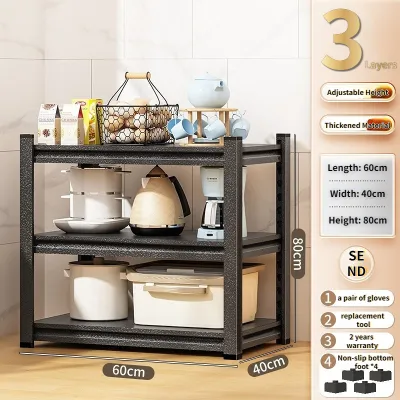
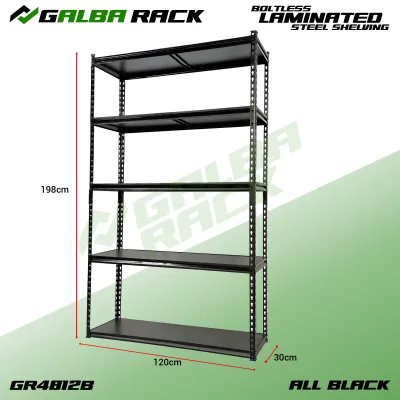
Prices are valid at publication and may change. Please refer to the product page for the latest price.
Environmental factors also play a critical role in material selection, particularly in tropical climates or high-humidity regions like the Philippines. In areas prone to intense humidity or seasonal dampness, untreated wood, MDF, and particleboard absorb moisture from the air. This absorption leads to swelling, warping, and the rapid growth of mold or mildew, which can ruin your documents and books. Galvanized metal shelves feature a protective zinc coating that acts as a barrier against moisture, making them highly resistant to corrosion and structural degradation in damp environments.
Finally, the physical dimensions of your office gear may require a level of storage flexibility that standard furniture cannot provide. Industrial metal units frequently feature highly adjustable tiers, allowing you to customize the vertical clearance for oversized boxes, plastic storage bins, or tall equipment. If your storage needs change seasonally or as your business grows, the ability to reposition shelves without tools or complex disassembly is a major operational advantage.
Scenarios Where Standard or Wooden Bookcases Work Better
While the strength of galvanized metal is impressive, there are many scenarios where traditional wooden or lightweight shelving is a far more practical choice. If your storage needs consist primarily of standard paperbacks, lightweight stationery, framed photos, and small electronic accessories, heavy-duty units are unnecessary. Standard wooden bookcases easily support these items while offering a more refined, integrated look that matches residential interiors.

Acoustics and sensory comfort are also important considerations in a productive workspace. Metal surfaces naturally reflect sound, which can contribute to an echo effect in a room with hard floors or minimal soft furnishings. Additionally, metal shelves can make a loud clattering noise when you place hard objects, keys, or metal binders onto them. Wood, on the other hand, possesses natural sound-dampening qualities that help maintain a quiet, focused environment, and it feels physically warmer to the touch.
Aesthetic integration is another area where industrial metal shelves may fall short in a home setting. The raw, utilitarian appearance of galvanized steel can feel visually cold, sterile, or out of place in a cozy bedroom-office or a dedicated study. Unless you are intentionally pursuing an industrial design theme, a wooden bookcase or a painted laminate shelf provides a warmer, more inviting atmosphere that blends seamlessly with existing home decor.
Spatial constraints in typical residential layouts also favor more compact furniture designs. Heavy-duty metal shelving units often feature deep profiles and bulky corner posts that take up significant floor space. In a small or narrow home office, these deep shelves can restrict movement and make the room feel cramped. Standard bookcases are typically shallower, allowing you to maximize vertical storage without encroaching too far into your active walking paths.
Space, Clearance, and Installation Checks
Before purchasing any heavy-duty shelving unit, conducting precise physical measurements of your workspace is essential. Start by measuring the exact footprint where you plan to position the shelves, paying close attention to depth, width, and height. Ensure the unit will not block doorways, window clearances, light switches, or electrical outlets. It is also wise to measure your home’s entryways, hallways, and stairwells to guarantee you can physically transport the flat-packed or pre-assembled components into the designated room.
Floor load capacity and surface protection are critical when dealing with heavy metal structures. A fully loaded metal shelf concentrates a massive amount of weight onto four relatively small feet. On soft wood, laminate, or vinyl flooring, this concentrated pressure can cause permanent dents, scratches, or punctures. To protect your floors, plan to place heavy-duty rubber cups, felt pads, or a protective utility mat beneath the metal legs to distribute the weight more evenly.
Assembly and structural stability require careful preparation, especially when installing tall or top-heavy units. Many heavy-duty shelves utilize boltless rivet systems that require a rubber mallet for assembly, while others rely on traditional nuts and bolts. Regardless of the assembly method, securing the unit to the wall is a vital safety step. Tall metal shelves can become unstable if loaded unevenly, posing a serious tip-over hazard in households with children, pets, or in regions prone to seismic activity. Always check if the unit includes wall-anchoring hardware, or purchase a compatible masonry or drywall anchoring kit separately.
What to Inspect When Choosing Galvanized Metal Units
When shopping for galvanized metal shelves, evaluating the build quality in person or reviewing detailed specifications is crucial to ensuring a safe purchase. Begin by checking the manufacturer’s rated load capacity per shelf tier, making sure it aligns with your heaviest items. Look for structural reinforcements, such as horizontal support ribs running underneath each metal panel or diagonal cross-bracing on the back of the frame, which significantly increase weight capacity and prevent lateral swaying.
The quality of the galvanization finish is another key inspection point. Run your hand carefully along the edges and joints of the metal components to check for sharp burrs, rough welds, or uneven coating coverage. A high-quality finish should be smooth and uniform; exposed steel or thin spots in the zinc coating are highly susceptible to early rusting, while sharp edges can scratch your hands, tear cardboard storage boxes, or damage delicate book covers.
Finally, compare the connection mechanisms used to hold the frame together. Boltless rivet lock systems are highly popular because they allow for quick assembly and easy shelf height adjustments without tools. However, traditional bolted frames, while more time-consuming to assemble, can sometimes offer a more rigid connection that minimizes frame twisting under heavy loads. Choose the system that best matches your comfort level with assembly and your need for future shelf adjustments.
Frequently Asked Questions (FAQ)
Can galvanized metal shelves rust in a humid room?
Yes, galvanized metal shelves can rust if the protective zinc coating is compromised. While the galvanization process provides excellent resistance to atmospheric moisture, deep scratches from sliding heavy equipment or prolonged exposure to standing water can wear away the zinc layer. Once the underlying steel is exposed to oxygen and humidity, oxidation will occur. To prevent this, regularly inspect the shelves for deep scratches, wipe up any liquid spills immediately, and avoid using harsh chemical cleaners that can strip the protective finish.
Are heavy-duty metal shelves safe for upper floors?
In most modern residential buildings, heavy-duty metal shelves are safe for upper floors, but caution is necessary when storing exceptionally heavy items. The combined weight of a thick steel frame and hundreds of kilograms of books, tools, or paper archives can create a highly concentrated load. If you live in an older structure or plan to load the shelves to their maximum capacity, it is advisable to place the unit against a load-bearing wall rather than a partition wall. For peace of mind, check your building’s floor load specifications or consult your property management office.
Community discussion
Share your experience or ask a question. Comments are reviewed before publication.