
Metal folding beds can be a practical, space-saving solution for guest sleepovers or temporary setups, but they require careful evaluation before being used by children. While they are not inherently dangerous, their mechanical nature, moving parts, and lightweight frames present specific safety risks that parents must actively manage. Ensuring a child’s safety on a folding bed depends entirely on choosing a model with robust locking mechanisms, verifying its structural integrity, and establishing strict rules against active play on the frame.
Because these beds are designed to fold away, they lack the permanent, rigid stability of standard wooden or upholstered bed frames. This flexibility makes them highly convenient for smaller homes or apartments, but it also introduces potential hazards like finger pinches, frame collapses, or tipping. By understanding these risks and knowing exactly what features to look for, you can make an informed decision that keeps your child safe and comfortable.
Understanding the Safety Risks of Metal Folding Beds for Children
Before introducing a metal folding bed into your child’s sleeping routine, it is essential to understand where the structural vulnerabilities lie. The very features that make these beds portable—hinges, joints, and lightweight metals—are often the primary sources of risk for an active child.
Products mentioned in this guide
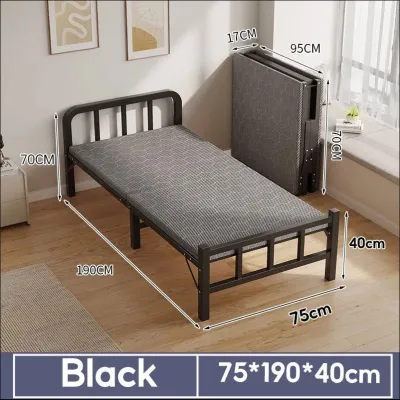
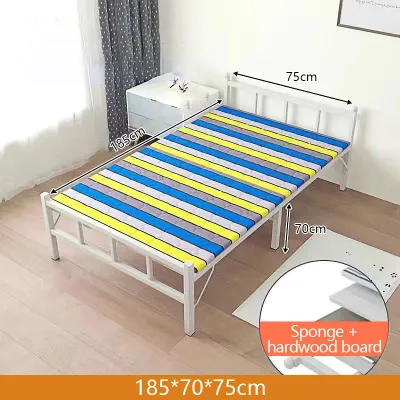
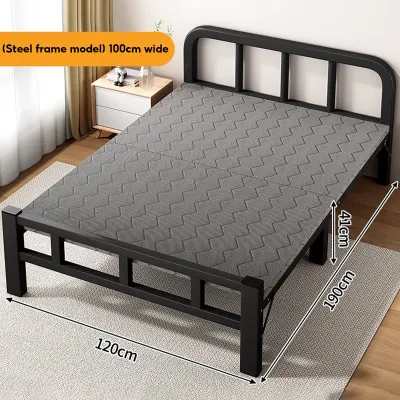
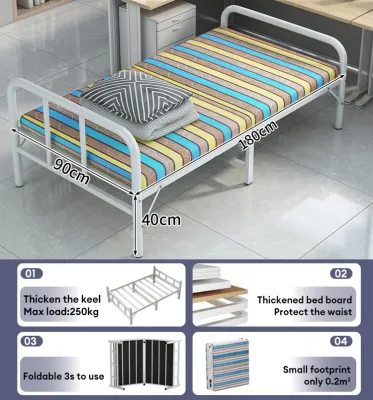
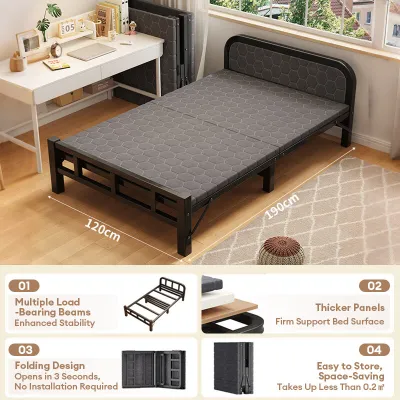
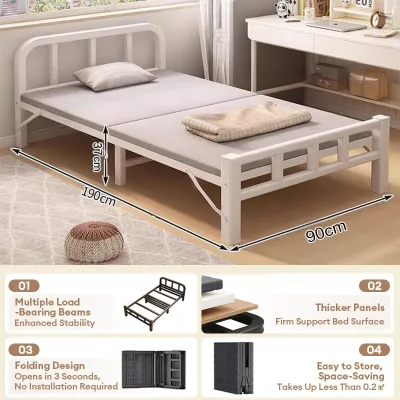
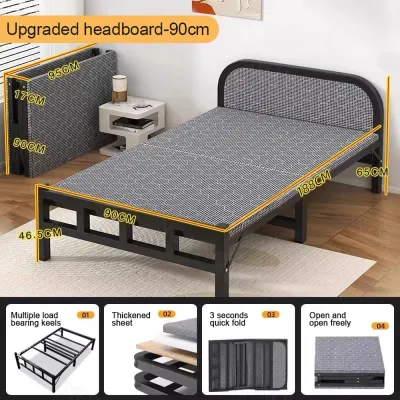
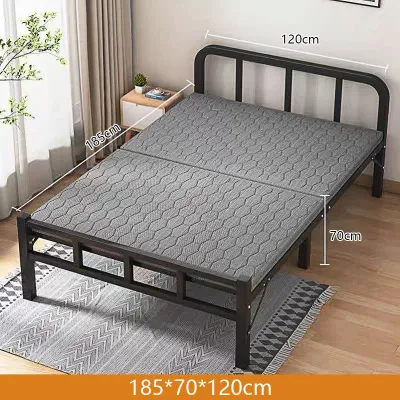
Prices are valid at publication and may change. Please refer to the product page for the latest price.
Pinch points and folding hinges represent the most immediate physical hazard. When a bed is being set up, folded down, or shifted during use, the scissor-like action of the metal hinges can easily trap small fingers. Children are naturally curious and may attempt to operate the folding mechanism themselves, or play near the joints while the bed is being assembled, leading to painful pinches or more severe injuries.
Stability and tipping hazards are another major concern, particularly in active households. Standard beds are heavy and sit flush against the floor, whereas folding beds often rely on narrow legs, casters, or wheels to facilitate movement. If a child jumps on the bed, leans heavily over the edge, or attempts to climb the frame, the uneven weight distribution can cause the entire structure to slide or tip over. This risk is amplified on smooth tile floors, which are common in tropical climates like the Philippines, where the lack of friction can cause unsecured bed legs to slip during sudden movements.
Mattress support failures can also compromise safety. Many folding beds utilize wire mesh, springs, or thin metal slats to support the mattress. Over time, or under the impact of a child bouncing, these supports can sag, create deep pockets, or even snap. If the mattress slips out of its designated frame alignment, dangerous gaps can open up between the mattress and the metal rails, creating an entrapment hazard where a limb or head could become stuck.
Finally, the physical finish of the metal frame must be scrutinized. Budget-friendly metal frames may suffer from poor manufacturing quality, leaving behind sharp edges, exposed bolts, or rough welds. These imperfections can easily snag clothing, scratch sensitive skin, or cause cuts during sleep or play.
Essential Safety Features to Check Before Buying
When shopping for a metal folding bed, you should treat safety certifications and physical design features as non-negotiable requirements. Relying on a basic, unbranded frame without verifying its safety features can expose your child to unnecessary risks.

The most critical safety feature to look for is an automatic locking mechanism. A high-quality folding bed should feature secondary latches or gravity locks that automatically engage when the bed is fully opened. This ensures that even if the bed is bumped or shifted, the frame cannot accidentally fold back up on itself while your child is sleeping. Avoid models that rely solely on the weight of the mattress to keep the frame open.
Next, verify the manufacturer-stated weight limits and the physical thickness of the metal tubing. Children grow quickly, and their beds must accommodate not just their current weight, but also the sudden impacts of daily use. Look for frames constructed from heavy-duty steel rather than thin aluminum. Check the product label or specification sheet to ensure the load capacity is clearly stated and provides a generous safety margin well above your child’s weight.
If your child is younger or prone to restless sleeping, integrated guardrails or raised perimeter edges are essential. Some folding beds are designed with built-in side barriers, while others allow for aftermarket guardrails to be securely clamped to the frame. These barriers prevent the child from rolling off the bed onto hard floors, which is especially important given that folding beds often sit higher off the ground than standard toddler beds.
The quality of the metal finish is also a key indicator of safety and durability. Look for frames with a smooth, non-toxic powder-coated finish. In humid, tropical environments, bare or poorly painted metal is highly susceptible to rust, which can weaken the joints and compromise the bed’s structural integrity over time. A thick, even powder coating protects the metal from moisture while ensuring there are no rough spots or peeling paint that a child could ingest. Additionally, ensure that all hinge areas are shielded or designed in a way that prevents direct contact with moving parts.
How to Set Up and Maintain a Folding Bed Safely
Even the safest metal folding bed can become hazardous if it is set up incorrectly or neglected over time. Establishing a strict setup routine and a regular maintenance schedule is vital to ensuring the bed remains safe for your child to use.
Every time you deploy the bed, take a moment to verify that all locking pins, latches, and braces have clicked securely into their designated positions. Do not rely on a quick visual check; physically shake the frame gently to confirm that the locking mechanisms are fully engaged and that there is no play in the joints. Ensure the frame is fully extended and that the legs are perpendicular to the floor.
The placement of the bed within the room is just as important as the setup of the frame itself. Position the bed on a flat, level, and stable surface. Avoid placing it near windows, blind cords, electrical outlets, or heavy furniture that could be pulled down. If the bed is equipped with caster wheels, ensure that the wheel locks are fully engaged once the bed is in position to prevent it from rolling or sliding when your child gets in or out.
Regular visual inspections should be conducted at least once a month. Check for loose screws, bolts, or nuts, and tighten them immediately using the appropriate tools. Inspect the support fabric, wire mesh, or slats for signs of sagging, tearing, or metal fatigue. If the hinges begin to feel stiff or squeak, do not apply household lubricants that could attract dust or degrade plastic washers; instead, check the manufacturer’s care instructions for approved maintenance steps.
Always follow the manufacturer’s specific assembly and care guidelines. Never attempt to make unauthorized structural modifications, such as removing wheels, adding custom slats, or using a mattress that is thicker or heavier than the frame is rated to support. Altering the bed’s design can shift its center of gravity, render the locking mechanisms useless, and void any safety warranties.
When to Stop Using a Folding Bed for a Child
Folding beds are generally designed for temporary or occasional use, and they have a limited lifespan compared to standard bedroom furniture. Knowing when to retire a folding bed is crucial to preventing structural failures and potential injuries.
You should stop using the bed immediately if you observe any visible frame bending, deep rust, or persistent structural wobbling. Metal fatigue can occur gradually, but once a steel tube bends or a weld cracks, the frame’s load-bearing capacity is severely compromised. Rust is particularly dangerous in humid climates, as it eats away at the metal from the inside out, making joints prone to sudden snapping.
If the locking mechanisms fail to engage fully, feel loose, or require excessive force to operate, the bed is no longer safe. A faulty lock means the bed could collapse under sudden movement, trapping or injuring your child. Do not attempt to bypass a broken lock with temporary fixes like ropes, tape, or zip ties.
As your child grows, monitor their height and weight against the manufacturer’s maximum specifications. If your child’s weight approaches the stated limit, or if they have grown so tall that their head or feet are close to the frame’s edges, it is time to transition to a standard single or double bed. Exceeding these limits increases the risk of frame failure and tipping.
Finally, pay attention to persistent squeaking, shifting, or joint slipping during use. While minor noise is common in metal frames, loud or metallic grinding sounds often indicate that the joints are wearing down or that the bolts are stripping. If tightening the hardware does not resolve the movement, the structural integrity of the bed has likely degraded beyond safe limits.
Frequently Asked Questions (FAQ)
Can a toddler safely sleep on a metal folding bed?
No, toddlers should not sleep on standard metal folding beds. Toddlers lack the motor coordination to avoid rolling off narrow frames, and they face a high risk of entrapment between the mattress and the metal frame or wall. Additionally, their lighter weight may not keep some gravity-based frames fully stable, and their curiosity increases the risk of finger pinches in the hinges. It is highly recommended to stick to dedicated cribs or toddler beds that meet strict pediatric safety standards until the child is older and meets the manufacturer’s age and developmental guidelines.
Are rollaway beds safer than standard folding cots for kids?
Rollaway beds generally offer better structural stability than basic folding cots because they feature thicker metal frames, rigid support bases, and robust locking wheels. However, they are also heavier, which introduces a greater risk of injury if the bed tips over during active play. Standard folding cots are lighter and lower to the ground, reducing fall height, but they often lack secure locking mechanisms and can sag more easily. When choosing between the two, evaluate your child’s sleep habits; a rollaway bed is better for older, calmer children, while a low-profile cot may be safer for younger children who move frequently during sleep.
What should I do if the folding mechanism gets stuck?
If the folding mechanism becomes stuck, never apply forced pressure or try to slam the frame shut, as this can bend the metal, break the hinges, or cause a sudden collapse that could trap your fingers. First, remove the mattress and check for physical obstructions, such as caught bedding, loose screws, or misaligned slats. If the frame remains jammed, consult the manufacturer’s troubleshooting guide or contact a qualified professional for repair. Do not allow your child near the bed while it is in a partially folded or jammed state.
Community discussion
Share your experience or ask a question. Comments are reviewed before publication.