
Plastic foldable tables are a highly popular choice for outdoor spaces in the Philippines, especially when the monsoon season brings frequent, heavy downpours. Because high-density polyethylene or similar plastic tabletops do not absorb water, rot, or rust, they offer an immediate advantage over traditional wooden or untreated metal furniture. However, a plastic tabletop alone does not make the entire assembly completely weatherproof. The rainy season introduces prolonged exposure to high humidity, pooling water, and sudden gusts of wind, all of which test the limits of a table’s structural integrity. To determine if a plastic foldable table is truly suitable for your outdoor setup during these wet months, you must look beyond the plastic surface and evaluate the durability of its metal frame, folding joints, and overall stability.
How Rain and High Humidity Impact Plastic Foldable Tables
While the main plastic panel of a foldable table easily sheds water, the overall design of a folding table introduces several vulnerabilities when left in wet environments. Water rarely stays only on the flat surface; it naturally migrates into the seams, center-folding hinges, and under-table structural ribs. In the tropical climate of the Philippines, where high humidity persists long after the rain stops, trapped moisture in these tight spaces evaporates very slowly. This creates a microenvironment highly conducive to mold, mildew, and deep-seated grime that can become difficult to clean over time.
The metal hardware that enables the table to fold is the most critical point of concern during the rainy season. Most plastic foldable tables rely on steel legs, hinges, locking rings, and screws to maintain their shape and load capacity. If these components are not adequately treated to resist moisture, continuous exposure to rain and humid air will trigger oxidation. Rust can quickly compromise the smooth operation of the folding joints, making the table difficult to open or close, and eventually weakening the structural connections until the table becomes unsafe to use.
Products mentioned in this guide
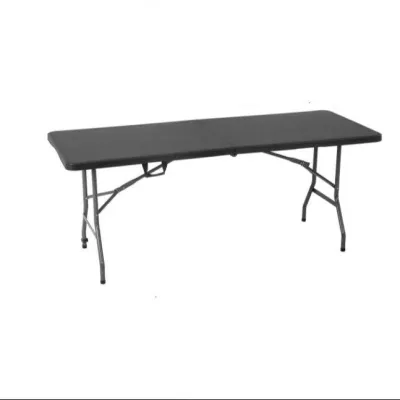
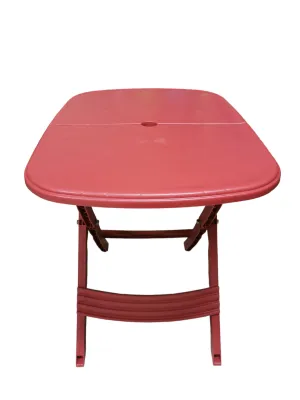
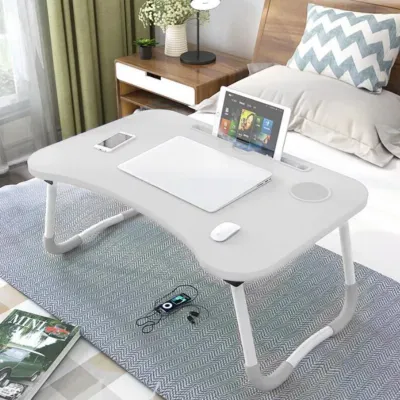
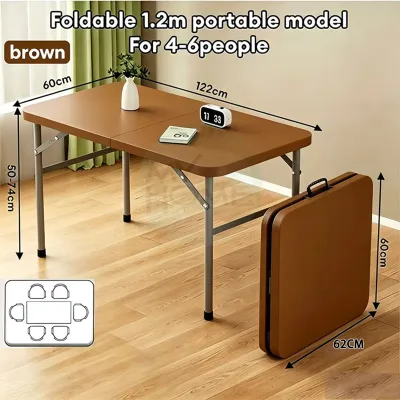
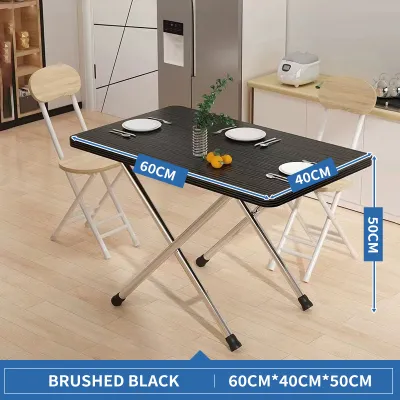
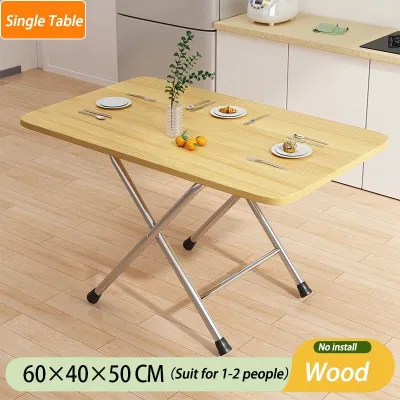
Prices are valid at publication and may change. Please refer to the product page for the latest price.
Additionally, the lightweight nature of plastic tables, which makes them so convenient to transport, becomes a distinct disadvantage during stormy weather. Heavy downpours are frequently accompanied by strong, unpredictable winds that can easily shift, tilt, or completely overturn an unsecured plastic table. If the table slides across a wet patio or concrete garage floor, the lack of traction can cause the legs to buckle or fold unexpectedly, especially if the locking mechanisms are already compromised by moisture or wear.
Essential Specifications to Check for Wet Weather Durability
To ensure a plastic foldable table can withstand the rigors of the rainy season, you must carefully inspect its design features and material specifications before making a purchase. The tabletop itself should be evaluated for practical water management. Look for surfaces that feature subtle anti-slip textures rather than a perfectly smooth, glossy finish, as texturing helps prevent items from sliding when the table is wet. Some models also incorporate slightly raised edges or perimeter channels designed to direct water away from the seating areas, preventing sudden runoffs onto users’ laps.

The joints, hinges, and support frame require the closest inspection. When browsing options on an online marketplace or in a local home improvement store, verify whether the metal components are explicitly labeled as stainless steel or treated with a heavy-duty, rust-resistant powder coating. Powder coating provides a thick, protective barrier that shields the underlying steel from direct contact with moisture and oxygen. Examine the rivets and screws as well; high-quality outdoor tables typically use galvanized or stainless steel fasteners that resist rust much longer than standard hardware.
The base structure must offer both stability and slip resistance on wet surfaces. Check the bottom of the table legs to confirm they are equipped with durable, non-slip rubber or thermoplastic polyurethane foot pads. These pads prevent the metal legs from scratching your flooring and, more importantly, provide vital traction on wet tiles, concrete, or wooden decks. Furthermore, look for tables with a wider leg stance and robust gravity locks—sliding metal rings that slip over the leg joints to prevent the frame from folding accidentally while in use.
Strategic Placement and Setup in Outdoor Environments
Where and how you position your plastic foldable table during the rainy season plays a major role in how well it survives the wet months. It is highly advisable to avoid placing the table in low-lying areas of your yard, patio, or driveway where rainwater naturally pools. Standing in a puddle for days at a time accelerates the deterioration of the leg caps and exposes the lower metal frame to constant moisture, significantly increasing the risk of rust and structural failure.
Whenever possible, take advantage of existing physical shelters to minimize direct exposure to heavy downpours. Positioning the table under roof eaves, covered walkways, verandas, or waterproof awnings provides a crucial line of defense. While these shelters may not block wind-blown mist or high humidity, they prevent the heavy, direct impact of falling rain from constantly striking the tabletop and forcing water into the folding seams.
Ground levelness is another critical factor that is often overlooked. Setting up a foldable table on uneven soil, gravel, or cracked concrete forces the legs to bear weight unequally. Under the added weight of rainwater or heavy outdoor items, this uneven distribution can cause the plastic tabletop to warp or the metal frame to twist. Ensuring the table stands on a completely level surface keeps the structural forces balanced and prevents water from pooling on one side of the tabletop.
Rainy Season Maintenance and Cleaning Routine
A consistent maintenance routine is essential to prolonging the lifespan of outdoor furniture during the wet months. After a heavy downpour, make it a habit to clear any standing water from the tabletop as soon as possible. Using a clean, dry microfiber cloth to wipe down the surface, the center seam, and the underside support ribs prevents the formation of stubborn water stains and discourages the growth of unsightly black mold or mildew in the crevices.
Regularly inspecting and maintaining the folding mechanisms will prevent the joints from seizing up due to moisture exposure. Every few weeks during the rainy season, gently fold and unfold the table to ensure the hinges move smoothly. Inspect the metal joints, locking rings, and screws for early signs of rust, such as reddish-brown spots or rough textures. If the manufacturer’s instructions permit, you can apply a light coating of a silicone-based lubricant or a rust-inhibiting spray to the moving joints to displace moisture and keep the mechanism operating smoothly.
When you anticipate prolonged periods of heavy rain, tropical storms, or when the table will not be used for several weeks, proper storage is key. Never fold and store a damp table, as trapping moisture inside the folded structure creates an ideal environment for rapid rust development and mold growth. Allow the table to dry completely in a well-ventilated area, then store it upright in a dry indoor space, a garage, or securely wrap it in a heavy-duty waterproof tarp.
Signs of Degradation and When to Replace Your Table
Even with diligent care, years of exposure to the elements will eventually take a toll on outdoor plastic furniture. It is important to recognize the signs of material degradation to ensure your outdoor setup remains safe. For the plastic tabletop, look out for severe surface chalking—a powdery residue that indicates the plastic is breaking down from UV exposure during sunny intervals—as well as deep cracks, warping, or a noticeable sagging in the center when light loads are applied. These signs indicate the plastic has become brittle and is at risk of sudden failure.
Structural hazards in the metal frame present an immediate safety risk and should never be ignored. If you notice that the folding joints have become excessively loose, if the gravity locks no longer slide securely into place, or if the metal legs show severe bending or deep, flaking rust, the table’s load capacity is severely compromised. A table that cannot lock securely or has weakened legs can collapse unexpectedly, potentially causing injury or damaging items placed on top.
When deciding whether to repair or replace your table, consider the extent of the damage. While minor surface rust on a screw can be cleaned and treated, widespread structural rust, broken plastic hinges, or warped tabletops are generally not repairable. Given that high-quality, weather-resistant plastic foldable tables are widely available at reasonable prices (often ranging from ₱1,500 to ₱4,000 depending on size and specifications), investing in a new, properly rated outdoor table is often the safest and most cost-effective decision.
Frequently Asked Questions (FAQ)
Can I leave a plastic foldable table outside overnight during heavy rain?
While a single night of heavy rain is unlikely to ruin a high-quality plastic foldable table, leaving it exposed continuously overnight is not recommended. Prolonged exposure allows water to seep deep into the folding joints, underside crevices, and screw holes, where it remains trapped and initiates rust. If you must leave the table outdoors overnight during the rainy season, it is best to tilt it slightly to encourage water runoff, cover it with a fitted waterproof tarp, or fold it and store it under a covered patio.
Does the color of the plastic table affect its durability in the rain?
The color of the plastic tabletop does not directly affect its water resistance or structural durability in the rain, as all color variations of high-density polyethylene share the same basic waterproofing properties. However, color does play a role in how the table handles the intense sunlight that often breaks through between rainy spells. Darker colors, such as black or dark green, absorb more heat and may show fading or UV-induced chalking more quickly if the material lacks UV-stabilizing additives. For long-term outdoor use, look for tables explicitly labeled as UV-resistant, regardless of their color.
Community discussion
Share your experience or ask a question. Comments are reviewed before publication.