
Quick Answer: Are Plastic Tables Suitable for the Rainy Season?
Yes, a high-quality plastic table is one of the most practical and budget-friendly choices for outdoor use during the rainy season. Unlike wood, which can rot and warp, or untreated iron, which inevitably rusts under constant moisture, synthetic polymers are naturally waterproof. However, their performance during the intense wet season depends heavily on the specific grade of the material, its UV protection, and its structural design.
In the Philippines, where the wet season brings prolonged downpours, high humidity, and sudden tropical storms, not all plastic furniture is created equal. Standard indoor or low-grade plastics will degrade quickly under these harsh conditions, becoming brittle and prone to cracking. To ensure your outdoor setup survives the monsoon months, you must select products specifically engineered for all-weather exposure and perform basic seasonal maintenance.
How the Wet Season Impacts Plastic Outdoor Furniture
The tropical wet season presents a unique set of environmental challenges that can compromise outdoor furniture. Understanding these stressors helps you prepare your outdoor spaces and choose the right materials to withstand the elements.
Products mentioned in this guide
![[SALE] 874 20X20 MONOBLOCK TABLE / MONOBLOC TABLE / TABLE / LAMESA / GREEN/WHITE/BEIGE TABLE / PLASTIC TABLE](https://img.lazcdn.com/g/p/6097f4e842165c3747798ac83d65c574.jpg_400x400q80.jpg_.webp)
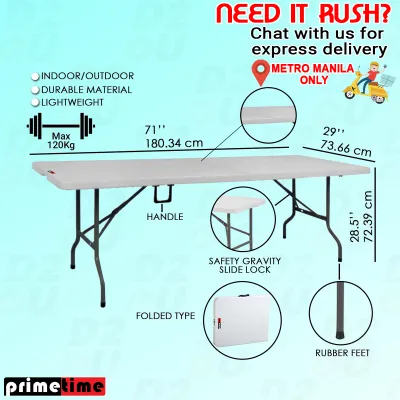
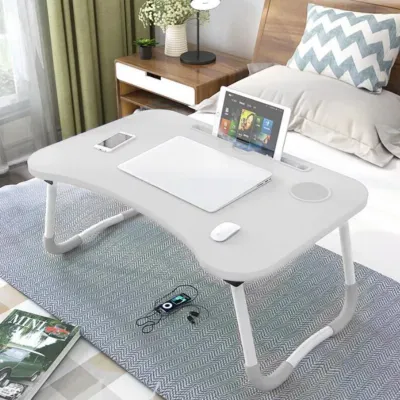
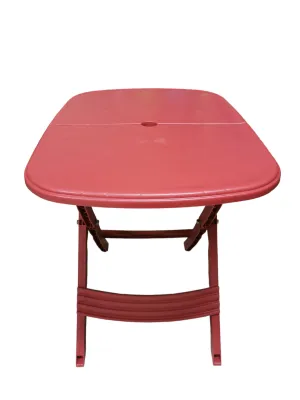
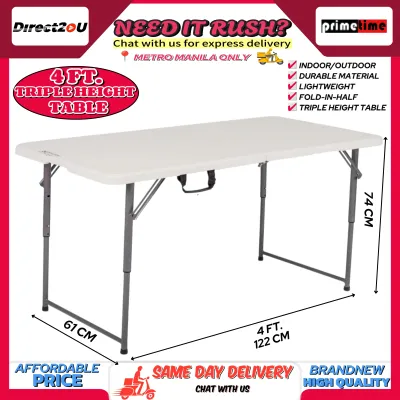
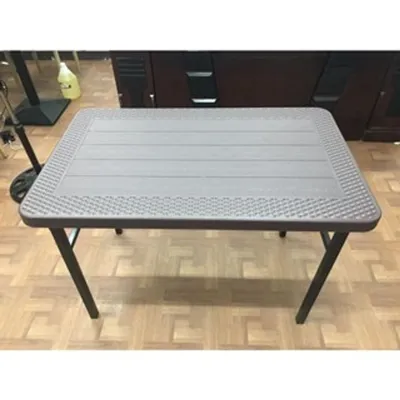
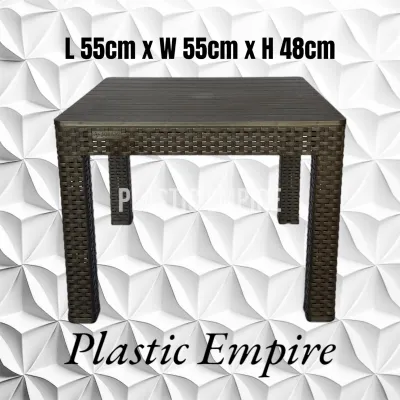
Prices are valid at publication and may change. Please refer to the product page for the latest price.

Moisture and Surface Mold While solid plastic does not absorb water or rot from within, persistent moisture creates an environment ripe for surface issues. High humidity and frequent rain allow airborne dust, pollen, and organic debris to settle on the table surface. This wet organic layer becomes a breeding ground for mold, mildew, and green algae. If your table has a textured wood-grain finish or deep crevices, these micro-grooves can trap moisture and dirt, making mold colonization much faster and harder to clean.
The Destructive Sun and Rain Cycle In a tropical climate, heavy downpours are often immediately followed by intense, direct sunlight. This rapid transition from wet to dry, combined with high temperatures, subjects the material to severe thermal stress. Ultraviolet (UV) radiation from the sun breaks down the chemical bonds in unprotected polymers through a process called photo-oxidation. When this is coupled with constant moisture, the plastic can experience chalking—a powdery residue on the surface—fading, and extreme brittleness, eventually causing the table to crack under minimal weight.
Wind and Stability Risks The southwest monsoon, or habagat, and seasonal tropical depressions bring strong, gusty winds. Because plastic is lightweight compared to wrought iron or solid timber, stability is a major concern. An unsecured or poorly designed plastic table can easily tip over, slide across a tiled patio, or become airborne during a storm. This not only risks damaging the table itself but can also cause property damage or pose a safety hazard to nearby windows and glass doors.
Water Pooling and Structural Stress A completely flat, solid tabletop without any slope or drainage channels will inevitably collect standing water during heavy rains. Prolonged water pooling can create stubborn mineral stains and attract pests like mosquitoes. Furthermore, the weight of pooled water, combined with the softening effect of high midday temperatures on cheaper plastics, can cause the center of the tabletop to bow or sag permanently over time.
What to Look for When Buying a Plastic Table for Wet Climates
To find a plastic table that can endure the rigors of a tropical wet season, you must look beyond aesthetics. Evaluating specific material formulations, structural engineering, and hardware components will ensure your purchase lasts for many seasons.
Checking Material Labels and UV Protection
When evaluating options, always check the manufacturer’s material specifications rather than relying on generic terms. Look for tables explicitly labeled as “UV-resistant,” “UV-protected,” or “all-weather.” These labels indicate that the manufacturer has integrated UV stabilizers into the polymer melt during production to prevent photo-oxidation.
The most durable outdoor plastic tables are typically made from High-Density Polyethylene (HDPE) or UV-treated Polypropylene (PP). HDPE is highly impact-resistant, does not absorb moisture, and is often used in heavy-duty folding tables and premium synthetic lumber. Polypropylene is also highly water-resistant and offers excellent flexural strength, making it ideal for molded patio furniture. Avoid unlabeled, cheap plastic tables designed primarily for indoor use, as they lack these protective additives and will degrade within a single season of outdoor exposure.
Evaluating Drainage and Wind Stability
A well-designed outdoor table must have built-in features to manage water runoff and resist wind displacement. Look for tabletops that feature slatted designs, perforated patterns, or a very slight crown that directs water outward. Slatted surfaces allow rainwater to pass through instantly, eliminating the risk of water pooling and reducing the surface area exposed to wind uplift.
For wind stability, inspect the base and leg architecture. Tables with a wider, flared footprint or those featuring cross-braced leg systems offer superior resistance to tipping. Some high-end plastic tables feature hollow legs or pedestals designed to be filled with sand or water to add ballast. If you choose a lightweight folding table, ensure the legs have secure locking rings and non-slip rubber feet to prevent the table from sliding on wet concrete or tiles.
Inspecting Metal Hardware and Joints
Many plastic tables, especially folding or extendable models, rely on metal frames, hinges, screws, and brackets for structural support. These metal components are often the weakest link in high-humidity environments. If the hardware is made of untreated carbon steel, it will quickly rust when exposed to rain.
Before buying, verify that all metal joints, screws, and folding mechanisms are made of rust-proof materials. Stainless steel is the gold standard for wet environments. Alternatively, look for hot-dip galvanized steel or steel components protected by a thick, outdoor-grade powder coating. Rust not only compromises the structural integrity of the table’s folding mechanisms but can also drip down, leaving permanent, unsightly orange stains on the white or light-colored plastic surfaces.
Practical Maintenance for Plastic Tables in Heavy Rain
Even the most durable outdoor plastic table requires regular care to maintain its appearance and structural integrity through months of wet weather. Implementing a simple maintenance routine will significantly extend the lifespan of your furniture.
Routine Cleaning to Prevent Mold Do not let dirt and organic matter sit on your table during the rainy season. Wash the table every few weeks using a bucket of warm water, a few drops of mild dishwashing liquid, and a soft-bristled brush or microfiber cloth. Pay close attention to textured surfaces, seams, and the undersides of the table where mold and spiders tend to gather. Avoid using abrasive scrubbing pads, steel wool, or harsh chemical cleaners like pure bleach, as these can scratch the plastic surface, creating microscopic crevices that will trap even more dirt and mold in the future.
Managing Standing Water If your table has a solid surface and tends to collect water, make it a habit to tilt the table slightly after a heavy downpour to let the water run off. Alternatively, use a silicone squeegee or a dry towel to wipe away standing water. This quick action prevents mineral deposits from forming white rings on the plastic and stops algae from gaining a foothold.
Using Breathable Protective Covers When heavy, continuous rain is forecasted for several days, covering your table with a high-quality, waterproof furniture cover can provide excellent protection. However, proper usage is critical. Never cover a wet or damp plastic table, as this traps moisture underneath, creating a highly humid greenhouse effect that accelerates mold and mildew growth. Ensure the table is completely dry, and choose a cover made of breathable fabric with built-in ventilation flaps to allow any trapped moisture to escape.
Severe Weather and Typhoon Preparation During severe tropical storms or typhoons, even heavy-duty plastic tables must be secured. The safest course of action is to fold the table and store it inside a garage, shed, or covered utility area. If storage space is unavailable, collapse the legs, lay the table flat on the ground with the tabletop facing down, and secure it to a sturdy anchor point using heavy-duty bungee cords or nylon ropes. This prevents the table from becoming a dangerous projectile in high winds.
When to Consider Alternatives to Plastic
While plastic tables offer exceptional water resistance and value, they may not be the ideal solution for every outdoor space or user preference. Depending on your specific environmental conditions and aesthetic goals, other materials might serve you better.
If your outdoor dining area is located on an exposed, high-rise balcony or a windy coastal cliff, the lightweight nature of plastic becomes a liability. In these scenarios, cast aluminum is an excellent alternative. It is completely rust-proof, significantly heavier than plastic, and offers a more formal, classic aesthetic without the risk of rotting.
For those who prioritize a warm, premium, and natural look, high-quality teak wood is a superior choice. Teak contains natural oils that repel water and resist rot and wood-boring insects, allowing it to withstand heavy rain gracefully, though it requires periodic oiling to maintain its golden-brown color and represents a much higher initial investment. Synthetic resin wicker wrapped around a powder-coated aluminum frame is another popular option, offering a cozy, textured appearance that handles moisture well, though it requires more detailed vacuuming and cleaning than a simple solid plastic surface.
Frequently Asked Questions (FAQ)
Will rainwater cause a plastic table to fade?
Rainwater itself does not cause plastic to fade. Fading is primarily caused by ultraviolet (UV) radiation from the sun, which breaks down the chemical pigments in the plastic. However, the combination of intense sun exposure and constant wet-dry cycles can accelerate the breakdown of the polymer’s surface layer if the plastic has not been treated with UV stabilizers during manufacturing.
How do I remove mold from a plastic outdoor table?
To remove mold safely, mix warm water with mild dish soap or a solution of one part white vinegar to clean water. Apply the mixture to the affected areas and scrub gently with a soft-bristled brush to reach into any textured grooves. Rinse the table thoroughly with clean water from a garden hose and allow it to dry completely in a well-ventilated, sunny spot. Avoid using chlorine bleach or abrasive scrubbers, which can damage the plastic’s protective finish.
Community discussion
Share your experience or ask a question. Comments are reviewed before publication.