
Quick Answer: Can Plastic Tables Handle the Rainy Season?
Yes, plastic tables can be highly suitable for outdoor use during the rainy season, but their performance is conditional rather than absolute. While plastic is inherently water-resistant and will not rust or rot like metal or untreated wood, its actual durability depends heavily on the specific resin type, structural design, and manufacturer specifications.
During the wet months, characterized by heavy downpours, high humidity, and sudden gusts, a standard indoor plastic table will quickly show its limits. You must verify that the table is explicitly rated for exterior conditions. Without proper UV stabilizers and robust structural engineering, prolonged exposure to moisture and intermittent intense sunlight can lead to premature degradation, warping, or structural failure.
How Rain and High Humidity Affect Plastic Furniture
To make an informed decision, it is essential to understand how tropical wet weather interacts with plastic materials. There is a distinct difference between a material being water-resistant and a fully waterproof furniture piece. While water does not penetrate the plastic polymer itself, rainwater can easily pool in unsealed joints, hollow legs, or textured surface patterns, leading to localized structural stress or stagnant water buildup.
Products mentioned in this guide
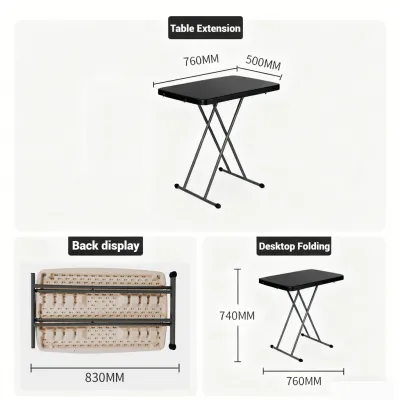
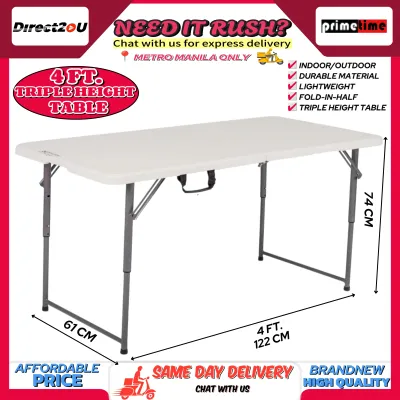
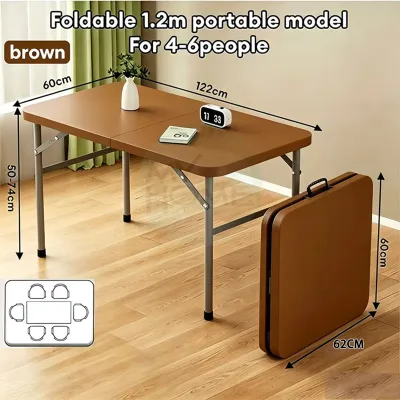
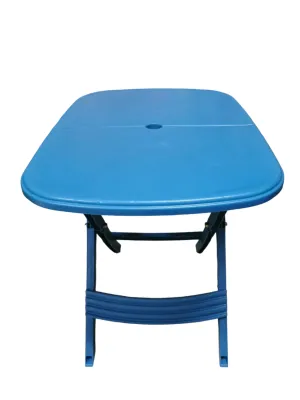
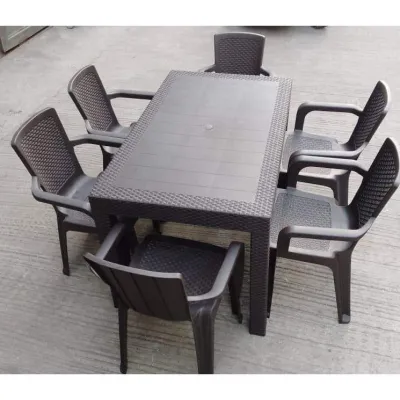
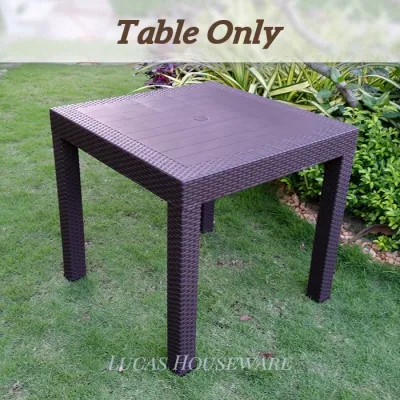
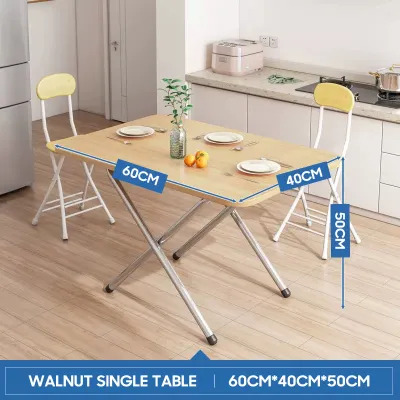
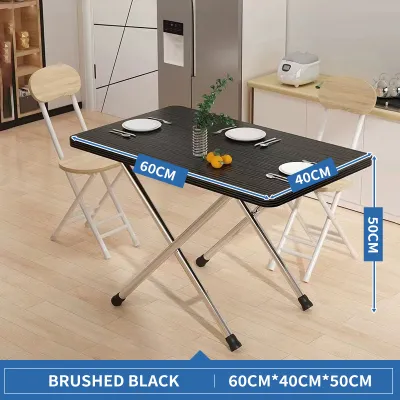
Prices are valid at publication and may change. Please refer to the product page for the latest price.

High humidity combined with the lack of direct sunlight during prolonged rainy periods creates an ideal breeding ground for mold and mildew. It is a common misconception that mold feeds on the plastic itself; instead, it thrives on the fine layer of organic debris, dust, and surface dirt that accumulates on the table. If left unchecked, this biological growth can stain the surface and become difficult to remove.
Furthermore, the rainy season in tropical climates is rarely just about rain; it involves rapid transitions between heavy downpours and intense, humid sunlight. This cycle of moisture and ultraviolet (UV) exposure can accelerate the degradation of untreated plastics. Over time, the lack of UV inhibitors in the material causes the plastic to lose its flexibility, leading to fading, micro-cracking, and eventual brittleness that makes the table prone to cracking under normal loads.
What to Look for When Buying an Outdoor Plastic Table
When shopping for an outdoor plastic table, relying solely on the general category of plastic is insufficient. You need to inspect the product labels, packaging, or manufacturer specifications for explicit outdoor use designations. Look for materials like high-density polyethylene (HDPE) or polypropylene, which are widely recognized for their density and resilience in exterior environments, and verify if they contain integrated UV inhibitors.
Examine the structural design of the table closely before purchasing. Check if the table features seamless molded joints, which minimize the areas where water can seep in and pool. If the table has hollow legs, inspect whether there are pre-drilled drainage holes at the bottom to allow trapped condensation or rainwater to escape freely. If the design incorporates metal fasteners or folding mechanisms, verify that these components are made of rust-proof hardware, such as stainless steel or powder-coated metals, to prevent rust stains from ruining your patio floor.
Stability and weight distribution are critical factors during monsoon season. Lightweight plastic tables are highly susceptible to tipping or sliding during sudden wind gusts. Evaluate the footprint of the table, looking for a wide base and a low center of gravity. Some outdoor models feature hollow frames designed to be filled with sand or water to add ballast, which significantly improves wind resistance without sacrificing the portability of the material.
Finally, do not overlook the practical logistics of installation and storage. Measure your available outdoor space, ensuring there is adequate clearance for movement even when the area is wet. Verify the dimensions of your doorways, gates, or service lifts to ensure the table can be easily moved indoors or into a storage shed during extreme weather events. If the table requires assembly, check the manufacturer’s instructions to ensure the joints are sealed tightly against moisture ingress.
Maintaining Your Plastic Table During the Rainy Season
Proper maintenance is the key to extending the lifespan of your outdoor plastic table during the wettest months of the year. Establish a routine cleaning schedule using mild dish soap, warm water, and a soft-bristled brush or microfiber cloth. This simple step removes the organic debris, pollen, and dust that trap moisture and serve as food for mold and mildew, keeping the surface clean and hygienic.
Regularly inspect and clear the drainage holes in the table’s legs and frame. During heavy downpours, dirt and small leaves can clog these openings, causing water to accumulate inside the hollow structures. Trapped water not only adds unnecessary weight and structural stress to the joints but also creates an ideal breeding ground for mosquitoes, which pose a significant health concern in tropical climates.
Always refer to the manufacturer’s care guidelines regarding extreme weather protocols. While a high-quality plastic table can withstand typical rainy days, it is highly recommended to store or securely cover the furniture during severe weather, typhoons, or prolonged periods of torrential rain. If you use a cover, ensure it is properly secured so it does not act as a sail and cause the table to tip over.
Avoid the temptation to use harsh chemical cleaners, bleach, or abrasive scrubbing pads to tackle stubborn stains or mold. These aggressive methods can strip away protective surface treatments, dull the finish, and create microscopic scratches. These micro-scratches permanently damage the aesthetic of the table and create tiny crevices where dirt and moisture can lodge, making future cleaning significantly more difficult.
Placement Strategies and Alternative Materials
Where you position your plastic table can dramatically influence its exposure to the elements and its overall longevity. Whenever possible, place the table under a roof overhang, awning, or a sturdy patio umbrella. This strategic placement reduces the direct impact of heavy rainfall and shields the furniture from the worst of the wind, while still allowing you to enjoy your outdoor space.
If the table must remain in an open area, investing in a breathable, waterproof furniture cover is an excellent protective measure. It is vital to choose a cover that features built-in ventilation flaps. Without proper airflow, humidity from the ground will become trapped beneath the cover, creating a hot, damp greenhouse effect that accelerates mold growth and can cause the plastic to warp or discolor.
If you are still weighing your options, consider how plastic compares to other weather-resistant materials. Powder-coated aluminum offers exceptional rust resistance and structural strength, though it generally comes at a higher price point and can feel hot to the touch under direct sunlight. Treated hardwood provides a classic, heavy aesthetic that resists wind easily, but it requires regular sealing and oiling to prevent rot. Plastic remains a highly practical, low-maintenance, and budget-friendly choice, provided you select a grade designed specifically for the rigors of outdoor environments.
Frequently Asked Questions (FAQ)
Will a plastic table blow away in strong monsoon winds?
Yes, lightweight plastic tables are highly susceptible to tipping or shifting during strong monsoon winds. To prevent this, look for tables with a wider base, models that allow you to add weight to the hollow legs, or secure the table to a fixed structure. During forecasted storms or typhoons, the safest approach is to fold the table or move it to a sheltered indoor area.
How do I remove mold or mildew from a plastic table?
To safely remove mold or mildew, mix a few drops of mild dishwashing liquid with warm water. Scrub the affected areas gently using a soft sponge or a soft-bristled brush to lift the organic buildup without scratching the plastic. Rinse the table thoroughly with clean water and allow it to dry completely in a well-ventilated, sunny area to eliminate remaining spores.
Can I leave my plastic table outside all year round?
While high-quality outdoor plastic tables are designed to resist water damage, leaving them exposed to continuous rain, high humidity, and intense tropical UV rays year-round will eventually shorten their lifespan. To maximize your investment, check the manufacturer’s warranty and care instructions, and consider covering or storing the table during the off-season or during periods of prolonged severe weather.

Community discussion
Share your experience or ask a question. Comments are reviewed before publication.