
Yes, plastic wardrobes can be highly durable in the humid climate of the Philippines, but their long-term success depends heavily on structural design and proper usage. Unlike traditional wood, plastic is entirely waterproof and will not rot, swell, or attract termites when exposed to high humidity. However, this water resistance is a double-edged sword: while the wardrobe frame itself remains unaffected by moisture, a poorly ventilated plastic enclosure can trap humid air inside, leading to mold and mildew growth on your stored clothes. Ultimately, the durability of a plastic wardrobe does not depend on the material name alone, but on verifying specific manufacturing labels, panel thickness, and built-in ventilation features before purchase.
How Tropical Heat and Moisture Impact Plastic Furniture
The tropical climate of the Philippines presents unique challenges for household furniture, characterized by intense seasonal heat and sustained relative humidity that often exceeds 80 percent. While plastic is inherently immune to water absorption, it is highly sensitive to temperature fluctuations. Under extreme heat, particularly in rooms without air conditioning or those with direct sun exposure, thin plastic panels can undergo thermal expansion. Over time, this constant expansion and contraction weakens the polymer chains, causing the panels to warp, sag, or become brittle.
Furthermore, high humidity combined with temperature drops at night can cause condensation to form on the interior walls of a plastic wardrobe. Because plastic cannot absorb this moisture, the water droplets cling to the surface and transfer directly to your folded garments, creating an ideal breeding ground for musty odors and mildew.
Products mentioned in this guide
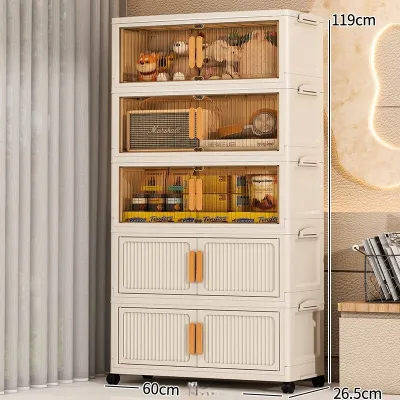
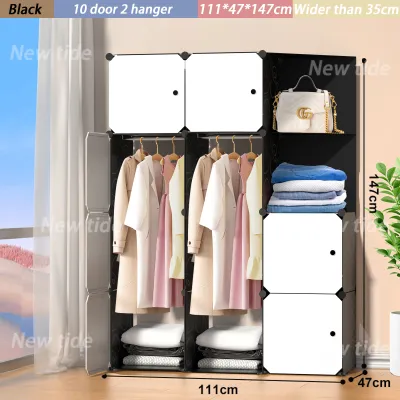
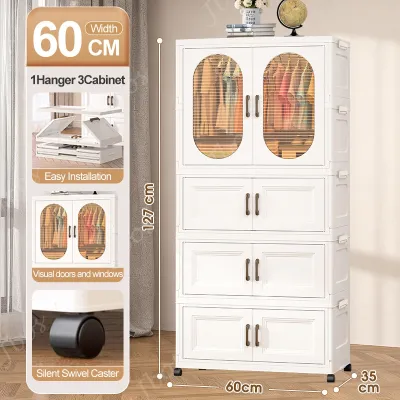
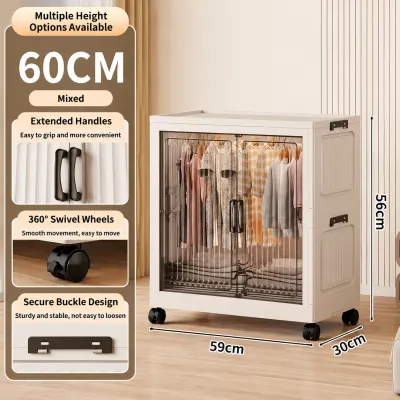
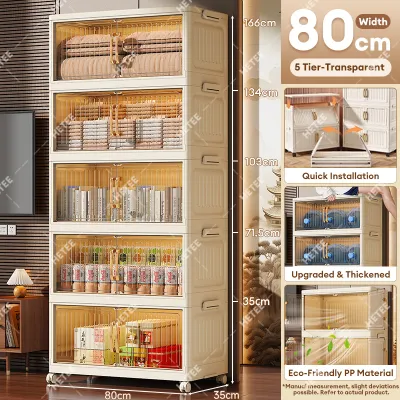
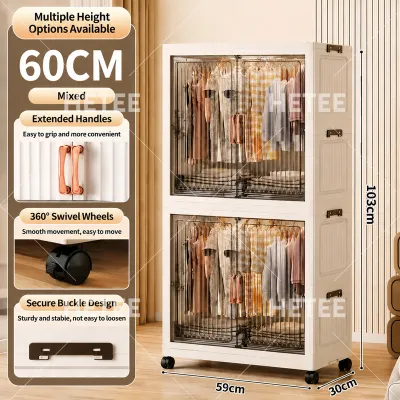
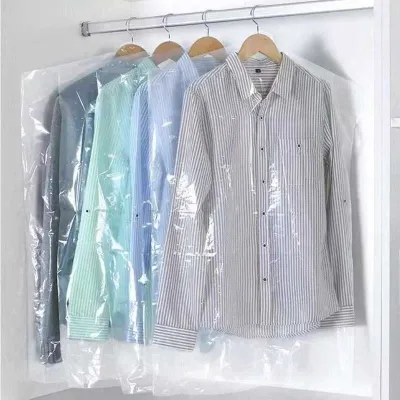
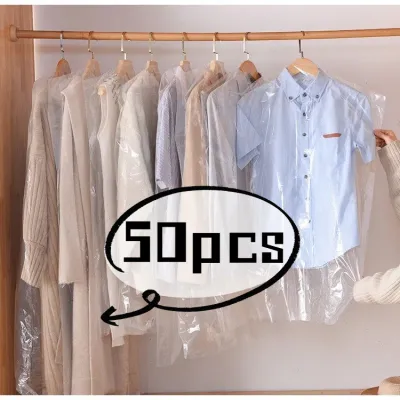
Prices are valid at publication and may change. Please refer to the product page for the latest price.
Another critical factor is ultraviolet (UV) exposure. If a plastic wardrobe is positioned near a window where it receives direct sunlight, UV radiation will gradually degrade the plastic polymers. This degradation manifests as color fading, a chalky surface texture, and eventually, micro-cracking that compromises the structural integrity of the entire unit. To ensure longevity, these physical reactions require careful placement and environmental control within the home.
Essential Checks Before Buying a Plastic Wardrobe
Selecting a plastic wardrobe that can withstand the local climate requires looking beyond aesthetics. You must evaluate the physical specifications, material composition, and structural design features that directly mitigate the risks of warping, sagging, and moisture accumulation.

Evaluating Material Labels and Panel Thickness
When browsing options on an online marketplace or in a local department store, always check the product specifications for the specific type of plastic resin used. Polypropylene (PP) and Acrylonitrile Butadiene Styrene (ABS) are common choices, with high-density variations offering better resistance to thermal warping. Look for explicit manufacturer labels indicating UV-stabilized or UV-resistant properties, especially if the wardrobe will be placed in a bright room.
Equally important is the thickness of the panels and shelves. Thin, flexible plastic sheets will quickly sag under the weight of heavy tropical wear, such as thick denim jeans, heavy cotton towels, or bed linens. Before buying, verify the manufacturer’s stated load-bearing limit per shelf. If this information is not provided, inspect the underside of the shelves for molded reinforcing ribs or support brackets, which add essential structural stiffness without relying solely on the thickness of the plastic sheet.
Assessing Ventilation and Structural Stability
To prevent humid air from becoming trapped inside your wardrobe, prioritize designs that promote continuous airflow. Look for units featuring built-in ventilation slots, louvered or slatted doors, or back panels with integrated air vents. If you are considering a modular plastic wardrobe that utilizes a metal frame with plastic panels, ensure the joints fit tightly and that any fabric or plastic covers are breathable.
Structural stability is another critical checkpoint, particularly on the slightly uneven tiled or wooden floors common in many Philippine homes. Examine the base of the wardrobe to see if it features wide, sturdy feet or adjustable levelers. Check the locking mechanisms, door hinges, and panel connectors. If the joints are loose or made of thin, brittle plastic, the wardrobe may lean or warp out of alignment once loaded with clothes, preventing the doors from closing tightly and allowing dust or pests to enter.
Daily Maintenance to Prevent Mold and Warping
Maintaining a plastic wardrobe in a humid environment requires simple but consistent routines to protect both the furniture and your clothing. Because plastic surfaces do not absorb moisture, any condensation that forms must be managed manually. Make it a habit to wipe down the interior walls and shelves at least once a month using a clean, dry microfiber cloth to remove accumulated dust and moisture.
To actively combat internal humidity, place disposable moisture absorber tubs or hanging dehumidifier bags inside the wardrobe. These products collect excess airborne water before it can settle on your garments. Additionally, never store damp clothing; ensure that laundry dried on outdoor lines is completely dry before folding and placing it inside the wardrobe, as even a small amount of residual moisture can trigger mold growth in a sealed plastic space.
Positioning is also vital for preventing heat-related damage. Place the wardrobe in a well-ventilated area of the room, away from direct sunlight and at least a few inches away from concrete walls, which can transfer external heat and moisture. Keeping windows open during dry, breezy days or running a stand fan helps maintain room airflow, preventing the localized heat buildup that causes plastic panels to soften and warp over time.
Comparing Plastic with Other Wardrobe Materials
When deciding on the best storage solution for your bedroom, it helps to compare plastic against other common furniture materials using a clear framework of practical performance criteria.
- Water Absorption: Plastic has zero water absorption, making it completely immune to swelling, rotting, or structural degradation from high humidity. In contrast, engineered wood (such as MDF or particle board) highly absorbs moisture, which often leads to swelling, peeling laminates, and structural sagging in tropical climates. Solid wood sits in the middle; while it can warp or expand with seasonal humidity changes, high-quality seasoned timber resists extreme damage if properly sealed.
- Weight and Portability: Plastic wardrobes are exceptionally lightweight and easy to disassemble, making them ideal for renters or those who frequently rearrange their rooms. Solid wood is heavy and difficult to move, while engineered wood is moderately heavy but prone to joint damage if moved frequently.
- Pest Resistance: One of the greatest advantages of plastic in the Philippines is its absolute resistance to termites (anay) and wood-boring beetles. Both engineered wood and untreated solid wood are highly susceptible to termite infestations, which can destroy a wardrobe within months.
- Load Capacity: This is where plastic has a clear limitation. Solid wood offers superior load-bearing capacity and structural rigidity, easily supporting heavy winter wear or large storage boxes. Plastic wardrobes have strict weight limits and can sag or collapse if overloaded.
- Maintenance Effort: Plastic requires minimal maintenance beyond occasional wiping. Engineered wood requires careful protection from spills and humidity, while solid wood may need periodic resealing or polishing to maintain its finish.
Always verify the specific product warranties and care instructions provided by the manufacturer, as actual performance can vary significantly based on the quality of construction and the specific grade of materials used.
Frequently Asked Questions (FAQ)
Can I place a plastic wardrobe in a bathroom or laundry area?
While the plastic panels themselves are completely waterproof and unaffected by splashes, placing a plastic wardrobe in a high-humidity zone like a bathroom or laundry area requires caution. Many plastic wardrobes utilize metal screws, magnetic door catches, or steel hinges that can quickly rust when exposed to constant steam and moisture. Furthermore, the extreme humidity in these areas will inevitably find its way inside the wardrobe, leading to mold on your stored towels or clothes. Before placing a unit in these zones, check the manufacturer’s product manual for specific wet-area suitability claims or rust-resistant hardware specifications.
How do I safely remove surface mold from plastic panels?
If you notice surface mold or mildew growing on your plastic wardrobe, it can be cleaned safely without damaging the material. Mix a mild solution of dishwashing soap and warm water, then wipe the affected areas using a soft microfiber cloth or sponge. Once clean, wipe the surfaces again with a damp cloth to remove soap residue, and dry the entire unit thoroughly with a clean towel before replacing your clothes. Avoid using harsh chemical bleach, highly acidic cleaners, or abrasive scrubbing pads, as these can scratch the plastic surface. These micro-scratches ruin the finish and create tiny grooves where mold spores and dust can easily trap and regrow in the future.
Community discussion
Share your experience or ask a question. Comments are reviewed before publication.