
To build a cozy, high-focus reading corner for a growing child, the most critical features of an arm chair are correct physical proportions, firm ergonomic support, breathable and easy-to-clean fabrics, and a stable, tip-resistant base. Selecting the right arm chair for student kids is not just about finding a miniature version of adult furniture; it requires matching the chair’s physical dimensions to the child’s current developmental stage. A well-fitted chair minimizes physical fatigue, encourages healthy posture, and helps turn reading sessions from a restless chore into a comforting daily habit.
The Role of a Dedicated Arm Chair in a Child's Reading Corner
Establishing a designated, comfortable reading corner helps a child build consistent study habits by signaling that this specific space is reserved for quiet focus. When a student has a dedicated spot free from the distractions of the bed or the dining table, their mind transitions more easily into a state of concentration.
Using adult-sized furniture for extended reading or study sessions can lead to significant physical drawbacks for a growing child. When seated in a chair that is too large, children often slouch, dangle their feet, or lean awkwardly to reach armrests, which quickly causes muscle fatigue and restlessness.
Products mentioned in this guide

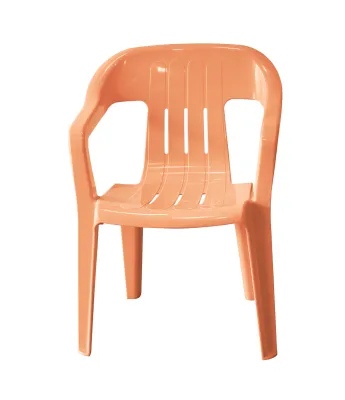
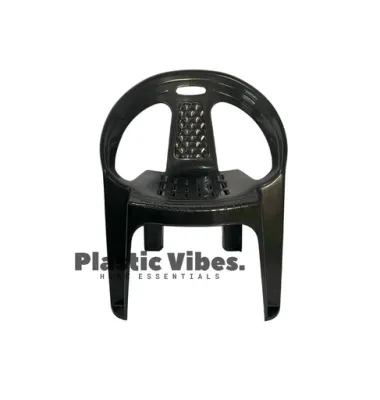
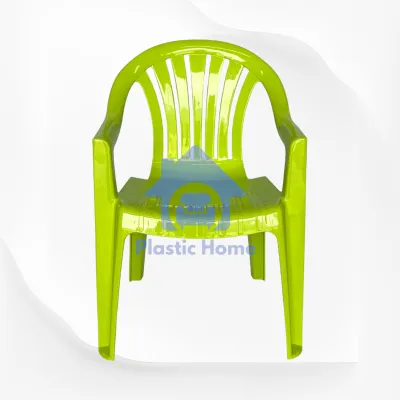
Prices are valid at publication and may change. Please refer to the product page for the latest price.
This physical discomfort directly disrupts concentration, leading to shorter reading times and a negative association with study activities. Selecting a dedicated arm chair for student kids balances their unique physical proportions with ergonomic support, creating an inviting, functional environment where they can comfortably read for longer stretches.
Choosing an Arm Chair for Student Kids: Size and Proportions
Finding the correct dimensions requires looking beyond age recommendations and focusing on your child’s actual physical measurements. Children grow at highly individual rates, making a standardized “kids’ size” label unreliable for long-term comfort and postural health.

Seat Height and Foot Placement
The seat height must allow your child’s feet to rest completely flat on the floor while their knees form a clean 90-degree angle. If the seat is too high, their legs dangle, putting pressure on the back of the thighs, restricting blood circulation, and causing them to slide forward. If the seat is too low, their knees push upward, shifting their body weight backward and straining the lower spine.
Seat Depth and Circulation
Seat depth determines how far back your child can sit while maintaining proper leg positioning. Ideally, there should be a small gap—approximately two fingers’ width—between the back of the child’s knees and the front edge of the seat cushion. A seat that is too deep forces the child to slouch to get back support, while a seat that is too shallow fails to support the thighs adequately.
Armrest Height and Shoulder Alignment
Armrests should support the elbows naturally at a 90-degree angle without forcing the child to shrug their shoulders or lean to one side. When armrests are positioned correctly, they relieve strain on the neck and upper back muscles during long reading sessions. If the armrests are too high or too far apart, the child will constantly shift weight, leading to uneven muscle tension.
Actionable Measuring Steps
To find the perfect fit, have your child sit on a flat surface with their knees bent at a 90-degree angle and feet flat. Measure the distance from the back of the knee to the bottom of the heel to determine the ideal seat height. Next, measure from the back of the buttocks to the back of the knee to find the target seat depth, and measure the width of their hips to ensure the seat width offers comfortable clearance. Compare these custom measurements directly against the manufacturer’s specification sheet before purchasing.
Ergonomics and Posture: Supporting Extended Reading Sessions
Maintaining healthy spinal alignment during extended study sessions is essential for preventing long-term posture issues. A well-designed chair supports the natural curves of a child’s developing spine, distributing their body weight evenly and reducing muscle strain.
Backrest Angle and Lumbar Support
Look for a backrest that features a slight recline—ideally between 100 and 110 degrees—paired with firm, built-in lumbar support. This gentle angle opens up the hips and reduces pressure on the spinal discs, while the lumbar curve prevents the lower back from rounding into a slouch. A completely vertical backrest can feel too rigid, while an excessive recline encourages lounging rather than active reading focus.
Cushion Density and Support
The internal cushion material plays a vital role in maintaining skeletal alignment over time. Select a high-density, medium-firm polyurethane foam that holds its shape under weight rather than an overly soft, plush stuffing. Soft cushions may feel comfortable initially, but they allow the child’s pelvis to sink and tilt backward, which curves the spine and leads to early fatigue.
Headrest Considerations
An integrated headrest can provide additional comfort, but it is only beneficial if it aligns naturally with the curve of the child’s neck. If a headrest is too low or protrudes too far forward, it will push the child’s head downward, straining the neck muscles. If the chair’s backrest is not tall enough to support the head safely without awkward angles, choose a mid-back design that allows free neck movement.
Observing Posture in Real Time
Once the chair is in your home, observe your child while they are actively reading or studying. Check if their lower back is resting fully against the backrest and verify that they are not sliding down or leaning heavily to one side. If you notice them shifting constantly, the chair may lack the necessary structural support or require a small lumbar pillow adjustment.
Fabric and Materials: Balancing Breathability, Spills, and Durability
In a tropical climate characterized by high humidity and warm temperatures, the choice of upholstery material directly affects daily comfort. Selecting the wrong fabric can make the reading corner feel hot, sticky, and uninviting, discouraging your child from using the space.
Breathability in Tropical Climates
Prioritize highly breathable textiles such as cotton-linen blends, canvas, or specialized performance woven fabrics. These materials allow air to circulate freely, preventing heat buildup and sweat accumulation during warm afternoons. Avoid synthetic leather or heavy vinyl coverings, as they trap heat and can stick to bare skin in non-air-conditioned rooms.
Stain Resistance and Practical Cleaning
A child’s study area is highly susceptible to accidental spills, ink stains, and snack crumbs. Look for fabrics treated with manufacturer-applied water- and stain-resistant finishes, or prioritize chairs with fully removable, machine-washable slipcovers. Removable covers simplify maintenance, allowing you to wash away dirt and allergens without damaging the internal cushioning.
Tightly Woven Durability
Active children subject furniture to significant wear and tear, from climbing into the seat to accidental friction from toys. Check the manufacturer’s product specifications for high-durability ratings, or opt for tightly woven fabrics that resist pilling, snagging, and fraying. A durable weave ensures the chair retains its structural integrity and neat appearance through years of daily study.
Verifying Care Instructions
Before applying any household cleaners or stain removers, always read the manufacturer’s care label attached to the chair. Avoid using harsh chemical solvents on performance fabrics, as these can strip away protective coatings or degrade the fibers. If the care instructions are unclear, test any cleaning solution on a small, hidden portion of the fabric first to check for colorfastness.
Safety Checks: Stability, Edges, and Material Labels
Safety is paramount when selecting furniture for a child’s room, requiring a thorough inspection of the chair’s physical construction and chemical composition. Because children often shift their weight, lean over the armrests, or climb into the seat, the chair must remain exceptionally stable under dynamic movement.
Preventing Tipping Hazards
Look for an arm chair designed with a wide, low-center-of-gravity base to prevent the unit from tipping over. Solid wood frames or heavy steel bases provide excellent stability compared to lightweight plastic alternatives. Test the chair yourself by applying downward pressure to the armrests and the front edge of the seat to ensure it does not wobble or tilt forward.
Rounded Edges and Secure Hardware
Carefully inspect the physical frame for sharp corners, exposed hardware, or rough joints that could cause scrapes or bruises. Choose designs with rounded wooden or padded edges on the armrests, backrest, and legs. Ensure that all screws, bolts, and brackets are recessed, capped, or flush with the frame to prevent clothing from catching or skin from scratching.
Chemical and Material Safety Labels
Do not assume that all youth-oriented furniture is automatically free from harmful chemical emissions. Check the product documentation or manufacturer labels for certifications indicating low chemical emissions, such as Greenguard Gold or compliance with local safety standards. Verify that the wood finishes, adhesives, and flame retardants used do not release high levels of formaldehyde or volatile organic compounds (VOCs) into your home’s indoor air.
Completing the Reading Corner: Lighting, Layout, and Pairings
Once you have selected the ideal arm chair, integrating it into a well-planned layout maximizes its utility and appeal. The surrounding elements should work together to create a calm, distraction-free environment that invites your child to sit down and focus.
Optimizing Lighting for Eye Health
Position an adjustable floor lamp or a dedicated reading light slightly behind and to the side of the arm chair. This placement ensures the light illuminates the pages of the book directly without casting shadows from the child’s head or hands. Use warm-white LED bulbs that provide sufficient brightness without generating excessive heat or causing harsh screen glare.
Functional Furniture Pairings
Pair the arm chair with a small, stable side table to keep essential study tools, books, or a glass of water within easy reach. Ensure the table features a heavy, non-tip base and is set at a height that matches the chair’s armrests. Keeping these items close by reduces the need for your child to constantly stand up, helping them maintain their reading flow.
Defining the Space and Layout
Place a washable, non-slip area rug underneath the chair and side table to visually define the reading zone and provide acoustic dampening. Position the entire setup in a quiet, well-ventilated corner of the room, away from high-traffic household paths and direct sunlight. Ensuring proper airflow and a peaceful atmosphere makes the reading corner a highly desirable retreat for your child’s daily study routine.
Community discussion
Share your experience or ask a question. Comments are reviewed before publication.