
A child’s study corner requires a seating solution that balances comfort, stability, and proper posture during homework sessions. While the traditional Filipino bangkito—a small, low stool—is a household staple for quick chores, adapting this classic design for a dedicated study space requires careful attention to specific ergonomic features. Selecting the right bangkito chair involves matching the seat height to the desk, evaluating back support, and verifying the overall stability of the frame to ensure your child remains focused and comfortable.
Matching Chair Height to the Study Desk
The relationship between the height of the bangkito chair and the study desk is the foundation of a comfortable study corner. Before purchasing any seating, parents should measure the vertical distance from the floor to the top surface of the study desk. A fixed-height bangkito must leave enough clearance for the child’s thighs while ensuring the seat is not so low that the child has to reach upward to write.
To check the alignment, observe your child’s posture when they sit on the chair. Their feet must rest completely flat on the floor to distribute body weight evenly and reduce pressure on the lower back. If the bangkito is too tall, their legs will dangle, which can restrict circulation and cause restlessness during study sessions.
Products mentioned in this guide
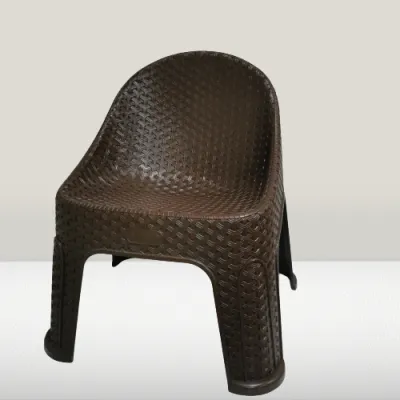
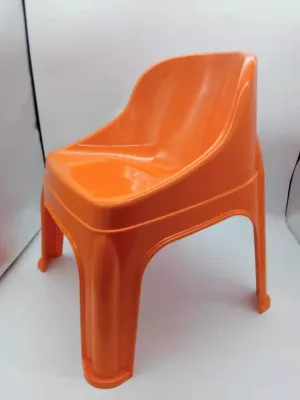
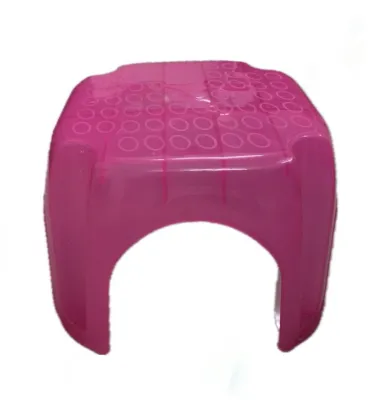
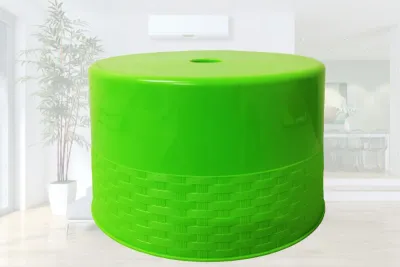
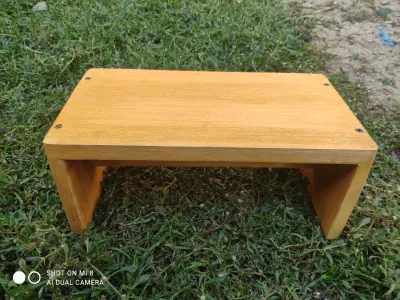
Prices are valid at publication and may change. Please refer to the product page for the latest price.
If you are using an existing desk that is slightly too high for a standard child-sized bangkito, a supplementary footrest becomes necessary. A sturdy wooden block or a dedicated footstool can bridge the gap, allowing the child’s knees to remain bent at a comfortable 90-degree angle while keeping their feet fully supported.
Another critical checkpoint is the position of the child’s elbows. When sitting upright, the child’s elbows should rest naturally at a 90-degree angle on the desk surface. If the desk is too high relative to the chair, the child will be forced to shrug their shoulders, leading to muscle tension in the neck and upper back.
Conversely, if the chair is too high, the child will slouch forward to reach their books or laptop. This hunched posture strains the developing spine and can lead to fatigue early in their study session. Taking precise measurements of both the desk and the candidate chair ensures a harmonious setup from day one.
Evaluating Back Support for Long Sessions
Traditional bangkitos are typically backless stools designed for short-duration tasks around the home. While these are excellent for quick activities, extended study sessions require a modified bangkito chair that features an integrated backrest. A supportive backrest helps the child maintain an upright posture as their muscles tire over time.

When evaluating a bangkito chair with a backrest, look closely at the contour of the support. The backrest should follow the natural, gentle curve of the child’s lower spine. Avoid flat, rigid boards that offer no lumbar support, as well as overly deep curves that force the child into an awkward, unnatural position.
The backrest should provide firm support without pushing the child too far forward on the seat. If the backrest is positioned too far forward, it reduces the usable seat depth, making the child feel as though they are slipping off the edge of the chair.
Seat depth is another crucial dimension to verify. When the child sits all the way back with their spine resting against the backrest, there should still be a small gap—about two fingers wide—between the back of their knees and the front edge of the seat. This gap prevents the seat edge from pressing against blood vessels and nerves behind the knees.
If the seat is too deep, the child will either slouch forward to bend their knees over the edge, losing all back support, or sit back and have their legs stick straight out. Choosing a bangkito chair specifically scaled for children prevents these postural compromises and encourages longer periods of focused attention.
Verifying Stability and Build Quality
Children are naturally active and frequently shift their weight, lean sideways, or reach for school supplies while seated. Therefore, the stability of a study bangkito is paramount. Inspect the base of the chair; a slightly splayed leg design where the feet extend slightly wider than the seat provides a broader center of gravity and prevents tipping.
Examine the materials and joinery of the chair. In tropical climates, high humidity can affect wood and adhesives over time. Look for robust joinery, such as mortise-and-tenon joints or reinforced metal screws, rather than simple glue-and-nail construction which can loosen under daily use.
Always check the manufacturer’s weight capacity limits and material specifications, which are typically printed on the product packaging or an attached label. Whether you are looking at budget-friendly options under ₱1,000 or premium solid wood models, verifying these structural details ensures long-term value. Ensuring the chair is rated for your child’s current weight—with room for growth—guarantees that the frame can withstand daily wear and tear without structural failure.
Safety is also in the details. Run your hands along the edges of the wooden or plastic bangkito to ensure there are no sharp corners, splinters, or rough patches that could snag clothing or scratch skin. Rounded edges are highly recommended for children’s furniture to minimize the risk of minor bumps.
Finally, inspect the bottom of the chair legs. Non-slip rubber or silicone foot caps are essential features. They prevent the chair from sliding unexpectedly when the child sits down or stands up, and they protect your home’s tiled or wooden flooring from unsightly scratches and scuffs.
Optimizing the Study Corner Setup
Creating an effective study corner goes beyond selecting the right chair; it requires optimizing the entire immediate environment. Position the desk and the bangkito chair in a way that allows ample legroom underneath. Avoid cluttering the under-desk space with storage boxes or cables, which can force the child to sit at an angle or restrict their leg movement.
Proper lighting is another critical factor that influences posture. Position the study corner near a window for natural light, or install a dedicated desk lamp that illuminates the workspace clearly. Poor lighting often causes children to lean forward and slouch to see their books, defeating the ergonomic benefits of a well-fitted chair.
If you are working with a fixed-height desk and a non-adjustable bangkito, you may need to introduce adaptive accessories. A simple wooden footstool can support the feet, while a desk riser or a slanted writing board can bring reading materials closer to eye level, reducing neck strain.
Consider the climate of the study space as well. In warm, humid environments, choosing a bangkito chair with a breathable wooden or slatted seat can improve comfort during long afternoon study sessions. A small seat cushion made of breathable fabric can also be added, provided it does not raise the child too high relative to the desk.
By thoughtfully arranging the desk, chair, lighting, and accessories, you create a dedicated zone that signals to your child it is time to focus. This holistic approach ensures that the ergonomic features of the bangkito chair are fully utilized, supporting healthy physical development and better study habits.
Frequently Asked Questions (FAQ)
Can a traditional backless bangkito be used for long study sessions?
A traditional backless bangkito is not recommended for extended study sessions. Without a backrest, the child’s core muscles must work constantly to keep the spine upright, which quickly leads to postural fatigue, slouching, and discomfort during long homework tasks.
To support healthy posture, limit the use of backless stools to short activities, such as a quick ten-minute reading task or a drawing session. For daily homework and online classes, transition to a modified bangkito chair that features a supportive backrest and proper lumbar alignment.
How do I know if the bangkito chair is the right size for my child?
You can verify the fit by checking three key physical alignments when your child is seated. First, their feet should rest flat on the floor or a footrest. Second, their knees should form a comfortable 90-degree angle without the seat edge pressing hard against the back of their legs.
Finally, their elbows should rest comfortably on the desk surface at a 90-degree angle without forcing their shoulders to shrug. Always consult the manufacturer’s recommended age, height, or weight guidelines on the product label to ensure the chair matches your child’s current developmental stage.

Community discussion
Share your experience or ask a question. Comments are reviewed before publication.