
For generations, the traditional banig has served as a reliable, cooling sleep surface in households across the Philippines. This handwoven mat, typically crafted from local materials like buri, pandan, or tikog leaves, provides an ultra-firm feel and excellent ventilation that naturally combats the country’s intense tropical heat and high humidity. However, as modern mattresses with advanced cooling technologies, pressure-relieving foams, and supportive coil systems become more widely available, many sleepers are left wondering if it is time to transition.
Deciding whether to upgrade from a banig to a modern mattress depends entirely on your current physical comfort, sleep quality, and budget. While a mattress offers superior pressure relief for aching joints, a banig remains an unmatched, highly affordable option for those who prefer maximum firmness and natural airflow. Before making a costly investment, it is essential to evaluate your personal sleep patterns and determine whether a simple adjustment to your current setup can resolve your sleep issues.
Signs Your Current Banig Setup Is Affecting Your Sleep
Sleeping on a traditional banig is a time-tested practice, but it may not support every body type or sleep posture as physical needs change over time. One of the most common signs that your sleeping surface is no longer suitable is waking up with persistent lower back stiffness or localized joint pain. Because a banig provides an ultra-firm, non-conforming surface, it offers very little pressure relief for prominent areas like the shoulders and hips. If you consistently experience soreness in these pressure points when you wake up, your body may be signaling a need for a more cushioning surface.
Products mentioned in this guide
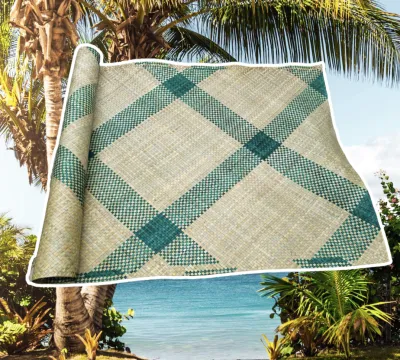
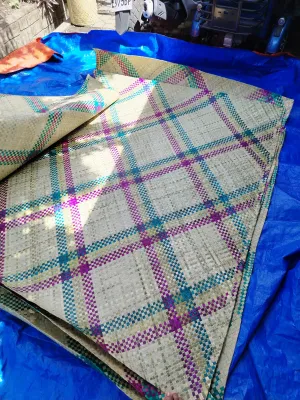
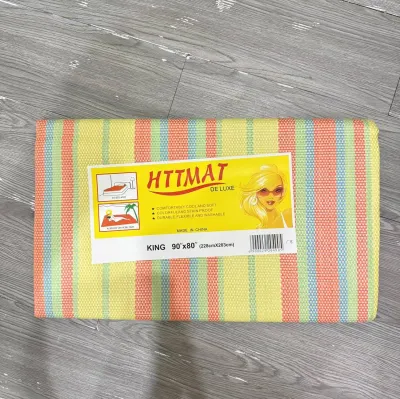
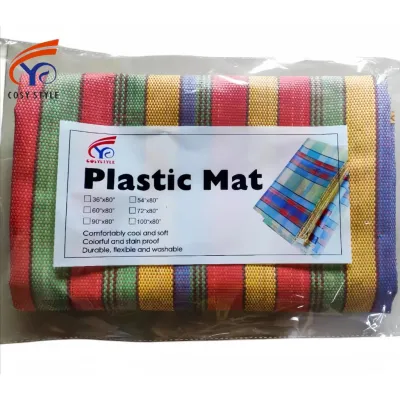
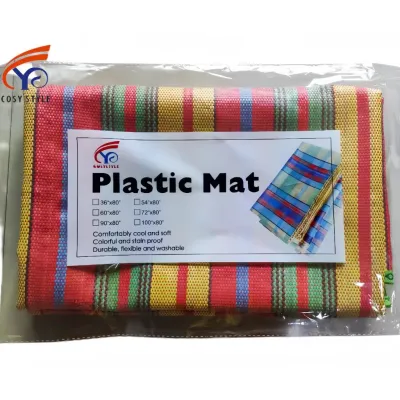

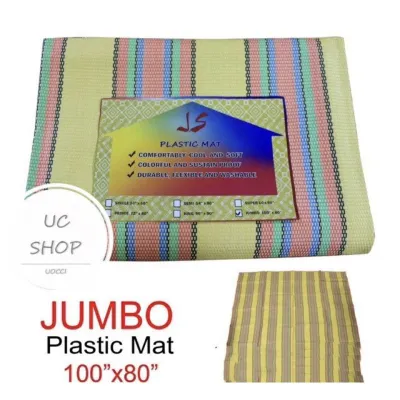

Prices are valid at publication and may change. Please refer to the product page for the latest price.
Another critical indicator to monitor is your body temperature and sweat levels during the night. Although the woven structure of a banig naturally permits airflow, you might still find yourself tossing and turning from excessive heat. This discomfort can happen if the mat is placed directly on a solid, uninsulated floor that traps ambient heat, or if the room lacks adequate cross-ventilation. Tracking how often you wake up feeling hot or damp over a two-week period can help you isolate whether the issue lies with the sleeping surface itself or the overall room environment.
Hygiene and allergen accumulation can also quietly disrupt your sleep on a traditional mat. Over time, the intricate crevices of a woven banig can trap microscopic dust, dead skin cells, and ambient moisture from high tropical humidity. If you frequently wake up with morning congestion, sneezing, or mild skin irritation, it could be a sign of dust mite activity or mold spores developing within the natural fibers. Observing these physical symptoms daily will help you determine if your sleep environment requires a deep cleaning, a structural adjustment, or a complete replacement.
How Traditional Banig and Modern Mattresses Handle Tropical Heat
To make an informed decision, you must understand how different sleep surfaces interact with the humid, warm climate of the Philippines. A traditional banig excels at thermal regulation primarily due to its thin, woven construction. Because it does not contain thick layers of dense insulation, it does not trap body heat. Air flows freely through the weave and around your body, allowing heat to dissipate rapidly. This structural simplicity makes the banig exceptionally cool when paired with a simple electric fan or natural evening breezes.

In contrast, modern mattresses present a wide spectrum of thermal performance that depends heavily on their internal design and material composition. It is a common misconception that all modern mattresses trap heat; however, performance varies significantly across different types.
Innerspring and pocket spring mattresses feature a largely hollow core filled with steel coils. This open structure allows substantial air circulation throughout the mattress body, making them naturally cooler than solid foam options.
Natural latex mattresses derived from rubber trees feature an open-cell structure and are often manufactured with pin core holes to promote ventilation. While latex offers a responsive, floating feel, you should verify that the manufacturer has not mixed it with synthetic fillers that reduce breathability.
Traditional memory foam is highly dense and sensitive to body heat, which causes it to contour closely to your shape. This close contouring can create a heat-trapping envelope around your body.
When evaluating modern options, never assume a mattress will sleep cool simply because it is labeled as latex or cooling foam. You must actively check the manufacturer’s specifications for structural ventilation features, such as open-cell foam formulations, gel infusions designed to conduct heat away, or specialized breathable cover fabrics like Tencel or bamboo-derived rayon. Always look for detailed descriptions of the mattress’s airflow channels to ensure the design can handle high tropical humidity.
Evaluating Your Sleep Needs: When to Keep, Adjust, or Upgrade
An upgrade is not always the most practical or comfortable solution for every sleeper. By assessing your budget, physical comfort, and current sleep setup, you can choose the most logical path forward.
When to Stick with Your Banig
You should continue sleeping on your traditional banig if you naturally prefer an ultra-firm sleeping surface and wake up feeling refreshed without any joint pain. For many, the flat, rigid support of a woven mat is highly comfortable and familiar. Additionally, if you have strict budget constraints, keeping your banig is the most sensible financial choice, as a high-quality cooling mattress can be a significant investment. If your primary concern is occasional heat during the hottest months, a well-ventilated room paired with a banig will often sleep cooler than a poorly constructed, cheap foam mattress that lacks proper airflow design.
When to Adjust Your Current Setup
If you are experiencing mild discomfort but are not ready to purchase a new mattress, several low-cost, reversible modifications can significantly improve your sleep quality.
- Add a natural-fiber topper: Placing a thin, breathable topper made of cotton or natural latex over your banig can introduce a layer of pressure relief without sacrificing the firm, stable base underneath.
- Upgrade your bedding: Invest in moisture-wicking sheets made of linen, bamboo, or high-thread-count cotton to enhance heat dissipation.
- Install a protective barrier: If allergies are a concern, use a washable, hypoallergenic mattress protector or cover over your mat to prevent dust from settling into the weave.
- Optimize airflow: Position an electric fan to blow air across the floor level, or ensure your air conditioning unit is clean and functioning efficiently to lower ambient humidity.
When It Is Time to Upgrade to a Modern Mattress
An upgrade to a modern mattress becomes necessary when physical discomfort turns into chronic pain. If you consistently wake up with aching shoulders, hips, or lower back stiffness that persists throughout the morning, your body requires the contouring pressure relief that only a thicker, supportive mattress can provide. Furthermore, if your banig is physically fraying, splintering, or losing its structural integrity, it can pose a safety risk and should be retired. Finally, if you suffer from severe respiratory allergies or asthma that cannot be managed despite regular cleaning and protective covers, transitioning to a modern mattress with a sealed, hypoallergenic core is the most effective way to secure a hygienic sleep environment.
What to Check Before Buying a Modern Mattress in the Philippines
If you decide that a modern mattress is the right choice for your home, you must approach the purchase with careful planning to avoid common installation and performance pitfalls. First, measure the finished dimensions of your bedroom floor or bed frame precisely. Compare these measurements against the physical dimensions of the mattress you intend to buy. Additionally, plan the delivery route carefully: verify that the mattress can easily fit through your home’s doorways, narrow hallways, staircases, or elevator cabins. Many modern mattresses are heavy and rigid, making tight corners a major obstacle during installation.
Next, inspect the structural specifications of the mattress rather than relying on generic marketing claims. Check the manufacturer’s official documentation for details on the support core structure and edge support. A mattress with weak edge support can sag prematurely when you sit on the side, reducing the usable sleeping surface. You should also verify the warranty terms directly on the product label; look for specific clauses regarding sagging depth and coverage duration.
Finally, prioritize brands that offer clear trial periods and straightforward return policies. Testing a mattress in a showroom for a few minutes does not guarantee it will remain comfortable through a hot, humid night. A trial period of at least 30 to 100 nights allows your body to adjust and helps you verify if the cooling features actually perform under local tropical conditions. Always read the care instructions provided by the manufacturer to understand how to protect the mattress from mold and moisture buildup in high-humidity environments.
Frequently Asked Questions (FAQ)
Can I place a modern mattress directly on top of a banig?
No, you should not place a modern mattress directly on top of a banig. Modern mattresses require a solid, flat, and rigid foundation—such as a slatted bed frame, a box spring, or a flat wooden platform—to distribute weight evenly and prevent the internal structure from sagging. A banig is a flexible, thin woven mat that does not provide the structural support needed to keep a heavy mattress stable. Placing a mattress on an unstable or uneven surface can damage its core, compromise your spinal alignment, and void the manufacturer’s warranty.
Do memory foam mattresses sleep hot in tropical climates?
Traditional, high-density memory foam mattresses do tend to retain body heat because they contour closely to your body and restrict airflow around your skin. However, many modern foam mattresses are engineered specifically for warm climates. If you prefer the feel of memory foam, look for models that feature open-cell structures, gel infusions, or phase-change materials designed to actively dissipate heat. Always verify these features in the technical specifications of the product rather than relying on general material labels.
Community discussion
Share your experience or ask a question. Comments are reviewed before publication.