
Quick Guide to Local Material Bar Table Partitions
An effective bar table partition serves as a functional zoning tool in modern open-concept living rooms. It defines the boundary between your living area and the kitchen or dining space without the light-blocking and airflow-restricting effects of solid drywall. This open layout is particularly vital in tropical climates, where natural cross-ventilation and daylight help keep home interiors cool and bright.
Using local materials like rattan, bamboo, and acacia wood allows you to introduce organic textures that soften the clean lines of modern architecture. These materials offer distinct design profiles, ranging from the airy, retro-modern feel of woven wicker to the bold, grounded presence of solid hardwood.
When selecting a bar table partition, your primary focus should be on structural integrity and surface protection. Because a bar-height surface experiences significant lateral pressure when leaned on, the underlying frame and joinery must be exceptionally robust. Furthermore, proper surface treatments are essential to ensure these natural materials can withstand daily spills, high humidity, and temperature shifts.
Products mentioned in this guide
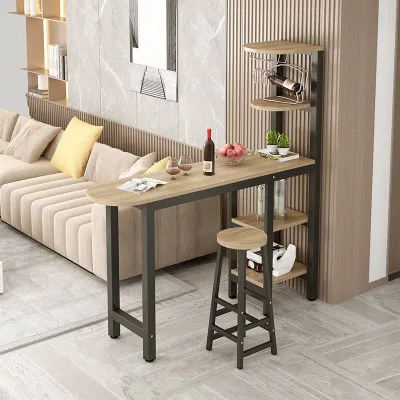
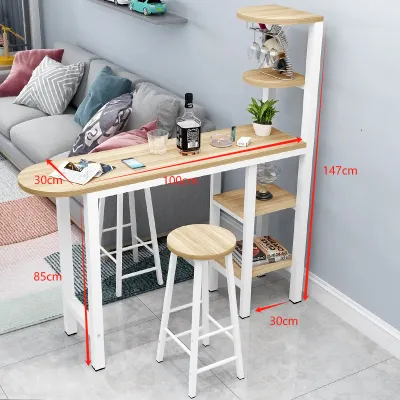
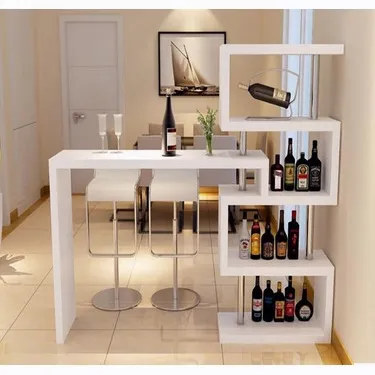
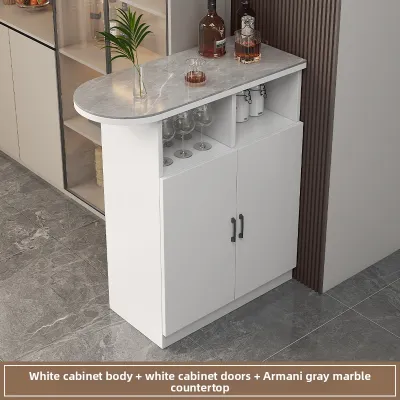
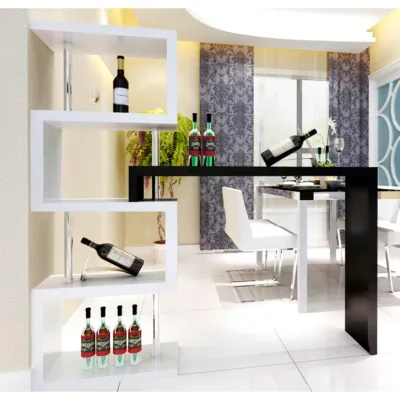
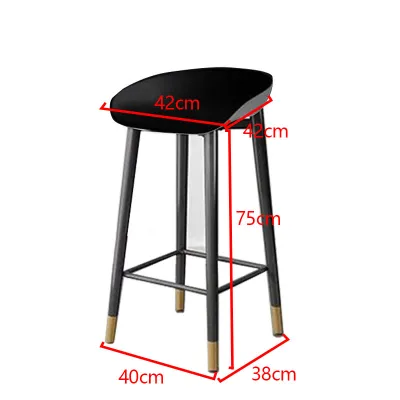
Prices are valid at publication and may change. Please refer to the product page for the latest price.
Top Material Choices for Modern Filipino Bar Partitions
Selecting the right material for your bar table partition depends on your aesthetic preferences, the layout of your room, and how you intend to use the surface. Local Filipino materials offer a beautiful spectrum of densities, textures, and structural capacities. Understanding how these materials behave under daily use will help you choose a piece that is both visually stunning and highly durable.

Rattan and Wicker Weaves
Rattan is one of the most versatile and celebrated local materials in contemporary design. It is highly valued for its ability to filter light and add rich, organic texture to modern tropical interiors. Using woven rattan panels—such as the classic solihiya pattern—creates a visual boundary that maintains an open, breezy atmosphere in compact living rooms.
While rattan excels at creating lightweight, decorative screens, it lacks the inherent density to support heavy loads on its own. For a functional bar table partition, the rattan weaving must be integrated into or backed by a sturdy structural frame. Solid wood or powder-coated metal frames are commonly used to provide the necessary rigidity, ensuring the bar top remains stable when you place drinks, books, or laptops on it. Without this robust framing, the woven panels can sag or pull away from the edges over time.
When evaluating a rattan partition, inspect the density and tension of the weave. High-quality pieces feature tight, uniform weaving with minimal loose ends or gaps. You should also verify with the maker or seller that the rattan has been treated with protective sealants and anti-pest solutions. Natural, untreated rattan is highly vulnerable to moisture absorption and wood-boring insects, so a proper clear-coat finish is essential to preserve its appearance and structural strength in humid climates.
Treated Bamboo
Bamboo offers a clean, linear aesthetic that aligns perfectly with minimalist and contemporary organic interior styles. When arranged in vertical slats or closely set poles, bamboo adds visual height to a room, drawing the eye upward and making low-ceilinged spaces feel more expansive. It serves as an excellent semi-private screen that allows air to flow freely while clearly demarcating your living zone.
To ensure your bamboo partition lasts for years, you must verify that the material has undergone proper preservation treatments before assembly. Raw, untreated bamboo contains natural sugars that attract pests and is highly prone to splitting as humidity levels fluctuate. Look for partitions crafted from bamboo that has been carbonized, pressure-treated, or soaked in a borax-boric acid solution. These processes remove the starches and stabilize the fibers, significantly reducing the risk of insect infestation and cracking.
Joint construction is another critical area to examine on a bamboo bar partition. Unlike solid wood, which can be easily joined with standard mortise-and-tenon joints, bamboo’s hollow structure requires specialized joinery techniques. High-quality bamboo furniture utilizes dowels, internal metal connectors, or heavy-duty wrapping at the joints to prevent shifting. Check these connection points closely to ensure there is no play or movement when pressure is applied to the frame.
Acacia and Solid Wood
For households requiring a heavy-duty, highly functional partition, solid acacia wood is an exceptional choice. Acacia is a dense, durable hardwood that can easily support the weight of heavy bar appliances, multiple place settings, and daily dining activities. A solid acacia bar top provides a stable, reliable surface for working from home, casual meals, or entertaining guests.
Aesthetically, acacia is famous for its dramatic, contrasting grain patterns, which display a beautiful mix of deep chocolate browns, warm gold, and creamy sapwood. This rich variation anchors a modern Filipino living room, providing a warm, grounded focal point that contrasts beautifully with neutral walls and metal fixtures. The substantial weight of solid wood also means the partition is highly stable and less likely to tip over than lighter material alternatives.
Before purchasing an acacia partition, it is crucial to inquire about the wood’s preparation and seasoning. Solid wood naturally expands and contracts in response to changes in humidity, which can lead to warping or splitting if the wood was not dried correctly. Ensure the manufacturer has used kiln-dried timber, which reduces the internal moisture content to a stable level. Additionally, inspect the quality of the protective topcoat—such as a polyurethane or marine-grade varnish—to ensure the wood is fully sealed against water rings, spills, and humidity.
How to Match the Partition to Your Living Room Layout
Integrating a bar table partition into your living room requires careful spatial planning to ensure the piece enhances, rather than hinders, your daily movement. Start by measuring your available floor space and mapping out the partition’s footprint. A standard bar table height is between 40 and 42 inches (about 101 to 107 cm), which naturally creates a visual boundary while keeping sightlines open across the room.
When planning the layout, you must account for the space required for seating and walkways. Each bar stool requires approximately 24 to 30 inches (60 to 76 cm) of horizontal width along the bar top to allow people to sit comfortably without feeling crowded. Additionally, ensure there is at least 36 inches (91 cm) of clear clearance behind the stools when they are in use. This prevents the seating area from blocking major walkways and maintains a smooth traffic flow through the living room.
The placement of the partition should also respect the natural airflow and lighting of your home. In tropical climates, blocking a window or a major cross-breeze pathway can make the entire living space feel stuffy and warm. Position a semi-open partition, such as one featuring rattan weaves or vertical bamboo slats, perpendicular to windows or open doorways. This allows light to filter through and preserves the path of natural breezes while still achieving the desired zoning effect.
Finally, do not overlook the logistics of delivery and assembly. Solid wood partitions, particularly those made from heavy acacia, can be incredibly heavy and difficult to maneuver. Measure the dimensions of your entryways, hallways, stairwells, and elevator doors before finalizing your purchase or commissioning a custom piece. If your home has tight corners or narrow stairs, consider choosing a modular design or a partition that can be assembled on-site by the delivery team to avoid delivery day complications.
Essential Quality Checks Before Buying or Commissioning
Investing in a high-quality bar table partition requires a keen eye for detail, especially when dealing with natural, handcrafted local materials. Conducting a thorough physical inspection ensures that your chosen piece is safe, durable, and capable of handling daily wear. Use the following checklist to evaluate any partition before making a final decision.
- Structural Stability: The most critical safety check for any bar-height furniture is its stability. Because bar tables are tall and narrow, they have a higher center of gravity, making them more susceptible to tipping than standard dining tables. Gently push the top of the partition from different angles to test for wobbling or flexing. The base should be wide, heavily weighted, or designed to be anchored directly to the floor or an adjacent wall. If the unit sways or lifts off the ground easily, it poses a safety hazard, particularly in active households.
- Surface and Finish: Run your hands carefully along the edges, corners, and underside of the bar top and partition panels. Look for splinters, rough patches, or uneven coatings that could snag clothing or cause minor skin injuries. In woven rattan sections, check for sharp, protruding fiber ends or loose weaves that could unravel over time. The protective sealant should feel smooth and uniform across the entire surface, indicating that the material is fully protected from moisture and daily contact.
- Hardware and Joints: Examine the connection points where different structural elements meet. All screws, brackets, bolts, and wooden dowels should be perfectly flush with the surface and tightly secured. Loose or protruding hardware can damage clothing and indicates poor assembly quality. In humid tropical environments, standard steel hardware can quickly rust, compromising the piece's structural integrity. Ensure the manufacturer has used rust-resistant hardware, such as brass, stainless steel, or properly coated fasteners, to assemble the frame.
- Weight Capacity: Do not assume that because a material is natural and heavy, it can support unlimited weight. Ask the seller or manufacturer for the specific weight limit of the bar top. This is especially important if you plan to place heavy items on the surface, such as espresso machines, large ceramic planters, or multiple serving platters. Knowing the rated weight capacity helps you prevent structural sagging, joint failure, or tipping incidents during daily use.
Caring for Natural Materials in Tropical Climates
The tropical climate of the Philippines, characterized by high humidity and intense sunlight, presents unique challenges for natural furniture materials. Implementing a regular, gentle care routine will protect your bar table partition from premature aging, warping, and mold growth.
For routine cleaning, dust the partition at least once a week using a soft-bristled brush, a feather duster, or a dry microfiber cloth. This prevents dust and grit from settling into the crevices of rattan weaves or wood grains, where they can act as abrasives and dull the finish. If a spill occurs, wipe it up immediately with a soft, absorbent cloth. Allowing liquids to sit on natural wood, bamboo, or rattan can lead to permanent staining, water rings, or localized swelling of the fibers.
Managing the environmental conditions around your partition is equally important. Avoid placing the piece in direct, harsh sunlight, such as right next to an unshaded west-facing window. Prolonged exposure to intense UV rays can dry out natural fibers, causing wood and bamboo to crack and rattan to become brittle and fade. Additionally, maintain good air circulation in the room. Stagnant, humid air encourages the growth of mold and mildew on natural surfaces, so keeping windows open or using ceiling fans will help keep the materials dry and healthy.
When cleaning more stubborn dirt, never use harsh chemical cleaners, bleach, or abrasive scrubbing pads, which can strip away the protective topcoat. Instead, use a highly diluted solution of mild dish soap and warm water. Dampen a microfiber cloth in the solution, wring it out thoroughly so it is barely damp, and gently wipe the surface. Immediately follow up with a clean, dry cloth to remove any residual moisture.
Over time, the protective finishes on wood and bamboo may wear down. Consult the manufacturer’s care guidelines regarding when and how to re-oil or re-seal the partition. Applying a fresh coat of high-quality furniture oil or wax can restore the luster and moisture barrier of the material. However, if you notice deep cracks, structural shifting, or signs of pest damage, stop using the piece and consult a professional furniture restorer to prevent further compromise.
Frequently Asked Questions (FAQ)
Can I use a natural rattan bar table partition outdoors?
Natural rattan is highly sensitive to moisture and direct sunlight, making it unsuitable for fully exposed outdoor areas. It is best kept indoors or on fully covered, dry patios where it is protected from rain and harsh weather. If you want a partition for an open outdoor space, look for synthetic polyethylene (PE) rattan alternatives designed specifically to withstand UV rays and heavy rainfall.
How do I prevent bar stools from scratching the partition base?
To protect the base of your partition and your flooring from daily wear, attach high-quality felt pads or rubber caps to the bottom of your bar stool legs. These simple additions absorb impact and prevent scratches when stools are moved. Additionally, placing a durable, low-pile area rug or runner under the bar table setup provides an extra layer of protection against scuffs and helps define the bar zone visually.
Community discussion
Share your experience or ask a question. Comments are reviewed before publication.