
Selecting the right bed frame cushion is essential for maintaining a quiet, stable, and damage-free bedroom. Without proper padding, the constant micro-movements of daily use can cause your bed frame to scrape against your flooring, loosen its joints, and produce disruptive squeaks. Whether you sleep on a compact single bed or a heavy storage bed with moving parts, understanding how to isolate these contact points will extend the life of both your furniture and your flooring.
Bed frame cushioning serves three primary functions: protecting your floors from deep scratches, reducing structural friction at the frame’s joints, and providing a high-friction grip to keep your mattress from sliding. Each of these functions requires a different material and placement strategy depending on your specific bed configuration. For instance, a lightweight frame needs slide prevention, while a heavy, multi-functional bed requires robust load distribution and impact dampening.
The physical configuration of your bed—specifically its total weight, height, and the presence of moving mechanical parts—directly dictates the type of cushioning you must use. Heavier double beds and elevated loft beds exert immense downward pressure on small surface areas, demanding high-density materials that will not compress completely over time. Conversely, storage beds with pull-out drawers or hydraulic lifts require low-friction materials that allow smooth movement without grinding down the frame’s finish.
Products mentioned in this guide

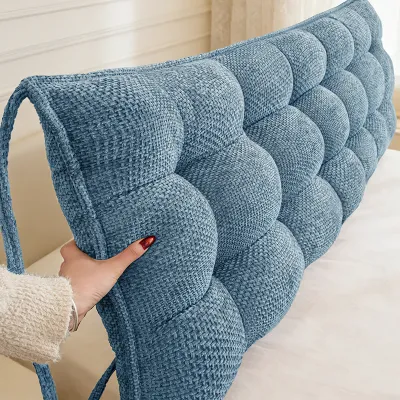
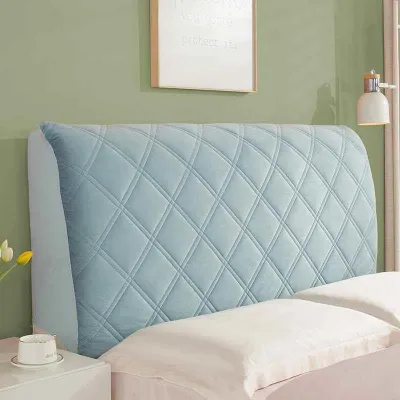

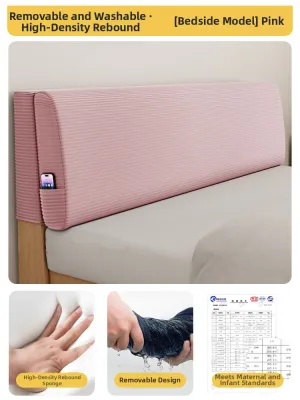


Prices are valid at publication and may change. Please refer to the product page for the latest price.
Before applying any padding, observe this baseline rule: cushioning is designed to protect surfaces and dampen minor vibrations, not to compensate for loose hardware or structural instability. If your bed frame is wobbly, swaying, or structurally compromised, adding pads will not make it safe. Always inspect the frame, tighten all bolts to the manufacturer’s specifications, and ensure the structure is sound before attempting to resolve noise or friction issues with cosmetic cushioning.
Optimizing Support and Noise Control for Single and Double Beds
Standard floor-level beds distribute weight across a set of perimeter legs and sometimes a center support rail. The footprint of these legs and the overall load they carry determine how much stress is placed on your flooring and how much friction occurs at the frame’s structural joints. In the tropical climate of the Philippines, high humidity can cause wooden components to expand and contract, making proper joint cushioning even more critical to prevent persistent squeaking.
Single Beds: Preventing Slips and Squeaks
Single beds are relatively lightweight, which makes them highly prone to sliding across smooth flooring surfaces such as polished concrete, ceramic tiles, or vinyl planks. This shifting typically happens when you sit down, lean against the headboard, or toss and turn during the night. Over time, this constant sliding can wear away the protective finish of your floor and loosen the bed’s structural joints due to repeated impact.
To resolve this, inspect the contact points where the bed legs meet the floor. Instead of using standard felt pads, which are designed to let furniture slide easily, opt for non-slip rubber or textured silicone pads. These materials provide the necessary grip to keep a lightweight single bed anchored in place. Ensure that the pads you select do not rely on low-quality adhesives that melt in warm, humid weather, as this can leave a sticky, hard-to-clean residue on your floors; instead, use friction-fit cups or high-quality, heat-resistant adhesive pads.
Minor squeaks in single beds usually originate where the side rails connect to the headboard and footboard. These joints experience minor twisting forces whenever weight shifts on the bed. To silence these areas, disassemble the joints and apply a thin layer of friction-reducing felt tape or UHMW (Ultra-High-Molecular-Weight) polyethylene tape directly to the contact faces of the wood or metal before reassembling and tightening the hardware.
Double Beds: Managing Weight and Motion Transfer
Double beds carry significantly more static and dynamic weight than single beds, particularly when occupied by two sleepers. This increased load is concentrated on the floor contact points, which can leave permanent indentations on softer flooring materials like vinyl or delicate hardwood. To prevent this structural damage, you must use high-density, heavy-duty floor protectors made of compressed felt or thick, molded rubber that can distribute the weight over a wider surface area.
The center support rail is another common source of noise and instability in double beds. Because the center leg bears a large portion of the sleepers’ combined weight, it frequently rubs against the floor, creating a deep creaking sound with every movement. To eliminate this friction, place a dense rubber glide pad or a specialized furniture cup directly under the center support leg where it meets the floor, ensuring it remains level with the outer legs.
Slat movement is another major contributor to motion transfer and noise in double beds. When partners move, the slats can rub against the side rails, producing wood-on-wood or wood-on-metal friction. First, check that your slat spacing complies with your mattress manufacturer’s guidelines to ensure proper support. Then, apply self-adhesive felt cushioning tape along the entire length of the support ledges where the slats rest, or install individual rubber slat grippers to isolate each slat and prevent them from shifting laterally.
Stabilizing and Dampening Loft Beds
Loft beds elevate the entire sleeping platform high above the floor, which creates unique structural, safety, and acoustic challenges. Because the bed is elevated, the entire weight of the frame, mattress, and sleeper is concentrated onto four narrow vertical posts. This high center of gravity amplifies any lateral movement, translating minor shifts into significant dynamic forces at the floor contact points.

To protect your flooring and prevent the entire structure from shifting, you must use heavy-duty, high-density cushioning under the loft bed’s posts. Thin felt pads are entirely inadequate for this application, as the extreme pressure will compress them flat within days. Instead, select thick, industrial-grade rubber caster cups or solid polyurethane pads. These materials offer the necessary compressive strength to absorb dynamic forces, protect ceramic tiles from cracking, and prevent the bed from sliding on smooth surfaces.
The elevated design of a loft bed also amplifies structural noise. Every climb up the ladder or turn in bed causes the frame’s joints to flex, creating a creaking sound that can reverberate through the walls of your home. To mitigate this, disassemble the main horizontal-to-vertical structural connections and insert thin rubber or dense felt joint buffers between the metal or wood plates before securing the bolts. This isolates the components and dampens the transfer of sound waves through the frame.
However, you must observe a strict safety boundary: cushioning is not a substitute for structural stability. A swaying or unstable loft bed is a serious safety hazard, especially in active households. Regularly inspect the frame and tighten all structural hardware to the manufacturer’s specified torque. Always verify that any added floor pads or joint buffers do not alter the bed’s level, height, or the alignment of safety rails and ladders. If the loft bed continues to wobble after all bolts are tightened, remove any aftermarket cushioning and consult the manufacturer immediately.
Cushioning Moving Parts in Storage Beds
Storage beds are excellent space-saving solutions, but their built-in moving parts introduce unique friction and wear challenges. Whether your bed features pull-out drawers or a hydraulic lift mechanism, the frequent opening and closing of these compartments can scrape the frame, damage your flooring, and generate loud noises. In the humid climate of the Philippines, wooden storage components are also prone to minor swelling, which increases friction and makes proper dampening essential.
Drawer Mechanisms and Runners
Beds with under-bed drawers often suffer from wood-on-wood scraping as the drawers are pulled out and pushed in. Over time, this friction can wear away the protective lacquer of the frame, exposing raw wood to moisture and potential rot. To prevent this, apply low-friction glide tape, such as PTFE or UHMW tape, along the bottom edges of the drawers and the tracks they slide on. This tape allows the drawers to slide smoothly while preventing direct contact between the wooden surfaces.
To soften the impact when closing the drawers, place small silicone or rubber bumper pads inside the drawer cavities where the drawer face meets the main frame. These small bumpers absorb the kinetic energy of a closing drawer, preventing loud bangs and protecting the drawer joints from structural stress.
When applying adhesive cushions inside storage areas, you must take care not to trap moisture. The high relative humidity in the Philippines can lead to mold and mildew growth inside closed, unventilated spaces, which can ruin stored linens and clothing. Ensure that your added bumper pads do not block any built-in ventilation gaps or air paths designed by the manufacturer. Regularly inspect the adhesive backing on these pads, as humid conditions can degrade the glue over time, causing the pads to slip or fall off.
Hydraulic Lift Contact Points
Hydraulic lift beds, also known as ottoman beds, use gas-pressurized struts to lift the entire mattress platform, exposing a large storage area underneath. When you pull the platform down, the combined weight of the mattress and the steel frame can slam heavily against the bed’s perimeter frame. This repeated impact can crack wooden frames, bend metal supports, and create a startlingly loud noise.
To safely dampen this impact, apply thick, high-density rubber or heavy-duty felt bumper pads along the primary flat contact ledges of the bed frame where the lifting platform rests. These pads act as shock absorbers, catching the descending platform and distributing the impact force evenly across the frame.
However, you must exercise extreme caution: never apply cushioning tape, pads, or wraps directly to the hydraulic pistons, shafts, or pivot hinges. Interfering with these components can restrict their range of motion, cause the gas struts to bind, or lead to sudden, uncontrolled releases of pressure, posing a severe injury risk. Always consult your bed’s assembly manual to identify the designated, safe landing zones for the platform. Ensure that any added cushioning does not prevent the mechanism from closing fully or latching securely, which could void your product warranty.
Choosing a Bed Frame Cushion: Materials and Safe Installation Practices
Selecting the right material for your bed frame cushion is critical to achieving long-lasting protection and noise reduction. Different materials possess distinct physical properties that make them suitable for specific areas of your bed frame.
- Felt: High-density wool or synthetic felt is ideal for floor protection on hard surfaces like wood or ceramic tiles. It allows for smooth, scratch-free movement when you need to slide the bed for cleaning. It is also excellent for joint-to-joint cushioning where parts need to slide slightly against each other without binding.
- Rubber: Solid or molded rubber offers superior grip, high load-bearing capacity, and excellent vibration isolation. It is the best choice for the legs of lightweight single beds, heavy loft bed posts, and the center support legs of double beds.
- Foam: Soft polyurethane or neoprene foam is highly compressible and excellent for absorbing light impacts, making it ideal for drawer bumpers. However, it should never be used under bed legs or slats, as it will quickly disintegrate under heavy, continuous loads.
Always verify the specific material properties and weight ratings on the product packaging before purchasing, rather than relying on generic labels.
To ensure a secure and damage-free application, follow this safe installation checklist:
- Clean the target surface with isopropyl alcohol to remove dust and oils, allowing it to dry completely before applying any adhesive.
- Test a small adhesive pad on a hidden, inconspicuous area of the bed frame first to ensure that the adhesive does not strip or discolor the paint, varnish, or wood veneer.
- Avoid using permanent glues, construction adhesives, or superglues, especially on rented property or delicate solid wood finishes, as these will cause permanent damage during removal.
If your bed frame features specialized powder coatings, delicate antique finishes, or if adding cushioning pads alters the clearance of drawers, slats, or the mattress fit, stop immediately. Do not attempt to force components into place. Consult the manufacturer or a qualified furniture repair professional to find a compatible solution that preserves both your furniture and its warranty.
Frequently Asked Questions (FAQ)
Can I use the same cushioning pads for the floor and the bed slats?
No, you should not use the same pads. Floor pads are designed either to allow smooth sliding (like felt) or to distribute heavy static loads (like dense rubber). Bed slats, however, require high-friction pads specifically designed to grip the mattress cover and prevent it from shifting laterally. Using smooth floor felt on your slats can actually cause your mattress to slide off the frame more easily.
How do I stop my storage bed from squeaking when I open it?
First, inspect all structural joints and tighten any loose bolts, as loose hardware is the primary cause of squeaks. If the noise persists, check the moving parts of the storage mechanism. Apply a dry PTFE or silicone lubricant to metal hinges and pivot points according to the manufacturer’s care guidelines. For wood-on-wood contact areas along the drawer runners or frame ledges, apply thin friction-reducing tape.
Community discussion
Share your experience or ask a question. Comments are reviewed before publication.