
Choosing the right bed side table for room setups depends heavily on how you interact with your sleeping area. The ideal configuration is determined by whether your primary daily need is streamlined device charging, completely concealed storage, or immediate open reach.
If your bedside is crowded with multiple devices that require overnight power, a table with built-in USB ports helps consolidate cables and keep your tabletop clean. If your priority is to hide daily clutter—such as medications, skincare products, or personal items—a configuration dominated by drawer storage offers a clean, visually calming aesthetic. For those who prefer instant access to books, a glass of water, or decorative items without operating any hardware, open shelves provide a practical and space-efficient solution.
Many modern designs offer hybrid configurations, such as a single drawer paired with an open shelf, allowing you to balance these competing priorities. Understanding your daily habits, material durability, and physical room constraints will guide you to the perfect setup.
Products mentioned in this guide
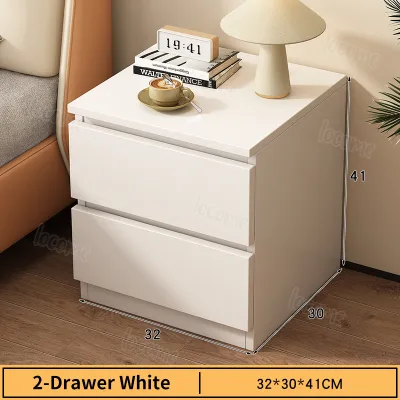
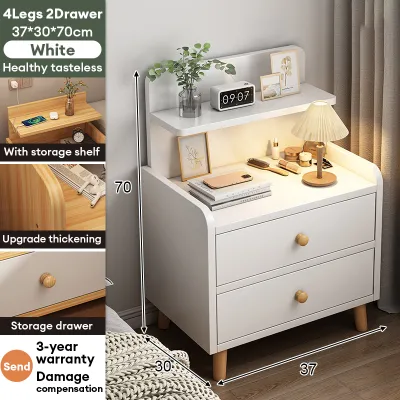
![[On Hand] Bamboo Bedside Table with drawer side table bedroom Storage Cabinet](https://img.lazcdn.com/g/p/3dc049f64c8ef21e9b6614f04e563ce4.jpg_400x400q80.jpg_.webp)
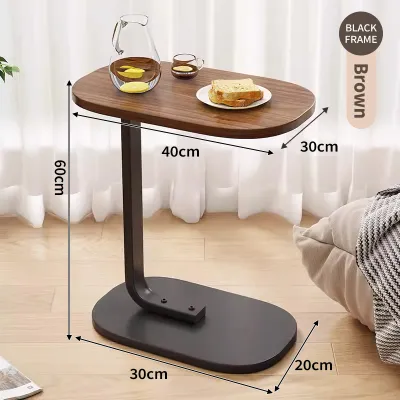
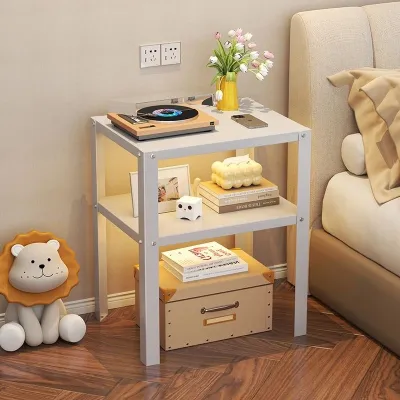
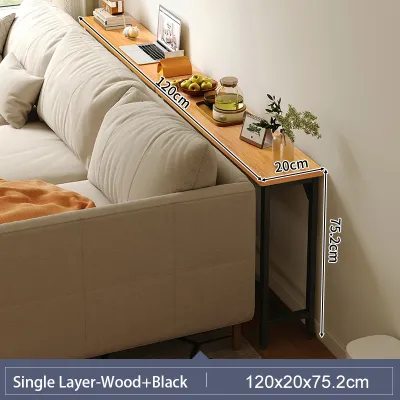
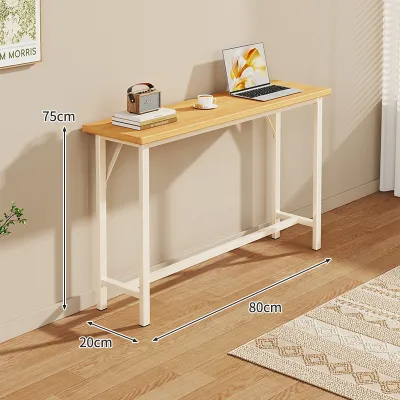
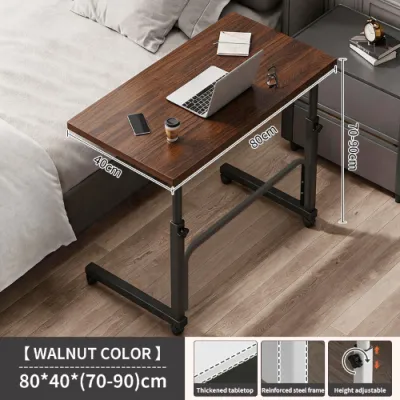
Prices are valid at publication and may change. Please refer to the product page for the latest price.
Choosing a Bed Side Table for Room Layouts and Daily Routines
Before evaluating specific features, you must analyze the physical constraints of your bedroom and your actual nightly habits. Start by measuring the available floor space on either side of your bed. It is crucial to measure not just the footprint of the table itself, but also the clearance required around it. If you choose a model with drawers, you must ensure there is enough physical space to pull the drawers fully open without hitting the bed frame, nearby wardrobes, or your own legs. In tight condominium units or smaller bedrooms, a drawer that cannot fully extend becomes a source of daily frustration.
Consider how your room layout affects accessibility. When a bed is tucked close to a wall or positioned in a tight corner, accessing drawers from the side can be awkward. In these scenarios, open shelves or top-access compartments are far easier to navigate. Additionally, think about doorway and lift access when ordering furniture. If you live in a high-rise building, verify that the fully finished dimensions of the table can easily fit through your building’s elevators, narrow hallways, and bedroom doors.
Your nightly routine should dictate the storage style. Take a mental inventory of the items you keep within arm’s reach when sleeping. If you only need a spot for your phone, a pair of glasses, and a glass of water, a minimalist table with a small surface or an open shelf is sufficient. However, if you use multiple creams, eye masks, sleep trackers, and medications, these can quickly create visual chaos on an open surface, making drawers a better choice for maintaining a peaceful sleeping environment.
Finally, locate your existing wall outlets. If your bedroom outlets are positioned directly behind the headboard or blocked by heavy furniture, plugging in chargers can be a struggle. A bedside table with integrated power routing or built-in USB ports can bridge this gap, bringing power closer to your mattress. However, if your outlets are already easily accessible and close to the table surface, built-in ports might be an unnecessary extra cost rather than a functional necessity.
Built-in USB Charging: Power Convenience and Cable Management
Integrating power directly into your furniture is a modern solution to the growing number of devices we rely on daily. The primary benefit of a bedside table with built-in USB charging is the immediate reduction of cable clutter. Instead of running multiple long charging cords from a distant wall outlet onto your tabletop, or dealing with bulky power bricks that slide off the edge, you can plug your charging cables directly into the table. This keeps the surface organized and frees up your wall outlets for larger appliances like air purifiers, humidifiers, or standing fans.

However, not all integrated charging ports are created equal, and you must verify the technical specifications before making a purchase. Check the manufacturer’s product label to see if the table offers USB-A ports, newer USB-C ports, or a combination of both. Additionally, look at the power output, measured in wattage or amperes. Many older or budget-friendly tables feature low-output ports (such as 5V/1A) that charge modern smartphones and tablets slowly. If you rely on fast-charging capabilities, look for tables equipped with high-wattage USB-C Power Delivery (PD) ports.
Safety and longevity are critical considerations when buying furniture with integrated electronics. Unlike a standard wooden table that can last for decades, electronic components are subject to wear, technical obsolescence, and failure. In tropical climates with high relative humidity, cheap or uncertified electrical components are more susceptible to internal corrosion and short circuits. Always check for safety certifications on the product label—such as local safety marks or international equivalents like UL, CE, or FCC. If the integrated ports fail over time, you may be left with a dead outlet on your table, or you might have to replace the entire piece of furniture if the electrical module cannot be easily swapped out.
This configuration is ideal for tech-heavy users who charge a smartphone, smartwatch, and tablet simultaneously every night. It is also highly beneficial for rooms where the bed blocks the main wall outlets, as it allows you to run a single heavy-duty power cord from the wall to the table, consolidating all your charging needs into one safe, accessible hub.
Drawer Storage: Hidden Organization for a Clutter-Free Look
A drawer-based bedside table is the classic choice for those who prioritize a tidy, organized, and visually quiet bedroom. The psychological benefit of a clutter-free space is significant; seeing a pile of loose cables, medication bottles, and half-read books right before sleep can subconsciously increase stress. Drawers allow you to sweep these items completely out of sight, leaving a clean, minimalist top surface that promotes a more restful environment.
When choosing a drawer configuration, pay close attention to the physical clearance of your room. Drawers require unobstructed space in front of the table to open fully. If you have a narrow bedroom layout, opening a deep drawer might require you to stand in an awkward position or squeeze against the mattress. Measure the depth of the drawer when fully extended and compare it to the available space between the table and the edge of your bed or other furniture.
The quality of the internal hardware is another vital factor to inspect. Check the drawer slides and joints to ensure smooth, quiet operation. This is especially important in the middle of the night when you need to grab something without waking your partner. Look for high-quality metal ball-bearing glides or soft-close mechanisms. In humid tropical environments, solid wood drawers that rely on simple wood-on-wood grooves can swell during the rainy season, causing them to stick, squeak, or jam. Selecting tables with treated wood, moisture-resistant finishes, and robust metal hardware will prevent these issues.
Drawers also offer excellent protection against dust and environmental factors. In urban areas where windows are frequently left open for ventilation, dust can quickly settle on flat surfaces. Items kept inside a drawer remain clean and dust-free, reducing the amount of maintenance required for your bedside essentials. This configuration is the ideal match for minimalists, individuals who value privacy for their personal care items, and anyone who prefers a clean, hotel-like aesthetic in their bedroom.
Open Shelves: Quick Access and Display Flexibility
Open-shelf nightstands offer a highly functional, accessible, and lightweight alternative to traditional drawer units. The primary advantage of an open shelf is instant accessibility. There are no handles to pull, tracks to slide, or doors to open; your items are immediately visible and reachable. This is incredibly convenient in the dark when you want to quickly grab a pair of reading glasses, a glass of water, or a book without fumbling with mechanical hardware.
From an interior design perspective, open shelves provide excellent opportunities for styling and personalization. You can use the open space to display decorative boxes, small indoor plants, curated book stacks, or a decorative ceramic tray. This adds warmth, texture, and personality to your bedroom, making the space feel more lived-in and customized. It also keeps the visual weight of the room light, as open-frame furniture makes small bedrooms feel larger and airier than solid, boxy drawer units.
However, open shelves come with distinct maintenance challenges. Because there are no barriers, every item on the shelf is fully exposed to dust and humidity. In tropical climates, high humidity can cause the pages of books left on open shelves to curl or yellow over time, and dust can accumulate rapidly, requiring frequent wiping down. Additionally, if you tend to accumulate small, mismatched items, an open shelf can quickly look cluttered and messy, detracting from the calm atmosphere of your bedroom.
In terms of spatial efficiency, open shelves are incredibly forgiving. Because they do not require any front pull clearance, they can be placed in tight gaps, awkward corners, or right next to wardrobes where a drawer would be blocked from opening. This makes them highly suitable for compact bedrooms, studio apartments, or guest rooms where space is at a premium. The ideal user for an open-shelf configuration is an avid reader who keeps multiple books active, someone who loves displaying decor, or anyone who values quick, unhindered access to their nightly essentials.
Comparing Bedside Table Features at a Glance
Choosing between these three configurations involves balancing your storage habits, tech needs, and the physical layout of your bedroom. The table below outlines the key differences to help you make an informed decision based on your specific requirements.
| Configuration | Best For | Pros | Cons | Space Requirement |
|---|---|---|---|---|
| Built-in USB Charging | Multi-device users & tidy charging setups | Eliminates cord clutter; frees up wall outlets; keeps devices organized | Risk of technical obsolescence; electrical wear over time | Standard footprint; requires proximity to a wall outlet |
| Drawer Storage | Concealing clutter & dust-sensitive items | Dust-free storage; clean visual look; keeps private items out of sight | Requires front pull clearance; wood can swell in high humidity | Needs front clearance (approx. 40-50 cm) for drawer extension |
| Open Shelves | Easy-reach essentials & decorative displays | No pull clearance needed; quick access; makes small rooms look airier | Accumulates dust quickly; visible clutter if not organized | Fits tight spaces, narrow gaps, and awkward corners |
While these three configurations represent distinct design philosophies, you do not always have to choose just one. Many modern bedside tables are designed as hybrid models, featuring a single top drawer for private items, an open shelf below for books, and a discreetly integrated USB port on the back panel or inside the drawer. This allows you to enjoy the benefits of hidden storage, quick accessibility, and convenient power management in a single piece of furniture.
Final Decision Framework: Matching Features to Your Lifestyle
To make your final purchase decision, evaluate how your daily habits align with each configuration’s strengths. Use this simple framework to identify your ideal match:
- Choose Built-in USB if your bedside is cluttered with multiple charging cables, you lack accessible wall outlets near your bed, and you want a streamlined, high-tech charging station that keeps your devices powered without messy power strips.
- Choose Drawer Storage if your primary goal is to maintain a visually serene, minimalist bedroom, you need to store private or sensitive items out of sight, and you want to protect your belongings from dust and humidity.
- Choose Open Shelves if you have a tight gap between your bed and the wall, prefer to display books and decorative items, and want instant, unhindered access to your essentials in the dark.
Verify first if you are leaning toward a hybrid model. Ensure that the addition of electronic components or multiple storage compartments does not compromise the structural stability of the table. For example, check that the built-in power strip does not significantly reduce the internal depth of the drawer or create awkward cable routing issues behind the unit. If the table requires assembly, check the manufacturer’s assembly instructions to ensure you have the proper tools and that the joints are reinforced for stability.
Before finalizing your order, always take three final physical checks: measure your mattress height to ensure the table surface sits level with or slightly below it, verify that you have enough clearance for any drawers to open fully, and double-check doorway and lift access to guarantee a smooth delivery process into your home.
Frequently Asked Questions (FAQ)
Can I add USB charging to a regular bedside table?
Yes, you can easily add charging capabilities to a standard bedside table without buying a new piece of furniture. You can mount a low-profile surge protector or a dedicated USB charging hub to the back panel or underside of your existing table using heavy-duty double-sided mounting tape or small brackets. This allows you to route cables discreetly and keep them organized while preserving the original look of your furniture.
What is the standard height for a bedside table?
The standard height for a bedside table typically ranges between 60 to 70 centimeters (24 to 28 inches). For the most comfortable ergonomic reach while lying down, the surface of the table should sit level with or slightly below the top of your mattress. Always measure your specific bed frame and mattress height before purchasing to avoid a table that is awkwardly high or low.
Are open shelves harder to maintain than drawers?
Yes, open shelves generally require more frequent maintenance. Because they lack protective barriers, items on open shelves accumulate dust quickly, especially in rooms with ceiling fans or open windows. They also require deliberate, regular organization to prevent the room from looking cluttered. Drawers naturally protect items from dust and hide visual mess, though their slides and tracks may occasionally require cleaning or lubrication to maintain smooth operation over time.
Community discussion
Share your experience or ask a question. Comments are reviewed before publication.