
Finding the right bedside table for a compact bedroom requires balancing daily convenience with the physical limits of your floor plan. In many urban homes and condominiums across the Philippines, where bedroom square footage is limited, choosing oversized furniture can quickly make a room feel cramped and restrict natural movement. The ideal bedside table for a small bedroom balances a slim footprint—typically 30 to 45 centimeters in width and depth—with a height that aligns within 5 centimeters of the top of your mattress. By focusing on proportional scaling, ergonomic height, and smart storage features, you can maintain a comfortable, functional sleeping area without sacrificing style or floor space.
In a small space, every piece of furniture must justify its footprint. A bedside table should not only hold your nightly essentials, such as a phone, a glass of water, and a reading lamp, but also preserve the overall flow of the room. Selecting the wrong size can lead to blocked closet doors, stubbed toes, and a cluttered visual environment that disrupts sleep. This guide breaks down the essential dimensions, space-saving designs, and practical measurement steps to help you select the perfect companion for your bed.
Core Principles for Sizing a Bedside Table in a Small Bedroom
The primary goal when furnishing a compact bedroom is to maximize utility while preserving open floor space and ensuring smooth room traffic. A bedside table should serve as a convenient landing pad without becoming a physical or visual obstacle. To achieve this, you must look at the room as a complete ecosystem where the bed, wardrobe, walkways, and bedside furniture interact harmoniously.
Products mentioned in this guide
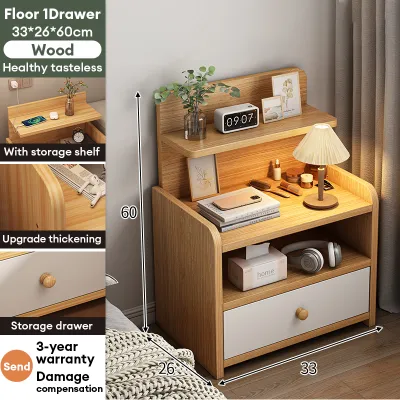
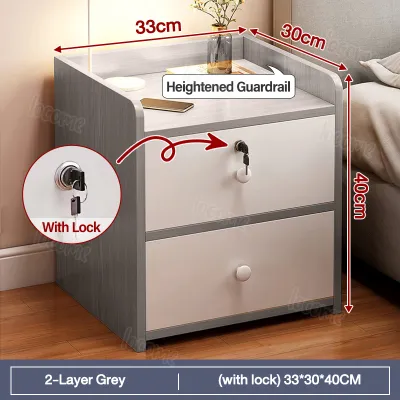
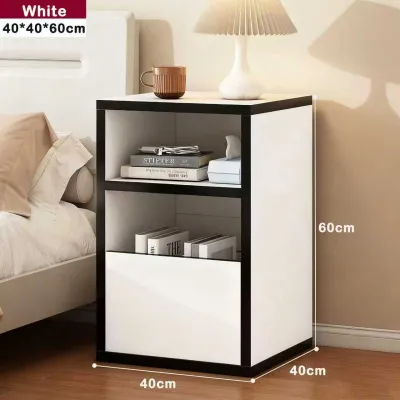
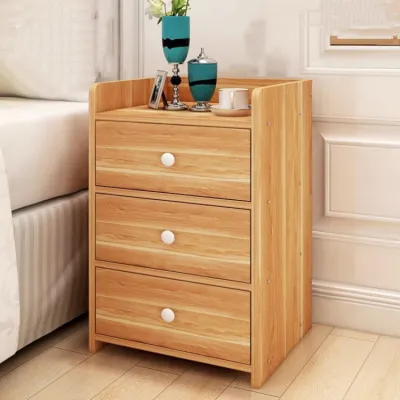
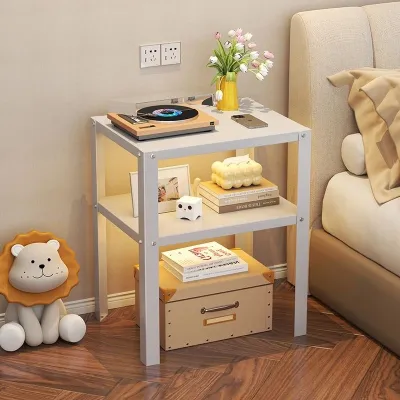
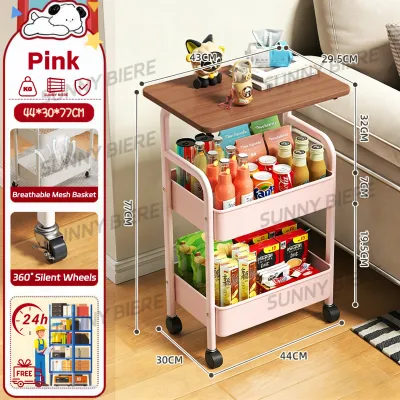
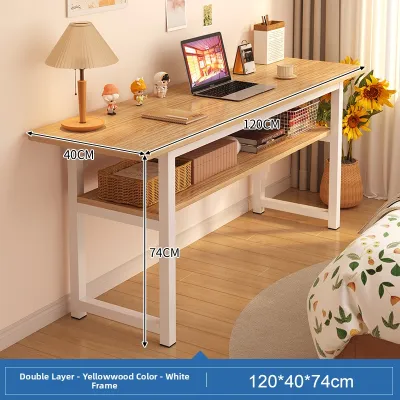
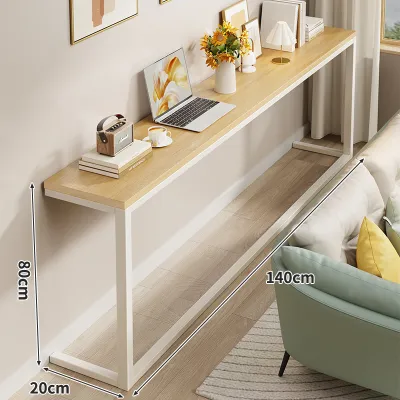
Prices are valid at publication and may change. Please refer to the product page for the latest price.
Proportional scaling is the foundation of small-space design. If you have a twin or semi-double bed, a wide, heavy nightstand will look visually dominant and physically crowd the room. Conversely, a queen-size bed in a tight room requires a table that is slim yet substantial enough to look balanced. You must also consider the ceiling height; low-profile beds paired with low, streamlined tables can create an illusion of higher ceilings and more breathing room, which is particularly effective in compact studio apartments.
Ergonomic height alignment and visual lightness are equally critical. A bedside table that is too tall or too bulky blocks natural light and restricts airflow, which is highly undesirable in warm, humid tropical climates. Opting for designs that feature open bases, elevated legs, or slender silhouettes helps keep the room feeling airy and spacious, allowing both light and air from electric fans or air conditioning units to circulate freely around the bed.
How to Determine the Ideal Width, Depth, and Height
To find a bedside table that fits your room perfectly, you must measure your bed’s height and the available wall space on either side of the frame. Avoid relying on standard furniture sizes, as “standard” can vary significantly between manufacturers and regions.

Width and Depth Proportions In a small bedroom, the footprint of your bedside table should be as compact as possible while still offering usable surface area. Look for slim-profile tables with a width of 30 to 40 centimeters and a shallow depth of 30 to 35 centimeters. These dimensions provide enough space for a small table lamp and a phone charger while leaving ample room for pathways. If your bed is tucked near a wall, a narrow table ensures you do not block the walkway or prevent easy access to the side of the bed.
Height Alignment For comfortable daily use, the top surface of your bedside table should sit level with or slightly below the top of your mattress, including any mattress toppers or pillows. This ideal height typically ranges between 55 to 65 centimeters from the floor. Keeping the table surface within 5 centimeters of your sleeping level makes it easy to reach for a glass of water or turn off an alarm without straining your back or shoulders. A table that is too high poses a safety hazard, as you might bump your head or arms against sharp corners in the dark.
Visual Weight vs. Physical Footprint Two tables can have the exact same physical dimensions but feel entirely different in a small room. A solid, boxy nightstand that sits flat on the floor has heavy visual weight, making the bedroom feel crowded. On the other hand, a table with long, slender legs, an open bottom shelf, or a glass top has light visual weight. This transparency allows the floor to remain visible, tricking the eye into perceiving the room as larger than it actually is. In tropical environments, elevated legs also make it much easier to sweep and mop away dust, preventing mold buildup in hidden corners.
Space-Saving Features and Designs for Compact Rooms
When floor space is extremely limited, traditional bedside tables may not be the best choice. Modern furniture designs offer several innovative alternatives that maximize functionality without taking up valuable floor real estate.
Wall-Mounted and Floating Options Floating nightstands are an excellent solution for small bedrooms because they mount directly to the wall, leaving the floor underneath completely clear. This open space can be left empty to create a minimalist look, or used to store low-profile items like slippers or a small decorative basket. Before choosing a floating table, you must perform several crucial safety and installation checks. First, verify the wall type; in the Philippines, many condominium walls are constructed from precast concrete or concrete hollow blocks, which require a hammer drill, sturdy masonry wall plugs (locally called tox), and heavy-duty screws for secure mounting. If you have drywall partitions, you must locate the wall studs to anchor the brackets safely. Always check the manufacturer’s specified load-bearing capacity—typically between 5 to 10 kilograms—and avoid overloading the shelf to prevent structural failure or wall damage.
Smart Storage Configurations When deciding between drawers and open shelves, consider your daily habits and storage needs. Drawers are ideal for hiding clutter, such as charging cables, medications, and personal items, keeping your bedside looking clean and organized. However, drawer units require physical clearance to slide open, which can be difficult in tight spaces. Open shelves or cubbies offer a lighter visual profile and immediate access to books or devices, but they require you to keep your items neatly arranged to avoid a messy appearance. A hybrid design featuring one small drawer at the top and an open shelf below often provides the best balance of hidden storage and visual openness.
Alternative Footprints If a traditional rectangular table does not fit, consider alternative furniture shapes. C-side tables feature a cantilevered frame that allows the base to slide under your bed frame, bringing the tabletop directly over your mattress. This design eliminates the need for side clearance entirely, making it perfect for ultra-narrow rooms. Nesting tables are another versatile option; you can stack them together during the day to save space and pull them out at night when you need extra surface area. Alternatively, you can use a small writing desk or a narrow console table that doubles as a vanity, combining two essential functions into a single piece of furniture.
Step-by-Step Guide to Measuring Your Space and Layout
Before purchasing any bedside table, take precise measurements of your bedroom layout to ensure a seamless fit. Do not rely on visual estimation, as even a discrepancy of two centimeters can prevent a drawer from opening or block a vital pathway.
1. Measure the Walkway Clearance Start by measuring the distance from the edge of your mattress to the nearest wall, wardrobe, or door frame. To maintain comfortable movement, aim for a minimum walkway clearance of 50 to 60 centimeters. If the space is tighter than 45 centimeters, a standard bedside table will block your path, and you should consider a wall-mounted shelf or a C-table instead.
2. Account for Bed Frame Details Measure your bed frame’s actual outer dimensions, not just the mattress size. Many frames feature wide wooden edges, protruding headboards, or thick fabric upholstery that extends several centimeters beyond the mattress. Additionally, check if your bed frame has built-in under-bed storage drawers; your bedside table must be placed far enough forward or be slim enough to allow these drawers to open fully without obstruction.
3. Verify Utility and Accessory Placement Examine the location of electrical outlets, light switches, and wall-mounted fixtures. Your bedside table should not block access to power outlets or force you to pinch power cords against the wall, which can damage cables and create electrical hazards. Ensure that any table lamps or charging stations can easily reach the outlets. If your bed is positioned near a window, verify that the table does not interfere with the drop of your curtains or block the airflow from a floor-mounted air conditioning unit.
4. Confirm Delivery Access When purchasing a pre-assembled bedside table, verify its finished dimensions against your home’s entry points. Ensure the packaged furniture can easily fit through your building’s elevator doors, narrow condominium hallways, and your bedroom doorway. If access is tight, flat-pack furniture that requires self-assembly on-site may be a more practical option.
Common Sizing and Placement Mistakes to Avoid
Avoiding common layout and purchasing errors can save you from the hassle of returning furniture or living with a frustratingly cramped bedroom layout.
One of the most frequent mistakes is blocking wardrobe doors or closet drawers. If your bedside table sits directly in front of your closet, you will constantly have to squeeze past it or move it aside to access your clothes. Always measure the swing radius of your wardrobe doors and ensure your table sits outside this zone. Similarly, make sure the table does not interfere with the swing of your main bedroom door or any adjacent bathroom doors.
Another common error is choosing a table based solely on its overall footprint while ignoring the actual usable surface area. A tiny, circular table might fit perfectly in a corner, but once you place a standard table lamp on it, you may find there is no room left for your phone, glasses, or a glass of water. To avoid this, consider wall-mounted reading lights or sconces to free up the table surface, or look for tables with built-in USB ports and cord management slots to keep cables organized.
Finally, do not overlook the importance of material finishing and joint quality. While a table might look appealing online, a material name like “solid pine” or “engineered wood” does not automatically guarantee durability in humid tropical climates. Check the manufacturer’s care instructions to ensure the surface has a protective finish, such as a moisture-resistant polyurethane sealant, to prevent warping, swelling, or mold growth. Inspect the joints to ensure they are securely fastened with dowels or screws rather than simple glue, which can degrade over time in high humidity.
Frequently Asked Questions (FAQ)
Can I use a regular side table as a bedside table in a small room?
Yes, a regular living room side table or accent table can serve as an excellent bedside table in a small bedroom, often offering a slimmer profile and more unique designs. However, you must carefully check the height and storage capacity before making the switch. Living room side tables are sometimes taller or shorter than dedicated bedside tables, which can make reaching items from a low bed uncomfortable. Additionally, side tables often lack drawers or shelves, meaning you will have less hidden storage for personal items and bedside clutter.
What is the minimum walkway space needed between the bed and the bedside table?
To maintain comfortable movement and allow you to make your bed easily, aim for a minimum of 15 to 20 centimeters of space between the edge of your mattress and the bedside table. For the main walkway surrounding the bed and table, you should maintain at least 50 to 60 centimeters of clear space. This ensures you can walk naturally without turning sideways, comfortably open any drawers or cabinet doors, and safely navigate your bedroom in the dark.
Community discussion
Share your experience or ask a question. Comments are reviewed before publication.