
Finding the right bedside table for a bedroom is a balancing act, especially when dealing with limited square footage. In a small bedroom, the most effective bedside table dimensions typically range from 30 to 45 centimeters in width, 30 to 40 centimeters in depth, and a height that sits within 5 centimeters of your mattress top (usually between 50 and 65 centimeters). Selecting a table within these parameters ensures you have enough surface area for nightly essentials without overcrowding your sleeping quarters or blocking vital walkways.
In compact urban residences, such as studio apartments or high-rise condominiums, space is a premium resource. A bedside table that is too large can make a room feel cramped, restrict the movement of wardrobe doors, and make changing bed linens a frustrating chore. Conversely, a table that is too small won’t accommodate a reading lamp, a phone, and a glass of water. By understanding standard proportions and measuring your space accurately, you can select a nightstand that enhances both the functionality and the visual flow of your bedroom.
Ideal Bedside Table Proportions for Compact Spaces
To create a comfortable sleeping environment, you must consider how the three dimensions of a bedside table—height, depth, and width—interact with your bed and the surrounding space.
Products mentioned in this guide
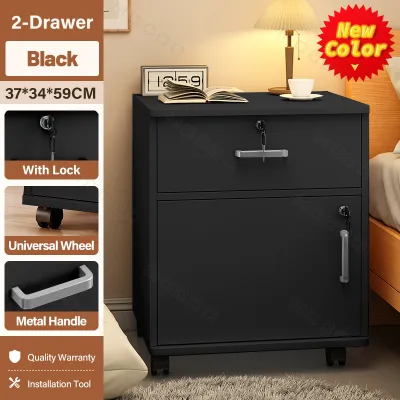
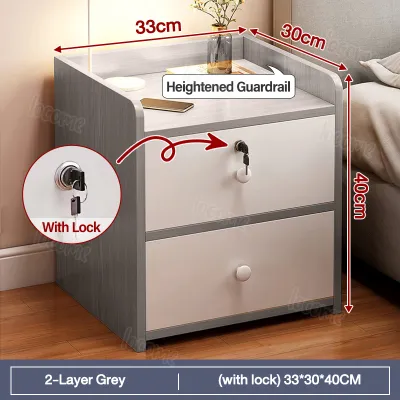
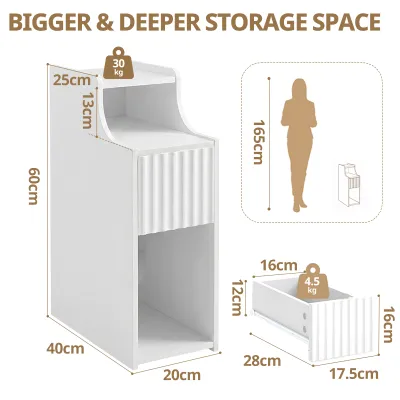
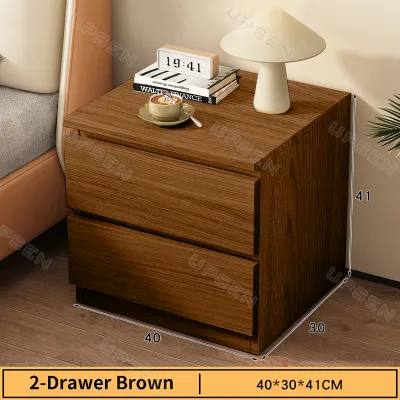
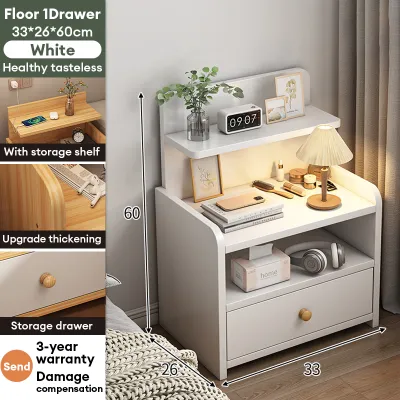
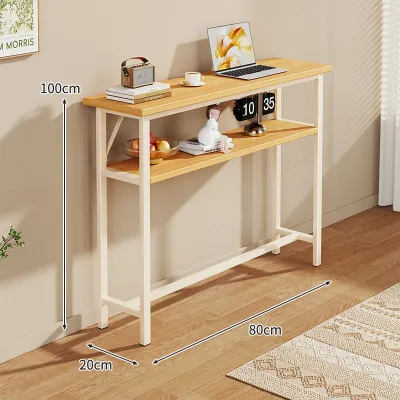
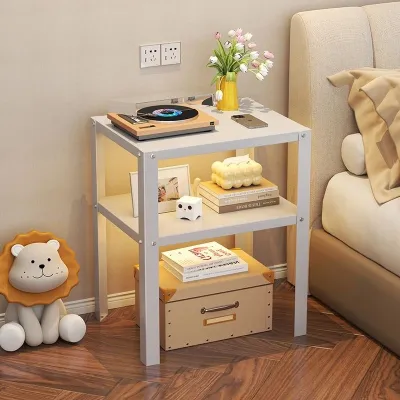
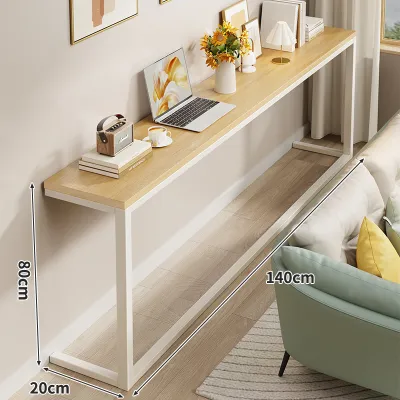
Prices are valid at publication and may change. Please refer to the product page for the latest price.
Height Alignment and Ergonomics The height of your bedside table should always be determined by the height of your mattress, not by a generic furniture standard. Ideally, the tabletop should be level with the top of your mattress or up to 5 centimeters lower. This alignment is rooted in human ergonomics. When you are lying down, reaching slightly downward or horizontally to grab a phone or turn off an alarm is much more natural than reaching upward. A table that is taller than your mattress creates an awkward physical barrier, increasing the risk of knocking over items like water glasses or lamps in the dark.
Depth Constraints for Clear Pathways While standard bedside tables often feature depths of 45 to 50 centimeters, small bedrooms require a shallower profile. A depth of 30 to 40 centimeters is the sweet spot for compact spaces. Keeping the depth shallow ensures that the table does not protrude past the front edge of your headboard into the main walking path. In narrow bedroom layouts, even an extra 5 centimeters of protrusion can make the difference between a clear walkway and a constant stubbed-toe hazard when navigating the room in low light.
Width Considerations and Surface Efficiency The width of your bedside table dictates how much wall space it will occupy alongside your bed frame. In a small bedroom, look for options that are 30 to 45 centimeters wide. To make the most of this limited width, prioritize tables with smart surface configurations. If you plan to use a table lamp, select a model with a small base or consider wall-mounted sconces to keep the tabletop clear. A narrow width can easily accommodate a smartphone, a pair of glasses, and a beverage if you organize the surface mindfully and utilize vertical storage options underneath.
How to Measure Your Space Before Buying
Before browsing online catalogs or visiting furniture showrooms, taking precise physical measurements of your bedroom layout is essential. Relying on visual estimation often leads to purchasing furniture that blocks doors, crowds walkways, or fails to fit the designated gap.

Clearance Mapping and Wall Gaps Begin by positioning your bed frame, mattress, and headboard in their permanent locations. Using a steel measuring tape, measure the exact distance from the outer edge of the bed frame to the nearest wall or permanent obstacle on either side. This measurement represents your absolute maximum width. If you plan to place tables on both sides of a shared bed, measure both gaps independently, as room layouts are rarely perfectly symmetrical. Leave at least 2 to 3 centimeters of breathing room between the bed frame and the bedside table to prevent friction and allow for easy tucking of bedsheets and blankets.
Walkway Preservation and Traffic Flow A bedroom must remain easy to navigate. To maintain a comfortable traffic flow, aim for a minimum walkway clearance of 50 to 60 centimeters between the edge of the bedside table and any opposing furniture, such as a wardrobe, dresser, or the bedroom door frame. If the walkway is a primary path used frequently throughout the day, extending this clearance to 70 centimeters is highly recommended. If your measurements show that a standard freestanding table will reduce your walkway below 50 centimeters, you should explore alternative, ultra-slim, or wall-mounted designs that preserve floor space.
Checking for Physical Obstructions A table might fit perfectly on paper but fail in daily practice due to architectural details. Walk around your bed and check for the following potential obstructions:
- Baseboards and Skirting Boards: A thick skirting board can prevent a flat-backed table from sitting flush against the wall, pushing the unit forward by 1 to 2 centimeters.
- Door and Drawer Swings: Ensure wardrobe doors, closet doors, or entry doors do not collide with the table. If you have under-bed drawers, confirm they clear the nightstand.
- Window Treatments: Check if floor-length curtains or heavy blinds hang behind the table, ensuring the depth does not pinch the fabric.
Space-Saving Bedside Table Designs to Consider
When traditional four-legged nightstands are too bulky for your floor plan, alternative designs can provide the storage you need without overwhelming a compact room.
Wall-Mounted and Floating Nightstands
Floating nightstands are mounted directly to the wall, leaving the floor space beneath them completely open. This design choice provides a significant visual benefit: by exposing more of the floor, it creates the illusion of a larger, airier room. It also simplifies household maintenance, allowing broom sweeps, vacuum cleaners, or robotic vacuums to pass underneath without obstruction—a major advantage in humid, tropical environments where dust can accumulate rapidly.
When selecting a wall-mounted table, you must verify your wall construction. Concrete, brick, or solid wood walls offer excellent support for heavy-duty wall anchors and can bear substantial weight. If you are mounting onto drywall or gypsum board, you must locate the wall studs or use specialized hollow-wall anchors to ensure the shelf does not sag or pull away from the wall over time. Always check the manufacturer’s specified weight capacity and limit the storage to lightweight essentials like books, phones, and small lamps.
Slim and Narrow Profiles
If you have a narrow gap between your bed and the wall but still want a freestanding unit, look for slim-profile tables. These units typically measure between 25 and 35 centimeters in width. While they offer less horizontal surface area, they compensate by utilizing vertical space.
Look for slim tables that feature multiple tiers, such as stacked open shelves or tall, narrow drawer units. Open shelving is particularly effective in small spaces because it allows light to pass through, reducing the visual weight of the furniture. You can use the top surface strictly for immediate needs, while storing books, journals, and charging cables on the lower shelves.
Multi-Functional and C-Table Options
Multi-functional furniture is highly effective for studio apartments, multi-purpose rooms, or highly compact spaces. A popular option is the C-table, which features a cantilevered design. The base of a C-table can slide directly under your bed frame, allowing the tabletop to hover over the mattress or sit flush against the side of the bed. This design eliminates the need for dedicated floor space next to the bed when the table is not in use.
Other versatile options include:
- Fold-Down Wall Shelves: These fold flat against the wall during the day and lift up at night.
- Nesting Tables: These stack together to save space and pull out when you need extra surface area.
- Storage Stools: A flat-topped stool with interior storage can serve as a table while keeping extra linens hidden.
Common Sizing Mistakes to Avoid
Avoiding common spatial errors during the selection process will save you time, money, and daily frustration.
Ignoring the Skirting Board Many homeowners measure the floor-level gap but forget to account for baseboards. Because most standard bedside tables have straight, vertical backs, a thick baseboard will prevent the unit from sitting flush against the wall. This leaves an awkward gap behind the table where small items like pens or charging cables can easily fall. To avoid this, look for tables with recessed back legs or factor the baseboard thickness into your overall measurements.
Blocking Storage Access A common mistake in small bedrooms is squeezing a bedside table right next to a wardrobe. If the wardrobe has hinged doors or pull-out drawers, a bedside table that is too wide or too deep will block them from opening fully. Squeezing your hand through a narrow gap to grab clothes quickly becomes a daily annoyance. If your wardrobe doors swing outward, choose a table with a narrow width or a floating shelf that sits high enough to clear the door’s swing path.
Overlooking Power Outlets In many modern bedrooms, electrical outlets are positioned low on the wall, directly behind the bedside table. If you purchase a solid, closed-back nightstand, you may completely block access to these sockets. This forces you to pull the table away from the wall, wasting valuable floor space, or bend your charging cables at unsafe angles. Before buying, check the position of your outlets and opt for tables with open backs or built-in wire management cutouts.
Disproportionate Visual Weight The visual weight of a piece of furniture refers to how heavy or bulky it appears. A dark, solid-wood bedside table with a blocky silhouette and no legs will absorb light and make a small bedroom feel significantly smaller and more congested. For compact rooms, prioritize furniture with a light visual weight. Choose tables with slender metal frames, light-colored wood finishes, open shelving, or tapered legs that allow light and air to circulate.
Frequently Asked Questions (FAQ)
Can a bedside table be taller than the bed?
It is generally not recommended for a bedside table to be taller than the top of your mattress, especially in a small bedroom. From an ergonomic standpoint, reaching upward from a lying position to grab items or turn off an alarm is awkward and increases the likelihood of knocking items over. Visually, a tall nightstand next to a low bed creates an unbalanced, top-heavy look that draws attention to the lack of space. If your table must be taller, keep the height difference to a maximum of 5 centimeters, or opt for a floating shelf that you can mount at the exact height of your mattress.
What is the minimum width for a functional bedside table?
The absolute minimum width for a functional bedside table is approximately 25 to 30 centimeters. This width provides just enough surface area to hold a smartphone, a pair of glasses, and a glass of water. If your available space is narrower than 25 centimeters, a freestanding table is likely to feel unstable and impractical. In such tight spaces, it is highly recommended to transition to a wall-mounted floating shelf, a clamp-on bedside tray, or a headboard with built-in side shelving, which eliminates the need for a separate piece of furniture entirely.
Community discussion
Share your experience or ask a question. Comments are reviewed before publication.