
Finding the right furniture for a compact condominium, studio apartment, or cozy townhouse in the Philippines requires a careful balance of scale, functionality, and style. When square footage is at a premium, rectangular or square furniture can quickly make a room feel cramped and restrict natural foot traffic. An 80cm round table offers an elegant, highly functional solution that maximizes usable surface area while maintaining a comfortable, open flow in your living space.
Measuring approximately 31.5 inches in diameter, this specific size sits at the perfect intersection of space-saving design and practical utility. Whether you need a cozy dining setup for two, a dedicated work-from-home corner, or a central coffee table that does not dominate your living room, understanding how to select and position this versatile piece is key to unlocking the full potential of your home.
Why an 80cm Round Table Fits Compact Homes
Navigating tight spaces requires furniture that accommodates human movement naturally. In small layouts, the sharp corners of square or rectangular tables often project directly into primary walkways, leading to frequent bumps and a restricted flow. An 80cm round table eliminates these sharp angles entirely. Its curved perimeter allows family members and guests to glide past effortlessly, making tight corridors and shared living-dining zones feel significantly more spacious and safer to navigate.
Products mentioned in this guide



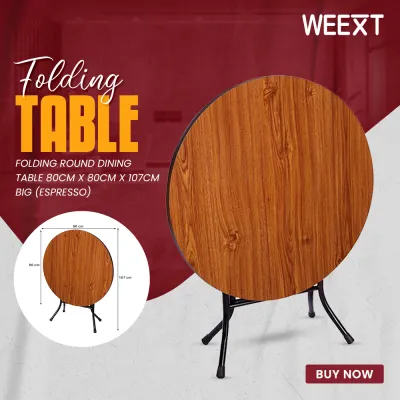
Prices are valid at publication and may change. Please refer to the product page for the latest price.
Beyond physical movement, circular furniture introduces a powerful visual benefit to compact interiors. Most urban apartments are defined by rigid, straight lines—from walls and window frames to kitchen counters and wardrobes. Introducing a circular silhouette breaks up this geometric monotony. By softening the hard angles of a room, a round table draws the eye inward and creates an illusion of visual lightness, preventing the space from feeling overcrowded or boxed in.
Versatility is another major advantage of this specific dimension. An 80cm diameter is highly adaptable, functioning equally well across different rooms and daily routines. In the morning, it serves as a comfortable breakfast nook; during the day, it transitions into a laptop-friendly workspace; and in the evening, it can host a casual dinner for up to three or four people. This multi-functional capability is essential for modern micro-living, where a single room must often serve as a living room, dining area, and office simultaneously.
Key Features to Check Before Buying
Selecting the right table involves more than just liking its appearance. To ensure your purchase is practical, durable, and comfortable for daily use, you must evaluate several structural and material features before making a decision.

Base Design and Leg Configuration
The construction of the table’s base directly impacts both legroom and chair storage.
- Pedestal Bases: A single-column pedestal base is highly recommended for small spaces. Because there are no outer legs to obstruct movement, you can tuck chairs completely under the table when they are not in use, reclaiming valuable floor space. It also allows for flexible seating arrangements, as guests can sit around the perimeter without knocking their knees against table legs.
- Multi-Leg Bases: Tables with three or four legs offer excellent structural stability but limit where chairs can be placed. If you choose a multi-leg design, ensure the legs splay outward slightly or are positioned far enough apart to allow your chairs to slide fully underneath the tabletop.
Height Alignment and Ergonomics
Before purchasing, you must determine whether you need a dining-height table or a coffee-height table, as this dictates the ergonomics of your seating arrangement.
- Dining and Work Height: Standard dining tables range from 70cm to 75cm in height. This elevation pairs correctly with standard dining chairs or office chairs that have a seat height of 43cm to 48cm, ensuring a comfortable posture for eating or working.
- Coffee Table Height: Coffee tables typically stand between 40cm and 50cm tall. If you plan to use an 80cm round table as a central living room piece, ensure its height matches or sits slightly below the seat cushion of your sofa to maintain comfortable reach and balanced proportions.
Material and Finish Care
The tropical climate of the Philippines, characterized by high humidity and warm temperatures, demands careful consideration of furniture materials.
- Engineered Wood (MDF/Particle Board): Often budget-friendly and lightweight, but highly sensitive to moisture. If you select a medium-density fiberboard (MDF) table, verify that it features high-quality edge banding and a sealed veneer or polyurethane finish to prevent water from penetrating the seams and causing the wood to swell.
- Solid Wood: Materials like rubberwood, mahogany, or acacia offer beautiful natural grain and excellent durability. Ensure the wood is treated with a moisture-resistant sealant to protect it from warping in humid conditions or staining from condensation rings left by cold drinks.
- Tempered Glass and Metal: These materials are highly resilient against humidity and spills. However, glass requires regular wiping to remove fingerprints, and metal bases should feature powder-coated finishes to prevent rust over time.
Delivery and Access Constraints
Always verify the packaged dimensions of the table before completing your purchase. Even a relatively compact 80cm table can present delivery challenges if the tabletop is pre-assembled as a single solid piece. Measure your apartment building’s elevator doors, narrow stairwells, and your home’s entryways to guarantee the box can be carried inside safely without damaging the walls or the furniture itself.
Top 80cm Round Table Recommendations
To help you find the perfect fit for your layout, here are three highly effective styles of 80cm round tables commonly available in the Philippine market, categorized by their primary functional strengths.
Best for Small Dining Nooks
For dedicated dining areas within a studio or one-bedroom apartment, a classic Scandinavian-inspired pedestal table is an exceptional choice. Featuring a smooth lacquer-finished MDF or solid wood tabletop supported by a heavy-duty, powder-coated steel pedestal base, this design maximizes floor space while providing a stable surface for meals.
- Why it works: The central pedestal base frees up the entire perimeter of the table, allowing you to tuck two to three standard dining chairs completely underneath. This clean integration keeps walkways clear when the table is not in use. The standard 75cm height aligns perfectly with classic wooden or upholstered dining chairs.
- Limitations and Care: White or light-colored lacquered tops are susceptible to staining from dark sauces or heat damage from hot cookware. Always use placemats and coasters, and wipe up spills immediately with a damp microfiber cloth. Avoid using abrasive scrubbers that can scratch the protective topcoat.
- Specifications to double-check: Verify the weight of the metal base on the product page; a heavier base is essential to prevent the table from tipping when pressure is applied to the edges.
Best as an Oversized Coffee Table
If you want to anchor your living room sofa arrangement, a low-profile 80cm wooden coffee table with a cross-leg or tripod base offers a warm, inviting focal point. Standing at a comfortable height of 42cm to 45cm, this style provides ample surface area for books, drinks, and decorative trays without dominating the room.
- Why it works: The generous 80cm diameter provides plenty of surface space, making it highly practical for hosting casual gatherings, playing board games, or enjoying movie-night snacks. The lower height keeps the visual line of the room low, which helps make low-ceilinged condo units feel taller and airier.
- Limitations and Care: Because the legs are positioned at the outer edges, you cannot easily slide floor cushions or stools underneath this style of table. Solid wood veneers require protection from direct sunlight to prevent uneven fading over time. Wipe the surface down with a dry or slightly damp cloth, avoiding harsh chemical cleaners.
- Specifications to double-check: Check the clearance height beneath the tabletop to ensure it coordinates visually with the height of your sofa's seat cushions.
Best Minimalist Design for Visual Lightness
For ultra-compact rooms where any solid furniture feels heavy, a tempered glass round table with slim, tapered metal legs is the ultimate spatial hack. The transparent top allows light to pass through unobstructed, making the floor beneath it visible and instantly creating the illusion of more square footage.
- Why it works: The combination of a clear glass top and slender, dark metal or wood-look metal legs provides a modern, sophisticated aesthetic that blends seamlessly into any decor style. It keeps the room looking open and uncluttered, even when placed in a tight corner.
- Limitations and Care: Glass surfaces show dust, smudges, and fingerprints very easily, meaning they require regular cleaning with a dedicated glass cleaner. Tempered glass is highly durable and shatter-resistant, but it still has a lower weight capacity than solid wood or metal. Avoid placing exceptionally heavy items on the table.
- Specifications to double-check: Confirm the thickness of the tempered glass (8mm is standard for safety and durability) and check the manufacturer's specified maximum weight capacity before buying.
How to Plan Your Space and Clearances
To ensure your 80cm round table integrates seamlessly into your home, you must plan the surrounding layout with precise measurements. Proper spacing prevents the room from feeling cramped and ensures that daily activities remain comfortable.
Calculating the Total Footprint
While the table itself only occupies an 80cm circle, the actual space required must account for the chairs and the space needed to pull them out.
- Active Dining Footprint: A standard dining chair adds roughly 45cm to 50cm of depth on each side when occupied. Therefore, an 80cm table with two chairs placed opposite each other requires a total functional width of approximately 170cm to 180cm to accommodate seated guests comfortably.
Walkway and Wall Clearances
To maintain comfortable movement throughout your home, follow these standard clearance guidelines:
- Passage Space: Leave a minimum of 60cm of open space behind your chairs when they are pushed in. This allows family members to walk past the dining setup without forcing the seated person to adjust their position.
- Sofa-to-Coffee Table Distance: If you are using the table as a coffee table, position it between 40cm and 45cm away from the edge of your sofa. This distance is close enough to comfortably reach for a drink or place a book down, yet wide enough to allow you to stand up and walk between the sofa and table easily.
- Wall Distance: For dining setups, try to keep the table at least 75cm away from adjacent walls. This ensures that chairs can be pulled out smoothly without scuffing the paint or trapping the user.
Rug Pairing Guidelines
If you plan to place an area rug beneath your table, selecting the correct size is crucial for both aesthetics and safety.
- For Dining Tables: The rug should be large enough that when chairs are pulled out for someone to sit, all four chair legs remain securely on the rug. For an 80cm table, a round rug with a diameter of at least 180cm to 200cm is ideal.
- For Coffee Tables: The rug should anchor the seating arrangement. A round rug measuring 120cm to 150cm in diameter works beautifully, allowing the front legs of your sofa to rest on the outer edges while the 80cm table sits centered.
Frequently Asked Questions (FAQ)
How many chairs can comfortably fit around an 80cm round table?
An 80cm round table comfortably accommodates two people for daily meals or laptop work. For casual social gatherings, coffee, or tea, you can easily squeeze three people around it. While it is physically possible to place four chairs around an 80cm perimeter, doing so will feel tight and is best reserved for occasional use with slim, armless dining chairs or compact stools.
Is an 80cm table too big for a small living room?
In most small living rooms, an 80cm table is not too large, provided you maintain the recommended 40cm to 45cm clearance between the table and your sofa. To visualize how the table will fit in your specific layout before purchasing, map out an 80cm circle on your living room floor using masking tape or newspaper. Walk around the template for a day to ensure it does not block your natural pathways or interfere with TV cabinet drawers and doors.
Community discussion
Share your experience or ask a question. Comments are reviewed before publication.