
Moving to a new home in the Philippines—commonly known as lipat bahay—is a major undertaking that requires careful planning, physical effort, and the right packing materials. Among the various packing solutions available, the 80L storage box has emerged as the industry sweet spot for household moves. It strikes a highly efficient balance between holding a substantial volume of belongings and remaining light enough for safe manual handling. Choosing the right 80L container prevents the physical strain and structural failures associated with oversized bins, while avoiding the logistical headache of managing dozens of tiny boxes.
When preparing for a move, selecting the ideal storage box involves assessing material durability, locking mechanisms, and transport compatibility. This guide breaks down why the 80L capacity is highly recommended for local moves, what specific structural features to inspect before purchasing, and how to choose the right box type to protect your household goods from the tropical climate and transit hazards.
Why 80L is the Sweet Spot for Lipat Bahay
An 80L storage box typically measures approximately 60 to 65 centimeters in length, 40 to 45 centimeters in width, and 35 to 40 centimeters in height. This specific geometry is highly practical for the logistics of moving in the Philippines. These dimensions allow the boxes to slide easily into standard transport vehicles, including the cargo beds of L300 utility vans, pickup trucks, and closed aluminum moving trucks. They also fit comfortably inside the tight passenger elevators of high-rise condominiums in Metro Manila or the sidecars of local tricycles used for short-distance neighborhood moves.
Products mentioned in this guide
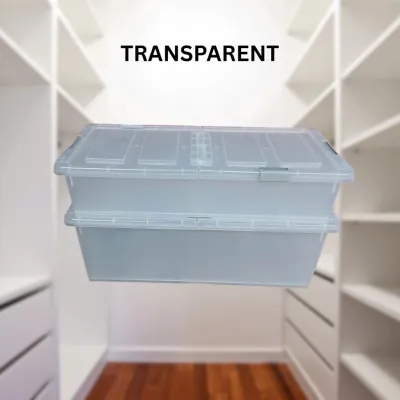
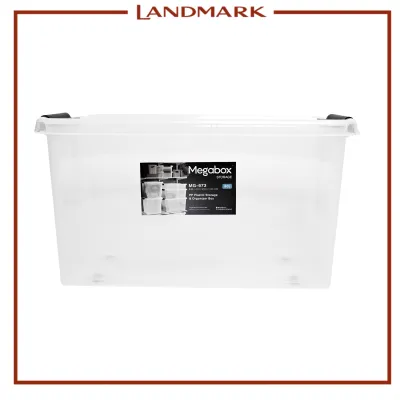
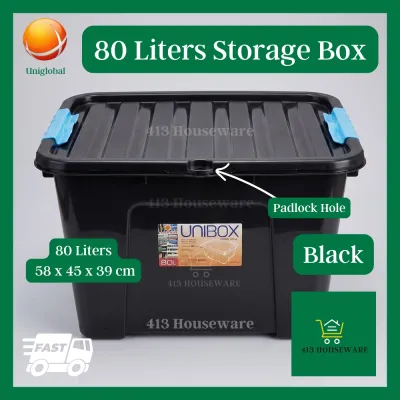
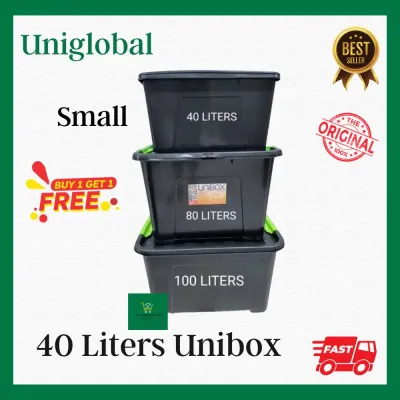
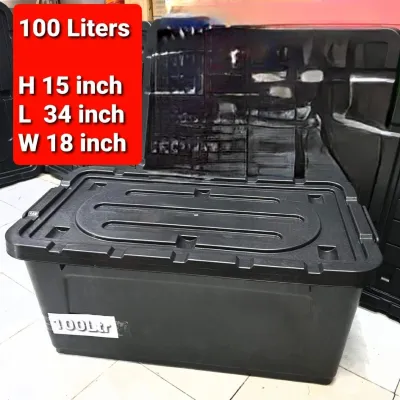
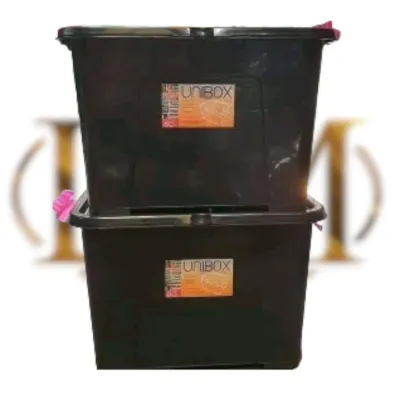
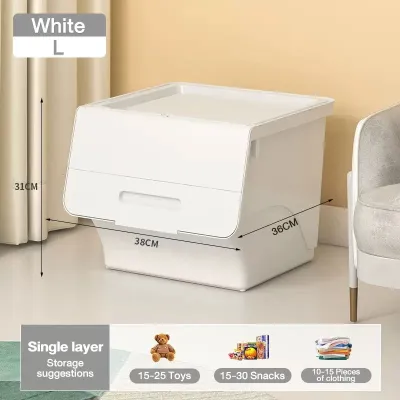
Prices are valid at publication and may change. Please refer to the product page for the latest price.
Using containers larger than 80L, such as 100L or 120L bins, often leads to packing inefficiencies and safety risks. When large boxes are filled with dense items like kitchenware, books, or pantry supplies, the total weight can easily exceed 30 kilograms. This makes manual lifting hazardous for your back and significantly increases the risk of a “bottom blowout,” where the plastic base flexes, cracks, and spills your belongings onto the pavement.
Conversely, relying on smaller boxes like 30L or 50L containers increases the total number of individual items you must carry. This leads to more trips back and forth, longer loading times, and higher labor costs if you are hiring professional movers. The 80L capacity allows you to pack a mix of heavy and light items safely, maintaining a manageable weight of around 15 to 20 kilograms per box when packed correctly. This size also ensures that the box remains stable when carried by a single person using proper lifting techniques.
Key Features to Look for in Moving Storage Boxes
When shopping for 80L storage boxes on online marketplaces or at local home improvement centers, it is important to look beyond basic aesthetics. A box that looks sturdy on a screen may warp or crack under the pressure of a real-world move. To ensure your belongings remain safe, use the following checklist to evaluate structural and material quality before making a purchase.

- Material Construction and Thickness: Inspect the quality of the plastic. High-density polypropylene (PP) is the industry standard for moving containers due to its impact resistance. Look for reinforced structural ribs along the corners, sides, and bottom of the box. These ribs distribute weight evenly and prevent the walls from bowing outward when the box is fully loaded. Avoid thin, highly flexible plastics that warp under slight pressure, as they are prone to cracking when stacked.
- Lid Security and Latches: A secure lid is vital for protecting your goods during transit. Opt for boxes equipped with heavy-duty clip-locks or latches that snap firmly over the rim. Simple friction-fit or snap-on lids without latches can easily pop off if the box is slightly overfilled or if the transport vehicle encounters bumps, potholes, or steep inclines on local roads.
- Handle Ergonomics: Carrying loaded boxes over long distances or up narrow stairwells requires comfortable handholds. Look for deep, molded, or recessed handles that provide a secure grip without sharp plastic edges cutting into your hands. Recessed handles are highly preferred because they do not protrude, preventing the boxes from snagging against each other or the vehicle walls during loading.
- Stackability and Interlocking Lids: Examine the top of the lid. It should feature a recessed channel or interlocking grooves designed to match the footprint of the box bottom. This design ensures that when you stack multiple boxes, they lock into place and resist sliding horizontally during sudden stops or sharp turns in transit.
- Weight Capacity Limits: Always check the manufacturer's stated weight capacity printed on the product label or user guide. Do not assume all 80L plastic boxes can support the same load; utility-grade totes are built for much heavier capacities than decorative home organization bins.
Recommended Types of 80L Storage Boxes for Different Needs
To pack an entire household efficiently, it is best to use a combination of different box designs. Different household items have varying protection requirements, weights, and shapes. Categorizing your packing strategy using these three primary types of 80L storage boxes will help protect your items while optimizing your moving budget.
Heavy-Duty Polypropylene (PP) Plastic Totes
Heavy-duty PP plastic totes are the standard choice for general household packing. Their rigid construction offers excellent protection against external impacts, making them highly reliable for transporting fragile items, electronics, kitchenware, and small appliances. In the humid tropical climate of the Philippines, these plastic totes provide a crucial barrier against moisture, dust, and pests like ants or cockroaches.
These totes feature superior stackability, allowing you to stack them several layers high in a moving truck without worrying about the bottom boxes collapsing. However, their primary limitation is their rigid physical footprint. Once the move is complete and the boxes are empty, they still occupy the same amount of physical space. You will need to allocate dedicated storage space in your new home, such as a garage, closet, or bodega, to store them until they are needed again.
Collapsible Storage Boxes with Rigid Frames
Collapsible storage boxes are typically constructed from heavy-duty fabric, such as Oxford cloth or canvas, stretched over an internal steel wire or hard plastic frame. These boxes are designed with zippered openings, often on both the top and the front, allowing for easy access to the contents. They are exceptionally lightweight and fold completely flat when empty, making them easy to store post-move.
These boxes are ideal for packing bulky, low-density items such as bedsheets, blankets, comforters, pillows, curtains, and seasonal clothing. Because they are breathable, they help prevent musty odors from developing in fabric items during transit. However, you must avoid using collapsible fabric boxes for heavy, sharp, or highly fragile items. They lack the crush-proof protection of rigid plastic, and stacking heavy objects on top of them can cause the internal frame to buckle, potentially damaging the contents inside.
Wheeled Storage Bins for Heavy Loads
Wheeled storage bins are 80L plastic containers equipped with integrated casters at the base and a molded pull handle. These mobile bins are specifically designed to reduce physical strain when moving dense, heavy items. Instead of lifting a heavy load across a long hallway or parking lot, you can roll the container smoothly over flat surfaces.
These bins are perfect for transporting heavy books, tools, canned goods, or dense pantry items. When choosing wheeled bins, inspect the quality of the wheels and the floor clearance. Ensure the wheels are made of durable, impact-resistant materials and are securely attached to the base. It is also important to check if the wheels have a locking mechanism to prevent the bin from rolling around inside the moving vehicle during transit. Always verify the manufacturer’s weight limit, as overloading a wheeled bin can damage the casters or crack the plastic housing around the wheels.
Quick Comparison: Which 80L Box Type Fits Your Move?
To help you plan your packing inventory, the table below summarizes the key characteristics, ideal use cases, and physical limitations of the three primary 80L storage box types.
| Box Type | Best For | Weight Capacity (General Guidance) | Stackability | Empty Storage Footprint |
|---|---|---|---|---|
| Heavy-Duty PP Plastic Totes | Kitchenware, electronics, fragile items, general goods | Up to 25 kg (Verify product label) | Excellent (Interlocking design) | High (Maintains rigid shape) |
| Collapsible Fabric Boxes | Bedding, pillows, clothing, soft toys | Up to 10 kg (Verify product label) | Moderate (Light stacks only) | Very Low (Folds completely flat) |
| Wheeled Storage Bins | Books, tools, canned goods, heavy pantry items | Up to 30 kg (Verify product label) | Good (Lock wheels if stacked) | High (Maintains rigid shape) |
Packing and Stacking Tips for 80L Boxes
Packing your 80L boxes correctly is just as important as choosing the right container. Proper packing techniques prevent damage to your personal belongings and protect you and your movers from physical injury. Follow these practical, low-risk guidelines to ensure a smooth moving process.
First, always practice proper weight distribution inside each box. Place the heaviest items, such as books, heavy pots, or small appliances, at the very bottom of the box to establish a low center of gravity. Place lighter items, like clothing, linens, or plastic kitchenware, on top. This prevents the box from becoming top-heavy, which can cause it to tip over during handling or transit.
Second, protect fragile items by using soft household goods as padding. Instead of relying solely on single-use plastic bubble wrap, wrap your glassware, ceramics, and picture frames in clean towels, t-shirts, or blankets. This dual-purpose packing method cushions your fragile items while maximizing the usable space inside the box. Ensure that any empty spaces inside the box are filled with soft items to prevent the contents from shifting during transport.
Third, avoid overfilling the boxes. The lid of an 80L box must sit completely flat and lock securely into place without force. A bulging lid prevents safe stacking, puts excessive stress on the plastic latches, and increases the risk of the lid popping open during transit. If you have to force the lid shut, distribute some of the contents to another container.
Finally, apply safe stacking practices when loading the moving vehicle. Place the heaviest, most rigid PP plastic totes at the bottom of the stack to create a stable foundation. Stack the boxes in straight columns, ensuring the interlocking lids align perfectly. Never stack boxes higher than shoulder level to prevent tipping hazards during loading and unloading. Secure the stacks inside the vehicle using ratchet straps, ropes, or cargo nets to prevent movement when driving over bumpy roads or navigating sharp turns.
Frequently Asked Questions (FAQ)
Can I use 80L storage boxes for long-term storage after moving?
Yes, heavy-duty plastic 80L boxes are excellent for long-term storage in closets, garages, or storage units. However, because of the high humidity levels in the Philippines, items stored long-term can be susceptible to mold, mildew, or pest damage. Before packing items for long-term storage, ensure they are completely clean and dry. Consider placing silica gel packets inside the boxes to absorb residual moisture, or seal sensitive fabric items in airtight vacuum bags before placing them in the box. Fabric collapsible boxes should only be used for long-term storage in dry, elevated indoor areas to prevent dust and pest intrusion.
How many 80L boxes do I need for a standard 2-bedroom condo move?
The exact number of boxes you will need depends on your lifestyle, the density of your belongings, and how thoroughly you declutter before packing. As a general planning baseline for a standard two-bedroom condominium in the Philippines, you can estimate needing approximately 10 to 15 of the 80L boxes per bedroom for clothing and personal items. You should also allocate an additional 5 to 10 boxes for the living area and kitchen essentials. This brings the total estimated requirement to around 25 to 40 boxes of 80L capacity. It is highly recommended to start by purchasing a smaller batch of boxes to assess your actual packing volume before buying your entire inventory.
Community discussion
Share your experience or ask a question. Comments are reviewed before publication.