
Living in a compact apartment or condominium in the Philippines—whether a cozy studio in Bonifacio Global City or a one-bedroom unit in Quezon City—demands smart furniture choices. When floor space is limited, every square meter must work twice as hard. A coffee table adjustable height design offers an elegant, space-saving solution by serving multiple roles in a single footprint. Instead of crowding your living room with a separate dining table, a work desk, and a traditional low table, a single convertible piece can seamlessly transition between these functions to keep your home open, airy, and highly functional.
The primary appeal of an adjustable table lies in its ability to adapt to your daily rhythm. In the morning, it sits low and unobtrusive, holding your cup of coffee while you lounge on the sofa. By midday, a quick adjustment raises the tabletop to the perfect ergonomic height for a laptop, turning your living room into a productive home office. In the evening, the same table can be raised further to host a casual dinner with friends, eliminating the need for a bulky, dedicated dining set. Reclaiming this valuable floor space not only improves the flow of your home but also reduces visual clutter, making even the smallest apartment feel significantly larger.
Choosing a Coffee Table with Adjustable Height: Key Features to Evaluate
Selecting the right adjustable table requires looking beyond aesthetics. Because these pieces rely on moving parts and must support various activities, you need to evaluate their construction, mechanics, and physical proportions carefully. This ensures your investment remains safe, stable, and highly usable for years to come.
Products mentioned in this guide
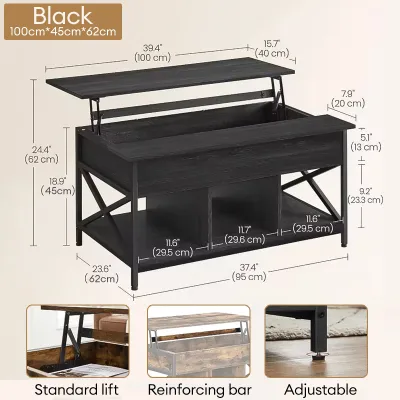

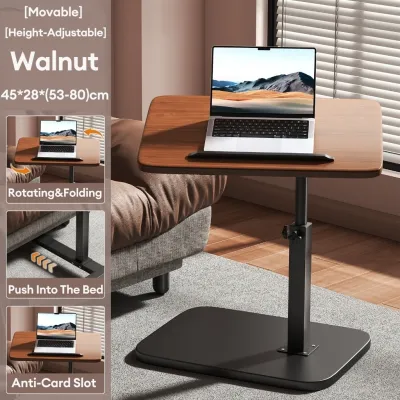
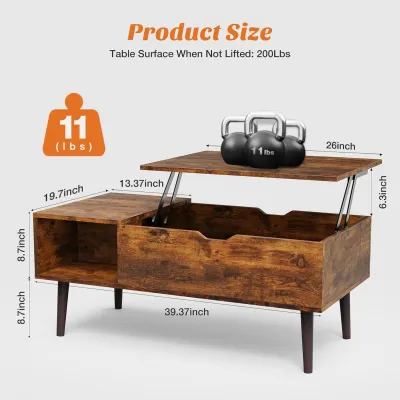
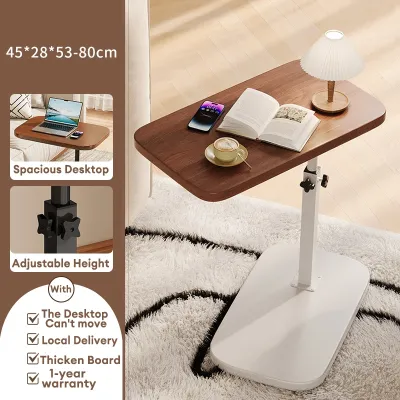
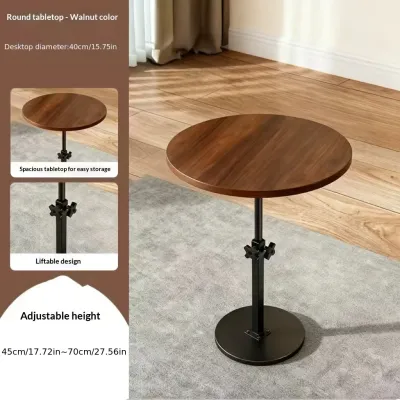
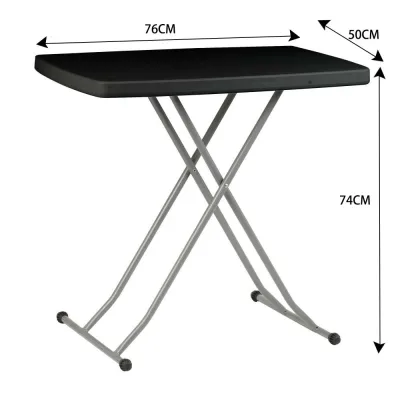
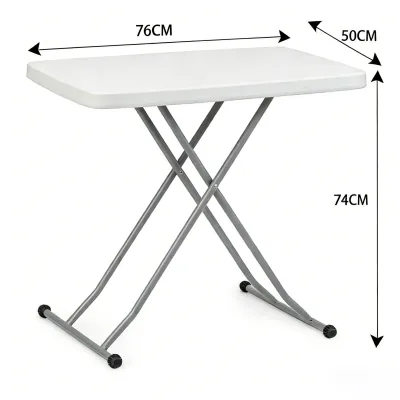
Prices are valid at publication and may change. Please refer to the product page for the latest price.
Lift Mechanisms and Ease of Use
The heart of any adjustable table is its lifting mechanism, which determines how smoothly and safely the tabletop transitions between heights. The three most common systems found in the market are pneumatic, hydraulic, and mechanical spring systems. Understanding how these systems operate will help you choose the right hardware for your daily needs.
- Pneumatic Systems: These utilize gas-pressurized cylinders, similar to those found in office chairs. They offer incredibly smooth, quiet, and often effortless height adjustments, allowing you to raise or lower the table with a simple lever. Because they rely on sealed gas struts, they are highly reliable but should be checked for seal integrity over time, especially in hot and humid tropical climates.
- Hydraulic Systems: Operating on fluid pressure, hydraulic mechanisms provide a highly controlled and heavy-duty lift. They are excellent for larger, heavier tabletops that need to support significant weight. However, they can be heavier overall and may require occasional professional inspection if a fluid leak ever occurs.
- Mechanical Spring Systems: This classic design uses heavy-duty steel springs to assist with the lift. While highly durable and generally more affordable, spring systems can sometimes feel a bit "snappy" or sudden during operation. It is crucial to verify if the springs have built-in dampeners to prevent the top from slamming shut.
When shopping, always check the product specifications or labels to identify the exact mechanism used. Whenever possible, look for features that allow for smooth, one-handed operation, ensuring you do not have to struggle or strain when adjusting the table.
Dimensions, Clearance, and Proportions
In a small apartment, a few centimeters can make the difference between a comfortable walkway and a cramped bottleneck. Before purchasing, you must measure your living space in relation to both the collapsed and fully expanded states of the table.
First, measure your sofa’s seat height. To use the table comfortably in its lowered state, the tabletop should ideally sit at the same height as, or up to five centimeters lower than, your sofa cushions. Next, check the maximum extended height. If you plan to use the table for dining or working, the raised surface should sit comfortably above your lap when seated on the sofa or a standard chair, typically between 60 to 75 centimeters from the floor.
Second, map out the clearance paths. Many lift-top tables do not just rise straight up; they also swing forward toward the seating area. You must ensure that when the top is fully extended, it does not press too tightly against your knees or completely block the path to the television console, balcony door, or kitchen entryway. Additionally, measure your apartment’s doorway, hallway, and elevator clearance to guarantee the delivery team can safely transport the fully assembled table into your home.
Base Stability and Weight Capacity
When a table’s surface is raised and extended, its center of gravity shifts upward and outward. This structural shift makes base stability a critical safety factor. A table with a weak or overly narrow base can easily tip over if someone leans on the edge or places a heavy object on the extended top.
To ensure maximum safety, look for tables constructed with a wide, heavy base or sturdy steel frames that distribute weight evenly across the floor. Solid wood or heavy engineered wood bases provide excellent counterweighting against a raised top.
Furthermore, always verify the manufacturer’s stated weight capacity for both the closed and fully extended positions. While a table might support up to 50 kilograms when fully collapsed, its weight limit might drop significantly to 10 or 15 kilograms when raised. Exceeding this verified limit can strain the lifting mechanism, cause the top to sag, or lead to sudden structural failure. Never assume a table can support heavy appliances, multiple laptops, or large serving platters without checking the official load limits first.
Recommended Styles of Adjustable Coffee Tables for Compact Living
Adjustable coffee tables come in several distinct styles, each offering unique advantages tailored to different lifestyles and space constraints. By understanding these design categories, you can select the style that best aligns with your daily habits.

Lift-Top Tables with Hidden Storage
For many small-apartment dwellers, storage is just as precious as floor space. Lift-top coffee tables feature a split or solid top that lifts upward and forward, revealing a spacious, hollow compartment built directly into the table’s frame.
This hidden storage is incredibly practical for keeping your living room clutter-free. It provides an out-of-sight home for items that usually litter the room, such as remote controls, board games, reading materials, laptop chargers, and work documents. When you are done working or eating, you can simply tuck your items inside, lower the top, and restore a clean, minimalist aesthetic to your home.
However, there is a clear spatial trade-off to consider with this style. Because of the built-in storage compartment, these tables are often heavier and bulkier than standard models. They require a completely flat, stable floor surface and sufficient clearance in front of the sofa to allow the top to swing open without hitting your knees or shins.
Pneumatic Pedestal Tables
If your apartment features an ultra-compact layout or a non-traditional seating arrangement, a pneumatic pedestal table is an exceptional alternative. Instead of four legs, these tables utilize a single, central pillar resting on a heavy, flat disc or cross-shaped base.
This single-column design offers several distinct benefits for tight spaces:
- 360-Degree Access: Without corner legs blocking the sides, users can easily slide their legs under the table from any angle, making it highly compatible with floor cushions, low stools, or compact accent chairs.
- Minimal Footprint: The central base takes up very little floor space, allowing you to position the table closer to your seating without restricting legroom.
- Effortless Adjustability: Most pedestal tables use a simple foot pedal or hand lever connected to a gas lift, allowing you to adjust the height incrementally to match different seating heights.
When choosing a pedestal table, it is vital to inspect the thickness of the central column and the weight of the base. A base that is too light or a column that is too thin can cause the tabletop to wobble when you write, type, or cut food during dinner.
Expandable or Split-Top Adjustable Tables
For households with multiple residents, a split-top or expandable adjustable table offers the ultimate in multi-functional flexibility. Unlike traditional lift-tops where the entire surface raises as one unit, split-top models divide the surface into two or more independent sections.
This design allows one person to raise their half of the table to work on a laptop or enjoy a meal, while another person keeps their side lowered to rest a drink, display decor, or use as a traditional coffee table. This simultaneous, multi-purpose utility makes it an ideal choice for couples or roommates sharing a small living room, as it accommodates different activities without requiring anyone to compromise.
Because these tables feature more complex joints, hinges, and moving parts, it is essential to check the alignment of the seams when the table is fully closed. High-quality manufacturing ensures the split surfaces sit perfectly flush with one another, preventing crumbs, dust, or spilled liquids from getting trapped in the gaps.
Setup, Safety, and Maintenance in Compact Homes
To get the most out of your adjustable height coffee table, proper installation, mindful daily use, and regular maintenance are essential. Taking these simple steps will protect your furniture, keep your household safe, and ensure smooth operation for years.
Strategic Placement in the Living Room
When positioning your table, place it away from primary, high-traffic walkways. Because the table’s shape and footprint change when expanded, a table that is perfectly out of the way when collapsed might block a crucial pathway when raised. Always test the table in its fully extended state to ensure family members can still move safely around the room without bumping into sharp corners.
Additionally, pay close attention to your flooring. If you place the table on an area rug, ensure the rug is flat, firm, and thin. A thick, plush rug can cause the table’s base to sit unevenly, creating a subtle wobble that becomes highly magnified when the tabletop is raised to its maximum height. If your apartment has uneven tile or wood flooring, look for a table equipped with adjustable leveling feet to compensate for the uneven surface.
Safety Precautions and Pinch Points
Any piece of furniture with moving parts introduces potential safety hazards, particularly pinch points where the lifting arms and hinges fold together. When lowering or raising the tabletop, always keep your hands, fingers, and cords clear of the internal metal brackets.
If you have young children or curious pets in your home, safety must be a top priority. Strongly consider choosing a table equipped with soft-close mechanisms, hydraulic dampeners, or safety locking pins. These features prevent the heavy tabletop from dropping suddenly if someone accidentally releases the lever, protecting small fingers and paws from getting trapped. Furthermore, always teach children that the raised tabletop is not a toy and should never be climbed on or used as a support to stand up.
Cleaning and Long-Term Maintenance
To keep the lifting mechanism operating smoothly, perform a quick inspection of the hardware every six months. Check that all screws, bolts, and hinge attachments remain tight, as the repetitive motion of raising and lowering the table can gradually loosen them over time. If the mechanism begins to squeak or feel stiff, consult the manufacturer’s care instructions; some systems may benefit from a light application of silicone lubricant, while others are designed to be completely maintenance-free.
Because the Philippines experiences high humidity throughout the year, protecting the table’s surface from moisture is critical. Condensation from iced drinks can quickly seep into seams or micro-scratches, causing engineered wood, MDF, or wood veneers to swell, warp, or bubble.
To prevent water damage, follow these care steps:
- Use Coasters and Placemats: Always place coasters under cold drinks and heat-resistant mats under hot plates to shield the finish.
- Wipe Spills Immediately: Use a dry, soft microfiber cloth to clean up any liquid spills right away. Avoid letting water sit on the surface or near the seams of split-top tables.
- Avoid Harsh Chemicals: Clean the table using only a slightly damp cloth and mild soap if necessary. Harsh chemical cleaners can strip away protective sealants, leaving the underlying material vulnerable to moisture absorption.
- Refer to Manufacturer Instructions: Always read the specific care guidelines provided with your table, as different finishes (such as melamine, real wood veneer, or powder-coated metal) require distinct cleaning methods.
Frequently Asked Questions (FAQ)
Can I use an adjustable coffee table as my primary dining table?
Yes, an adjustable coffee table can successfully serve as your primary dining table, provided you verify its specifications beforehand. You must ensure that the maximum extended height aligns ergonomically with your seating—whether you are sitting on the sofa or using separate dining chairs. It is also vital to check the manufacturer’s weight limit, as dining activities involve placing heavy serving dishes, plates, and physical downward pressure on the table surface.
Keep in mind that daily, heavy use for dining will subject the lifting mechanisms to more wear and tear than occasional use. To ensure longevity, invest in a table with high-quality pneumatic or hydraulic lifters and a robust warranty. Additionally, because dining increases the likelihood of food and liquid spills, prioritize tables with easy-to-clean, moisture-resistant surfaces and minimal open seams where food particles could get trapped.
Are lift-top coffee tables safe for homes with toddlers or pets?
Lift-top coffee tables can be used safely in homes with toddlers or pets, but they require careful selection and mindful operation. The primary risks are pinch points within the folding metal hinges and the potential for the table to tip over if a child or large pet pulls down on the extended edge.
To minimize these risks, look for models that feature slow-close hydraulic hinges, which prevent the top from slamming shut if released. Choosing a table with a heavy, wide, and low-profile base dramatically reduces the risk of tipping. It is also wise to select designs with rounded corners rather than sharp edges to prevent injuries during active play. Finally, always utilize built-in safety locks or manual locking pins to secure the tabletop firmly in place whenever it is raised.
Community discussion
Share your experience or ask a question. Comments are reviewed before publication.