
Selecting the ideal kitchen storage system in the Philippines requires balancing organizational efficiency with extreme material durability. Traditional wood and medium-density fiberboard (MDF) cabinets frequently struggle against the country’s relentless tropical humidity, seasonal flooding, and persistent pest threats. An aluminum kitchen cabinet offers a highly resilient, modern alternative designed to withstand these environmental challenges while maximizing storage capacity.
Investing in aluminum cabinetry transforms how you manage your kitchen space. Beyond their sleek, contemporary appearance, these cabinets provide a hygienic, non-porous surface that does not harbor pests or mold. To choose the best option for your home, you must understand the material specifications, configuration choices, and structural requirements that dictate long-term performance in a tropical climate.
Why Aluminum Cabinets Suit Filipino Kitchens
The unique environmental conditions of the Philippines make material selection a critical factor in the lifespan of kitchen furniture. High relative humidity, which regularly exceeds 80 percent during the wet season, accelerates the degradation of organic materials. Wood and MDF absorb moisture from the air, causing them to swell, warp, and split over time. This structural warping leads to misaligned doors, jammed drawers, and weakened joints that compromise the safety of the entire cabinet system.
Products mentioned in this guide
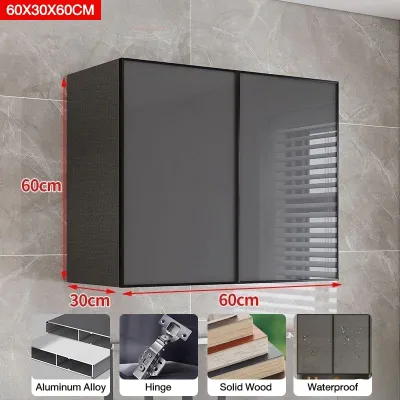
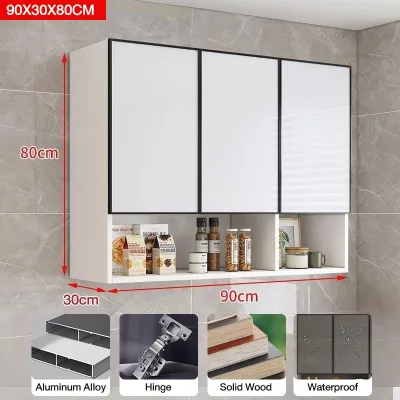
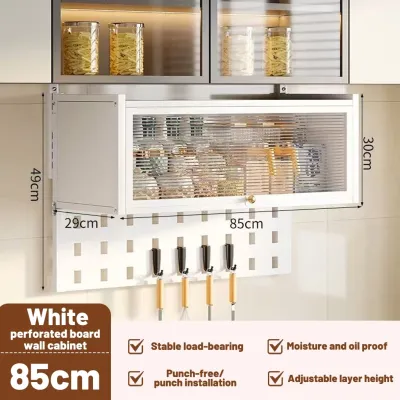
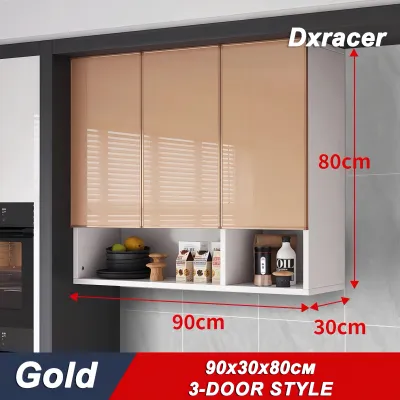
Prices are valid at publication and may change. Please refer to the product page for the latest price.
Termites, locally known as anay, present another severe threat to wooden kitchen structures. These pests can quietly dismantle traditional wooden cabinets from the inside out, often requiring expensive chemical treatments or complete kitchen replacements. Aluminum is entirely impervious to termite infestations, providing long-term peace of mind without the need for toxic pest control measures in food preparation areas.
Local cooking habits also subject kitchen surfaces to intense wear and tear. Traditional Filipino cuisine often involves high-heat frying, boiling, and long simmering processes that generate substantial steam, heat, and airborne grease. Wooden surfaces can absorb these oils, leading to stubborn stains, persistent odors, and a sticky residue that is difficult to clean. Aluminum does not absorb grease or odors, and its non-combustible nature offers an added layer of fire safety near gas stoves and ovens.
Furthermore, mold and mildew thrive in dark, damp kitchen corners, especially inside enclosed wooden sink bases. Aluminum’s inorganic surface prevents the growth of fungal spores, ensuring that your food storage areas, plates, and cooking utensils remain sanitary. Even in the event of minor plumbing leaks or seasonal flooding, aluminum cabinets will not rot, rust, or degrade, allowing you to simply wipe them dry and continue using them.
Key Quality Checks for Aluminum Storage Cabinets
Not all aluminum cabinets are manufactured to the same standards. To ensure you are investing in a durable storage system, you must verify several critical construction details and material specifications with your manufacturer or supplier before finalizing a purchase.

Material Thickness and Bracing
The overall stability and dent resistance of an aluminum cabinet depend on the thickness, or gauge, of the aluminum sheets and the design of its structural frame. High-quality cabinets utilize heavy-duty extruded aluminum frames rather than thin, folded sheets.
- Frame Thickness: Ensure the structural frame has a minimum thickness of 1.2mm to 1.5mm to prevent twisting under load.
- Panel Construction: Look for double-walled panels or panels reinforced with internal composite cores, which provide a solid feel and prevent the metallic drumming sound when doors are closed.
- Internal Bracing: Verify that shelves and wide drawers feature horizontal support bars underneath to distribute weight evenly and prevent sagging.
Surface Treatment
Raw aluminum is susceptible to oxidation and scratching, making a high-quality surface finish essential for kitchen environments. The two most reliable surface treatments are powder coating and anodizing.
- Powder Coating: This process applies a dry thermoplastic powder that is cured under heat to form a thick, protective layer. It offers excellent resistance to scratches, impact, and household chemicals, and is available in a wide range of colors, including realistic wood-grain textures. Check that the coating is applied uniformly, with no thin patches or exposed metal at the joints.
- Anodizing: This electrochemical process thickens the natural oxide layer on the aluminum surface, creating a hard, corrosion-resistant metallic finish. Anodized aluminum is highly resistant to fading and scratching, making it ideal for modern, industrial-style kitchens. However, it is more susceptible to staining from highly acidic or alkaline food spills if not wiped away promptly.
Hardware Quality
A cabinet frame may last for decades, but its daily usability depends entirely on the quality of its moving parts. The high humidity of tropical climates can cause low-grade steel hardware to rust and fail within a few years.
- Hinges: Insist on 304-grade stainless steel hinges, which offer superior resistance to rust and corrosion. Soft-close hydraulic dampers are highly recommended to prevent doors from slamming, which can loosen cabinet joints over time.
- Drawer Slides: Verify that drawer runners are rated for heavy loads and feature smooth ball-bearing mechanisms. Under-mount or double-wall drawer systems provide better stability and weight distribution than basic side-mounted rollers.
- Handles and Pulls: Ensure that handles are securely bolted through the cabinet frame rather than glued, and are made from rust-resistant materials like anodized aluminum or stainless steel.
Load-Bearing Capacity
Before purchasing, ask the manufacturer for explicit weight limits for each shelf and drawer. A standard aluminum base cabinet shelf should comfortably support at least 30 to 50 kilograms of weight to accommodate heavy kitchen items. Drawers designed for pots and pans should have a load rating of at least 25 kilograms to ensure smooth operation when fully loaded.
Best Aluminum Cabinet Configurations for Your Layout
Optimizing your kitchen storage requires selecting the right cabinet configurations for your specific cooking habits and available floor space. A well-planned layout balances heavy appliance storage with easy access to daily essentials.
Base Cabinets for Heavy Cookware and Appliances
Base cabinets form the foundation of your kitchen storage and must handle your heaviest items, such as cast-iron woks, heavy clay pots (palayok), rice cookers, and stand mixers. For maximum accessibility, prioritize deep pull-out drawers over traditional swing-door cabinets. Pull-out drawers allow you to view and reach items stored at the very back without having to bend down or awkward reach around other cookware.
Ensure that base cabinets feature reinforced bottom panels to handle concentrated weight. Because kitchen floors in the Philippines are often slightly uneven due to tiling variations or drainage slopes, look for base cabinets equipped with heavy-duty adjustable leveling feet. These feet allow installers to level the cabinet precisely, ensuring doors align perfectly and drawers slide smoothly. Additionally, verify that the cabinet design includes a recessed toe-kick area (typically 100mm high and 50mm deep) to let you stand close to the counter comfortably without stubbing your toes.
Wall Cabinets for Everyday Essentials
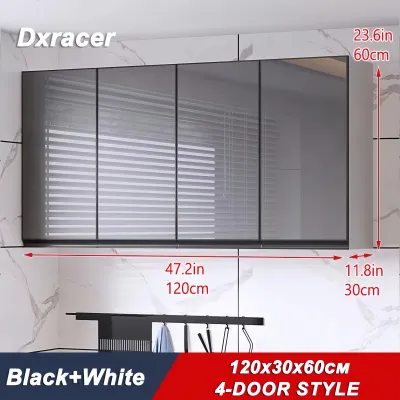
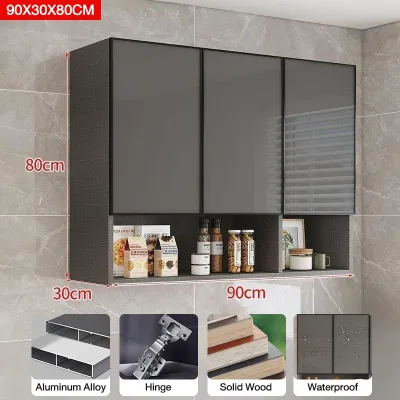
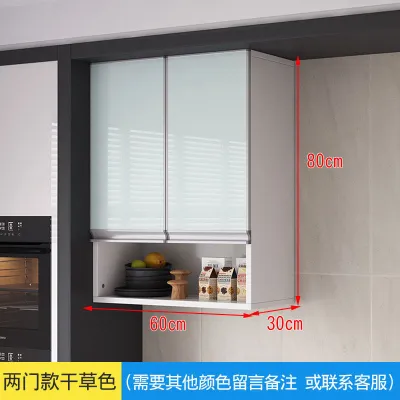
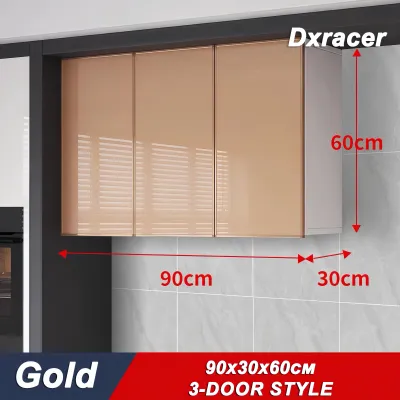
Wall-mounted aluminum cabinets utilize vertical space to store lighter, frequently used items like plates, drinking glasses, bowls, and dry spices. Because these units are suspended, proper weight distribution and secure mounting are critical for safety.
Look for wall cabinets with adjustable internal shelving, allowing you to customize the height of each compartment to fit tall glassware or stacked dishes. When planning the installation, consider the door swing radius carefully. Standard swing doors can block narrow walkways or strike open windows in compact kitchens. In tight spaces, consider sliding glass doors or lift-up bi-fold doors, which open vertically and keep the workspace clear.
Tall Pantry Cabinets for Bulk Dry Goods
For households that purchase dry goods in bulk, such as 25-kilogram sacks of rice, canned products, and multi-pack cooking oils, a tall pantry cabinet is an invaluable storage asset. These vertical units maximize storage capacity within a minimal footprint.
To make the most of a tall pantry, choose a configuration with pull-out wire baskets or tandem pantry units. These systems pull the rear shelves forward when the door is opened, bringing all items into clear view. Because enclosed pantries can trap moisture in humid climates, ensure the cabinet doors feature subtle ventilation louvers or mesh panels to promote airflow and prevent stale odors. Due to their height and potential weight when fully loaded, tall pantry cabinets must be securely anchored to the wall structure to eliminate any risk of tipping.
Mobile Aluminum Carts for Flexible Spaces
If you live in a rented apartment, have a compact kitchen, or simply require extra prep space during large family gatherings, a mobile aluminum kitchen cart is an excellent addition. These versatile units function as temporary storage, a portable prep station, or an appliance stand for a microwave or air fryer.
When selecting a mobile cart, look for heavy-duty, 360-degree swiveling casters made of polyurethane or rubber, which glide smoothly without scratching tiled or vinyl floors. At least two of the casters must feature robust locking brakes to keep the cart stationary during food preparation. Multi-tier shelving with raised edge guards will prevent bottles and jars from sliding off while the cart is in motion. A thick, reinforced aluminum or stainless-steel top surface provides a hygienic, durable work area that resists heat and moisture.
How to Measure and Prepare Your Kitchen Space
Accurate preparation and measurement are essential to ensure your new aluminum cabinets fit perfectly and can be delivered safely into your home. Unlike wood, aluminum cabinets cannot be easily shaved or trimmed on-site if they are slightly too large for the space.
First, measure the physical footprint of your kitchen. Use a steel measuring tape to record the width of each wall section at three different heights: floor level, counter height, and ceiling height. Walls are rarely perfectly plumb, and identifying these variances early prevents installation gaps. Measure the distance from the floor to the ceiling to ensure tall cabinets or wall units will have adequate clearance.
Second, map out all permanent fixtures and utilities. Mark the exact locations of:
- Water inlet and drain pipes for the sink and dishwasher
- Gas line connections or electrical outlets for the stove and oven
- Light switches, wall sockets, and range hood ventilation ducts
- Window frames, trim, and door casings, including how far they extend from the wall
Third, verify your home’s delivery access route. Even if a cabinet fits perfectly in your kitchen, it must first get there. Measure the width and height of all entry doors, narrow hallway corners, stairwells, and elevator doors. If you live in a condominium, check the interior dimensions of the service elevator to ensure tall pantry units or long counter sections can be transported safely.
Finally, assess your wall construction for safe installation. Freestanding base cabinets and mobile carts pose low structural risk, but wall-mounted cabinets require secure anchoring. In the Philippines, kitchen walls are commonly constructed of concrete hollow blocks (CHB) or solid poured concrete. Hanging heavy aluminum cabinets on CHB walls requires specialized nylon wall plugs or heavy-duty toggle bolts. For solid concrete walls, installers must use steel expansion bolts to ensure the cabinets can support their fully loaded weight without risk of pulling loose.
Simple Maintenance for Long-Lasting Aluminum Cabinets
While aluminum is incredibly durable and low-maintenance compared to wood, following a proper cleaning routine will preserve the surface finish and keep the hardware operating smoothly for decades.
For daily cleaning, use a mild solution of liquid dish soap mixed with warm water. Dampen a soft microfiber cloth with the soapy water, wipe down the cabinet surfaces to remove dust and grease, and then dry the area immediately with a clean, dry cloth. Always wipe in the direction of the grain if your cabinets feature a wood-grain powder coat.
Never use abrasive cleaning tools or harsh chemicals on your aluminum cabinets. Steel wool, scouring pads, and stiff-bristled brushes will scratch and dull the protective powder coat or anodized finish, leaving the underlying metal vulnerable to staining. Avoid acidic cleaners (such as concentrated vinegar or citrus-based sprays) and highly alkaline chemicals (such as bleach or ammonia), as these substances can chemically etch the aluminum surface and cause permanent discoloration.
Keep the moving parts of your cabinets in optimal condition with minimal effort. Regularly vacuum the bottom tracks of sliding doors and drawers to remove crumbs, dust, and debris that can grind against the rollers. If a drawer slide or hinge begins to squeak or feel stiff, wipe away any accumulated grime and apply a small drop of silicone-based lubricant to the moving joints. Periodically check the mounting screws on hinges and handles, and gently tighten them with a screwdriver if they have loosened from daily use.
Frequently Asked Questions (FAQ)
Do aluminum cabinets dent easily?
The dent resistance of an aluminum cabinet depends on the gauge of the aluminum sheets and the presence of internal structural bracing. High-quality cabinets constructed with extruded aluminum frames and double-walled panels are highly resilient and easily withstand the minor bumps and impacts of daily cooking. However, low-end cabinets made from thin, unbraced single-sheet aluminum are much more susceptible to denting under moderate force.
Can I install aluminum kitchen cabinets myself?
Assembling and positioning freestanding base units or mobile carts is a straightforward, low-risk task that you can complete yourself by carefully following the manufacturer’s instructions. However, installing wall-mounted cabinets and tall pantry units is a high-risk task that requires specialized tools and expertise. It is strongly recommended to hire qualified professional installers to mount these units, ensuring they are perfectly level and securely anchored into your specific wall type to prevent catastrophic collapse or tipping hazards.
Community discussion
Share your experience or ask a question. Comments are reviewed before publication.