
When setting up a child’s study space in the Philippines, finding the right balance between a playful environment and proper physical support is a common challenge for parents. An animal chair offers an appealing way to make homework sessions more inviting, turning a potentially tedious desk routine into an engaging activity. However, selecting the wrong type of novelty chair can lead to poor posture, discomfort, and premature fatigue, especially during the warm, humid months of the school year. To make an informed decision, you must evaluate how these themed designs align with ergonomic requirements, room dimensions, and your child’s specific developmental stage.
What Makes a Good Animal Chair for Studying?
Many novelty chairs prioritize thick padding, oversized plush animal heads, and low-slung frames that encourage lounging rather than focused work. For a study desk, a chair must support an upright, active sitting posture where the child’s knees, hips, and elbows form 90-degree angles. If a chair’s backrest is shaped like a thick bear or panda head, it may push the child’s upper body forward while leaving the lower back unsupported, leading to slouching. Balancing a fun aesthetic with anatomical support is the first step in choosing a chair that protects your child’s developing spine.
Children grow rapidly, meaning a fixed-height chair may only fit them for a few months. Adjustable seat heights allow the chair to match the desk surface perfectly, preventing the child from reaching upward or hunching down. The backrest must provide firm lumbar support that follows the natural curve of the spine, rather than a soft, collapsing cushion. Stability is equally vital; kids are naturally active, so a wide, heavy base is required to prevent tipping when they lean over to reach for school supplies.
Products mentioned in this guide
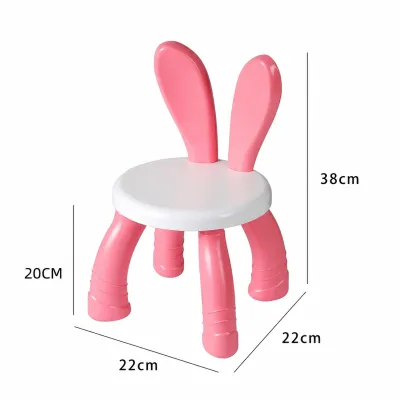

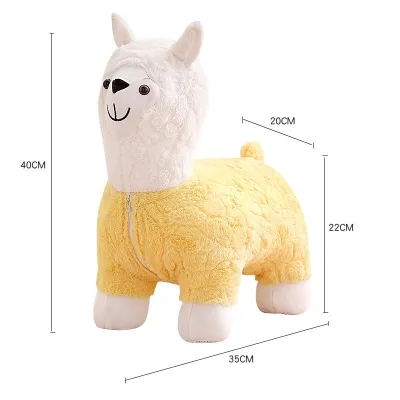
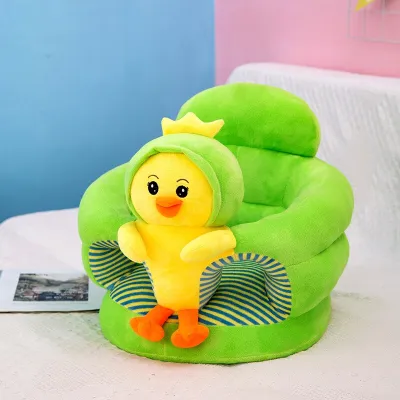
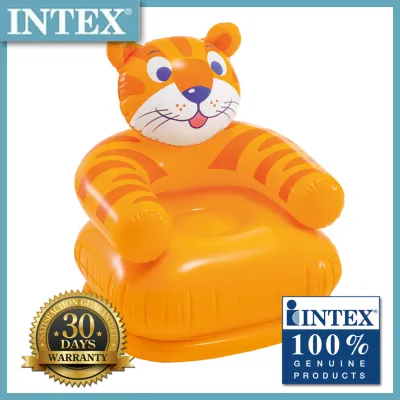
Prices are valid at publication and may change. Please refer to the product page for the latest price.
In the Philippines, high humidity and warm temperatures mean that thick, non-breathable plush fabrics can quickly become uncomfortable. A child sitting on a heavy velvet or fleece animal chair for an hour of reading or math practice will likely experience sweat buildup, leading to restlessness and skin irritation. Opting for materials like breathable mesh, cotton-canvas blends, or ventilated synthetic leather ensures comfort and helps maintain focus during study sessions.
A toddler using a low table for coloring has vastly different seating needs than a grade-school student tackling daily homework at a standard 75-centimeter-high desk. The ideal choice hinges on matching the chair’s physical support level to the length of time your child spends seated each day. By understanding these requirements, you can select a themed chair that serves as a functional study tool rather than just a decorative toy.
Recommended Animal Chair Styles for Different Ages
Animal-Shaped Floor Chairs and Loungers
Floor-level animal chairs are ideal for toddlers and early readers (typically ages 2 to 5) who engage in short, supervised activities like picture-book reading, drawing, or sensory play. These chairs sit directly on the floor and are often shaped like giant, plush animals such as elephants, lions, or dinosaurs. Because they have a very low center of gravity, they provide a cozy, non-intimidating seat that encourages a love for reading in a dedicated play corner.

However, these floor loungers are entirely unsuitable for standard-height study desks or prolonged writing tasks. They lack rigid structural support, which can cause a child’s spine to curve excessively if used for long periods. If a child attempts to write or use a tablet while slumped in a floor chair, it can strain their neck and shoulders. Keep these chairs strictly in reading or play zones, rather than at a formal homework desk.
When shopping for floor-level animal chairs, check the manufacturer’s specifications for high-density polyurethane foam. Low-grade foam will quickly flatten under a child’s weight, rendering the chair uncomfortable and useless. Additionally, look for models featuring removable, machine-washable covers. Spills, crayon marks, and sweat are inevitable, and a cover that cannot be easily zipped off and washed will quickly become a hygiene hazard in a tropical climate.
Ensure the base of the floor chair is wide and slip-resistant, especially if your home has polished tile or smooth wooden floors. Some plush loungers have top-heavy designs, such as large, forward-leaning animal heads, that can tip forward or backward when a child climbs in or leans back abruptly. Verify that the weight distribution is centered and the bottom features a textured, non-slip fabric.
Animal-Backrest Accent Chairs
Animal-backrest accent chairs offer a practical middle ground for older kids (ages 6 to 8) who are transitioning into more structured schoolwork but still appreciate a whimsical bedroom theme. These chairs feature a standard, rigid frame—often made of wood or metal—with the animal theme integrated into the backrest. Common designs include wooden chairs with backs carved like rabbit ears, cat faces, or bear silhouettes, finished in pastel or neutral tones.
While these accent chairs make beautiful additions to a child’s bedroom and coordinate well with modern study desks, they often lack deep ergonomic lumbar support. The backrests are usually flat or minimally contoured. For light homework sessions lasting under 30 minutes, they are perfectly adequate, but they may cause fatigue during longer study periods.
Before purchasing, measure the seat depth of the accent chair. If the seat is too deep, your child’s knees will press against the edge of the seat, forcing them to slide forward and lose all back support. To maintain a healthy posture, the child’s back must rest firmly against the backrest while their feet remain flat on the floor. If their legs dangle, you must add an adjustable footrest to prevent pressure on the back of their thighs, which can restrict blood circulation.
Animal ears, horns, or wings that extend past the main backrest frame are common failure points. Children often grab these decorative elements to pull the chair closer to the desk or lift it across the room. Check the manufacturer’s assembly details to ensure these parts are carved from a single piece of solid wood or securely reinforced with heavy-duty dowels and metal brackets, rather than weakly glued on.
Ergonomic Task Chairs with Animal Accents
Ergonomic task chairs with animal accents are the top recommendation for serious, long-hour studying and older children (ages 9 and up) who face increased homework loads. These chairs prioritize posture, spinal alignment, and comfort over pure novelty. Instead of being shaped like a giant toy, they are high-quality task chairs that incorporate subtle animal elements, such as animal-print upholstery, ear-shaped headrests, or themed slipcovers.
Look for a pneumatic gas lift that allows smooth, continuous seat height adjustment, ensuring the chair can be calibrated perfectly to the desk height as your child grows. The backrest should feature built-in lumbar curvature or an adjustable lumbar support pad. High-quality rolling casters are essential, but you must verify the wheel type: soft polyurethane casters are best for protecting hardwood or laminate floors, while hard nylon casters are suitable for carpeted areas.
In this category, the animal aspect is a delightful secondary detail rather than the primary structure. This design philosophy ensures that your child’s physical development is protected. The chair supports the spine’s natural S-curve, reduces shoulder strain with adjustable armrests, and allows the child to move dynamically throughout their study sessions.
Investing in a highly adjustable task chair ensures it can grow with your child over several school years. Look for models with a wide seat pan and a high weight capacity (typically up to 100 kilograms) so that the chair remains comfortable and safe as your child transitions from grade school to high school.
Safety, Materials, and Sizing Checklist
To ensure your chosen animal chair is safe, fits your physical space, and aligns with your child’s desk, use this comprehensive pre-purchase verification guide.
- Sizing and Clearance: Measure your child's seated elbow height and inseam. When sitting comfortably, the desk surface should align with their resting elbow height, and their feet must rest flat. Measure the clearance under the study desk drawer or frame to ensure the chair's armrests can slide completely underneath when not in use. Additionally, verify the dimensions of your home's doorways, hallways, and stairwells. Some novelty animal chairs, particularly large floor loungers or wide-backed accent chairs, are exceptionally bulky and may not fit through standard 80-centimeter door frames without disassembly.
- Weight and Stability: Always check the manufacturer's specified weight capacity and the base diameter. Do not assume a chair is stable simply because it feels heavy. For desk chairs, a five-point star base is the industry standard for preventing tip-overs. For stationary accent chairs, look for splayed legs that distribute weight outward. If your child tends to fidget or spin, a wider base diameter provides a crucial safety margin against accidental falls.
- Material and Climate: The tropical climate of the Philippines demands careful material selection. Avoid heavy, non-breathable plush fabrics, thick velvet, or low-grade faux leather that traps heat and sweat. Instead, prioritize breathable mesh backrests, tightly woven cotton-linen upholstery, or easy-wipe, high-grade synthetic leathers that do not degrade in high humidity. If you choose a plush chair for its aesthetic appeal, ensure the room is well-ventilated or air-conditioned during study hours to prevent skin irritation and heat rash.
- Safety Standards: Read the product labels and manufacturer specifications carefully. Ensure all wooden elements are finished with non-toxic, lead-free paints and water-based varnishes. Plastics should be BPA-free, and any cushioning foam should ideally meet basic safety standards for flame retardancy and chemical emissions. Check for rounded edges on all exposed wood or plastic parts to prevent painful bumps or scrapes during active play.
Quick Comparison: Matching Chair Style to Study Habits
To help you make an efficient decision, the table below summarizes how different animal chair styles align with your child’s age, study habits, and ergonomic needs.
| Chair Style | Best For (Age/Task) | Ergonomic Support Level | Key Limitation |
|---|---|---|---|
| Animal Floor Loungers | Ages 2–5; reading, floor play, short supervised activities | Low; lacks rigid spinal support or height adjustment | Unsuitable for standard desks; prone to heat retention |
| Animal Accent Chairs | Ages 6–8; light homework, casual reading, room decor | Moderate; fixed backrest with basic support | Lacks height adjustability; decorative parts can be fragile |
| Ergonomic Task Chairs | Ages 9+; intensive study, computer work, long sessions | High; adjustable height, lumbar support, active movement | Less whimsical; higher initial financial investment |
If your child spends more than an hour a day at their study desk completing homework or attending online school activities, an ergonomic task chair with subtle animal accents should always take precedence over a purely decorative novelty chair. Prioritizing physical support protects their developing spine, reduces fatigue, and fosters better concentration habits that will benefit them throughout their academic journey.
Frequently Asked Questions (FAQ)
Can an animal-shaped chair replace a standard ergonomic desk chair?
Purely animal-shaped chairs, such as fully plush floor loungers or oversized novelty character chairs, cannot replace a standard ergonomic desk chair for daily study. These novelty items are designed primarily for play, brief reading sessions, or lounging. They lack the precise adjustability, lumbar contours, and seat-depth customization required to support a growing child’s posture during prolonged desk work. Using them as primary study chairs can lead to slouching, neck strain, and discomfort. For heavy homework loads, it is best to use a dedicated ergonomic task chair, perhaps personalizing it with a removable animal-themed cushion or slipcover.
How do I clean and maintain plush animal chairs in a humid climate?
Maintaining plush furniture in a humid tropical climate requires regular care to prevent mold, mildew, and dust mite buildup. Vacuum the chair weekly using an upholstery attachment to remove dust, skin flakes, and pet hair. For minor spills, perform prompt spot-cleaning with a damp microfiber cloth and a mild, pH-neutral soap, taking care not to oversaturate the fabric. Always check the manufacturer’s care tag before applying any liquid cleaners. To prevent moisture retention in thick fabrics, keep the chair in a well-ventilated room, run a dehumidifier if necessary, and avoid placing the chair in direct sunlight, which can fade colors and degrade materials over time.

Community discussion
Share your experience or ask a question. Comments are reviewed before publication.