
As the back-to-school season arrives in the Philippines, parents face the task of preparing a productive, comfortable study environment at home. A crucial element of this setup is the arm chair for student kids, which directly impacts physical comfort, focus, and long-term spinal health. Selecting the right chair requires looking beyond aesthetics to evaluate ergonomic support, physical dimensions, and material suitability for a tropical environment.
Providing children with a dedicated, supportive seat helps them transition from leisure time to focused study. When a child sits in a chair that matches their physical proportions, they experience less fatigue, fewer distractions, and a lower risk of developing poor posture habits. By understanding what makes a chair suitable for young learners, parents can make an informed investment that supports their child’s academic journey for years to come.
How to Choose the Right Arm Chair for Your Child's Study Area
Selecting an arm chair for student kids requires a systematic approach that balances physical support, spatial limitations, material properties, and safety features. A mismatched chair can lead to physical discomfort, which quickly translates into restlessness and a lack of focus during homework sessions.
Products mentioned in this guide
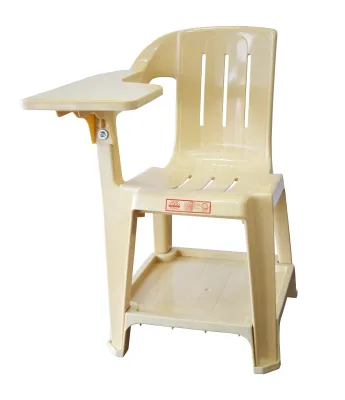
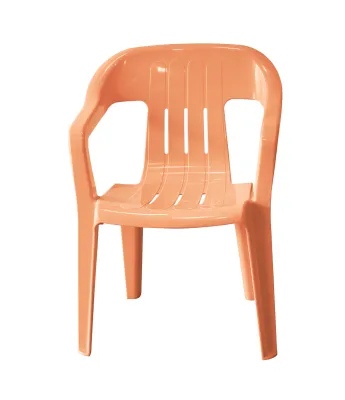

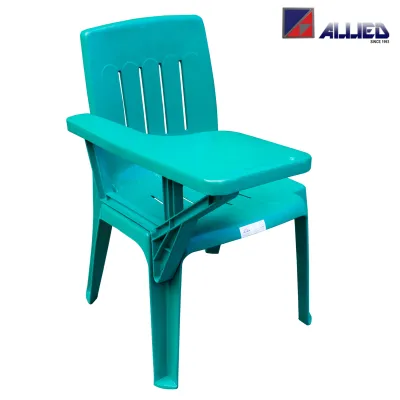
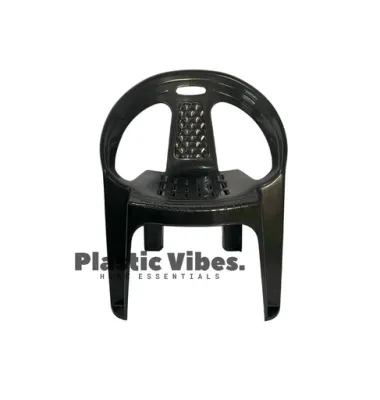
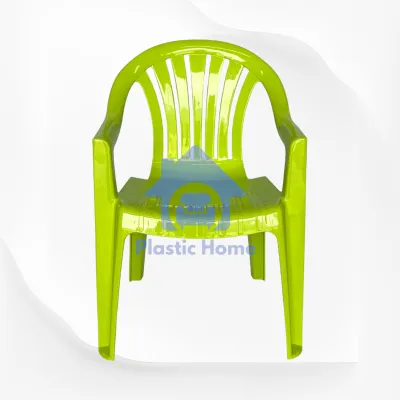
Prices are valid at publication and may change. Please refer to the product page for the latest price.
Ergonomics and Posture Support
Growing bodies require targeted physical support to maintain a neutral spine alignment. When evaluating an arm chair, prioritize models that offer adequate lumbar support to preserve the natural curve of the lower back. The backrest should contour to the child’s spine, encouraging them to sit fully back rather than slouching forward.
Armrest height and seat depth are equally critical for ergonomic alignment. Armrests should support the forearms at a 90-degree angle, allowing the shoulders to remain relaxed and reducing tension in the neck and upper back. The seat depth must allow the child to sit completely against the backrest while leaving a small gap (approximately two fingers wide) between the back of their knees and the front edge of the seat to maintain healthy blood circulation.
Size and Space Constraints
Before browsing online marketplaces or local furniture showrooms, parents must take precise measurements of the intended study area. Measure the height of the study desk from the floor to the underside of the desktop, as well as the width of the leg opening. The selected arm chair must be able to slide completely under the desk when not in use to save valuable floor space in compact bedrooms.
Additionally, consider the overall footprint of the chair base. Swivel chairs with five-point bases often require a wider turning radius than stationary four-legged chairs. Parents should also measure doorway clearances, narrow hallways, or staircase turns along the delivery path to ensure the fully assembled chair can easily reach the child’s bedroom without causing damage to walls or the furniture itself.
Material and Maintenance
In the tropical climate of the Philippines, high humidity and warm temperatures make material selection a key factor in long-term comfort. Heavy fabrics, thick padding, or synthetic leathers can trap heat and sweat, leading to discomfort and skin irritation during extended study sessions. Look for highly breathable materials, such as high-density mesh, which promote continuous airflow and keep the child cool.
Active children are also prone to accidental spills, ink stains, and dust buildup. Rather than assuming a fabric is durable based on its name, parents should check the manufacturer’s care labels and cleaning instructions. Removable, washable seat covers or materials that can be easily wiped down with a damp cloth are highly practical choices for busy households. Verify if the frame and joint materials can withstand regular cleaning without degrading.
Stability and Safety
Active children often shift their weight, lean back, or spin in their chairs, making stability a primary safety concern. For swivel task chairs, a wide five-point star base made of reinforced nylon or steel provides a lower center of gravity and minimizes the risk of tipping. Check the manufacturer’s stated weight capacity to ensure the chair can safely support the child as they grow.
If the chair features caster wheels, verify whether they are designed for hard floors or carpets to prevent sudden slipping. Some kid-specific chairs feature weight-activated brake casters that lock when the child sits down, preventing the chair from rolling away unexpectedly during study time. For stationary armchairs, inspect the legs for non-slip rubber pads that protect floors and keep the chair firmly in place.
Recommended Arm Chair Categories for Student Kids
Different study habits, age groups, and room layouts require different seating solutions. Understanding the distinct categories of arm chairs allows parents to match the chair’s functional design to their child’s specific daily routine.

Adjustable Task Chairs with Armrests
Adjustable task chairs are the most common and practical option for dedicated study desks, especially for older primary and secondary school students. These chairs typically feature a gas-lift mechanism for height adjustment, a 360-degree swivel base, and smooth-rolling casters that allow easy movement around the workspace.
- Adaptability: The primary advantage of an adjustable task chair is its ability to grow alongside the child. As the child experiences growth spurts, the seat height can be raised to maintain the correct relationship with the desk surface, ensuring the child's forearms remain parallel to the desktop.
- Desk Clearance: Because these chairs feature armrests, it is vital to check that the armrest height clears the bottom edge of the desk or any under-desk drawers. If the armrests collide with the desk, the child will be forced to sit too far forward, losing the support of the backrest.
- Focus and Safety: While swivel bases and rolling wheels offer excellent mobility, they can also become a source of distraction for younger, high-energy children. To mitigate this, look for models with manual locking mechanisms for the swivel function and weight-activated braking casters that keep the chair stationary while in use.
Compact Accent Armchairs
For smaller bedrooms, shared study spaces, or reading-heavy curricula, compact accent armchairs offer a stationary, cozy alternative to traditional office-style chairs. These chairs feature fixed wooden or metal frames, integrated armrests, and cushioned seats upholstered in fabric or soft weaves.
- Cozy Aesthetics: Accent armchairs excel at creating a warm, inviting study nook or reading corner. Because they lack mechanical parts like gas lifts and casters, they present a clean, classic look that blends seamlessly with residential bedroom decor.
- Stationary Stability: The absence of wheels and swivel mechanisms makes these chairs exceptionally stable, eliminating the risk of rolling or spinning distractions. This makes them highly suitable for younger children who need a grounded, stationary seating experience to stay focused.
- Usage Limitations: While excellent for reading, drawing, or light laptop work, compact accent armchairs have clear limitations for intensive desk writing. Because the seat height and armrests are fixed, they cannot be adjusted to match standard study desk heights perfectly, which may lead to physical strain during long, continuous writing sessions.
Ergonomic Growth Chairs
Ergonomic growth chairs are highly specialized pieces of furniture designed specifically for children from early childhood through adolescence. Unlike standard office chairs, these models feature multi-dimensional adjustability, allowing parents to customize almost every physical dimension of the chair.
- Multi-Dimensional Adjustability: These chairs allow independent adjustment of the seat height, seat depth, and backrest height. Many models also include an integrated, height-adjustable footrest, which is essential for younger children whose feet cannot yet reach the floor when sitting at a standard-height desk.
- Posture Support: By adjusting the seat depth and backrest height simultaneously, parents can ensure the child's lower back is fully supported while maintaining the correct distance to the desk. This precise customization promotes a natural, upright posture and reduces the tendency to slouch.
- Investment and Maintenance: While ergonomic growth chairs often represent a higher initial financial investment, they are designed to last for several years. Parents must be prepared for the assembly requirements and commit to periodically checking and re-adjusting the components as the child grows. Always verify the manufacturer's specified age, height, and weight ranges before purchasing to ensure a proper fit.
Comparing Arm Chair Features for Kids' Study Setups
To help parents weigh the functional differences between these three categories, the following table provides an objective comparison of their key structural features, space requirements, and safety considerations.
| Chair Category | Best For | Adjustability Level | Space Required | Key Safety/Setup Check |
|---|---|---|---|---|
| Adjustable Task Chairs | Intensive desk work, computer use, and older students | Moderate to High (Seat height, sometimes armrest height) | Moderate (Requires room for swivel and rolling) | Verify armrest clearance under the desk frame and check caster locks |
| Compact Accent Armchairs | Reading corners, light study, and smaller bedrooms | None (Fixed frame and stationary base) | Low to Moderate (Stationary footprint with no rolling radius) | Inspect leg joints for stability and ensure non-slip pads are installed |
| Ergonomic Growth Chairs | Long-term use across multiple school years and younger kids | High (Seat height, seat depth, backrest, and footrest) | Moderate (Requires stable placement on flat flooring) | Periodically tighten assembly bolts and adjust settings as the child grows |
Setting Up a Safe and Productive Study Corner
Once the ideal arm chair has been selected, integrating it correctly into the study area is essential to maximize physical comfort and focus. A high-quality chair can only perform its ergonomic function if it is set up in harmony with the surrounding furniture and environment.
Desk and Chair Alignment
To establish a healthy sitting posture, guide your child to sit fully back in the chair. Adjust the seat height so that their feet rest completely flat on the floor, with their knees bent at a comfortable 90-degree angle. If the chair must be raised high to reach the desk and the child’s feet dangle, place a sturdy footrest beneath their feet to prevent strain on the lower back.
Next, check the alignment of the child’s arms. When the child places their hands on the keyboard or writing surface, their elbows should bend at approximately 90 degrees, with their forearms resting parallel to the desk. The armrests of the chair should support the elbows gently without pushing the shoulders upward or forcing the elbows to flare outward.
Clearance and Movement
Ensure there is sufficient physical clearance around the study desk for the child to move safely. Leave at least 60 to 80 centimeters of open space behind the desk so the child can slide the chair back easily when standing up or sitting down. This prevents the chair from colliding with walls, wardrobe doors, or bed frames, which can cause scratches or structural damage over time.
If the study corner is set up on a hard floor, such as tile or polished hardwood, consider placing a low-pile protective floor mat under the chair. This mat not only protects the flooring from caster wear but also provides a consistent level of traction, preventing the chair from sliding too quickly when the child shifts their weight.
Lighting and Accessories
Position the study desk and chair relative to natural and artificial light sources to minimize eye strain. Avoid placing the chair directly facing a bright window, as the glare can cause eye fatigue. Instead, position the desk perpendicular to the window to utilize natural daylight without direct glare on books or screens.
For evening study sessions, place a high-quality desk lamp on the opposite side of the child’s writing hand (e.g., on the left side for right-handed children) to prevent casting shadows over their work. Ensure the light source is adjustable and shielded so it illuminates the workspace directly without shining into the child’s eyes when they look up.
Routine Checks
Children’s study furniture is subjected to daily wear and tear, making regular maintenance essential for safety. Every few months, take a few minutes to inspect the chair’s structural joints, adjustment levers, and casters.
- Fasteners: Use the appropriate tools to tighten any loose bolts or screws on the frame, armrests, and base.
- Moving Parts: Check that the gas-lift cylinder operates smoothly and does not slowly sink when weight is applied.
- Casters: Clean any hair, dust, or carpet fibers out of the caster wheels to ensure they roll smoothly without dragging.
- Surfaces: Inspect the finish of wooden or plastic parts for any chips or sharp edges that could cause scratches.
Frequently Asked Questions (FAQ)
Do kids need armrests on their study chairs?
Yes, properly positioned armrests are highly beneficial for children during study sessions. They support the weight of the forearms, which significantly reduces the physical load on the shoulders, neck, and upper back muscles during reading, writing, or typing. However, the armrests must be at the correct height; if they are too high, they push the shoulders up, causing muscle tension. Additionally, parents must ensure the armrests do not prevent the chair from sliding fully under the study desk, as this would force the child to sit too far from their work, leading to slouching.
How often should I adjust my child's study chair?
Parents should inspect and adjust their child’s study chair at least once at the start of every school year. Because children grow at unpredictable rates, it is also wise to perform quick visual checks during mid-year school breaks or whenever the child experiences a noticeable growth spurt. Look for signs of misalignment, such as the child’s knees bending at an acute angle, their feet dangling above the floor, or their shoulders hunching forward to reach the desk. If the child complains of physical discomfort, fatigue, or restlessness during homework, re-evaluate and adjust the chair’s settings immediately.
Community discussion
Share your experience or ask a question. Comments are reviewed before publication.