
Selecting a durable bar table and chair set for an outdoor patio, balcony, or garden in the Philippines requires careful material evaluation. The local climate presents a demanding combination of intense tropical sun, high relative humidity, and heavy seasonal rainfall. To ensure your furniture investment lasts for years without warping, rusting, or rotting, you must look beyond basic aesthetics and focus on high-performance material engineering.
The most resilient materials for a tropical bar table and chair set are powder-coated aluminum, high-density polyethylene (HDPE) synthetic rattan, UV-stabilized polywood, and naturally oily hardwoods like premium teak. However, simply buying a set labeled with one of these material names is not enough. To guarantee long-term durability, you must verify specific structural details, such as the quality of the protective surface finishes, the use of rust-proof hardware, and the presence of integrated UV inhibitors.
How the Philippine Climate Challenges Outdoor Furniture
The climate in the Philippines presents a unique set of environmental stressors that rapidly accelerate the degradation of standard furniture materials. With relative humidity levels frequently exceeding 80 percent, moisture is a constant threat. This persistent airborne moisture settles in crevices, creating an ideal breeding ground for mold, mildew, and fungal rot, while simultaneously initiating electrochemical reactions that cause untreated metals to rust.
Products mentioned in this guide
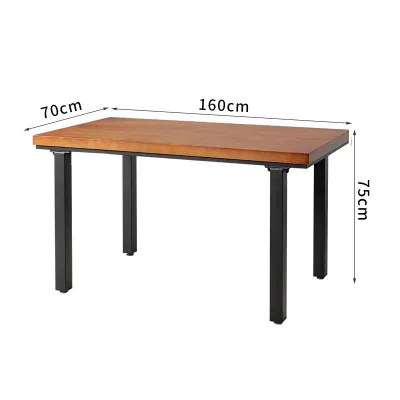
Prices are valid at publication and may change. Please refer to the product page for the latest price.
Frequent heavy rain during the monsoon season tests the water resistance and physical drainage of outdoor furniture. When rainwater pools on flat surfaces or gets trapped inside hollow frames, it can cause structural wood to swell and split, or cause internal rust that compromises the integrity of metal frames. This cycle of heavy wetting followed by rapid drying under the intense tropical sun creates severe thermal stress, causing low-quality materials to expand and contract rapidly, leading to warping and joint separation.
Furthermore, year-round exposure to intense ultraviolet (UV) radiation acts as a harsh bleach and catalyst for chemical breakdown. Unprotected plastics quickly become brittle, fade, and crack under the sun, while natural fibers lose their tensile strength and unravel. Standard paints and finishes will blister and peel, exposing the underlying material to direct moisture damage. Understanding these specific climate threats helps you identify the exact protective features required when shopping for outdoor furniture.
Comparing Materials for a Bar Table and Chair Set
To make an informed purchasing decision, it is essential to analyze how different materials perform under tropical conditions. Each material class offers distinct structural advantages, maintenance requirements, and aesthetic qualities. Evaluating these factors allows you to choose a set that matches both your design preferences and your willingness to perform routine upkeep.

Powder-Coated Aluminum and Steel
Bare or poorly finished metals degrade rapidly when exposed to humid air and rain. Aluminum is naturally highly resistant to rust because it forms a protective oxide layer when exposed to air, making it an exceptional base material for tropical outdoor furniture. However, to ensure maximum longevity and heat resistance, aluminum must be finished with a high-quality, electrostatically applied powder coating that is cured under high heat to form a tough, non-porous barrier.
Steel is significantly heavier than aluminum, which provides excellent stability in windy areas, but it is highly susceptible to rust if moisture reaches the raw metal. If you choose a steel bar table and chair set, verify that the metal has been hot-dip galvanized or treated with a multi-layer rust-inhibiting primer before the final powder coat is applied.
Regardless of the metal type, inspect the joint construction carefully. Welded joints are far superior to mechanical fasteners because screw holes can trap moisture, strip their coatings during assembly, and initiate hidden rust. If the set does use mechanical fasteners, verify that they are made of marine-grade stainless steel or heavily galvanized hardware to prevent localized corrosion.
Synthetic Rattan and Resin Wicker
Natural rattan and bamboo are deeply rooted in traditional Philippine design, but they absorb moisture easily, swell, and rot within a few seasons if kept in fully exposed outdoor areas. High-density polyethylene (HDPE) synthetic rattan provides the beloved woven aesthetic of natural wicker without any of the structural vulnerabilities. Avoid cheap polyvinyl chloride (PVC) wicker alternatives, which degrade, become brittle, and crack under intense UV exposure.
When evaluating synthetic rattan, check the product specifications for integrated UV inhibitors. These chemical stabilizers must be mixed directly into the HDPE compound during manufacturing, rather than sprayed on as a surface coat, to ensure the colors do not fade and the fibers do not lose their flexibility over time.
Additionally, the performance of synthetic wicker depends heavily on the hidden frame beneath the weave. Always verify that the inner frame is constructed from powder-coated aluminum rather than raw, low-grade steel. A raw steel frame will eventually rust from the inside out, leading to structural sagging and leaving unsightly orange rust stains on your patio tiles or concrete floors.
UV-Stabilized Polywood and HDPE Lumber
Solid HDPE lumber, commonly referred to as polywood, is an engineered plastic made from recycled materials that replicates the substantial weight and texture of painted wood. Because it is completely non-porous, polywood is entirely impervious to rotting, splintering, moisture absorption, and the wood-boring insects common in tropical environments. It requires no painting, staining, or sealing to maintain its structural integrity.
To ensure a polywood bar table and chair set survives the intense Philippine sun, verify that the material is explicitly labeled as UV-stabilized. Without these stabilizers, the dense plastic can absorb heat, warp, and fade unevenly over time.
Because polywood is heavy and dense, it offers outstanding wind resistance, making it highly suitable for open rooftops or coastal balconies. However, because the material does not flex easily, ensure that all joints are secured with heavy-duty, corrosion-resistant stainless steel screws that are deeply recessed to prevent skin contact and snagging.
Teak and Properly Sealed Hardwoods
For those who prefer natural wood, only dense hardwoods with high natural oil and silica content can withstand high tropical humidity. Premium teak is the gold standard for outdoor wood because its natural oils act as a built-in barrier against moisture, rot, and insect damage. Even when exposed to heavy rain, teak resists warping and splitting better than almost any other natural timber.
However, natural wood always requires a commitment to routine maintenance. Over time, exposure to sun and rain will cause teak to weather from its original golden-brown color to a silvery-grey patina. While this graying does not affect the structural strength of the wood, maintaining the warm golden hue requires periodic sanding and the application of a specialized outdoor wood sealer.
Avoid using untreated softwoods, medium-density fiberboard (MDF), or standard indoor hardwoods like rubberwood or mahogany for exposed outdoor bar sets. These woods lack the natural oils of teak and will rapidly absorb moisture, leading to severe warping, deep rot, and structural failure within a single rainy season.
Safety and Stability Checks for Bar-Height Furniture
Bar-height furniture presents unique structural and safety challenges because of its elevated design. Standard bar tables typically stand around 40 to 42 inches tall, while matching bar stools have seat heights of 28 to 30 inches. This elevated profile creates a high center of gravity, making the furniture far more susceptible to tipping over during sudden gusts of wind, tropical storms, or when placed on slightly uneven outdoor surfaces.
To ensure safety, evaluate the base footprint of both the table and the chairs. A wider, flared leg design provides a broader base of support, significantly reducing the risk of tipping. The overall weight of the furniture also plays a critical role; while lightweight aluminum is easy to rearrange, it may need to be anchored or moved indoors during high winds, whereas heavier materials like teak or solid HDPE lumber offer reliable natural stability.
Examine the structural reinforcement of the bar chairs. High-quality bar stools should feature robust cross-bracing between the legs, which not only prevents the legs from splaying outward under heavy weight but also serves as a structural footrest. Verify the weight capacity of these footrests, as users naturally exert their full body weight on them when climbing onto or descending from the stool.
Finally, pay close attention to the leg caps or glides at the bottom of the furniture. In outdoor settings, particularly around swimming pools or on rain-slicked patio tiles, non-slip rubber or polyurethane leg caps are essential to provide adequate grip and prevent sliding. These caps also serve a secondary purpose: they seal the bottom of hollow metal legs to prevent water from entering the frame and protect your outdoor flooring from unsightly scratches.
Routine Care for Outdoor Bar Sets in High Humidity
Implementing a regular maintenance routine is the most effective way to extend the lifespan of your outdoor bar table and chair set, regardless of the material you choose. For general cleaning, use a mild liquid soap mixed with lukewarm water and a soft-bristled brush or microfiber cloth. Avoid using high-pressure washers, harsh chemical solvents, bleach, or highly abrasive scrubbers, as these can strip protective powder coatings, scratch UV-stabilized plastics, and damage the natural grain of hardwoods.
After cleaning, or immediately following a heavy downpour, make a habit of drying any areas where water tends to pool. Pay close attention to crevices, welded joints, and the underside of table surfaces. Removing standing water prevents the accumulation of mineral deposits and discourages the growth of mold and mildew in damp, shaded spots.
During the peak of the rainy season, or when the furniture will not be used for extended periods, invest in heavy-duty, breathable, and waterproof furniture covers. It is absolutely critical to ensure that the bar table and chairs are completely dry before you apply the covers. Covering damp furniture in a hot, humid environment creates a highly destructive greenhouse effect, trapping moisture inside and rapidly accelerating mold growth, wood rot, and metal oxidation.
Always consult the specific care instructions provided by the furniture manufacturer before applying any aftermarket sealants, waxes, or protective sprays. Using unapproved chemical treatments can react negatively with factory finishes, potentially voiding your product warranty and damaging the material.
Frequently Asked Questions (FAQ)
Can I use indoor bar stools on a covered patio?
Using indoor bar stools on a covered patio is highly discouraged. Even if the stools are completely protected from direct rainfall, they remain exposed to high ambient humidity, blowing rain during typhoons, and drastic temperature fluctuations. Standard indoor furniture is constructed with water-soluble glues, non-resistant finishes, and raw hardware that will quickly fail under these conditions. Wood stools will warp and split, while metal components will rust rapidly. Always check the manufacturer’s specifications to ensure the product is explicitly rated for outdoor use before placing it on a patio.
How do I stop metal bar chairs from rusting?
To address minor rust issues on metal bar chairs, gently sand the affected area with fine-grit sandpaper to remove all loose rust and expose the clean metal beneath. Wipe the area clean with a damp cloth, let it dry completely, and then apply a matching, outdoor-rated rust-inhibiting primer followed by a high-quality exterior metal paint. However, if rust has deeply penetrated the structural joints, legs, or load-bearing frames of the chair, the structural integrity of the metal may be permanently compromised. In such cases, the furniture should be retired or inspected by a professional welder to prevent sudden collapse and potential injury.
Community discussion
Share your experience or ask a question. Comments are reviewed before publication.