
Selecting the right outdoor furniture for an open patio, balcony, or garden in the Philippines requires a deep understanding of local weather patterns. To withstand intense tropical heat, high humidity, and torrential monsoon rains, the best materials for outdoor bar tables sets are powder-coated aluminum, high-density polyethylene (HDPE) synthetic wicker, and premium grade-A teak. These specific materials are structurally engineered to resist moisture absorption, rust, and UV degradation, ensuring your investment does not deteriorate after just one wet season.
When choosing a set, you must look beyond aesthetic appeal and focus on how the core materials react to constant environmental stress. A bar table set sits higher off the ground than standard dining sets, making structural stability and wind resistance critical factors during typhoon season. By prioritizing weather-resistant materials and robust construction details, you can enjoy outdoor dining and entertaining without the constant worry of rot, warping, or corrosion.
How Tropical Weather Impacts Your Bar Table Set
The climate in the Philippines presents a unique set of challenges for outdoor furniture. High humidity levels create a breeding ground for mold, mildew, and wood rot. When moisture is constantly trapped in the air, standard organic materials absorb this dampness, leading to structural softening, fungal growth, and unpleasant odors. For metal components, this persistent moisture accelerates oxidation, turning unprotected iron or low-grade steel into rust within months.
Products mentioned in this guide
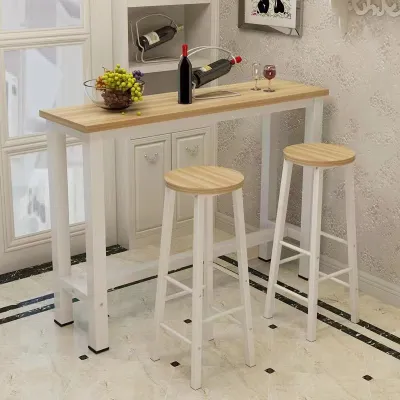
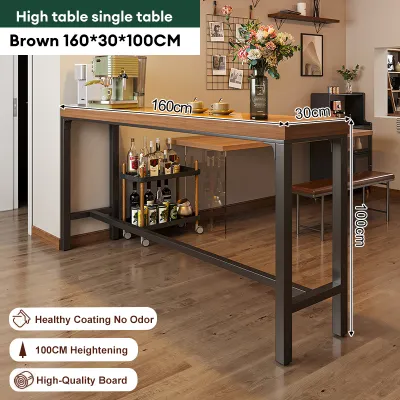
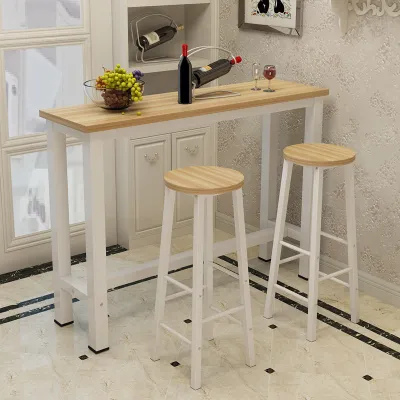
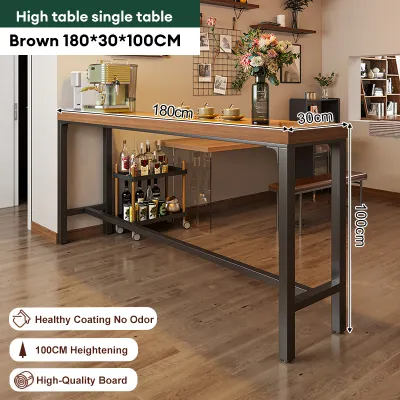
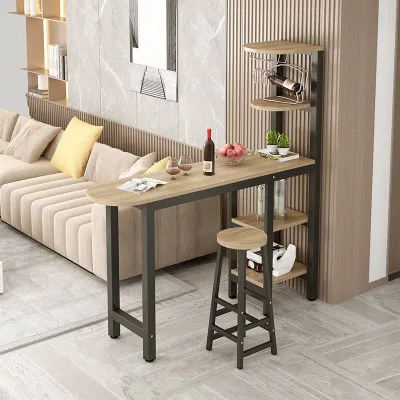
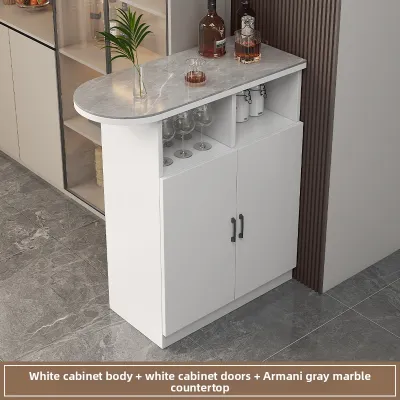
Prices are valid at publication and may change. Please refer to the product page for the latest price.
Intense ultraviolet (UV) radiation from the tropical sun is equally destructive. Constant sun exposure breaks down the chemical bonds in plastics, causing cheap synthetic materials to fade, become brittle, and eventually crack under minimal weight. For wooden furniture, UV rays dry out natural oils, leading to surface splitting and warping. This cycle of extreme heat followed by sudden, heavy monsoon downpours causes materials to expand and contract rapidly, putting immense stress on joints and fasteners.
Heavy monsoon rains also introduce the risk of water pooling, which can seep into microscopic crevices in the furniture’s frame. If the water cannot drain efficiently, it degrades the material from the inside out. Understanding these environmental stressors is the first step in selecting a bar table set that can survive the elements. It highlights why generic outdoor labels are insufficient; only furniture designed with specific tropical-grade treatments and structural features will offer long-term durability.
Selecting Durable Bar Tables Sets for Humid and Rainy Conditions
To ensure your outdoor entertainment area remains functional and attractive year-round, you must evaluate materials based on their specific structural and surface properties. The ideal material must repel water, resist chemical breakdown from UV light, and maintain its structural integrity under high temperatures. Below is a detailed evaluation of the top three materials suited for the Philippine climate, along with specific verification steps you should take before purchasing.

Aluminum and Powder-Coated Frames
Aluminum is widely considered the gold standard for outdoor furniture frames in humid climates due to its natural resistance to rust. Unlike iron, aluminum does not contain iron oxides, meaning it will not rust even when exposed to constant moisture or salt air in coastal regions. It is also lightweight, making it easy to rearrange on your patio, yet structurally strong enough to support heavy use.
However, not all aluminum furniture is created equal. When inspecting a bar table set, you must verify that the frame features a high-quality powder coating rather than standard liquid paint. Powder coating involves applying a dry powder electrostatically and curing it under heat to create a thick, protective skin. This finish provides superior resistance to scratches, chipping, and UV fading. Additionally, examine the weld joints at the corners; they should be smooth, continuous, and fully sealed to prevent water from entering the hollow interior of the tubes. Because bar tables are taller than standard tables, check that the base is sufficiently weighted or wide enough to prevent the table from tipping over during strong winds.
Synthetic Rattan and Resin Wicker
While natural rattan is a beautiful, traditional material native to Southeast Asia, it is highly susceptible to mold and rot when left outdoors in wet conditions. For outdoor use, synthetic rattan—also known as resin wicker—is the preferred alternative. This material provides the classic woven aesthetic of natural rattan but is engineered from synthetic polymers that do not absorb moisture.
When shopping for resin wicker, look specifically for High-Density Polyethylene (HDPE) or UV-stabilized polyurethane. Avoid cheap PVC wicker, which degrades quickly under the sun, becoming brittle and cracking within a year. HDPE is highly durable, non-toxic, and retains its flexibility and color even under intense tropical sunlight. You should also inspect the underlying frame beneath the weave; reputable manufacturers use rust-proof aluminum frames, whereas lower-quality sets may hide cheap, rust-prone steel frames beneath the synthetic fibers. Press your hand against the weave to check its tightness; a loose weave will sag over time, while a tight, multi-directional weave indicates superior craftsmanship and longevity.
Teak and Dense Tropical Hardwoods
If you prefer the warmth and natural beauty of real wood, premium hardwoods like teak are the premier choice for tropical environments. Teak wood contains a high concentration of natural oils and rubber content within its tight grain. These natural properties act as a built-in barrier against water absorption, rot, wood-boring insects, and termites, making it exceptionally durable even when left completely unfinished in the rain.
When purchasing wood furniture, verify that the manufacturer uses Grade-A teak, which is harvested from the mature heartwood of the tree and contains the highest density of protective oils. Be aware that untreated teak will naturally transition from a golden-brown hue to a silver-gray patina over time when exposed to sunlight. This color change is purely cosmetic and does not affect the wood’s structural integrity. To ensure the set can withstand the expansion and contraction caused by seasonal humidity changes, look for traditional joinery methods such as mortise-and-tenon joints secured with wooden dowels. Avoid sets held together solely by metal screws, as these can loosen or cause the surrounding wood to split over time.
Materials That Fail Quickly in Tropical Climates
Investing in the wrong materials can lead to rapid deterioration, forcing you to replace your furniture after only one or two seasons. Untreated softwoods, such as pine, fir, or cedar, should be avoided for unprotected outdoor use in the Philippines. These woods are highly porous and quickly absorb moisture from the humid air, leading to rapid warping, fungal rot, and termite infestations. Even when painted, softwoods require constant maintenance and rarely survive long-term exposure to heavy rain.
Standard iron, wrought iron, and non-galvanized carbon steel are also poor choices for humid environments. While these metals are heavy and stable, any scratch or chip in their protective paint layer exposes the underlying metal to oxygen and moisture. Once this happens, rust forms quickly and spreads beneath the paint, causing it to bubble and peel, ultimately compromising the structural safety of the bar stools and table.
Additionally, exercise caution when considering cheap, non-UV-treated plastics or low-grade resin furniture. While highly affordable, these materials lack the chemical stabilizers needed to resist solar radiation. Under the intense Philippine sun, they lose their structural elasticity, fade, and become so brittle that they can crack or collapse under normal weight. Finally, avoid sets featuring indoor fabrics or untreated cotton cushions. These fabrics trap water, dry very slowly, and quickly become infested with black mold and mildew, rendering them unusable.
Construction Details to Verify Before Purchase
Beyond evaluating the primary material of a bar table set, you must inspect the secondary construction details and hardware that hold the furniture together. These small components often determine whether a set will last for a decade or fall apart within a few months. Always verify that all connecting hardware, including screws, bolts, washers, and brackets, is made from marine-grade stainless steel (such as 316 or 304 grade) or hot-dip galvanized steel. Standard steel hardware will rust rapidly, staining the surrounding wood or wicker and weakening the joints.
Water management is another critical design feature. Inspect the tabletop and seat pans of the bar stools for built-in drainage. Solid tabletops should have a slight slope or small gaps between slats to allow rainwater to run off freely rather than pooling in the center. For seats, slatted designs or mesh bases prevent water from collecting, which minimizes the risk of mold growth and material degradation.
You should also look for adjustable, non-marking foot caps on the bottom of the table and stool legs. These caps serve two purposes: they allow you to level the furniture on uneven patio tiles or garden paths, and they elevate the structural frame slightly off the wet ground. This gap prevents moisture from wicking up into the legs of wooden or metal furniture. If the bar set includes cushions, check the fabric labels to ensure they are made from outdoor-specific, solution-dyed acrylics or polyester fabrics treated with a water-repellent coating. Ensure the cushion covers are removable and machine-washable, and that the interior foam is quick-drying to prevent moisture retention.
Practical Care Steps for Monsoon and Heat
Even the most durable tropical-grade materials require routine maintenance to maximize their lifespan. Regular cleaning is the most effective way to prevent the buildup of dirt, pollen, and organic debris, which trap moisture and encourage mold growth. Use a soft-bristled brush, mild dish soap, and warm water to gently scrub the surfaces of your aluminum, synthetic wicker, or teak furniture. Avoid using high-pressure washers, as the intense force can strip away protective powder coatings, unravel synthetic weaves, or damage wood fibers.
During the height of the monsoon season, or when the bar set will not be used for an extended period, protect it with breathable, waterproof furniture covers. It is crucial to avoid cheap, non-breathable plastic tarps, as they trap humidity underneath, creating a hot, damp greenhouse effect that accelerates mold growth and metal oxidation. Ensure the furniture is completely dry before covering it to prevent trapping moisture.
Always consult the manufacturer’s specific care guidelines before applying any aftermarket sealants, teak oils, or cleaning chemicals. For instance, applying oil to teak wood can sometimes encourage mold growth in extremely humid environments if not done correctly. If you encounter conflicting care instructions, prioritize the guidance provided by the furniture manufacturer to protect your warranty and ensure the materials are treated safely.
Frequently Asked Questions (FAQ)
Can I leave my bar table set outside during the heavy monsoon rains?
While high-quality outdoor bar table sets made from powder-coated aluminum, HDPE wicker, or grade-A teak are designed to withstand heavy rainfall, prolonged exposure to standing water and constant moisture will accelerate wear. For optimal longevity, it is highly recommended to use breathable, waterproof covers or move the furniture under a covered patio or veranda during periods of severe, continuous rain. Additionally, check your product’s warranty terms, as some manufacturers require the furniture to be covered or stored during extreme weather events to maintain coverage.
How do I safely remove mold from outdoor bar stools?
To safely remove mold from outdoor bar stools without damaging the finish, mix a few drops of mild dish soap with warm water and scrub the affected area gently using a soft-bristled brush or sponge. For stubborn mold on synthetic wicker, aluminum, or hard surfaces, you can use a diluted solution of one part white vinegar to four parts water. Always test the cleaning solution on a small, hidden area first to ensure it does not discolor the material. Avoid using harsh bleach or abrasive scrubbing pads, which can degrade powder coatings, weaken synthetic fibers, or scratch wood surfaces. Allow the furniture to dry completely in the sun after cleaning.
Community discussion
Share your experience or ask a question. Comments are reviewed before publication.