
Choosing the correct bed frame cover and cushion depends entirely on your bed’s physical design—specifically its clearance, moving parts, and height. Single beds benefit from partial-wrap skirts and low-profile edge guards, while double beds require full-perimeter covers and thicker padding. Loft beds demand non-slip covers and safety bumpers, whereas storage beds need split-skirts or velcro attachments that clear drawers and hydraulic lifts. Matching these accessories to your specific bed frame ensures a clean aesthetic, protects your furniture, and prevents painful bumps.
A bed frame cover primarily serves to conceal the under-bed area or the frame itself, using options like traditional bed skirts, wrap-around fabric panels, or elasticized box spring covers. On the other hand, bed frame cushions—such as edge bumpers, padded rails, and corner guards—protect against sharp wooden or metal edges. While these accessories enhance both comfort and style, a one-size-fits-all approach inevitably fails because different bed styles have radically different functional demands.
For instance, a cover that works beautifully on a standard platform bed can completely jam the drawers of a storage bed or create a serious tripping hazard on a loft bed ladder. Similarly, thick edge cushioning that cushions a spacious double bed might overwhelm the limited walking space around a single bed in a tight room. Understanding how your bed frame’s physical structure dictates your cover and cushion needs is the first step toward making a practical, long-lasting purchase.
Products mentioned in this guide
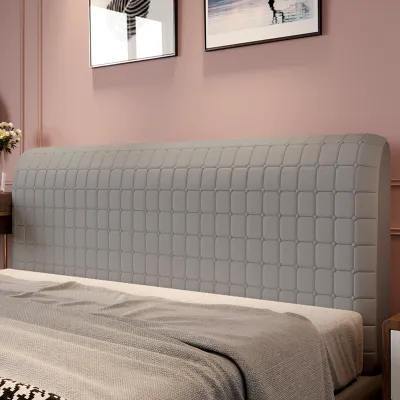
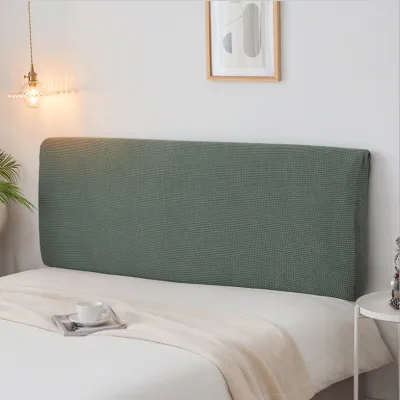
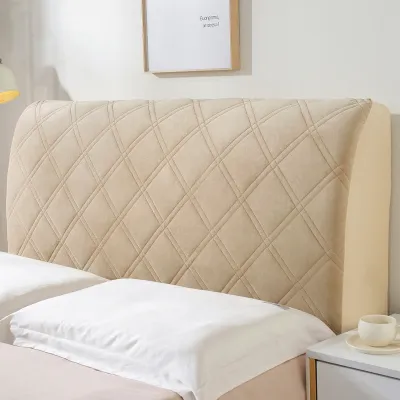
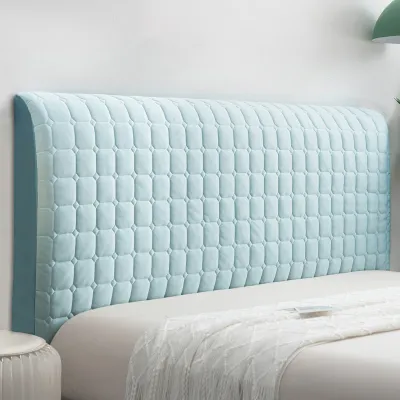

Prices are valid at publication and may change. Please refer to the product page for the latest price.
Matching Covers and Cushions to Your Specific Bed Frame
Every bed style serves a distinct purpose in the home, which directly influences how you should dress and protect it. By analyzing the structural features of single, double, loft, and storage beds, you can select accessories that enhance usability rather than hinder it.
Single Beds: Streamlined Fits and Basic Edge Protection
Single beds are frequently placed against walls or tucked into corners to maximize floor space in smaller rooms. Because of this typical placement, a standard four-sided bed skirt is often unnecessary and can bunch up awkwardly against the wall. Instead, look for two-sided or three-sided bed skirts that cover only the exposed sides of the frame. This approach prevents excess fabric from gathering behind the bed, which can trap dust and make the bed difficult to push flush against the wall.
In tight quarters, the exposed corners and edges of a single bed frame represent frequent bumping hazards, especially in children’s rooms or shared guest spaces. Installing low-profile edge cushions along the exposed outer rails provides essential impact protection without adding unnecessary bulk to the bed’s small footprint. Look for slim, color-matched foam or silicone guards that blend seamlessly with the frame’s finish. These compact bumpers protect shins and knees while preserving the clean, streamlined silhouette of a single bed.
When selecting these accessories, verify that the drop length of the bed skirt matches the distance from the top of the frame to the floor. In small rooms, even an extra inch of dragging fabric can catch on slippers or vacuum cleaners, leading to tears or loose threads. Opting for tailored, flat-panel designs rather than heavily ruffled styles also helps maintain a neat, modern appearance that makes the room feel more spacious.
Double Beds: Full Perimeter Coverage and Comfort Padding
Double beds, including full and queen sizes, typically serve as the centerpiece of a bedroom and are accessible from multiple sides. Because the entire perimeter of the frame is usually visible, a full-wrap cover or a three-sided bed skirt is essential for a finished, cohesive look. A high-quality cover conceals the under-bed space from all viewing angles, keeping stored items out of sight and creating a polished aesthetic.
With multiple sides of the bed exposed to daily foot traffic, the risk of bumping into sharp corners or hard wooden rails increases significantly. Integrating thicker, upholstered cushions or padded bed rails along the entire perimeter offers excellent edge comfort and impact protection. This addition is particularly beneficial in active households with young children or pets who frequently play near the bed. Full-wrap padded bumpers can also give a basic wooden or metal frame the luxurious look of an expensive upholstered bed.
To ensure stability, choose double bed covers that feature a non-slip fabric deck that sits securely beneath the mattress. Because a double mattress is heavy, adjusting a shifting bed skirt can be physically demanding and inconvenient. A secure, well-fitted deck keeps the skirt perfectly aligned even when you change the bed sheets or rotate the mattress.
Loft Beds: Safety Bumpers and Secure, Non-Slip Covers
Loft beds present unique safety challenges due to their elevated heights, ladder attachments, and open space underneath. Standard bed skirts are entirely unusable here, so the focus shifts to secure, non-slip covers that wrap tightly around the elevated mattress base. Any cover used on a loft bed must feature high-grip backing or heavy-duty ties to ensure it cannot slip, slide, or sag down the frame, which could create a dangerous entanglement hazard for anyone climbing up or down.
The active space beneath a loft bed is often used for desks, play areas, or storage, making the surrounding support poles and lower frame edges prime zones for accidental head bumps. Installing thick, shock-absorbing foam cushions on ladder rungs, support poles, and low-clearance horizontal beams is crucial for preventing injuries. These safety bumpers should be highly durable, securely fastened, and dense enough to absorb significant impacts.
Before applying any cushions or wraps to a loft bed, always consult the bed manufacturer’s safety guidelines regarding clearance and ladder attachments. Ensure that padding on ladder rungs does not compromise the climber’s grip or reduce the foot space on each step. Safety must always take priority over aesthetics when accessorizing elevated sleeping platforms.
Storage Beds: Clearance for Drawers and Hydraulic Lifts
Storage beds are highly valued for their space-saving utility, but their moving parts make choosing covers and cushions exceptionally difficult. Traditional, continuous bed skirts are a poor choice because the hanging fabric will inevitably block drawer tracks or get caught in hydraulic gas struts. When fabric gets pinched in these mechanisms, it can rip the cover, jam the drawers, or damage the lifting hardware.
To maintain accessibility, opt for specialized split-skirts, velcro-attached panel covers, or tailored wrap covers designed specifically for storage beds. Velcro-attached panels allow you to cover the solid sections of the frame while leaving the drawer faces completely clear. Alternatively, split-corner designs feature fabric panels that hang only where there are no moving parts, ensuring you can access your stored items without moving any fabric out of the way.
Cushioning on storage beds must also be carefully managed to avoid interfering with the bed’s mechanical operation. If your storage bed utilizes a hydraulic lift to raise the mattress platform, any edge padding must be thin and flexible enough to compress when the bed is closed. Thick, rigid cushions can prevent the platform from sealing properly, putting unnecessary strain on the gas struts and potentially warping the frame over time.
Evaluating Materials and Fit for Tropical Climates
Selecting the right bed frame accessories in the Philippines requires careful consideration of the local climate, which is characterized by high temperatures and intense humidity. These environmental factors can quickly damage low-quality fabrics and adhesives if you do not select materials suited to tropical conditions.

Breathability and Moisture Management
In humid environments, trapped moisture is a primary cause of musty odors, mold, and mildew growth under and around the bed. When shopping for bed frame covers, always check the product labels for highly breathable fabrics such as pure cotton, linen, or lightweight canvas blends. These natural fibers allow air to circulate freely around the frame, helping to dissipate moisture and keep your bedroom smelling fresh. Avoid heavy synthetic materials like polyester or thick velvet, which tend to trap heat and humidity against the wood or metal structure.
Sizing, Elasticity, and Drop Length
Achieving a precise fit is critical for both the appearance and longevity of your bed frame cover. Before purchasing, use a metal measuring tape to record the exact drop length from the top of your bed frame to the floor, as well as the complete perimeter of the frame. If you choose an elasticized wrap-around cover, ensure it is rated for a snug, tight fit on your specific bed size. In humid climates, elastic fibers can degrade and stretch out more quickly over time, so starting with a precise, high-tension fit is essential to prevent unsightly sagging.
Cushion Attachment and Adhesive Safety
The method used to attach edge cushions to your bed frame determines how secure they will remain and whether they will damage your furniture. Look for cushions that utilize high-quality, heat-resistant adhesives, heavy-duty velcro, or physical tie-downs. Because tropical heat can cause some cheap adhesives to melt, turn gummy, or slide off, verifying adhesive quality is essential.
Before applying any adhesive cushion to your bed frame, always check the bed manufacturer’s care and warranty instructions. To prevent permanent damage to your furniture’s finish, perform a simple check:
- Clean a small, hidden area of the bed frame with a dry microfiber cloth.
- Apply a tiny piece of the cushion's adhesive tape to this hidden spot.
- Leave it in place for 24 to 48 hours to observe how the adhesive reacts with the wood finish, paint, or laminate.
- Carefully peel it off to verify that it does not lift the paint, varnish, or veneer.
If the adhesive leaves a sticky residue or damages the surface, switch to a non-damaging mounting tape or use tie-on fabric cushions instead. If instructions conflict or the material is delicate, consult a professional furniture restorer.
Routine Care and Maintenance for Covers and Padding
Regular maintenance keeps your bed frame covers and cushions looking pristine while extending their lifespan. Because the area close to the floor naturally accumulates dust, pet dander, and hair, establishing a simple cleaning routine is essential for maintaining healthy indoor air quality.
Begin by vacuuming your bed frame covers and fabric cushions once a week using an upholstery brush attachment. This quick step prevents dust from settling deep into the fabric fibers. For solid foam or silicone edge bumpers, wipe the surfaces down with a damp microfiber cloth to remove dust and fingerprints. Always avoid using harsh chemical cleaners or abrasive pads, which can degrade the cushion material or strip the finish off the underlying bed frame.
Before washing any removable bed frame cover, always locate and read the manufacturer’s care label. Some structured or pleated bed skirts require professional dry cleaning to maintain their shape, while others are machine washable on a gentle cycle. If the cover is machine washable, wash it in cool water and line dry it in a shaded area to prevent shrinkage and color fading from direct sunlight.
Finally, establish a habit of periodically inspecting the attachment points of your cushions and covers. Check that adhesive backings remain firmly bonded, velcro strips are free of lint, and fabric ties are securely knotted. Over time, friction from climbing in and out of bed can loosen these attachments. Replacing worn-out adhesive tape or cleaning lint from velcro ensures your safety bumpers and covers remain securely in place, preventing unexpected slips and maintaining a tidy bedroom environment.
Frequently Asked Questions (FAQ)
Can I use a standard bed skirt on a bed with drawers?
Using a standard, continuous bed skirt on a storage bed with drawers is not recommended because the hanging fabric will block the drawer tracks. Every time you pull a drawer open, the fabric can get caught in the rollers, leading to unsightly tears in the skirt or jammed drawer mechanisms. Instead, look for specialized split-corner bed skirts, velcro-attached panel covers, or tailored wraps designed specifically for storage beds. These alternatives allow you to cover the solid portions of the frame while leaving the drawer faces completely unobstructed for easy access.
Are foam edge cushions safe for all bed frame finishes?
Foam edge cushions are not universally safe for all bed frame finishes, as the strong adhesives used on many commercial bumpers can damage delicate surfaces. When removed, aggressive adhesives can pull up wood veneers, peel away paint, or strip varnishes and laminates, leaving permanent scars on your furniture. Always consult your bed frame manufacturer’s care and warranty guidelines before applying any adhesive products. If your frame has a sensitive or high-value finish, consider using non-damaging, residue-free mounting tapes, or opt for soft, fabric-wrapped cushions that secure with physical ties or straps instead.
Community discussion
Share your experience or ask a question. Comments are reviewed before publication.