
When you are furnishing a compact condominium in the Philippines, every square centimeter of floor space is incredibly valuable. In high-density urban areas like Metro Manila, Cebu, or Davao, typical condo bedrooms often range from a tight 9 to 12 square meters. In these highly restricted layouts, choosing a bed frame no headboard is one of the most effective design decisions you can make to reclaim physical space and improve your daily comfort.
By eliminating the bulky, vertical structure of a traditional headboard, you immediately free up valuable horizontal wall space. Standard headboards can add anywhere from 5 to 15 centimeters of unnecessary depth to your bed setup. In a narrow room, this small margin can be the deciding factor in whether your wardrobe doors can swing open fully, whether your bedside drawers can slide out without obstruction, or whether you have a clear, comfortable walking path to your balcony.
Beyond the physical dimensions, a headboard-less design dramatically reduces the visual weight of the furniture in a small room. A tall, solid headboard acts as a visual roadblock, drawing the eye upward and emphasizing the limited ceiling height common in modern high-rise developments. A frame without a headboard keeps the sightline low and uninterrupted, allowing the eye to sweep across the room and creating a powerful illusion of a larger, more open space.
Products mentioned in this guide
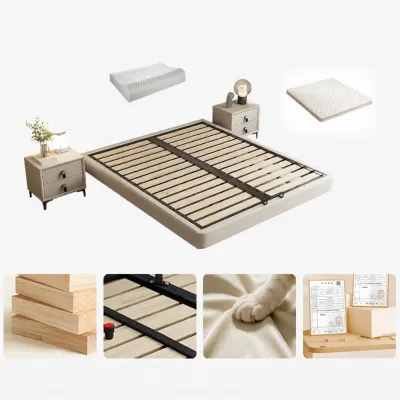
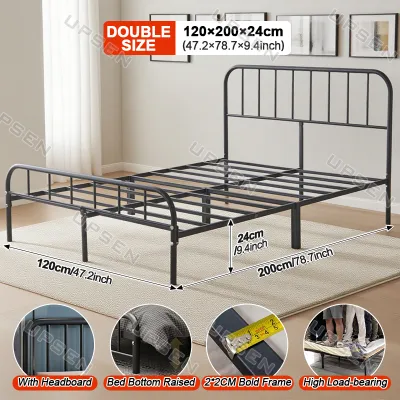
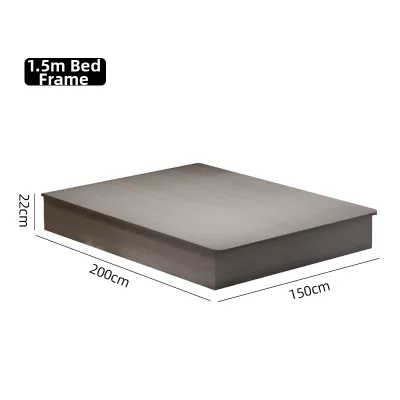
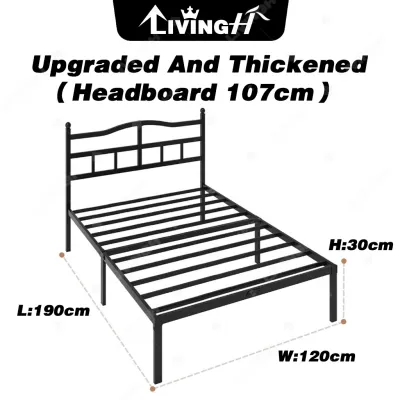
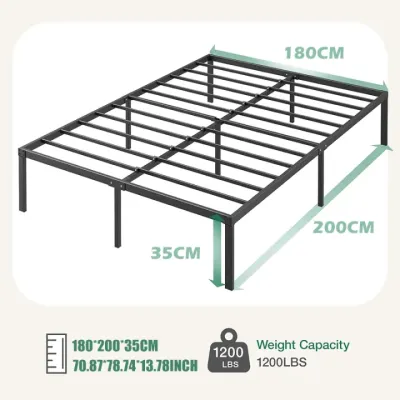
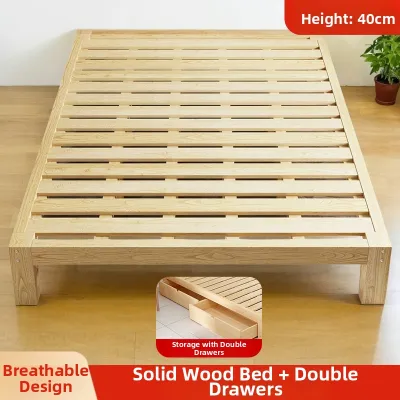

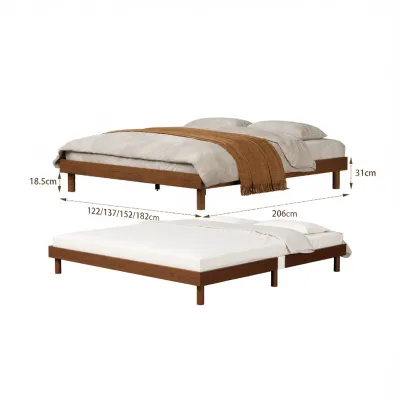
Prices are valid at publication and may change. Please refer to the product page for the latest price.
Layout flexibility also increases exponentially when you remove the headboard constraint. Traditional beds are restricted to a single orientation because the headboard must stand flat against a solid wall. With a headboard-less frame, you gain the freedom to position your bed directly beneath a window to catch the evening breeze, tuck it neatly into a tight corner, or place it under a low ceiling beam without creating structural or aesthetic conflicts.
Furthermore, air circulation is a critical consideration in the warm, humid tropical climate of the Philippines. Compact condo units often suffer from stagnant air pockets, especially if they only have single-aspect windows. A bulky headboard can block the natural flow of air from windows or wall-mounted air conditioning units. A minimalist, headboard-less frame allows air to circulate freely around the bed and walls, helping to regulate room temperature and prevent the buildup of localized moisture.
Key Features to Look for in a Bed Frame No Headboard
Selecting the right frame requires looking beyond basic aesthetics to evaluate structural and functional specifications. Because these frames lack a built-in headboard to help anchor the structure or protect the surrounding walls, you must prioritize specific engineering details to ensure long-term safety and comfort.
Profile and Leg Design: Focus on low-profile frames that feature recessed or flush legs. In tight condo bedrooms, the walking paths around the bed are often narrow, making protruding wooden or metal legs a constant hazard for painful, stubbed toes. Recessed legs are set slightly inward from the outer edge of the frame, keeping the support structure safely out of your walking path while still elevating the mattress enough to allow healthy airflow underneath.
Structural Stability: Without a headboard to help stabilize the bed and distribute lateral forces, the frame must rely entirely on its own engineering. Inspect the product specifications to confirm the frame features robust side rails, heavy-duty corner brackets, and a dedicated center support beam with adjustable legs. It is highly recommended to verify the manufacturer’s stated weight capacity to ensure the frame can safely support the combined weight of your mattress and all sleepers without bowing or shifting.
Climate and Finish Checks: The tropical climate of the Philippines, characterized by high humidity and seasonal temperature shifts, demands careful inspection of materials and surface treatments. Do not assume that a generic material name like “hardwood” or “metal” automatically guarantees durability. Instead, check the manufacturer’s product labels or care instructions for moisture-resistant polyurethane sealants, anti-rust powder coatings, or anti-fungal treatments. These protective finishes prevent wooden frames from warping or molding and keep metal frames from corroding over time.
Edge and Corner Safety: Squeezing past a bed in a small room means you will frequently come into contact with the corners of the frame. To prevent painful bumps and bruises, look for frames designed with rounded corners or those that feature upholstered side rails. Softened edges make navigating tight spaces much safer and more comfortable, particularly in dimly lit bedrooms during the night.
Top Headboard-Less Bed Frame Designs for Small Bedrooms
To maximize your limited condo floor space, you should select a design based on its specific space-saving functionality. Different configurations solve different layout challenges, allowing you to tailor your choice to your daily lifestyle and storage needs.

Storage and Hydraulic Lift Beds
Storage-integrated frames are exceptional double-duty solutions that can completely eliminate the need for a separate bulky dresser or chest of drawers in a small condo. These innovative designs typically feature built-in under-bed drawers on rollers or a heavy-duty hydraulic lift mechanism that elevates the entire mattress platform to reveal a massive, hidden storage compartment underneath.
Before purchasing a storage frame, you must carefully measure the clearance around the bed. If you opt for a model with pull-out drawers, ensure there is enough open floor space to fully extend the drawers without hitting your nightstands, wardrobe doors, or adjacent walls. For hydraulic lift systems, check that the overhead clearance is sufficient and does not interfere with low-hanging light fixtures, ceiling fans, or wall-mounted air conditioning units.
Additionally, always verify the manufacturer’s specified weight limits for both the storage compartments and the lifting mechanism. Overloading under-bed drawers can damage the sliding tracks over time, while placing an excessively heavy mattress on a hydraulic system can strain the gas struts. If the struts are overloaded, the platform will become difficult or unsafe to lift, and it may fail to remain open during use.
Low-Profile Platform Beds
Minimalist platform beds sit very low to the ground, which lowers the room’s visual center of gravity and creates a clean, modern aesthetic. This style is highly popular in contemporary Philippine condos, especially those designed with a Scandinavian or Japandi (Japanese-Scandinavian fusion) interior theme, as it emphasizes simplicity, natural light, and open space.
When choosing a platform design, mattress compatibility is a key factor to verify. Most platform frames are engineered to support memory foam, latex, or hybrid mattresses directly on their slats, completely eliminating the need for a bulky box spring. Adding a box spring to a low-profile platform typically defeats the purpose of the design by raising the mattress to an awkward, unbalanced height.
Before finalizing your purchase, inspect the slat spacing and center support legs of the frame. To maintain your mattress warranty and prevent premature sagging, slats should generally be spaced no more than 5 to 7 centimeters apart, though you should always verify the specific requirements on your mattress manufacturer’s care label. Proper slat spacing also ensures adequate ventilation, allowing heat and moisture to escape from the bottom of the mattress, which is essential for preventing mold in humid environments.
Trundle and Daybed Frames (Without Headboards)
For studio condos or multi-functional rooms that serve as both a home office and a guest bedroom, a headboard-less trundle or daybed frame offers unmatched versatility. This design allows you to use the bed as a comfortable, low-profile sofa during the day by layering it with large throw pillows against the wall, and then easily transform it into a sleeping space at night.
The absence of a headboard is crucial for this setup, as it allows the frame to sit completely flush against the wall like a traditional couch, without any awkward wooden or metal protrusions. When you have guests staying over, you can simply slide out the secondary trundle bed from underneath the main frame to double your sleeping capacity instantly.
To ensure smooth, hassle-free operation, verify the maximum mattress thickness allowed for the lower trundle section. If the trundle mattress is even slightly too thick, it will catch on the main frame, preventing you from sliding it in or out easily and potentially damaging the frame’s finish. Always check the manufacturer’s specifications for the recommended trundle mattress dimensions to avoid alignment issues.
How to Measure Your Condo Space and Delivery Route
A common and frustrating pitfall when buying furniture for high-rise condos in the Philippines is purchasing a frame that cannot physically reach your bedroom. A systematic measuring process before making a purchase prevents costly return fees, elevator booking conflicts, and logistical headaches.
Room Dimensions: Start by mapping out your bedroom floor plan on paper or a digital app. Measure the total length and width of the room, then mark the locations of all permanent fixtures, including electrical outlets, light switches, wardrobe doors, and balcony entryways. To ensure comfortable movement and daily usability, aim to maintain a minimum walking clearance of at least 60 centimeters around all accessible sides of the bed.
Delivery Logistics: Next, trace the exact path the delivery team must take from the building’s unloading bay to your bedroom door. Measure the height, width, and diagonal clearance of the condo’s service elevator, as well as the tightest turns in the stairwells and corridors. Do not forget to measure the clear opening width of your own unit’s entrance door and bedroom doorway.
Packaging Size: Never rely solely on the assembled dimensions of the bed frame. Ask the retailer or check the product specifications for the exact number of shipping boxes and their individual package dimensions. A solid, non-demountable platform frame might fit your bedroom perfectly but fail to clear the tight turn in your condo’s hallway or elevator door. Choosing a flat-packed frame that can be assembled directly inside your room is often the safest option for high-rise living.
Assembly and Safety Checklist for Headboard-Less Frames
Proper installation and ongoing maintenance are essential to ensure your headboard-less frame remains safe, stable, and quiet over years of use. Because these frames lack the structural anchor of a headboard, they require a few specific precautions during setup.
Wall Anchoring and Placement: Because a headboard-less bed lacks a tall vertical anchor, it is more prone to sliding when you sit up against the wall or get in and out of bed. If your condo has slick flooring like polished porcelain tiles or smooth laminate, consider placing a non-slip rug under the frame or securing the legs with rubberized grips to prevent shifting.
Floor Protection: Protect your condo’s flooring from unsightly scratches and indentations. Attach heavy-duty felt pads or rubber floor protectors to the bottom of all contact points, including the outer legs and the central support feet. This is particularly important for heavy storage or hydraulic beds that exert significant downward pressure on the floor.
Routine Maintenance: The structural forces acting on a headboard-less frame are distributed differently than those on a traditional bed. Without the stabilizing upright support of a headboard, the side rails and corner brackets bear the brunt of lateral movement. Make it a habit to inspect and tighten all screws, bolts, and joint brackets every six months to prevent squeaks and maintain structural integrity.
Frequently Asked Questions (FAQ)
Can I use a headboard-less bed frame with any mattress?
Most modern mattresses are compatible with headboard-less frames, but you must check the support requirements specified by your mattress manufacturer. Slatted frames require specific spacing to prevent the mattress from sagging and to keep your warranty valid, while solid platform bases offer uniform support but less airflow. Avoid using a traditional box spring on these frames unless the manufacturer explicitly recommends it, as it will drastically alter the bed’s height and stability.
How do I decorate the wall behind a bed without a headboard?
You can create a beautiful visual anchor without sacrificing precious floor space by utilizing low-profile wall decor. Consider applying peel-and-stick wallpaper, painting a stylish arch or accent wall, or mounting floating shelves high enough to clear your head when sitting up. Wall-mounted reading lights or lightweight framed art are also excellent ways to define the sleeping area without adding physical bulk to the room’s layout.
Community discussion
Share your experience or ask a question. Comments are reviewed before publication.