
Selecting the perfect bed headboard requires balancing the physical dimensions of your bed frame with the visual scale of your bedroom. The core difference lies in how single and double beds interact with their surroundings: single beds thrive with streamlined, space-saving designs that preserve an open, airy feel, whereas double beds demand substantial, statement-making headboards that serve as an anchoring focal point. By matching the style to the frame size, you can prevent a small room from feeling cramped or a large room from looking unfinished.
Quick Guide: Matching Bed Headboard Styles to Frame Sizes
When selecting a bed headboard, the relationship between the frame size and the headboard’s visual weight dictates the overall feel of the bedroom. Single beds, typically measuring 36 inches wide in standard Philippine sizing, require a delicate touch. For these compact frames, lightweight and highly functional designs prevent the bed from dominating the limited floor area. Conversely, double beds (ranging from standard double at 54 inches to queen and king sizes) have a much larger footprint and require a headboard with enough physical and visual presence to anchor the room.
Proportion and scale are just as critical as the aesthetic style itself. A headboard that is too tall or bulky for a single bed can make the entire setup look top-heavy and unstable, while a thin, low-profile headboard on a double bed can get lost behind pillows and bedding. Before making a decision, you must evaluate three primary factors:
Products mentioned in this guide
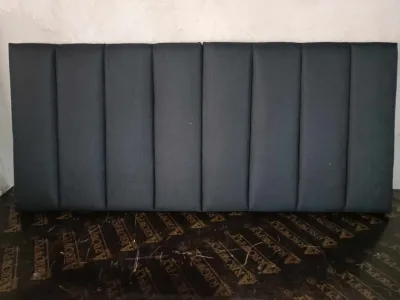
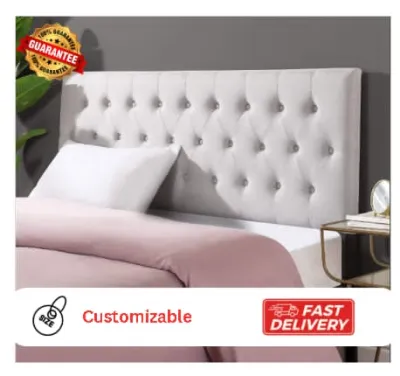
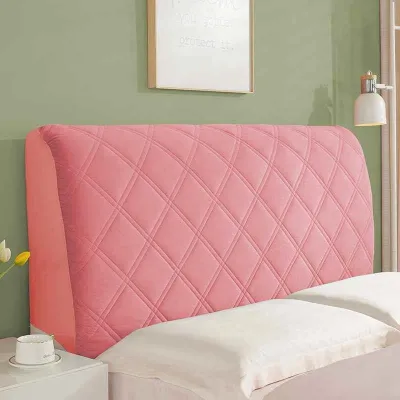
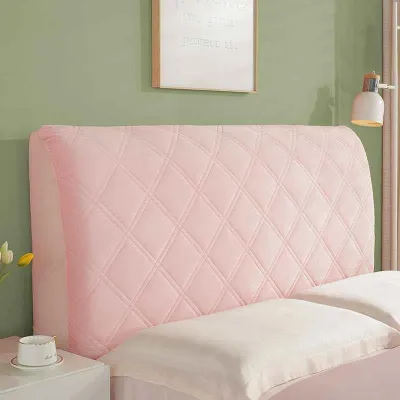
![[COD] AqToCna Ship within 24 hours DIY 3D Wall Mounted Headboard Soundproof Wall Panels Upholstered Anti Collision Bedside Tatami Soft](https://img.lazcdn.com/g/p/c5b0bbe9927e8ff48a62e6493fd30851.jpg_400x400q80.jpg_.webp)
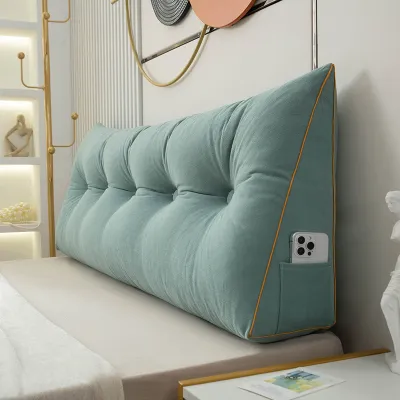
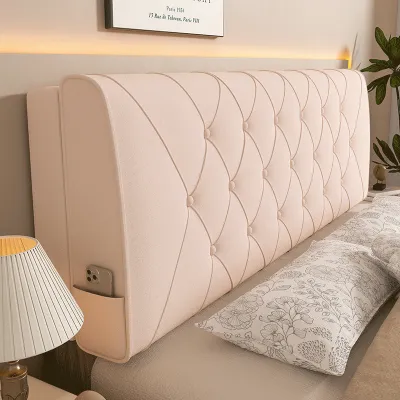
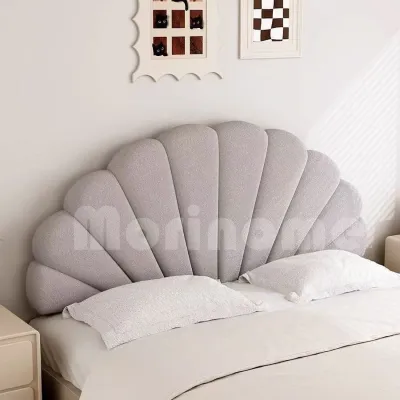
Prices are valid at publication and may change. Please refer to the product page for the latest price.
- Room Size and Layout: How much floor space and wall clearance remain around the bed frame?
- Ceiling Height: Will a tall headboard make the ceiling feel lower, or will it help draw the eye upward in a high-ceilinged room?
- Primary Function: Are you looking for a purely decorative accent, or do you need a supportive, comfortable backrest for reading, working, or watching television in bed?
Proportion Rules: Sizing Your Bed Headboard for Visual Balance
Achieving visual harmony in your bedroom depends on adhering to fundamental proportion rules. Rather than choosing a style solely based on its appearance in a showroom or on an ecommerce platform, you must calculate how its physical dimensions will interact with your existing bed frame and wall space.

Width Guidelines
A standard headboard should align with the outer edges of your bed frame, but slight variations can dramatically alter the perception of space. For single beds in tight rooms, keeping the headboard flush with the frame is essential to maximize walkway clearance and ensure nightstands can sit close to the bed. For double beds, a headboard that extends 2 to 4 inches beyond the frame on each side creates a more luxurious, integrated look. This extra width helps frame the mattress and prevents the bed from looking isolated on a large, blank wall.
Height Considerations
The ideal height of a headboard is influenced by your mattress thickness, ceiling height, and surrounding architectural features. Generally, a headboard should stand at least 14 to 28 inches above the top of the mattress to remain visible when pillows are propped up. In rooms with low ceilings, a low-profile headboard (under 40 inches total height from the floor) prevents the room from feeling compressed. If you have tall ceilings or high windows, a taller headboard (50 inches or more) can bridge the empty wall space, provided it does not block natural light or overlap awkwardly with wall art.
Visual Weight
Visual weight refers to how much attention an object commands in a space. A solid, dark wood headboard has high visual weight and will dominate a room, whereas a light-colored metal wireframe headboard has low visual weight, allowing the wall behind it to show through. To avoid a top-heavy or cluttered look, balance a high-visual-weight headboard with substantial nightstands or a low-profile dresser. If your bedroom furniture is lightweight and minimalist, a massive, heavily tufted headboard will look out of place.
Actionable Advice
Do not rely solely on standard product labels like “single” or “double” when purchasing. Manufacturers often use varying dimensional standards. Always measure your available wall space, the exact width of your bed frame, the height of your mattress from the floor, and the location of light switches or electrical outlets. Sketch these measurements on paper or use painter’s tape on the wall to visualize the headboard’s footprint before finalizing your purchase.
Top Headboard Styles for Single Bed Frames
Single bed frames are highly versatile but easily overwhelmed by excessive ornamentation or bulky structures. The goal for a single bed is to optimize space, maintain an open feel, and ensure the room remains highly functional.
Minimalist and Wooden Slat Designs
Wooden slat headboards offer an airy, structured look that fits perfectly in smaller bedrooms or guest rooms. The spacing between the slats allows light and air to pass through, preventing the headboard from feeling like a solid barrier. If your room has low ceilings, vertical slats can create the illusion of height by drawing the eye upward. Conversely, horizontal slats can make a narrow room feel slightly wider. When choosing wooden slats, inspect the joints and the quality of the finish to ensure there are no rough edges that could snag your bedding or linens.
Metal and Wireframe Styles
Metal headboards, featuring classic spindle, geometric, or wireframe designs, are exceptional for creating visual lightness. Because you can see right through the frame to the wall behind it, these styles keep sightlines clear, making compact bedrooms feel less cramped. They are also incredibly durable and low-profile, taking up virtually no extra depth behind the bed. This is particularly advantageous in narrow rooms where every inch of clearance between the foot of the bed and the opposite wall matters for easy movement.
Bookcase and Storage Headboards
In studio apartments, children’s rooms, or compact boarding spaces, maximizing utility is paramount. Bookcase headboards integrate shelves directly into the headboard structure, eliminating the need for bulky bedside tables. This allows you to store books, alarm clocks, and personal items directly above or beside your pillow. However, you must carefully check the depth of these storage units. A typical bookcase headboard can add 6 to 10 inches of depth to your bed setup, which might encroach too far into your walking space. Ensure your room can accommodate this forward shift before choosing this style.
Key Takeaway: Avoid Overly Bulky Designs
For single bed frames, avoid heavily tufted, thick upholstered, or exceptionally tall wingback styles. These designs can make a single bed look disproportionately top-heavy, making the entire bed frame appear unstable and visually crowding a small room.
Top Headboard Styles for Double Bed Frames
Double, queen, and king bed frames provide a broader foundation that can easily support more intricate, substantial, and luxurious headboard designs. Here, you have the creative freedom to use the headboard as a primary design anchor.
Upholstered and Tufted Designs
Upholstered headboards are a classic choice for double beds, offering both aesthetic elegance and physical comfort. If you enjoy sitting up in bed to read, work on a laptop, or watch television, a padded headboard provides an excellent, cushioned backrest. Tufted designs—whether button-tufted, diamond-patterned, or channel-tufted—add deep texture and shadow lines that make the bed look incredibly inviting. When selecting fabrics, consider how the texture coordinates with your existing bedroom linens and drapes to create a cohesive, cozy sanctuary.
Wingback and Camelback Silhouettes
For a sense of classic sophistication, wingback and camelback silhouettes are unmatched. Wingback headboards feature side panels that curve forward, enveloping the head of the bed and creating a cozy, private nook. Camelback designs feature a gentle, elegant curve along the top edge, softening the straight lines of the bed frame. Keep in mind that wingback headboards extend outward past the sides of the bed frame, requiring adequate clearance from adjacent walls, nightstands, and light fixtures. Measure your bedside area carefully to ensure these “wings” do not block drawer access or crowd your bedside tables.
Solid Wood and Panel Designs
A solid wood or paneled headboard provides a grounded, sturdy aesthetic that beautifully complements the wider footprint of a double bed. Whether you prefer a rustic reclaimed wood look, a mid-century modern slab, or a classic shaker-style panel, wood adds natural warmth and organic texture to the space. To create a cohesive look, you can match the wood species and finish to your nightstands, dresser, or flooring. Look for solid construction with robust joinery to ensure the headboard does not wobble or squeak when you move.
Key Takeaway: Embrace Visual Anchoring
Double bed frames can easily support wider, heavier, and highly detailed headboard designs without looking out of scale. This allows you to experiment with bold textures, rich colors, and dramatic heights to establish a clear focal point in your bedroom.
Choosing Headboard Materials for Humid Climates
In tropical and highly humid environments, such as the Philippines, selecting the right headboard material is crucial for long-term durability. High humidity levels can lead to mold growth, wood warping, fabric degradation, and metal corrosion if the materials are not properly treated or maintained.
Wood and Engineered Wood
While wood is a popular choice, not all wood products perform the same way in humid conditions. Solid hardwoods are generally more resilient than low-grade engineered woods like particleboard, which can swell and disintegrate when exposed to moisture. However, even high-quality wood requires protection. Before purchasing, check the manufacturer’s specifications to verify that the headboard has been treated with a moisture-resistant sealant, lacquer, or polyurethane finish. These protective coatings prevent moisture from penetrating the wood fibers, reducing the risk of warping and cracking over time.
Upholstery Fabrics
Upholstered headboards require careful consideration in humid climates. Highly absorbent, tightly woven natural fibers can trap moisture, leading to musty odors, mold, and mildew. Look for breathable, synthetic performance fabrics, such as polyester blends, linen-look synthetics, or moisture-resistant outdoor-grade fabrics. Always check the manufacturer’s care labels for specific cleaning and mold-prevention instructions. Regularly vacuuming the fabric and using a dehumidifier or air conditioner in the bedroom can significantly extend the life of your upholstered headboard.
Metal Frames
Metal headboards are highly durable, but high humidity can trigger rust and corrosion, especially in coastal areas. To prevent this, verify that the metal headboard features a high-quality powder-coated finish or a specialized rust-resistant treatment. Powder coating creates a thick, protective barrier that shields the underlying metal from moisture and air, ensuring the frame remains pristine and structurally sound for years.
Verification Step
Always review the product’s care requirements and environmental ratings provided by the manufacturer before finalizing your purchase. Regardless of the material you choose, maintaining adequate room ventilation, opening windows during dry days, and keeping the headboard slightly pulled away from damp concrete walls are essential practices to protect your furniture from humidity-related damage.
Verifying Bed Frame Compatibility and Installation
Before purchasing your chosen headboard, you must verify that it can be safely and securely installed. A poorly mounted headboard can wobble, damage your walls, or even fall, posing a safety hazard.
Mounting Types
Headboards generally fall into three mounting categories:
- Frame-Mounted: These attach directly to the back of your existing bed base or frame. They are highly stable and move with the bed, making them ideal for renters who cannot drill into walls.
- Wall-Mounted: These hang directly on the wall using brackets or French cleats. They offer a floating look and are highly stable, but they require drilling and permanent wall modifications.
- Freestanding: These stand on the floor between the bed frame and the wall, often secured simply by the weight of the bed frame pushing against them, though some can also be bolted to the frame for extra security.
Hardware and Alignment
For frame-mounted headboards, do not assume all frames and headboards share identical mounting configurations. Check your bed frame for pre-drilled holes or slots at the head end. Measure the distance between these holes and compare them to the headboard’s mounting brackets. Verify the bolt sizes and hardware requirements; some headboards require specific bracket adapters if the alignment does not match perfectly.
Weight and Wall Safety
If you select a wall-mounted headboard, you must assess your wall construction. In many Philippine homes, walls are constructed from solid concrete, hollow concrete blocks, or drywall over steel studs. Heavy upholstered or solid wood headboards require robust anchoring. For concrete walls, you must use masonry drill bits and expansion anchors or concrete screws. Drywall installations require locating the studs or using heavy-duty toggle bolts; simple plastic wall plugs are insufficient and can pull out under the weight.
Safety Boundary
If you are unsure of your wall type, if the headboard is exceptionally heavy, or if the manufacturer’s installation instructions conflict with your room’s structural layout, stop immediately. Do not attempt a makeshift installation using adhesive strips or improper screws. Consult a qualified professional carpenter or handyman to ensure the installation is structurally sound and safe.
Frequently Asked Questions (FAQ)
Can I use a double headboard on a single bed?
While it is physically possible to mount a double headboard behind a single bed—particularly if you use a wall-mounted style—it is generally not recommended. A double headboard will extend significantly past the edges of a single mattress, creating an awkward, unbalanced look. The excess width can also block access to nearby light switches, electrical outlets, nightstands, or walkways. If you want to make a bold visual statement behind a single bed, consider using a tall but narrow headboard, a decorative wall mural, or a stylish wallpaper panel instead of a mismatched headboard size.
How far should a headboard be from the mattress?
Ideally, there should be no significant gap between the bottom of the headboard panel and the top of your mattress. Most headboards are designed to sit flush with or slightly below the top surface of the mattress to prevent pillows, sheets, and small items like phones or glasses from slipping through the gap. If your headboard has built-in features like shelves, reading lights, or cubbies, ensure there is at least 12 to 18 inches of clearance above your pillows so you do not accidentally bump your head when sitting up or adjusting your position.
Do I need a headboard for my bed frame?
No, a headboard is not structurally mandatory for your bed frame to function. However, it offers significant practical and aesthetic benefits. Functionally, a headboard protects your wall from dirt, oils, and physical abrasion caused by pillows and heads rubbing against the wall. It also provides a comfortable backrest when sitting up and acts as an insulating barrier against cold or damp walls. Aesthetically, a headboard serves as the visual centerpiece of the bedroom, tying your decor together and making the space feel finished and inviting.
Community discussion
Share your experience or ask a question. Comments are reviewed before publication.