
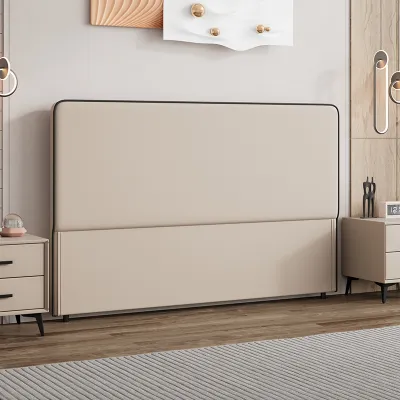
Choosing a headboard with a stand is an excellent way to elevate your bedroom design without the permanent commitment of drilling into your walls. This is particularly advantageous for renters or those with concrete walls, which are common in Philippine homes and can be difficult to drill. A freestanding headboard sits independently on the floor, supported by its own legs or sandwiched securely between your bed frame and the wall. By selecting the right style and size, you can instantly create a polished, hotel-like aesthetic while maintaining the flexibility to rearrange your room whenever you wish.
To achieve a seamless look, you must ensure the headboard aligns perfectly with your mattress size and room layout. A mismatched headboard can wobble, create awkward gaps where pillows slide through, or overpower a small bedroom. Understanding how to measure your space, evaluate structural joint stability, and select materials that withstand local humidity will help you make a smart investment that looks beautiful and functions reliably for years.
Sizing Guide: Matching Freestanding Headboards to Local Bed Dimensions
Before purchasing a bed headboard with stand, you must verify your mattress dimensions, as standard sizes can vary slightly by region. In the Philippines, standard bed sizes follow specific width and length measurements that dictate your headboard selection. A standard Single bed measures 36 inches wide by 75 inches long (91 x 190 cm). A Double bed, often referred to as a Full bed, measures 54 inches wide by 75 inches long (137 x 190 cm). A Queen bed measures 60 inches wide by 80 inches long (152 x 203 cm). Knowing these baseline dimensions prevents you from buying a headboard that is too wide or too narrow for your actual sleeping setup.
Products mentioned in this guide

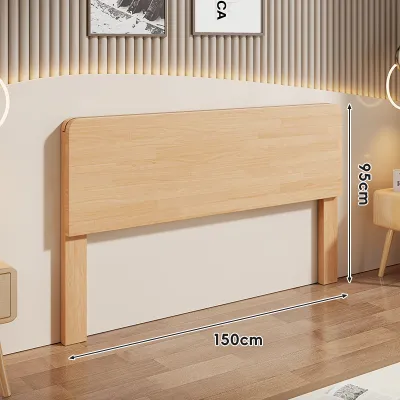
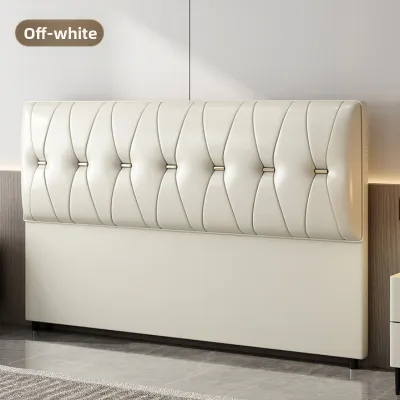
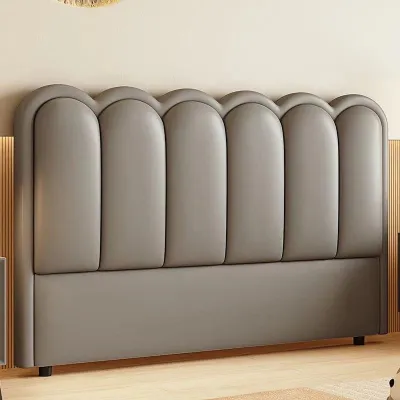


Prices are valid at publication and may change. Please refer to the product page for the latest price.
When matching a freestanding headboard to your bed, you must decide between a flush fit or an intentional overhang. A flush-fit headboard matches the exact width of your mattress, creating a streamlined, modern silhouette that works exceptionally well in compact bedrooms or tight alcoves. Alternatively, you can opt for a headboard that provides a 2-to-4-inch overhang on each side. This slight extension creates a luxurious framing effect, making the bed the central focus of the room. However, if you choose an overhanging design, you must ensure it does not block bedside electrical outlets, light switches, or the placement of your nightstands.
Another critical dimension to analyze is the depth of the headboard’s stand. Because freestanding headboards rely on a base or legs for support, they inherently occupy floor space behind the bed. A stand with a deep profile can push your entire bed frame 3 to 6 inches forward into the room. In narrow urban bedrooms or modern condominium layouts, this shift can restrict the walkway at the foot of the bed or prevent wardrobe doors and drawers from opening fully. Always measure your available room length and compare it against the combined depth of your bed frame and the headboard stand.
Vertical clearance requires equal attention during your planning phase. Take note of your room’s ceiling height and the placement of wall-mounted split-type air conditioning units, which are common in local households. A very tall headboard can obstruct the airflow of an air conditioner or make filter maintenance difficult. Additionally, inspect the thickness of your baseboards. If your headboard stand does not feature a baseboard cutout or sufficient clearance at the bottom, the baseboard will push the lower legs away from the wall, causing the headboard to tilt backward and lose structural stability.
Recommended Freestanding Headboard Styles for Single Beds
Single beds are ideal for studio apartments, children’s rooms, or guest bedrooms where floor space is at a premium. For these smaller setups, space-conscious headboard styles are highly recommended to keep the room feeling open and airy. Slim upholstered panels wrapped in breathable linen or cotton blends offer a soft backrest without adding unnecessary bulk. Narrow wooden slat designs made from local hardwoods like acacia or high-quality engineered wood provide a clean, minimalist aesthetic. Lightweight woven structures, such as natural rattan or synthetic cane, are also excellent choices that bring a warm, tropical texture to the space.

When evaluating headboards for a single bed, look for a compact base footprint that minimizes floor space consumption. Integrated anti-slip rubber pads on the bottom of the stand legs are highly beneficial, as they prevent the lightweight headboard from sliding on polished ceramic tiles or smooth laminate flooring. Additionally, choose a proportional height—typically between 40 to 48 inches from the floor. A headboard that is too tall can visually overwhelm a single bed, making the entire sleeping area look unbalanced and top-heavy.
Before making a purchase, use a detailed buying checklist to ensure compatibility. First, verify the exact finished width of the headboard against your mattress; some imported headboards labeled as “Twin” are 38 inches wide, which will leave an awkward 1-inch overhang on each side of a standard local 36-inch Single mattress. Second, check the base depth to ensure it does not create a trip hazard in narrow walkways. Finally, review the manufacturer’s care instructions and surface treatments. For natural materials like rattan or solid wood, confirm that the surface has been sealed with a moisture-resistant finish to protect against the high humidity levels common in tropical climates.
Because single beds and their headboards are relatively lightweight, they are more prone to shifting when you lean back to read or work in bed. To address this stability issue, consider choosing a model with a heavier, weighted base or one that allows you to add discreet wall spacers. Wall spacers are small rubber or felt bumpers attached to the back of the headboard that bridge the gap created by the baseboard, ensuring the headboard remains perfectly upright and stable against the wall without needing to be bolted down.
Top Stand Headboard Designs for Double Beds
Double beds strike a balance between sleeping comfort and room efficiency, making them incredibly popular in urban homes. To complement a double bed, look for freestanding headboards that offer a balanced visual weight and robust structural support. Tufted fabric panels in neutral tones provide a classic, cozy look that coordinates easily with various bedding styles. Mid-century modern wooden designs with clean lines and tapered legs offer timeless appeal, while modular shelving headboards add highly functional storage space for books, phones, and glasses without requiring extra floor space for bedside tables.
As headboards increase in width to match a 54-inch double bed, their center of gravity shifts, making structural integrity even more critical. Look for designs featuring wider, heavier bases that distribute the weight evenly across the floor. If you opt for a taller design or a model with built-in shelving, ensure it includes reinforced center supports. A central support leg or a thickened horizontal brace prevents the headboard from bowing or sagging over time, especially when subjected to the daily pressure of leaning.
Your buying checklist for a double bed headboard should prioritize long-term durability and spatial fit. Confirm that the headboard’s width matches your 54-inch mattress frame. Carefully measure your room’s layout to ensure the stand’s depth leaves at least 24 inches of clear walkway space around the bed. Most importantly, verify the connection structures and joint hardware specifications. High-quality freestanding headboards utilize steel bracket connectors, heavy-duty dowels, or machine bolts with locking washers rather than simple wood screws, ensuring the frame remains rigid and squeak-free.
One common challenge with double-sized freestanding headboards is managing the gap that can form between the mattress and the headboard stand. If the stand legs are thick, they may prevent your bed frame from sliding completely flush against the headboard panel. To resolve this, look for adjustable frame brackets that allow you to bolt your bed frame directly to the headboard legs, pulling them tightly together. Alternatively, you can use high-density foam bed wedges or mattress spacers to fill the gap, preventing your pillows from slipping down during the night.
Best Stand Headboard Options for Queen Beds
A queen-sized bed serves as the primary anchor of a master bedroom, demanding a headboard with a commanding visual presence and heavy-duty stability. Substantial styles like wide wingback designs, which curve slightly around the sides of the mattress, create an elegant, high-end sanctuary feel. Large solid wood statement pieces showcasing beautiful natural grain patterns offer exceptional durability and rustic warmth. Thick, heavily padded panels upholstered in velvet, chenille, or performance fabrics provide maximum comfort for sitting up in bed while adding a layer of acoustic insulation to the room.
Due to the significant size and weight of a 60-inch queen headboard, heavy-duty stand construction is non-negotiable. Look for stands constructed from thick-gauge steel tubing or solid timber posts that can support the top-heavy structure without flexing. Adjustable floor-leveling feet are an incredibly valuable feature to look for; they allow you to compensate for uneven tile, stone, or concrete floors, ensuring the headboard remains perfectly level and does not wobble. A wide base footprint is also essential to lower the center of gravity and prevent any risk of tipping.
When shopping for a queen headboard, your buying checklist must cover logistical and spatial constraints. Verify the exact width of your queen mattress (60 inches) and compare it to the headboard’s total assembled width, especially for wingback designs which can be significantly wider than the bed itself. Check the total assembled weight and review the delivery and lifting requirements. In high-rise condominiums across Metro Manila, service elevators and narrow stairwells often have strict size limits; ensure the headboard can be transported safely to your unit. Finally, confirm that the height of the headboard does not block natural light from low-set windows or interfere with wall-mounted light fixtures.
Before finalizing your purchase, inspect the stand’s load-bearing specifications and joint fasteners. Tall, heavily padded queen headboards carry substantial top weight, which exerts high leverage on the lower joints when you lean against the upper panel. Look for models that utilize a bolt-through construction method, where long bolts pass entirely through the stand legs and secure with lock nuts on the opposite side. Avoid designs that rely solely on adhesive joints or light-duty wood screws, as these can loosen under repeated pressure, leading to instability and noise.
How to Secure and Style a Headboard with Stand
Once you have selected the perfect freestanding headboard, taking a few simple steps during installation will ensure it remains secure, silent, and visually integrated into your bedroom design. To prevent the stand from sliding or shifting on smooth flooring, place heavy-duty anti-slip rubber furniture grips or thick felt pads under the feet of the stand. If you are a homeowner or have permission from your landlord, you can achieve maximum stability by using small, discreet metal L-brackets to secure the back of the headboard stand directly to the wall studs, completely eliminating any movement.
Preventing wall damage and annoying noises is crucial for a peaceful sleeping environment. When you toss and turn or sit up in bed, a freestanding headboard can flex slightly and tap against the wall, causing paint scratches or distracting knocking sounds. To eliminate this issue, apply thick, self-adhesive felt bumpers or silicone wall pads to the back edges of the headboard where it is closest to the wall surface. These bumpers act as shock absorbers, dampening physical impact and keeping your bedroom quiet.
Routine maintenance is key to preserving the structural integrity and appearance of your headboard. Every six months, inspect the stand joints, leg brackets, and base screws, tightening any hardware that may have loosened from daily use. In the humid climate of the Philippines, proper material care is essential. Vacuum upholstered fabric headboards regularly using a brush attachment to prevent dust mite accumulation, and run a dehumidifier during the rainy season to prevent mold growth. For wooden or rattan stands, wipe them down with a dry microfiber cloth and avoid using harsh chemical cleaners that can strip away protective moisture-resistant sealants.
To create a cohesive, professionally designed look, integrate your headboard stand seamlessly with your bedroom flooring and textiles. If you use an area rug under your bed, pay close attention to how the headboard stand sits on it. To maintain structural safety, the headboard stand must sit entirely on the rug or entirely on the bare floor; placing the legs half-on and half-off the rug will cause the headboard to tilt, putting unnecessary stress on the joints. You can also drape a stylish throw blanket over the top of a wooden or metal headboard to soften its lines, or coordinate your pillow shams with the upholstery of your headboard to tie the entire room’s color palette together.
Frequently Asked Questions (FAQ)
Can I use a headboard with stand on a platform bed without a frame?
Yes, you can use a freestanding headboard with a platform bed that does not have a traditional frame, provided you take a few compatibility factors into account. Because the headboard stand rests directly on the floor, the platform bed must be pushed tightly against it to keep the headboard secure. You must measure the height of your platform bed and mattress combined; ensure this height allows the mattress to sit flush against or slightly above the lower edge of the headboard panel. If the platform bed has a wide, protruding outer lip or frame edge, it may prevent the bed from sitting flush against the stand, creating an awkward gap where pillows can fall through.
How do I stop a freestanding headboard from hitting the wall and making noise?
To stop a freestanding headboard from hitting the wall and making noise, you need to create a cushioned barrier between the headboard and the wall surface. The most effective solution is to apply thick, self-adhesive felt pads or heavy-duty rubber bumpers directly to the back of the headboard’s frame where it makes contact with the wall. For a more adjustable option, you can purchase threaded rubber wall spacers that screw into the back of the headboard leg or panel; these can be extended to press firmly against the wall, bridging any gap caused by thick baseboards and holding the headboard completely silent and steady.
How do I prevent a tall freestanding headboard from tipping over?
Preventing a tall freestanding headboard from tipping forward requires managing its center of gravity and securing its base. Always choose a headboard with a wide, heavy base or thick, sturdy legs that provide a solid foundation. If your bedroom floor is uneven, use adjustable floor-leveling feet to ensure the headboard stands perfectly vertical, as even a slight forward lean can cause it to tip over. For absolute safety, especially with heavy queen-sized or tall upholstered designs, use anti-tip furniture straps or small L-brackets to anchor the top of the stand legs to the wall studs, which secures the unit without causing significant wall damage.
Community discussion
Share your experience or ask a question. Comments are reviewed before publication.