
A bedside table combining built-in charging ports and storage provides a streamlined, clutter-free bedroom setup. In the Philippines, choosing the right unit requires balancing electrical safety, storage capacity, and materials that can withstand tropical humidity. By integrating power sources directly into your nightstand, you eliminate the unsightly tangle of extension cords and keep your essential devices fully powered and within arm’s reach while you sleep.
Finding the perfect balance between technology and furniture design involves evaluating how a piece fits into your daily routine. From wireless charging pads to multi-port USB hubs, the modern bedside table has evolved into an active power station. This guide breaks down how to evaluate these smart furniture pieces, explores the best configurations for different bedroom layouts, and outlines the critical safety and physical specifications to verify before making a purchase.
How to Evaluate Bedside Tables with Built-in Tech and Storage
Integrating electrical components into wooden or engineered wood furniture introduces unique considerations that do not apply to traditional nightstands. To ensure your investment is safe, functional, and durable, you must look closely at the charging technology, the storage architecture, and the structural materials used in construction.
Products mentioned in this guide
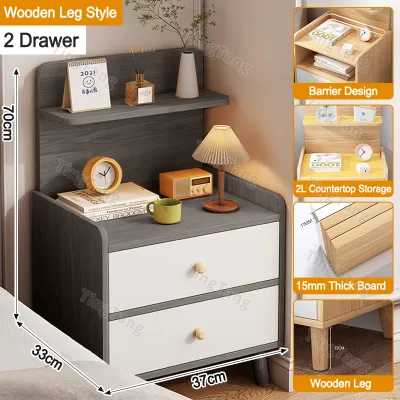
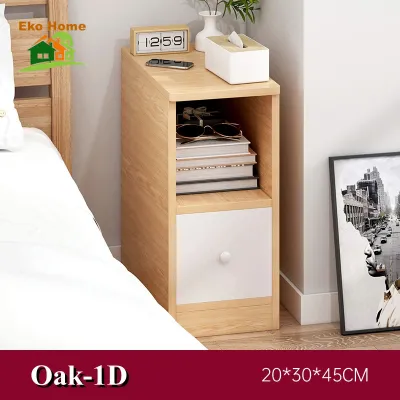
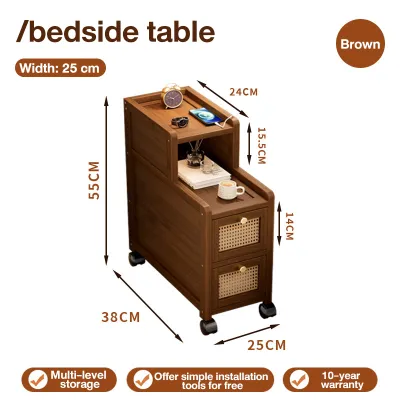
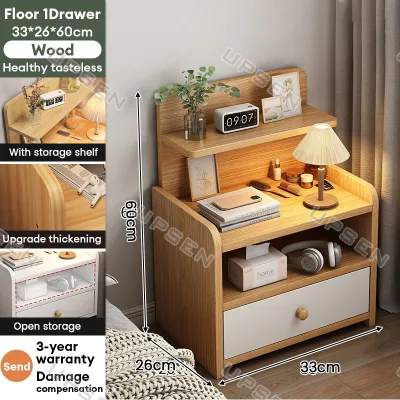

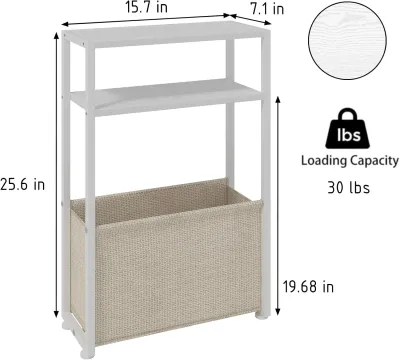
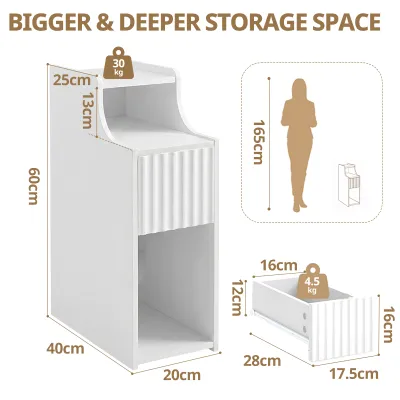
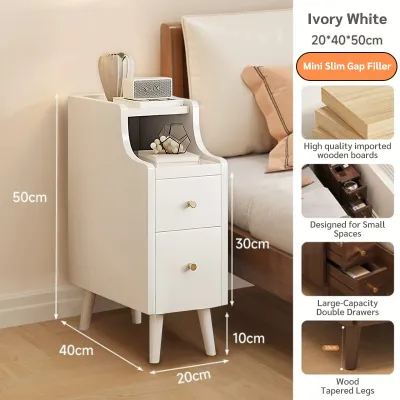
Prices are valid at publication and may change. Please refer to the product page for the latest price.
Charging Types and Electrical Compatibility
When analyzing the electronic capabilities of a bedside table, identify the specific types of ports provided. Modern configurations typically feature a mix of USB-A ports for legacy devices, USB-C ports for fast-charging modern smartphones and tablets, standard AC outlets for bedside lamps or laptop chargers, and integrated Qi wireless charging pads. USB-C ports are increasingly vital as newer devices phase out older USB-A connections.
In the Philippines, the standard electrical system operates at 220V and 60Hz. It is absolutely critical to verify that any imported smart furniture or built-in power strip is fully compatible with this voltage. Using a 110V-only power module in a local outlet will permanently damage the electronics and poses a severe fire hazard. Additionally, ensure the power module includes built-in surge protection to safeguard your expensive smartphones and tablets from the voltage fluctuations and power surges common during tropical storms.
Storage Efficiency and Cable Management
Active storage is about more than just having a drawer; it is about how easily you can access your items without fighting a web of cords. Evaluate the drawer depth and glide quality. Deep drawers are excellent for storing bulkier items like books, medications, or tablets, while shallow drawers work well for glasses and eye masks. Open shelving provides quick access to remote controls, while hidden compartments or false backs can conceal power bricks and excess cord length.
Excellent smart furniture design incorporates dedicated cable management pathways. Look for units with rear cutouts, integrated routing channels, or recessed power strips. These design elements prevent charging cables from getting pinched or caught in the drawer glides, which can strip the protective insulation off the wires over time and create a short-circuit risk.
Material Durability in Tropical Climates
The tropical climate of the Philippines presents a distinct challenge for furniture preservation. High relative humidity, particularly during the rainy season, can cause low-grade engineered woods like standard particleboard or untreated medium-density fibreboard (MDF) to absorb moisture from the air. This moisture absorption leads to swelling, warping, sagging, and the growth of mold or mildew near your sleeping area.
To prevent these issues, prioritize bedside tables constructed from moisture-resistant materials. Look for high-pressure laminates (HPL), melamine-faced moisture-resistant MDF, or solid local hardwoods (such as mahogany or acacia) treated with protective polyurethane sealants. Inspect the edge banding carefully; fully sealed, thick PVC edge bands prevent humid air from penetrating the core material. Always check the manufacturer’s care instructions to ensure the finishes can handle occasional spills from a bedside water glass without staining or bubbling.
Top Bedside Table Configurations for Different Bedroom Needs
Different lifestyles and bedroom layouts require different combinations of storage and power. Whether you live in a compact studio condominium or a spacious suburban home, matching your specific daily habits to the right nightstand configuration will maximize both convenience and space efficiency.

The Compact Tech Hub (Wireless Charging + Single Drawer)
For those living in cozy urban apartments or maintaining a minimalist bedroom aesthetic, a compact tech hub offers a clean, streamlined solution. This configuration typically features a small footprint with a top surface dedicated to an integrated Qi-compatible wireless charging pad, paired with a single deep drawer below for essential nighttime storage.
By placing your phone directly on the designated charging spot on the tabletop, you eliminate the need for dangling cables entirely. This setup keeps your bedside looking organized and clutter-free, which contributes to a more relaxing sleeping environment. The single drawer underneath provides just enough space to tuck away personal items, keeping the tabletop completely clear.
However, this minimalist design does have clear limitations. Wireless charging requires a compatible smartphone and relies on precise physical alignment between the phone’s internal coil and the table’s transmitter. Furthermore, thick protective phone cases, especially those with metal plates, kickstands, or ring holders, can block the inductive charging signal. You should also check the exact output wattage of the wireless pad; basic 5W pads charge modern high-capacity batteries very slowly, so look for units offering 10W or 15W fast-wireless charging.
The Heavy-Duty Organizer (Multi-Port USB/Type-C + Tiered Storage)
If you manage multiple devices daily—such as a smartphone, a smartwatch, a tablet, and wireless earbuds—or if you share a bedside table with a partner, a heavy-duty organizer is the most practical choice. This configuration features a robust, multi-tier drawer system paired with a comprehensive built-in power strip containing multiple USB-A, USB-C, and traditional AC outlets.
With multiple ports available, you can fast-charge all your devices simultaneously from a single piece of furniture. The tiered storage, which often combines two or three drawers with an open cubby, allows you to categorize your belongings efficiently. You can keep active electronics charging in an open shelf while storing personal items, books, and cables safely inside the closed drawers.
Because of the sheer volume of cords involved in charging multiple devices, integrated cable management is non-negotiable for this setup. Look for models featuring rear exit grommets or dedicated internal channels that route the cords neatly behind the drawers. Keep in mind that these heavy-duty units are physically wider and heavier than minimalist models. Before purchasing, measure your available floor space carefully to ensure the unit does not block wardrobe doors or restrict movement around the bed.
The Floating Minimalist (Hidden Outlets + Open Shelf)
Wall-mounted or floating bedside tables are an excellent choice for modern bedrooms where floor space is at a premium. By lifting the nightstand completely off the floor, you create an airy, spacious visual effect and make floor cleaning incredibly easy, allowing robot vacuums or brooms to pass underneath without obstruction.
This configuration usually features a clean open shelf with a single shallow drawer, while the electrical outlets and USB ports are cleverly hidden underneath the unit or tucked behind a false back panel. This design keeps the power bricks and plugs completely out of sight, maintaining a highly polished, architectural look.
However, floating bedside tables demand strict installation procedures. In the Philippines, residential walls are commonly constructed from concrete hollow blocks (CHB) or drywall. Mounting a floating unit securely requires drilling into the wall and using heavy-duty masonry expansion bolts for concrete, or locating and securing the bracket to wooden or metal studs behind drywall. Never rely on simple adhesive strips or standard plastic wall plugs, as overloading the shelf with heavy books or lamps can pull the unit out of the wall, damaging your structure and destroying the built-in electronics.
Key Specifications to Verify Before Buying
Before finalizing your purchase, running through a practical checklist will prevent installation headaches, electrical hazards, and structural disappointments. Taking these verification steps ensures your new bedside table fits seamlessly into your home.
- Dimensions and clearance: Measure the height of your mattress from the floor. Ideally, your bedside table should sit flush with or slightly below the top of your mattress (typically between 60 to 70 centimeters) for comfortable ergonomic reach. Ensure the drawers can slide open fully without hitting the bed frame, wardrobe doors, or blocking the natural walking path around your room.
- Electrical safety and cord length: Measure the distance from your nearest wall outlet to where the bedside table will stand. The table's main power cord should easily reach the wall outlet without being stretched taut or requiring an extension cord, as daisy-chaining extension cords behind a bed increases electrical resistance and fire risks. Look for power modules carrying recognized international safety certifications (such as CE, FCC, or RoHS) or local quality marks.
- Surface heat and device safety: Charging electronics naturally generate heat, particularly during fast-charging cycles or wireless charging. Ensure the tabletop material is heat-resistant, such as tempered glass or high-quality treated laminate. Never leave charging devices buried under pillows, heavy blankets, or thick books, as trapped heat can degrade your device's battery health or ignite flammable fabrics.
- Assembly and structural integrity: Confirm whether the bedside table is delivered fully assembled or flat-packed. Flat-pack models require careful assembly, especially when routing the internal wiring. Inspect the drawer glides; high-quality steel ball-bearing glides offer smooth, long-term operation, whereas cheap plastic glides can warp under the weight of books and electronic accessories.
Quick Comparison of Charging and Storage Setups
To help you visualize the differences and choose the right setup for your bedroom, this table summarizes the key characteristics of each bedside table configuration.
| Configuration Type | Best Suited For | Primary Charging Method | Storage Capacity | Installation Effort |
|---|---|---|---|---|
| Compact Tech Hub | Small bedrooms, minimalists, single-device users | Qi Wireless Charging Pad (Top-mounted) | Low (Single drawer) | Low (Freestanding, plug-and-play) |
| Heavy-Duty Organizer | Tech-heavy users, shared beds, multi-device charging | Multi-port USB-A/C & AC Power Strip | High (Multi-tier drawers & open cubby) | Low to Medium (Freestanding, heavier unit) |
| Floating Minimalist | Modern aesthetics, easy floor cleaning, tight layouts | Hidden USB/AC outlets | Medium (Open shelf & shallow drawer) | High (Wall-mounting, masonry/stud drilling) |
Frequently Asked Questions (FAQ)
Can I replace a broken built-in charging port on a bedside table?
Built-in charging modules in smart furniture are often proprietary or hardwired directly into the wooden frame, making direct repairs difficult. If a port stops working, check if the manufacturer offers replacement power modules that can be unbolted and swapped out. If no official replacement is available, do not attempt to splice or repair the internal wiring yourself. For safety, simply unplug the table’s main power cord from the wall outlet and place a high-quality, standalone multi-port charging hub on the tabletop or inside an open shelf as a reliable alternative.
Do bedside tables with wireless charging work through thick glass or wood tops?
Wireless charging relies on electromagnetic induction, which requires a very short physical distance—typically less than 5 to 8 millimeters—between the transmitter coil in the table and the receiver coil inside your phone. Thick wooden panels, dense glass tops, or metal laminates will block or severely weaken the magnetic field, preventing charging. If a bedside table features a hidden wireless charger mounted beneath the wood surface, the manufacturer must use a specialized long-range induction coil designed for that specific thickness. Always verify the manufacturer’s specified maximum charging distance and ensure your phone case is thin and free of metal components.
Community discussion
Share your experience or ask a question. Comments are reviewed before publication.