
A child’s early relationship with reading often depends on how easily they can reach their favorite stories. In many homes in the Philippines, books end up stacked in deep plastic tubs or hidden away in high cabinets where they are easily forgotten. Finding a dedicated, child-friendly lagayan ng books for kids transforms reading from a parent-led chore into an independent, daily adventure. The ideal storage solution must balance accessibility, physical safety, and resilience against local environmental factors like high humidity.
By choosing a setup that matches your child’s developmental stage and your home’s layout, you encourage a lifetime habit of reading. Children are naturally tactile and visual; they need to see their books to want to read them. This guide breaks down the essential features of kid-friendly book storage, evaluates the most practical types of shelves for Philippine households, and outlines critical safety and maintenance practices to keep your investment secure.
Key Features of Kid-Friendly Book Storage
Accessibility and Visibility
For toddlers and early readers, book covers are far more meaningful than spine text. Standard bookshelves display only the narrow spine, which requires adult-level literacy to decipher. A child-friendly display should prioritize forward-facing or cover-out layouts, allowing young children to recognize their favorite characters and illustrations instantly. This visual cue acts as an open invitation to pick up a book and read.
Products mentioned in this guide
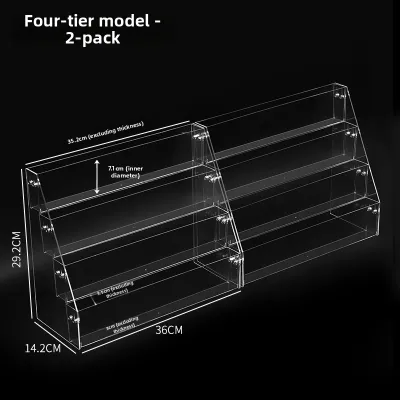
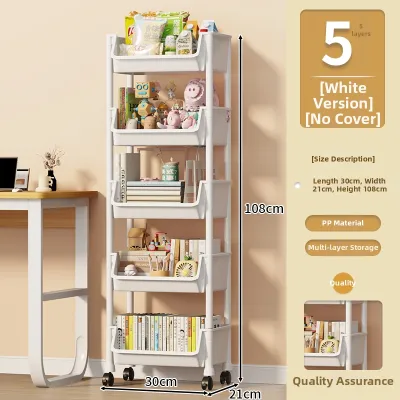
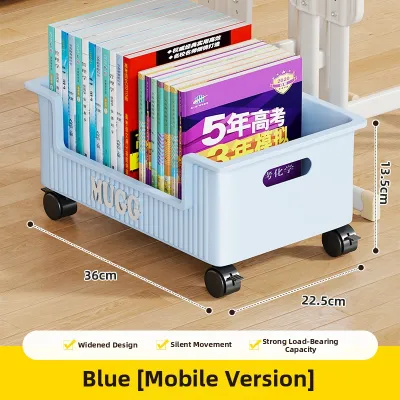
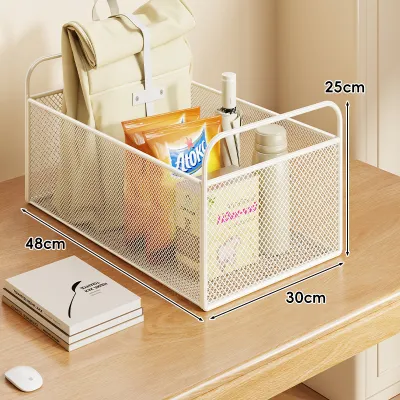
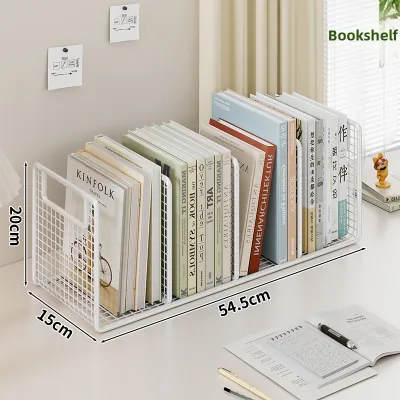
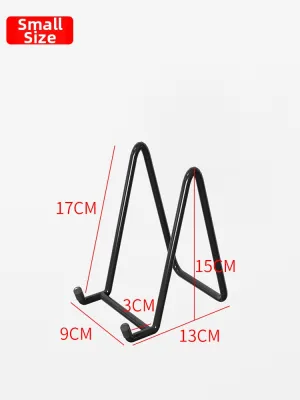
Prices are valid at publication and may change. Please refer to the product page for the latest price.
Height and Reach
Independence is built on accessibility. If a child cannot reach a shelf safely, they will either ignore their books or attempt to climb the furniture to get them. The height of the storage unit must match the child’s physical reach. Generally, the top shelf should align with the child’s chest or shoulder height, allowing them to comfortably grab and return items without assistance.
Stability and Safety
Children’s furniture must withstand active, unpredictable play. Active households require storage units with a low center of gravity to minimize the risk of tipping. Rounded edges, smooth surfaces, and robust joints are essential to prevent cuts and scrapes. Any freestanding unit must be compatible with wall-anchoring systems, particularly when placed on uneven floors or in homes with energetic toddlers.
Material Durability
The tropical climate of the Philippines introduces specific challenges for furniture longevity. High relative humidity can cause low-grade engineered woods to swell, warp, or attract mold. When selecting book storage, look for materials like solid wood, high-density fiberboard (HDF) with moisture-resistant finishes, or powder-coated metal frames. Always check the manufacturer’s care instructions and material specifications to ensure the product can withstand seasonal humidity changes without degrading.
Top Types of Lagayan ng Books for Kids
Forward-Facing Display Shelves
Forward-facing display shelves, often called library-style shelves, feature shallow, tiered ledges that showcase book covers rather than their spines. This design is highly effective for infants, toddlers, and preschoolers who rely entirely on visual recognition. By presenting books like a gallery, these shelves make reading choices highly engaging and stress-free for young minds.

From a spatial perspective, forward-facing units utilize vertical wall space efficiently. They typically have a very shallow depth, often protruding only 10 to 15 centimeters from the wall. This slim profile makes them excellent choices for narrow hallways, small bedrooms, or tight play areas in typical urban condominiums.
However, because they display books cover-out, their overall storage capacity is lower than traditional deep shelves. They are best used to curate a rotating selection of current favorites rather than storing an entire multi-volume library. When purchasing, verify the weight capacity of each tier, as heavy board books can add up quickly and strain thin front retaining bars.
Low-Profile Wooden Bookcases
As children transition to primary school and begin reading longer chapter books, their storage needs shift. Low-profile wooden bookcases with two or three horizontal shelves are ideal for this stage. These units allow older kids to organize books by spine, accommodating a much larger volume of literature in a relatively compact footprint.
A well-constructed low-profile wooden bookcase sits close to the ground, keeping the overall center of gravity low. This design inherently resists tipping compared to tall, narrow adult bookshelves. It also provides a flat top surface that can double as a display area for toys, school supplies, or a reading lamp.
Before purchasing, parents should conduct thorough safety and quality checks. Inspect the unit for smooth, rounded corner finishes to prevent painful bumps. Ensure the backing panel is sturdy and securely fastened, as a flimsy back can cause the entire bookcase to wobble or lean over time. Additionally, measure the depth of the shelves to ensure they can accommodate oversized picture books or school atlases without sticking out.
Canvas and Fabric Sling Racks
For families living in rented apartments or compact spaces, heavy wooden furniture may not always be practical. Canvas and fabric sling racks offer a lightweight, flexible alternative. These units feature an A-frame or ladder-style frame made of wood or metal, supporting soft fabric pockets or hammocks that hold books at an angled, semi-forward-facing position.
The primary benefit of sling racks is their portability and soft construction. They are lightweight, easy to assemble, and simple to move from the bedroom to the living room as your daily activities change. The fabric pockets are gentle on book covers and corners, preventing the wear and tear often caused by sliding books in and out of tight wooden slots.
Despite these advantages, fabric sling racks have clear limitations. The soft pockets have strict weight limits and can sag significantly if overloaded with heavy, hardcover volumes. Overloading can also cause the frame to warp or tip. When shopping, check the frame material; powder-coated metal or sealed, treated wood is preferable in humid regions to prevent rust, splinters, or mold growth on the frame.
Rolling Storage Carts and Bins
If your child likes to read in different areas of the house, a stationary bookshelf might limit their reading time. Rolling storage carts and mobile bins serve as excellent portable reading stations. Typically featuring three tiers of deep baskets, these utility carts can hold a mix of books, coloring pads, and art supplies, moving wherever your child goes.
Mobility is highly convenient, but it requires strict safety features. Look for rolling carts equipped with reliable locking mechanisms on at least two of the wheels. Locking the wheels prevents the cart from rolling unexpectedly when a child pulls on it, reducing the risk of accidental tipping or collisions during playtime.
To maximize the efficiency of a rolling cart, use fabric bins or plastic dividers within the tiers. This prevents softcover books from slumping, bending, or getting their pages crushed by heavier items. It also allows you to separate reading materials from toys, keeping the cart organized and purposeful.
Comparing Storage Options for Your Space
Selecting the right storage solution requires balancing your child’s age, physical development, and the physical constraints of your home. A toddler in a spacious house will have vastly different needs than a grade-schooler sharing a compact room in a city apartment. Measuring your available floor space and wall clearance is a critical first step before browsing online marketplaces or visiting local furniture showrooms.
When planning your layout, consider both the physical footprint of the furniture and the clearance needed for your child to stand, bend, and pull books out safely. A shelf that blocks a doorway or sits too close to a bed can create safety hazards. Use the comparison table below to evaluate which storage type aligns best with your family’s current requirements.
| Storage Type | Best Age Group | Space Footprint | Accessibility Level | Key Limitation |
|---|---|---|---|---|
| Forward-Facing Display | 1 to 5 years | Shallow depth, wide wall profile | Very High (Covers fully visible) | Limited total book capacity |
| Low-Profile Wooden Bookcase | 6 years and up | Medium depth, compact width | High (Spines visible, easy reach) | Heavy weight, permanent placement |
| Canvas Sling Rack | 2 to 6 years | Compact, lightweight footprint | High (Angled cover-out display) | Low weight limit, fabric can sag |
| Rolling Storage Cart | All ages | Very small, highly mobile | Medium (Reach depends on cart height) | Requires active wheel locking for safety |
Ultimately, the best choice is one that adapts to your child’s current reading stage while fitting comfortably within your living space. Many families find that combining two types—such as a small forward-facing wall ledge for current favorites and a low-profile bookcase for the rest of the collection—offers the perfect balance of visibility and storage capacity.
Safety Anchoring and Climate Care for Bookshelves
Anti-Tip Anchoring
Regardless of the height or weight of your child’s bookshelf, securing it to the wall is a non-negotiable safety step. Children frequently pull on shelves or try to climb them to reach items on upper tiers. Most quality furniture manufacturers provide anti-tip hardware kits. For homes in the Philippines, which often feature concrete, hollow block, or brick walls, standard drywall screws will not suffice; you must use appropriate masonry wall plugs (commonly referred to locally as “tox”) and heavy-duty screws to ensure a secure hold. Before installing any anchoring hardware, always check the bookshelf manufacturer’s instructions and your wall type’s requirements. If instructions conflict or the wall material is unidentified, stop and consult a qualified professional builder.
Load Distribution
How you arrange books on a shelf directly affects its structural stability. Always place the heaviest volumes, such as large encyclopedias, board books, and thick binders, on the bottom shelves. This practice lowers the unit’s overall center of gravity, making it significantly harder to tip over. Lighter softcovers, coloring books, and small paperbacks should occupy the upper tiers.
Climate and Humidity Care
The tropical climate of the Philippines requires deliberate maintenance to protect both your furniture and your book collection. High humidity levels can lead to mold, warping, and termite infestations. Avoid placing bookshelves directly against damp concrete walls; instead, leave a gap of at least two to five centimeters to allow proper air circulation. Keep wooden shelves out of direct sunlight to prevent the finish from cracking, and regularly inspect fabric slings for any signs of mildew.
Routine Checks
Furniture wood naturally expands and contracts in response to seasonal changes in humidity and temperature. Over time, this movement can loosen screws and weaken joints. Parents should conduct routine maintenance checks every few months, tightening any loose hardware and verifying that wall anchors remain firmly seated. If you notice any structural wobbling or sagging that cannot be fixed by tightening screws, stop using the shelf immediately and consult a professional furniture repair service or the manufacturer.
Frequently Asked Questions (FAQ)
How tall should a bookshelf be for a toddler?
For toddlers aged one to three years, the top shelf of a bookcase should ideally not exceed 60 to 75 centimeters (about 24 to 30 inches) from the floor. This height range corresponds to the average shoulder height of a child in this age group. Keeping shelves at this level ensures that your toddler can easily see, reach, and return books independently without stretching, standing on tiptoes, or attempting to climb the unit, which minimizes the risk of accidents.
Can I use regular adult bookshelves for kids' books?
You can use adult bookshelves, but you must take strict safety precautions. Never allow young children to access the upper shelves of a tall bookcase, as this presents a severe climbing and tip-over hazard. If you must repurpose a tall unit, anchor it securely to the wall, place the child’s books exclusively on the lowest shelves, and use the upper shelves for decorative items or adult storage out of their reach. Additionally, because adult shelves are deep, small children’s books can easily slide to the back and get lost; using shallow storage bins or forward-facing inserts on the lower shelves can help keep their books visible and accessible.
Community discussion
Share your experience or ask a question. Comments are reviewed before publication.