
Maximizing limited square footage is a primary challenge when furnishing modern homes, especially in high-density urban areas. Selecting a high-quality bunk bed with desk space is one of the most effective ways to optimize tight quarters, allowing you to combine comfortable sleeping quarters and a dedicated workstation within a single, vertical footprint. This integrated approach is particularly valuable for compact bedrooms and studio condominiums where every square meter counts.
By elevating the sleeping area, these multifunctional furniture pieces reclaim valuable floor space that would otherwise be occupied by a traditional bed frame. This design not only creates a highly organized study or work zone but also preserves precious room for movement, storage, and other essential furniture. Whether you are outfitting a student’s room, a shared sibling space, or a compact home office, understanding the key configurations and structural requirements will help you make an informed decision.
Maximize Floor Space: The Benefits of Integrated Bunk and Desk Designs
Urban living in major Philippine cities like Metro Manila, Cebu, and Davao has popularized compact studio and one-bedroom condominium units, which often range from 18 to 30 square meters. In such tight quarters, traditional furniture layouts can quickly make a room feel cramped and restrict daily movement. Utilizing vertical space is the most practical strategy to maintain a comfortable, open living environment without sacrificing essential functionalities.
Products mentioned in this guide
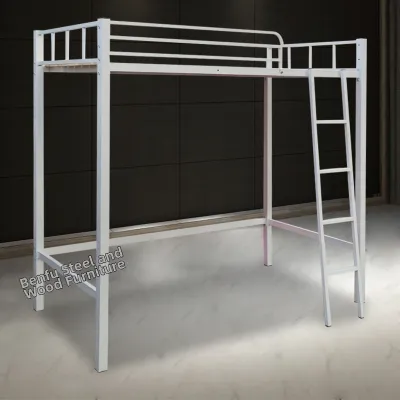
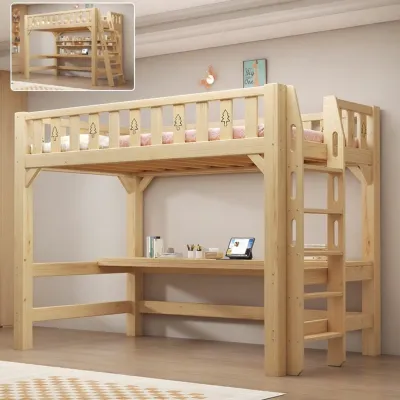
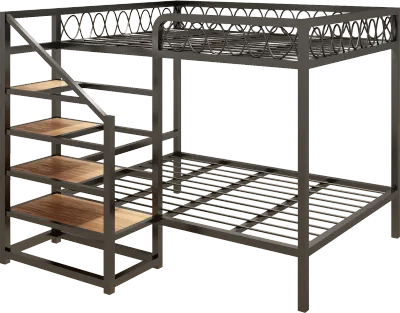
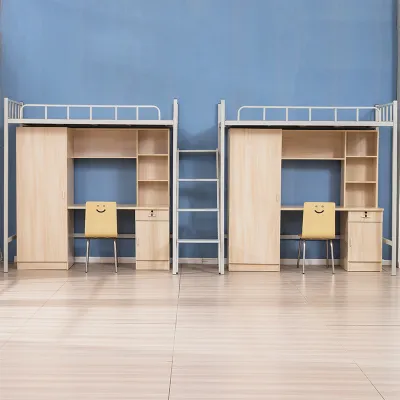
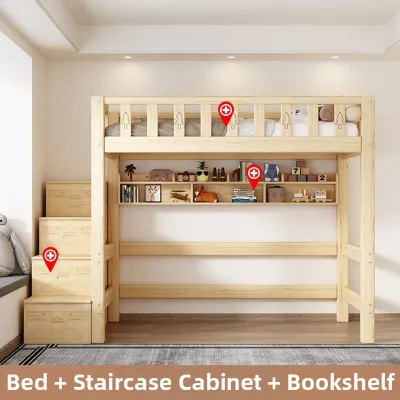
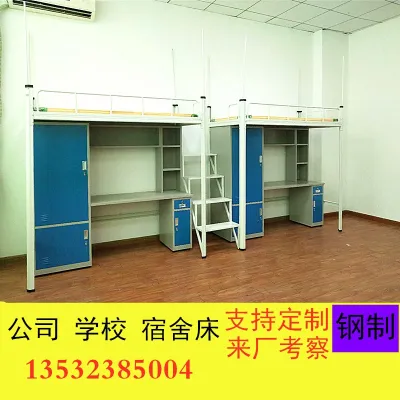
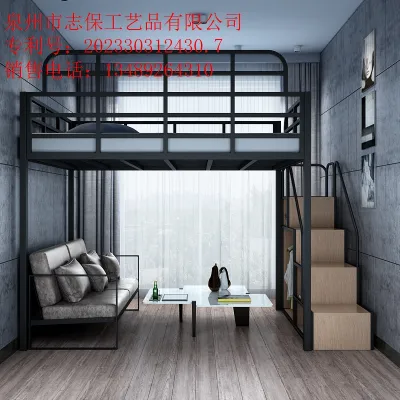
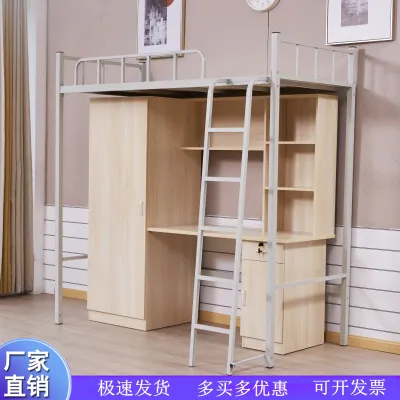
Prices are valid at publication and may change. Please refer to the product page for the latest price.
An integrated bunk and desk setup establishes a clear physical boundary between rest and work, which is vital for maintaining healthy daily routines. Working or studying directly on a mattress can disrupt sleep hygiene and lower productivity levels over time. By placing a dedicated desk surface directly beneath an elevated bed frame, you create a distinct, focused micro-office that helps your brain separate working hours from resting hours.
These dual-purpose configurations are highly beneficial for a variety of users, including college students living near university belts, remote BPO professionals, and siblings sharing a compact bedroom. They allow each occupant to have a private, organized workspace without the need for a separate study room. Additionally, a single, cohesive furniture unit reduces visual clutter, making a small bedroom look intentionally styled, clean, and spacious.
What to Check Before Buying: Dimensions, Ergonomics, and Safety
Dimensions and Clearance
Before purchasing any elevated bed, you must carefully measure your room’s floor-to-ceiling height. Many modern condominiums in the Philippines feature standard ceiling heights ranging from 2.4 to 2.7 meters. To ensure the top sleeper can sit up comfortably without bumping their head, aim for a minimum clearance of 75 to 90 centimeters between the top of the mattress and the ceiling.

In addition to vertical clearance, calculate the total floor footprint of the unit when fully assembled. Do not just measure the length and width of the bed frame; you must also account for the ladder’s projection into the room, especially if it is an angled ladder. Ensure there is sufficient clearance to pull out a desk chair fully and walk past the bed without hitting other furniture or blocking wardrobe doors.
Desk Ergonomics
To ensure a comfortable working posture during long study or work sessions, verify the physical dimensions and ergonomics of the integrated desk. The desk surface should have a minimum depth of 50 to 60 centimeters to comfortably accommodate a laptop, external keyboard, and reference materials. Check that the vertical clearance from the floor to the underside of the desk is at least 70 to 75 centimeters to provide ample legroom.
You must also plan for chair clearance within the compact layout. Choose a desk chair that can slide completely underneath the desk surface when not in use, keeping the surrounding pathways clear. In exceptionally tight bedrooms, consider using a high-quality folding chair or a sleek stool that can be tucked away easily to maximize floor space during non-working hours.
Material and Frame Stability
The choice of frame material directly impacts the durability, stability, and maintenance of your furniture in a tropical climate. Solid local hardwoods, such as mahogany or gmelina, offer excellent structural integrity and naturally resist the high humidity levels common in the Philippines. If you opt for engineered wood like MDF or particle board, verify that the panels feature high-quality, moisture-resistant edge banding to prevent warping or swelling over time.
Always check the manufacturer’s official weight capacity labels for both the bed frame and the desk surface before buying. A safe loft or bunk bed should have a top bunk weight capacity of at least 90 to 100 kilograms to accommodate growing teenagers or adults. Additionally, ensure the desk surface is rated to support the weight of computer monitors, books, and other work essentials without sagging.
Safety Features
Safety is paramount when dealing with elevated sleeping platforms, making robust protective features non-negotiable. Ensure the top bunk is equipped with continuous guardrails that extend at least 12 to 15 centimeters above the top of the mattress to prevent accidental falls. Avoid using excessively thick mattresses on the top bunk, as they reduce the effective height and safety of the guardrails.
Inspect the ladder attachment to ensure it is firmly bolted to the main frame rather than simply hooked over the side. The ladder steps should be wide and slip-resistant to ensure safe climbing, especially during nighttime. Because tall, top-heavy furniture poses a tip-over risk, always check if the manufacturer includes an anti-tip anchoring kit to secure the frame firmly to the wall.
Best Bunk Bed with Desk Space Configurations for Compact Rooms and Condo Units
Loft Beds with Full-Size Desks Underneath
A single-sleeper loft bed with a full-size desk underneath is the ultimate setup for solo occupants who require maximum, uninterrupted workspace. This configuration is highly popular among university students and remote professionals renting studio apartments. By elevating the bed, the entire length of the frame—typically around 190 centimeters—is dedicated to a spacious desk that can easily accommodate dual monitors, reference books, and office organizers.
Because the desk is positioned directly under the sleeping platform, this configuration requires careful attention to lighting and headroom. You will need to install under-bed LED strip lights or a slim desk lamp to eliminate shadows and create a bright, comfortable working environment. Ensure your room’s ceiling is high enough so that sitting at the desk does not feel cramped or claustrophobic.
When choosing a full-size loft desk, pay close attention to the ladder and guardrail placement. A ladder that climbs up the front of the frame can block access to portions of the desk or restrict your chair’s movement. Look for designs that feature side-mounted ladders or built-in climbing steps that double as storage drawers, keeping the main workspace completely unobstructed.
L-Shaped Bunk Beds with Corner Desk Integration
An L-shaped bunk bed configuration is an excellent way to utilize often-wasted corner spaces in a small bedroom. In this layout, the top bunk runs along one wall while the bottom bunk or desk extends perpendicularly, forming a clean L-shape. This setup fits snugly into the corner of the room, leaving the center of the floor open for movement or other activities.
The perpendicular design naturally allows for a larger, L-shaped or extended desk surface alongside the lower bed or as a standalone work area. This configuration is highly beneficial for creative professionals, students, or hobbyists who need separate zones for computer work and physical tasks like sketching, crafting, or reading. It provides a generous amount of workspace without making the room feel crowded.
However, keep in mind that L-shaped configurations have a wider overall footprint than traditional linear bunk beds. You must carefully measure your bedroom’s floor plan to ensure the perpendicular extension does not block built-in wardrobe doors, windows, or the main entryway. This layout works best in square-shaped bedrooms rather than narrow, rectangular layouts.
Twin-Over-Twin Bunks with Pull-Out or Fold-Down Desks
For siblings sharing a compact bedroom, a traditional twin-over-twin bunk bed that incorporates a pull-out or fold-down desk is an ideal compromise. This configuration preserves two distinct sleeping areas while providing a functional study space that can be tucked away when not in use. It is a highly practical solution for families who want to keep the center of the room clear for play and daily activities.
Because these desk surfaces are designed to fold down or slide back into the bed frame, they are typically smaller and less heavy-duty than dedicated loft desks. They are perfect for quick writing tasks, drawing, or using a laptop, but are not suitable for permanent desktop computer setups. This temporary nature makes them excellent for younger children or students with light homework loads.
When evaluating these designs, it is crucial to verify the quality of the locking mechanisms and hinge durability. Constant folding and sliding put significant stress on the moving parts of the bed frame. Look for heavy-duty metal brackets, smooth sliding tracks, and secure locking pins to ensure the desk surface remains stable and safe during use.
Room Planning, Assembly, and Safety Checklist
Pre-Purchase Measuring and Obstacle Check
Successful room planning starts with looking up, not just down. When measuring your room, identify the exact locations of ceiling fans, hanging light fixtures, and wall-mounted split-type air conditioning units. Ensure the top bunk is positioned far away from moving fan blades to prevent severe injuries, and avoid placing the bed directly in front of an air conditioner draft to keep the sleeper comfortable.
You must also check window swings and door clearances to ensure the tall bed frame does not block natural light or emergency exit routes. Keep the bed frame away from windows where children could reach blind cords or curtain strings, as these present serious strangulation hazards. Double-check that all wardrobe doors and room entryways can open fully without hitting the bed.
Assembly and Hardware Verification
Because bunk beds with built-in desks are complex, multi-jointed structures, professional assembly is highly recommended to ensure structural safety. Professional installers have the specialized tools and experience to align the frame perfectly, minimizing the risk of squeaks, wobbles, or loose joints. If you are purchasing from a local furniture retailer, inquire if they offer delivery and on-site assembly services.
If you choose to assemble the unit yourself, carefully inventory all hardware, bolts, and brackets before starting. Follow the manufacturer’s instruction manual step-by-step, and avoid using high-torque power drills which can easily strip screw holes in both wood and metal frames. After two weeks of regular use, check and re-tighten all bolts to ensure the structure remains rock-solid.
Mattress Thickness Limits
To maintain the safety of the top bunk, you must strictly adhere to the manufacturer’s maximum mattress thickness limits. If you install a mattress that is too thick, it will reduce the effective height of the guardrails, making it easier for a sleeper to roll over the edge. For most loft and bunk beds, a high-density foam mattress with a thickness of 10 to 15 centimeters is recommended.
A thinner, high-density foam mattress provides excellent support and comfort while ensuring that the guardrails maintain their protective barrier. Never stack multiple mattresses or add thick toppers to the top bunk, as this compromises the safety clearance. Always measure from the top of the mattress to the top of the guardrail to verify that at least 12 to 15 centimeters of barrier remains.
Anchoring and Placement Safety
Because loft beds and bunk beds with desks are tall and top-heavy, anchoring them securely to the wall is a vital safety step. In the Philippines, where residential and condo walls are typically constructed from concrete or concrete hollow blocks, you will need a masonry drill bit and heavy-duty wall anchors. Secure the safety brackets provided by the manufacturer directly into the wall to prevent the bed from tipping during active use or seismic activity.
Additionally, keep the area around the ladder completely clear of clutter, electrical cords, and loose toys to prevent tripping hazards. Position the desk chair so that it does not block the ladder steps, ensuring a clear and safe path for climbing up and down. Regularly inspect the wall anchors and bed joints to make sure they remain tight and secure over time.
Frequently Asked Questions (FAQ)
What is the minimum ceiling height required for a bunk bed with a desk?
A minimum ceiling height of 2.4 meters (8 feet) is generally required to safely accommodate a bunk bed with an integrated desk. This height ensures there is enough vertical clearance under the bed for a person to sit comfortably at the desk (typically requiring about 1.4 meters from the floor) while leaving at least 75 to 90 centimeters of headroom above the top mattress so the sleeper can sit upright without hitting the ceiling. Always measure your specific room height and subtract the bed’s total height to verify exact clearance before making a purchase.
Can I add a separate desk to a standard bunk bed later?
If you own a high-loft bed with an open, empty space underneath, you can easily slide a freestanding desk beneath the frame to create a workspace. However, if you have a traditional twin-over-twin bunk bed, there is physically no room to add a desk underneath without removing the bottom bed entirely. You should never drill custom holes or attach DIY desk brackets directly to the structural legs of an existing bunk bed, as this can severely weaken the load-bearing posts, void the manufacturer’s warranty, and compromise overall safety.
Are metal or wood frames better for small condo bedrooms?
Both materials offer distinct advantages depending on your spatial needs, aesthetic preferences, and budget. Metal frames feature thin, minimalist profiles that allow light to pass through, making small condo bedrooms feel visually larger and less cluttered, and they are lighter to transport up tight condo elevators. Solid wood frames, while visually heavier, offer superior sturdiness, natural warmth, and are less prone to squeaking or wobbling over time, provided they are treated with high-quality finishes to withstand tropical humidity. Rather than relying solely on the material name, always inspect the joint construction, support brackets, and official weight limits of the specific model.
Community discussion
Share your experience or ask a question. Comments are reviewed before publication.