
For a small breakfast nook, the optimal c shaped table size is one that features a tabletop measuring at least 50 to 60 centimeters in length, 35 to 40 centimeters in width, and a height of 70 to 76 centimeters (28 to 30 inches). This specific sizing provides just enough surface area for a standard dinner plate, cutlery, and a beverage while aligning perfectly with standard dining chair heights. Because these tables rely on a cantilevered design, selecting the correct dimensions ensures the base can slide smoothly under your seating, maximizing floor space in compact urban apartments or cozy kitchen corners.
Evaluating the C-Shaped Table for Small Dining Spaces
Integrating a c shaped table into a compact dining area is an excellent way to reclaim valuable floor space, particularly in modern Philippine condominiums where every square meter counts. These specialized tables are uniquely designed to slide over the edge of a sofa, armchair, or built-in bench, bringing the dining surface directly to you. They excel in casual, single-person dining scenarios, quick morning coffee routines, or as a temporary laptop workstation during remote work hours. Additionally, they serve as a highly functional auxiliary surface next to a primary dining setup to hold serving platters or teapots.
When compared to other space-saving furniture, the c shaped table offers distinct advantages and trade-offs. A drop-leaf table or a wall-mounted folding table provides a larger dining area when fully extended, but they require permanent wall installation or a dedicated swing radius to operate. Bistro sets offer a classic, charming look but occupy a fixed footprint that cannot be easily tucked away when not in use. In contrast, the C-table boasts unmatched mobility, allowing you to slide it completely out of the way or move it between rooms as your daily needs shift.
Products mentioned in this guide

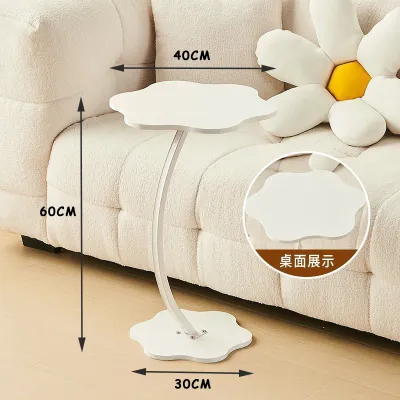
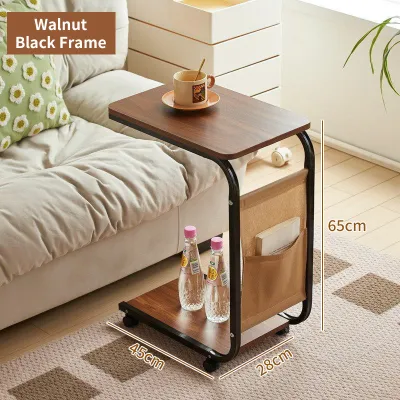
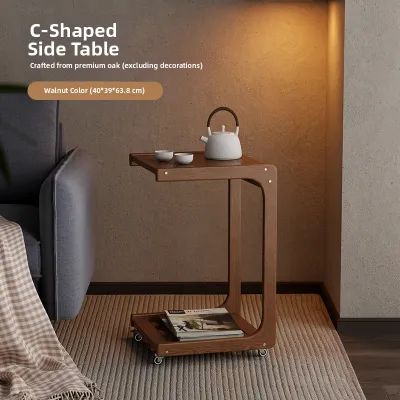
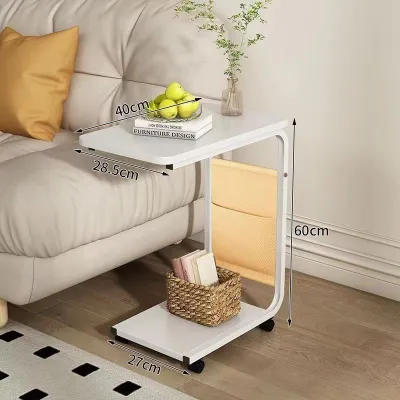
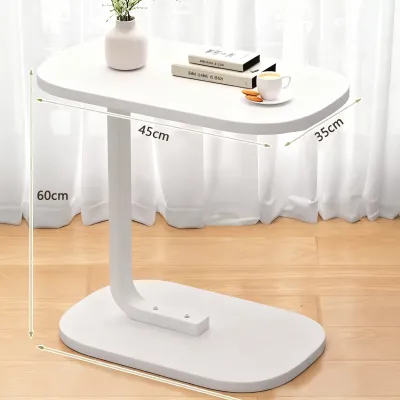
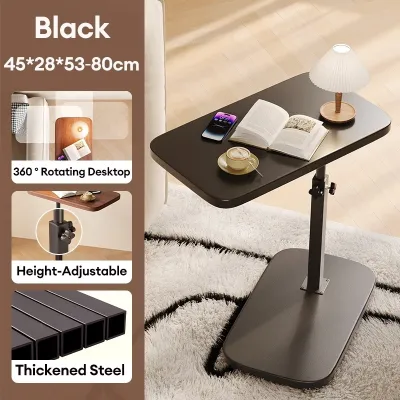
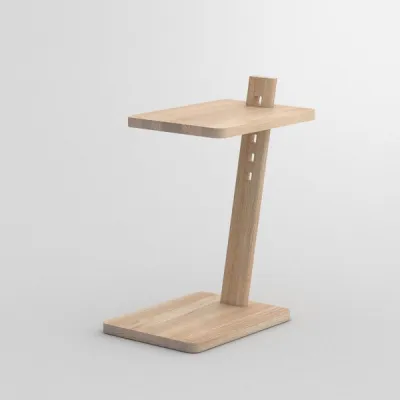
Prices are valid at publication and may change. Please refer to the product page for the latest price.
However, it is important to recognize the inherent limitations of this design before committing to a purchase. Because a c shaped table relies on a single side support arm rather than four corner legs, it possesses a lower weight capacity and less structural stability than a traditional table. It is not built to support heavy serving dishes, large kitchen appliances, or the weight of someone leaning heavily on the outer edge. Understanding these structural boundaries helps you decide if this minimalist piece aligns with your daily dining habits or if a sturdier alternative is required.
Recommended C-Shaped Table Dimensions for Dining
Selecting a c shaped table specifically for dining requires a different set of dimensions than choosing one to hold a TV remote or a cup of tea in the living room. Standard living room side tables are often too low and possess surfaces too narrow to accommodate a proper meal. To ensure a comfortable dining experience, you must carefully evaluate both the tabletop surface area and the vertical clearance of the frame. In the local market, high-quality dining-optimized C-tables typically range from ₱1,500 to ₱5,000, depending on the sturdiness of the metal frame and the quality of the tabletop material.

Tabletop Surface Area
Most standard C-tables found in general furniture stores feature small, square tops measuring roughly 30 by 30 centimeters. While sufficient for a beverage, these dimensions are entirely inadequate for a complete breakfast, lunch, or dinner. For comfortable dining, you should seek out oversized or dining-optimized C-tables that offer a minimum length of 50 to 60 centimeters and a width of at least 35 to 40 centimeters.
This expanded surface area is necessary to arrange a standard dinner plate, which typically measures 25 to 28 centimeters in diameter, alongside cutlery, a napkin, and a drinking glass. Before finalizing your purchase, it is highly recommended to measure your largest everyday plates and bowls. Lay them out on a counter within a taped-off rectangle matching the prospective table’s dimensions to visually confirm that your dinnerware will fit comfortably without sliding off the edges.
Height and Base Clearance
The vertical dimensions of your c shaped table must align harmoniously with your existing seating to prevent an awkward, uncomfortable posture. Standard dining chairs and built-in breakfast benches typically feature a seat height of 43 to 48 centimeters (17 to 19 inches), requiring a table height of 70 to 76 centimeters (28 to 30 inches) to maintain a comfortable gap for your legs. If the table is too low, you will find yourself hunching over your meals; if it is too high, reaching for your food will strain your shoulders.
Beyond the overall height, the thickness of the table’s bottom base is a critical factor that determines whether the unit can physically function in your space. The bottom support frame must be slim enough—ideally under 5 centimeters (2 inches)—to slide effortlessly beneath the legs of your chairs or the toe-kick area of a built-in nook bench. If your seating has low-clearance horizontal stretchers or a solid wooden base that sits flush with the floor, a C-table will not be able to slide over the seat, defeating its primary space-saving purpose.
Always measure the vertical clearance under your specific dining chairs, sofa frame, or bench before shopping. Take note of any low-hanging support bars or decorative trim that might block the table’s base. Additionally, consider the local climate; in high-humidity regions like the Philippines, ensuring a small gap between the bottom metal frame and the floor can help prevent moisture trapping, which can lead to rust on metal bases or mold on wooden floors.
Seating Capacity and Space-Saving Layouts
A c shaped table is designed with intimacy and minimalism in mind, making it ideal for solo dwellers or couples. The realistic seating capacity of a single table is strictly limited to one person. Attempting to crowd two people around a single standard C-table will result in bumped elbows, overlapping plates, and an incredibly cramped dining experience.
If you need to accommodate two people regularly within a small breakfast nook, a highly effective layout strategy is to utilize two matching C-tables. Placing these tables side-by-side creates a unified, wider dining surface for a couple during meals. Once breakfast is finished, the tables can be easily separated and moved to different corners of the room or tucked away, instantly freeing up floor space for daily foot traffic.
To maximize the efficiency of this layout, pair your tables with space-saving seating options that can be completely concealed when not in use. Backless wooden or metal stools can slide entirely underneath the table frame or a nearby counter, keeping walkways clear. Alternatively, slim-profile dining chairs without armrests or a custom built-in bench with lift-up storage can provide comfortable seating without adding visual clutter to your small kitchen nook.
Measuring Your Nook for a Perfect Fit
To ensure your new furniture integrates seamlessly into your home, you must measure your breakfast nook with absolute precision. Begin by calculating the “slide-in” footprint of the c shaped table. This involves measuring both the maximum projection of the tabletop overhang and the exact floor area occupied by the bottom base, ensuring that the base does not collide with wall outlets, baseboards, or chair legs when pushed inward.
Walkway clearance is another vital factor that dictates how comfortable your breakfast nook will feel during daily use. As a general rule of interior design, you should maintain a clear traffic lane of 60 to 90 centimeters (24 to 36 inches) around the dining area. This space allows household members to walk past the nook comfortably without needing to squeeze sideways or ask the seated diner to move.
Finally, inspect the physical space for often-overlooked obstructions that could interfere with the table’s placement. Thick, decorative baseboards can prevent the vertical support bar of the C-table from sitting flush against the wall, reducing the amount of usable overhang. Uneven tile flooring or floor-level electrical outlets can also destabilize the base or block it entirely. In tropical climates, avoid placing the table base directly over floor-mounted ventilation grilles or damp-prone wall sections to protect the structural integrity of both your home and your furniture.
Common Sizing and Stability Mistakes to Avoid
One of the most frequent mistakes buyers make is overloading the cantilevered tabletop of a c shaped table. Because the surface is supported on only one side, placing heavy items—such as large ceramic serving bowls, heavy cast-iron cookware, or bulky kitchen appliances—on the outer edge can easily cause the table to tip forward. This poses a significant risk of spills, broken dinnerware, or injury, particularly if children or pets are nearby.
To mitigate this risk, always verify the manufacturer’s stated weight capacity before making a purchase, and look for models that feature a weighted metal base or integrated anti-tip levelers. These features provide essential counterweight, ensuring the table remains stable even when you apply light pressure while cutting food. Additionally, prioritize high-quality welded joints over simple screw-together connections, as the constant leverage applied to a cantilevered frame can cause cheap joints to loosen and wobble over time.
Another common error is selecting a tabletop that is too narrow out of a desire to save as much space as possible. While a 25-centimeter-wide table might seem appealing on paper, it leaves virtually no room for a plate and a glass to sit safely side-by-side. This results in a frustrating dining experience where you must constantly balance your items. Choosing a slightly wider, dining-optimized model ensures long-term comfort and utility without significantly impacting your nook’s overall footprint.
Frequently Asked Questions (FAQ)
Can a C-shaped table replace a traditional dining table?
A c shaped table can successfully replace a traditional dining table for a single individual or a couple living in a compact studio apartment or condominium. However, it is not a viable replacement for a family home or for those who frequently host guests. Its inherent structural limitations, limited surface area, and maximum seating capacity of one to two people make it unsuitable for multi-course meals, large serving platters, or group entertaining.
How do I prevent a C-shaped table from tipping over?
To prevent tipping, always place heavier items, such as teapots or large bowls, closer to the supported side of the table rather than on the cantilevered edge. Ensure that the bottom base is slid as far as possible under your sofa, chair, or bench, as the weight of the seating and the user’s legs can act as a natural counterbalance. Finally, strictly adhere to the manufacturer’s recommended weight limits and ensure the table is placed on a completely flat, level floor surface.
Community discussion
Share your experience or ask a question. Comments are reviewed before publication.