
Quick Answer: Which Organizer Fits Your Buffet Cabinet?
Selecting the ideal cabinet organizer storage for a buffet display cabinet depends entirely on the layout of your furniture and how you intend to use each section. Because buffet cabinets typically feature a mix of visible display areas and deep, concealed compartments, a single organizer type rarely suffices for the entire unit. Matching the specific storage task to the correct organizer design maximizes both space efficiency and visual appeal.
To find the right system for your home, apply this straightforward decision framework:
- Choose pull-out trays if you need to store and access heavy dinnerware sets, large serving platters, or small kitchen appliances in deep lower cabinets without bending down or blindly reaching into dark corners.
- Choose tiered shelves if you want to showcase fine glassware, teacups, or collectibles in the upper glass-door display section, ensuring every item remains visible and well-lit.
- Choose dividers if you prefer to store plates, chargers, or cutting boards vertically to prevent chipping, or if you need to keep folded table linens and runners neatly separated.
- Choose baskets if you need to corral loose, lightweight accessories such as coasters, napkin rings, tea selections, or casual dining supplies in one place.
Before purchasing any hardware-mounted organizers, verify whether your buffet cabinet has fixed or adjustable shelves, check for internal door hinges that might block sliding paths, and confirm the manufacturer’s recommended weight limits for each shelf.
Products mentioned in this guide
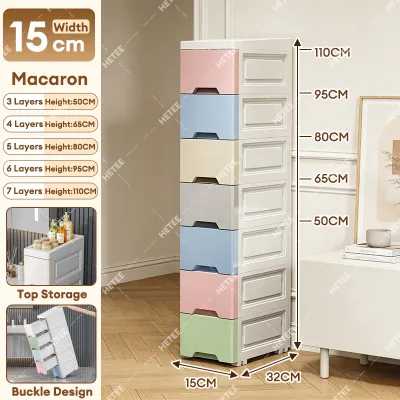
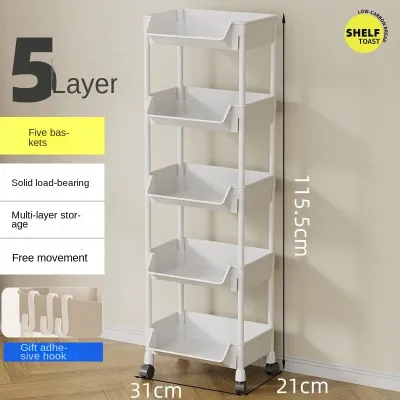
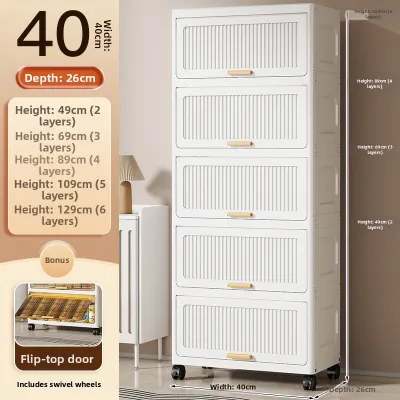
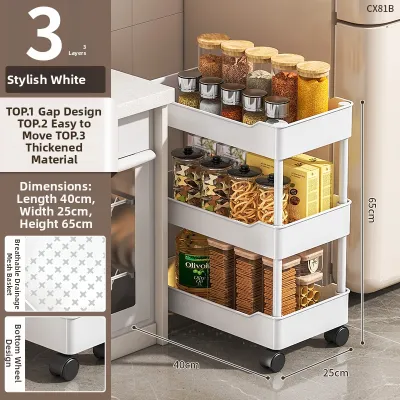
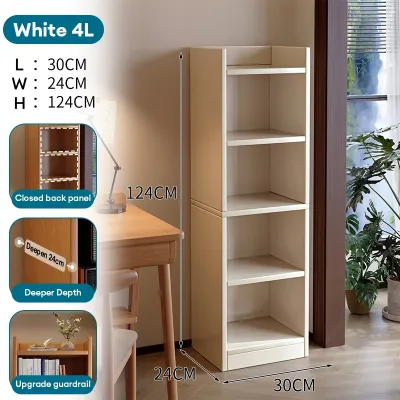
Prices are valid at publication and may change. Please refer to the product page for the latest price.
Understanding Buffet Display Cabinet Storage Needs
Buffet display cabinets are unique furniture pieces that serve a dual purpose in the home. The upper section is typically designed for presentation, featuring glass doors, open shelving, or integrated accent lighting to highlight heirloom china, crystal glassware, and decorative accents. In contrast, the lower section is built for heavy-duty, concealed storage, offering deep wooden cabinets and drawers to house bulky serving bowls, seasonal platters, and table linens. This functional split requires a thoughtful approach to organization, as organizers in the display section must look elegant and unobtrusive, while those in the lower section must focus heavily on structural strength and accessibility.

Managing these spaces presents several physical constraints. Lower buffet cabinets are notoriously deep, often measuring 45 to 60 centimeters from front to back. This depth makes it incredibly difficult to reach items stored near the rear wall, frequently resulting in forgotten or underutilized serving ware. Furthermore, many classic buffet cabinets feature fixed wooden shelves that cannot be adjusted vertically, leaving large pockets of wasted overhead space.
In tropical environments like the Philippines, high relative humidity introduces additional challenges. Poorly ventilated, deep wooden cabinets can trap moisture, creating a breeding ground for mold, mildew, and musty odors that can ruin fine linens and damage wood finishes. Therefore, any selected organizing system must not only fit the physical dimensions of the cabinet but also promote adequate airflow to protect both the furniture and your valued tableware.
Comparing the 4 Main Cabinet Organizer Types
To optimize a buffet display cabinet, you must evaluate how different organizer types perform under specific structural and environmental conditions. Each of the four primary organizer varieties offers distinct advantages and limitations depending on where they are placed and what they are designed to hold.
Pull-Out Trays: Best for Deep Cabinets and Heavy Dishware
Pull-out trays, also known as slide-out drawers or roll-out shelves, are the ultimate solution for the deep, dark lower compartments of a buffet cabinet. By mounting a flat wooden or metal tray onto ball-bearing drawer slides, this system brings the entire contents of the cabinet directly into view and reach with a gentle pull. This completely eliminates the need to kneel, stretch, or remove multiple items just to access a single serving bowl stored at the very back.
These organizers are highly recommended for heavy items such as ceramic dinnerware sets, cast iron serving pots, and small kitchen appliances. Storing these heavy objects on a pull-out tray minimizes the risk of dropping them, as you can lift them directly upward rather than pulling them forward at an awkward angle. For homes in the Philippines, opting for pull-out trays made of rust-resistant powder-coated steel or solid hardwood treated with a moisture-resistant sealant is highly beneficial.
However, pull-out trays carry notable limitations. They require permanent installation, which involves screwing slide tracks directly into the cabinet floor or existing sturdy shelves. This process can be challenging if your cabinet features delicate antique wood or thin particle board shelves that cannot support screws under dynamic loads. Additionally, the slide mechanisms, brackets, and tray walls naturally consume several centimeters of horizontal and vertical clearance, slightly reducing the total usable volume of the cabinet.
Tiered Shelves: Best for Visibility and Glassware Display
Tiered shelves, often designed like mini staircases or step-style risers, are specifically engineered to maximize vertical space in upper display cabinets. By elevating the items in the back row above those in the front, tiered shelves create clear sightlines that make every glass, teacup, or decorative figurine visible. This setup prevents the common display issue where beautiful heirloom pieces are completely hidden behind everyday glassware.
These risers are ideal for organizing delicate glassware, teacups, saucers, and small ramekins. Because they do not require physical installation, you can easily place them inside glass-fronted cabinets and arrange your items immediately. Acrylic tiered shelves are particularly popular for display areas because their transparent design allows integrated cabinet lighting to pass through unobstructed, keeping the entire display bright and airy.
Despite their visual benefits, tiered shelves are not designed for heavy or oversized items. Most step risers have narrow depths on each step, meaning they cannot accommodate wide serving bowls, large dinner plates, or tall vases. Placing excessively heavy ceramic mugs or stoneware on plastic or thin wooden risers can cause the steps to bow or sag, potentially leading to expensive breakage if the organizer tips over.
Dividers: Best for Stacking Plates and Linens
Dividers come in two primary forms: vertical slot organizers and horizontal shelf dividers. Vertical dividers act like bookends or file organizers, allowing you to stand plates, platters, chargers, and cutting boards upright rather than stacking them flat. Horizontal dividers, including tension-based shelf separators, help partition wide shelves into distinct zones to keep folded table runners, tablecloths, and cloth napkins organized in neat, vertical columns.
Using vertical dividers for plates and platters dramatically improves safety and convenience. When plates are stacked horizontally, retrieving the bottom plate requires lifting the entire heavy stack, which strains your wrists and increases the likelihood of chipping the edges. Vertical storage allows you to slide a single plate out smoothly without disturbing the rest. This method is exceptionally useful for storing delicate porcelain or hand-painted chargers that require gentle handling.
Before purchasing dividers, precise interior measurements are mandatory. Fixed-width vertical racks must fit the height of your shelf perfectly, while adjustable tension dividers rely on a tight friction fit against the top and bottom of the shelf. If your cabinet shelves are made of thin wood or are not completely level, tension dividers can slip out of place, causing your organized items to fall. Additionally, ensure that the metal or plastic prongs of the dividers are coated in a soft material, like silicone or vinyl, to prevent scratching the surfaces of your fine tableware.
Baskets: Best for Loose Items and Casual Storage
Baskets offer a highly flexible, portable, and aesthetically pleasing way to contain small, loose items that otherwise create visual clutter. Available in materials ranging from woven rattan and seagrass to metal wire and fabric, baskets can be used in both the upper display areas and the lower closed compartments of a buffet cabinet. They excel at grouping together smaller dining accessories that do not stand well on their own.
Baskets are best suited for holding cutlery wraps, fabric napkins, decorative coasters, tea bags, coffee pods, or small candle holders. In a display cabinet, a beautifully woven local rattan basket adds a warm, tropical texture that complements wooden furniture. In lower cabinets, wire baskets can be used to hold snacks, extra table linens, or cleaning cloths, keeping them organized and easy to carry directly to the dining table when hosting guests.
However, material selection is critical when using baskets in humid environments. Natural fibers like seagrass, water hyacinth, and untreated wood can trap moisture and develop mold or mildew if kept in unventilated lower cabinets. Fabric baskets are also prone to absorbing damp odors over time. On the other hand, bare metal wire baskets, while offering excellent ventilation, can scratch delicate wooden cabinet shelves or chip glassware if they are dragged across surfaces without protective rubber feet or felt liners.
Feature Comparison Matrix
To help you quickly evaluate which organizer fits your specific cabinet layout and storage goals, the table below compares the four primary options across key functional dimensions.
| Organizer Type | Best Use Case | Ideal Cabinet Section | Installation Effort | Humidity & Material Considerations |
|---|---|---|---|---|
| Pull-Out Trays | Heavy dinnerware, platters, small appliances | Lower Concealed Storage | Hardware Required (Screws & Tracks) | Choose rust-resistant metal or sealed hardwood; ensure smooth slide tracks |
| Tiered Shelves | Glassware, teacups, small collectibles | Upper Glass Display | None (Freestanding) | Acrylic or glass allows light flow; avoid overloading plastic steps |
| Dividers | Vertical plate storage, linen separation | Upper or Lower Sections | Minimal to None (Tension or Freestanding) | Ensure metal dividers have soft protective coatings to prevent scratches |
| Baskets | Coasters, napkins, tea, small loose items | Upper or Lower Sections | None (Freestanding) | Avoid untreated natural fibers in damp areas; use lined wire to prevent scratches |
How to Measure and Verify Compatibility Before Buying
To prevent the frustration of purchasing an organizer that does not fit or function correctly, you must conduct a thorough physical audit of your buffet cabinet. Because furniture dimensions, hinge designs, and material strengths vary widely, taking precise measurements is the most critical step in the selection process.
Follow this step-by-step measuring guide to ensure perfect compatibility:
- Measure the Clear Opening Width: Open your cabinet doors completely. Measure the horizontal distance of the opening at its narrowest point. Be highly alert to protruding door hinges, magnetic door catches, or the cabinet frame lip. For pull-out trays, the tray must clear these hardware pieces when sliding forward; otherwise, it will jam or scratch the inside of the doors.
- Measure the Usable Depth: Measure from the back wall of the cabinet to the inside face of the closed cabinet door. Do not measure to the outer edge of the cabinet frame. If your cabinet doors have decorative recessed panels or interior handles, they may reduce your usable depth by several centimeters.
- Measure the Vertical Clearance: Measure the height from the surface of the shelf to the underside of the shelf or frame above it. If you are planning to install tiered shelves or vertical plate dividers, ensure there is enough vertical clearance not only for the organizer itself but also for the items you plan to place on top of it, including room to lift them out safely.
Beyond dimensions, you must verify weight capacities and structural stability. Heavy ceramic plates and stone serving platters can easily weigh 10 to 15 kilograms when grouped together. Check your buffet cabinet manufacturer’s manual or documentation to find the maximum load capacity for individual shelves. If you are mounting a pull-out tray, remember that the shelf must support both the static weight of the items and the dynamic downward force applied when the heavy tray is fully extended forward.
Finally, evaluate door clearance and safety boundaries. Ensure that tiered shelves placed in display areas do not block internal spotlights or prevent glass doors from closing flush. If your buffet cabinet is a fragile antique, features thin glass shelves, or has unknown weight capacities, avoid drilling holes or adding heavy hardware-mounted organizers. In these scenarios, stick to lightweight, freestanding acrylic risers or soft fabric-lined baskets, or consult a professional furniture maker to reinforce the cabinet’s internal structure before proceeding.
Maintenance and Care for Organizers in Humid Climates
In tropical climates like the Philippines, maintaining your cabinet organizers is essential to preserve both the storage systems and your valuable tableware. High humidity can cause metal to rust, wood to warp, and natural fibers to grow mold. Implementing a regular maintenance routine keeps your buffet cabinet clean, fresh, and structurally sound.
Different materials require specific cleaning and care routines:
- Metal Wire and Steel Organizers: Wipe down metal wire baskets and pull-out tray tracks once a month with a dry microfiber cloth to remove dust and moisture. If you notice any signs of grime, clean them with a slightly damp cloth dipped in mild soapy water, then dry them immediately with a clean towel. Avoid using harsh chemical cleaners or abrasive scrubbing pads, which can strip away protective powder coatings and expose the raw metal to rust.
- Woven and Wooden Baskets: Keep natural rattan, bamboo, or wooden organizers in well-ventilated areas. If a basket feels damp, remove it from the cabinet and let it air dry in a well-ventilated room out of direct sunlight, which can warp or crack natural fibers. Check the manufacturer's care labels for specific washing instructions, and never submerge woven baskets entirely in water.
- Acrylic and Plastic Risers: Clean acrylic tiered shelves with a soft, damp cloth and a mild dish soap solution. Avoid using glass cleaners containing ammonia or alcohol, as these chemicals can cause acrylic to develop tiny cracks over time, ruining its transparent clarity.
To add an extra layer of protection, place washable silicone or non-adhesive felt liners on your buffet cabinet shelves before positioning your organizers. These liners protect the wood finish from scratches caused by moving organizers, catch any stray moisture, and prevent dust buildup in hard-to-reach corners. Additionally, placing reusable silica gel desiccant packs in the corners of deep, closed lower cabinets helps absorb excess humidity, keeping the air dry and preventing musty odors from settling on your table linens.
Frequently Asked Questions (FAQ)
Can I install pull-out trays in a buffet cabinet with fixed shelves?
Yes, you can install pull-out trays on fixed shelves, provided there is adequate vertical clearance and the shelf is structurally strong enough to support the dynamic weight of the tray when fully extended. Before drilling, check the cabinet manufacturer’s guidelines to ensure that mounting hardware will not split the wood or void your furniture warranty. If the fixed shelf is thin or made of composite wood, consider using freestanding organizers instead to avoid structural damage.
Are wire baskets safe for storing delicate glassware?
Bare metal wire baskets are generally not recommended for delicate glassware, as the hard metal surface can easily scratch, chip, or crack fragile glass and crystal. If you prefer the look or ventilation of wire baskets, choose options that feature a soft plastic or silicone coating, or add a fabric liner to the bottom of the basket. For high-end glassware display, freestanding acrylic tiered shelves are a much safer and more visually appealing choice.
Community discussion
Share your experience or ask a question. Comments are reviewed before publication.