
Organizing a home office study in the Philippines requires a strategic approach to storage, especially when dealing with limited space and high tropical humidity. The best cabinet shelf organizers are those that maximize vertical space, resist moisture-induced wear, and accommodate the specific weights of your books, documents, and digital devices. By introducing targeted organization systems like adjustable metal risers, stackable file boxes, and modular acrylic bins, you can transform cluttered shelves into highly efficient workstations.
Selecting the right organizers involves understanding your cabinet’s physical limits and the environmental factors unique to tropical climates. High humidity can warp untreated wood, rust unprotected metals, and encourage mold growth on paper files. Therefore, choosing organizers with the correct finishes and materials is just as important as measuring your physical space. This guide will walk you through the essential selection criteria, the top organizer types for home studies, and practical maintenance tips to keep your workspace orderly and durable.
How to Choose the Right Cabinet Shelf Organizer for Your Study
Before purchasing any organizers, taking accurate measurements and evaluating your storage needs will save you from the frustration of buying items that do not fit or fail under pressure.
Products mentioned in this guide
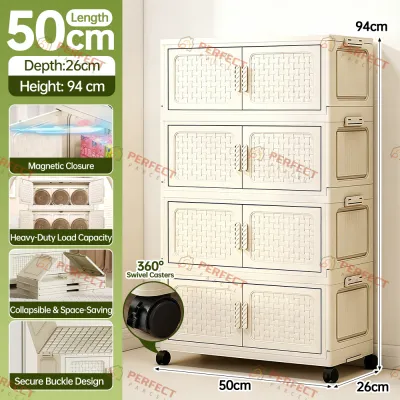
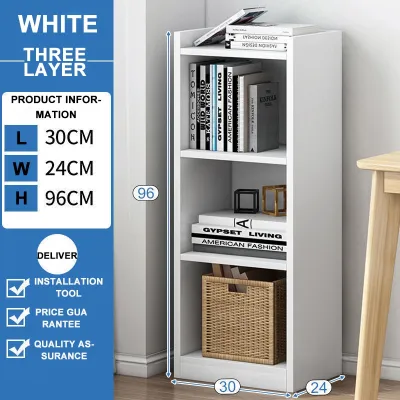
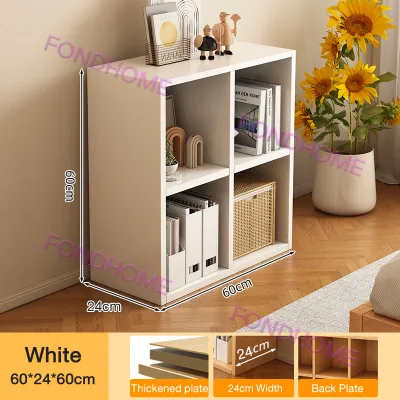
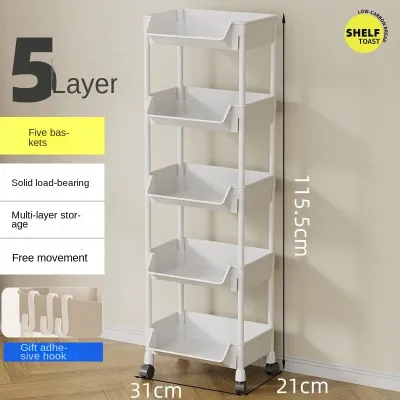
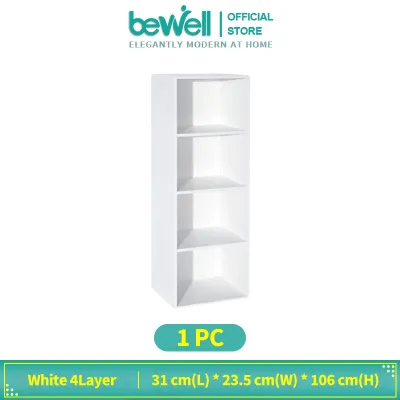
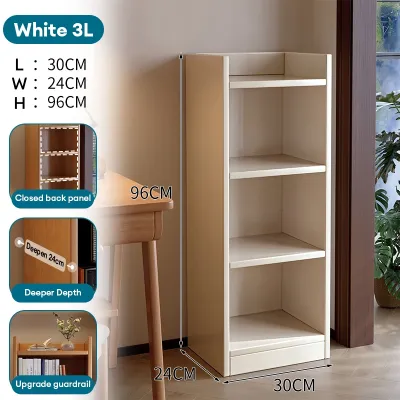
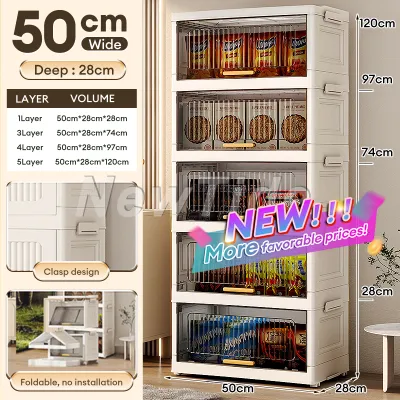
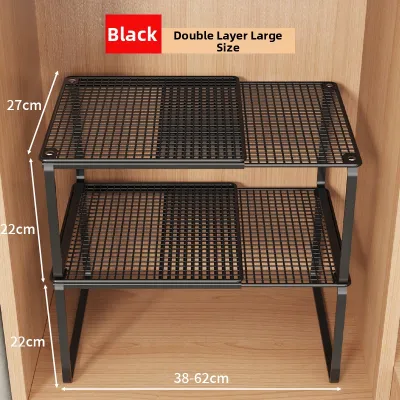
Prices are valid at publication and may change. Please refer to the product page for the latest price.
Measuring Interior Dimensions
Accurately measuring your cabinet’s interior is the critical first step in planning your organization system. Start by measuring the interior width at three different points: the front opening, the middle, and the back panel. Wood and laminate cabinets can sometimes bow or warp slightly over time, so always use the smallest of these three measurements to ensure your organizer will slide in smoothly. Next, measure the depth from the inside back panel to the inner edge of the closed door. Be highly alert to protruding door hinges, magnetic catches, decorative inner lips, or sliding door tracks, as these hardware components can easily block slide-out drawers or wide risers. Finally, measure the vertical height of each shelf space, keeping in mind any top lips or structural frames that might restrict how high you can lift items when placing them inside.
Assessing Weight Capacity Needs
The items you store in a home office vary greatly in weight, and matching them to the correct structural support is essential for safety. Heavy items such as college textbooks, thick reference manuals, legal binders, or small printers exert significant downward force. For these heavy loads, you must check the manufacturer’s specified weight capacity label on the product packaging rather than relying on how thick or sturdy the shelf riser looks in photos. Conversely, lightweight items like spare printer paper, envelopes, sticky notes, and stationery can be safely stored on lighter plastic or acrylic trays. Placing heavy items on under-rated organizers will lead to sagging, structural failure, and potential damage to your existing cabinet shelves.
Material and Finish Checks for Humid Climates
The tropical climate in the Philippines presents unique challenges for furniture and storage accessories due to sustained high humidity. When choosing metal organizers, avoid bare or poorly treated iron and steel, which can oxidize and rust within a single rainy season. Instead, look for metals with thick, durable powder coatings, chrome plating, or stainless steel construction, and inspect the joints for any chipped or exposed metal. If you prefer the natural look of wood or bamboo, ensure the surface is fully sealed with a water-resistant polyurethane or clear lacquer finish to prevent warping, cracking, and mold growth. For plastic organizers, opt for high-density polyethylene (HDPE), polystyrene, or thick acrylic, as these materials do not absorb moisture, are easy to sanitize, and resist fungal spores.
Identifying the Primary Storage Target
A common organizing mistake is buying a uniform set of matching bins and trying to force all your office supplies into them. To avoid this, categorize your clutter before shopping. Group your items into heavy reference materials (books and binders), active paperwork (contracts, bills, and loose documents), and small tech accessories (cables, chargers, USB drives, and pens). Each category requires a distinct storage style. Heavy books need open, accessible risers; papers require vertical, protective boxes; and small accessories need divided, shallow drawers. By matching the organizer type to the specific physical characteristics of your items, you maximize space efficiency and keep your study highly functional.
Top Cabinet Shelf Organizer Types for Books, Files, and Supplies
Different storage challenges require specialized solutions. Understanding the strengths and limits of each organizer type will help you build a balanced system.

Adjustable Metal Shelf Risers for Heavy Books and Binders
Ideal Use Case
Adjustable metal shelf risers are designed to solve the problem of wasted vertical space on deep, tall cabinet shelves. In a home office, these risers act as an elevated platform, essentially creating a second shelf within your existing cabinet. They are highly effective for elevating heavy reference manuals, law books, or accounting binders, allowing you to store a second layer of books or lower-profile items underneath. This double-layer system keeps your most important reference materials visible and within arm’s reach without cluttering your desk.
Key Features to Check
When shopping for metal risers, look for models that feature adjustable width mechanisms. This allows you to expand or contract the frame to fit the exact dimensions of your cabinet shelf, maximizing horizontal coverage. It is also crucial to choose risers with rubberized or silicone anti-slip foot pads. These pads protect the polished laminate or wood veneer of your cabinet from scratches and provide vital lateral stability, preventing the riser from sliding when you pull a heavy book from the shelf. Look for reinforced crossbars welded underneath the main platform, as these provide the structural integrity needed to prevent the center from bowing under heavy loads.
Limitations and Safety
While metal risers are exceptionally strong, wire-grid or mesh-style platforms can be problematic. Small items, thin paperbacks, or loose office tools can easily slip through the gaps or stand unevenly, causing them to tip over. If you plan to store a variety of item sizes, choose risers with solid metal sheets or very closely spaced flat bars. Always verify the maximum weight capacity printed on the product packaging. Overloading a metal riser beyond its rated limit can cause the legs to buckle, potentially damaging both your stored books and the cabinet shelf below.
Stackable Plastic File Boxes for Document Sorting
Ideal Use Case
Loose papers, active project files, and magazines tend to slump, bend, and create visual clutter when left on open shelves. Stackable plastic file boxes provide a rigid, protective vertical structure that keeps your documents upright and organized. They are particularly useful in the Philippines, where open paperwork is highly susceptible to dust, humidity, and insect damage. These boxes allow you to categorize files by project, client, or year, keeping your essential documents clean and easily retrievable.
Key Features to Check
For effective document storage, select file boxes with reinforced bases and thick, rigid walls. This structural reinforcement prevents the sides of the box from bowing outward when packed tightly with heavy paper files. The interior edges and corners of the boxes should be completely smooth to prevent paper folders from snagging or tearing during retrieval. Additionally, prioritize boxes that feature transparent front panels or integrated label slots. This allows you to identify the contents of each box instantly without needing to unstack them or open the lids.
Limitations and Safety
The main limitation of stackable storage is stability. Stackable file boxes rely on molded interlocking lips or grooves on their lids and bases to stay aligned. If you stack these boxes too high inside a deep cabinet, reaching for a heavy container at the top can cause the entire stack to shift or tip over. Ensure the plastic is high-grade and impact-resistant; cheap, brittle plastics can easily crack under the heavy, concentrated weight of dense paper files. Limit your stacks to a height that is easy to reach safely, and always place the heaviest files in the bottom box.
Slide-Out Drawer Inserts and Acrylic Bins for Small Supplies
Ideal Use Case
Deep cabinet shelves often have “dead zones” at the back where small items like charging cables, USB drives, calculators, sticky notes, and spare pens disappear. Slide-out drawer inserts and modular acrylic bins are the perfect solution for bringing these small, easily lost items to the front. They transform deep, dark cabinet corners into highly organized, accessible compartments, making it easy to maintain an inventory of your office supplies.
Key Features to Check
If you choose slide-out drawer units, pay close attention to the smoothness of the drawer glides or ball-bearing tracks. The tracks should slide effortlessly without catching, even when the drawer is fully loaded. Ensure you have measured the cabinet depth accurately so the drawer can pull out completely without hitting the cabinet door frame. For stationary bins, thick acrylic is highly recommended. Acrylic offers crystal-clear visibility, allowing you to see exactly what is inside from any angle. It is also completely impervious to humidity, making it highly durable in tropical environments. Look for bins with adjustable, modular dividers so you can customize the compartment sizes as your storage needs change.
Limitations and Safety
Slide-out drawer inserts require precise installation and depth clearance. If your cabinet is even slightly too shallow, the drawer tracks will prevent the cabinet doors from closing properly. Acrylic, while beautiful and clear, is susceptible to scratching. Avoid throwing heavy metal tools, loose keys, or sharp scissors directly into acrylic bins. To maintain their pristine appearance, consider placing soft felt or silicone liners at the bottom of the compartments to cushion your items and protect the plastic from scratches.
Quick Comparison: Matching Organizer Types to Your Storage Needs
To help you quickly identify the best solution for your study, the table below matches common organizer categories with their ideal uses, weight capacities, and climate considerations.
| Organizer Type | Best Used For | Weight Capacity Check | Moisture/Climate Consideration | Ideal Cabinet Depth |
|---|---|---|---|---|
| Adjustable Metal Risers | Heavy books, textbooks, and thick binders | High (Verify exact limits on product labels) | Look for powder-coated or chrome finishes | Fits standard shallow to medium shelves |
| Stackable Plastic Boxes | Loose papers, A4/Letter documents, folders | Medium (Check interlocking limits on labels) | High-density plastic resists humidity | Fits standard shallow to deep shelves |
| Slide-Out Drawers & Acrylic Bins | Small tech accessories, cables, and pens | Low (Verify track limits on product packaging) | Acrylic and thick plastics resist moisture | Requires deep clearance for tracks to open |
Setup and Maintenance Tips for Long-Lasting Cabinet Organization
To ensure your home office cabinet organization remains stable, safe, and durable over time, proper setup and regular maintenance are essential.
Strategic Placement for Stability
When arranging your newly organized cabinet, always place the heaviest items—such as metal risers loaded with reference books or dense stackable file boxes—on the lowest shelves. This keeps the cabinet’s center of gravity low. A low center of gravity is a critical safety measure, especially for freestanding wooden or steel cabinets, as it prevents them from tipping forward when you open the doors or during minor seismic activity, which is a common occurrence in the Philippines.
Airflow and Moisture Management
Overpacking your cabinets is a major cause of mold and mildew growth, particularly during the humid monsoon season in the Philippines. To protect your paper documents, books, and electronics, leave a gap of at least two to three centimeters between the back of your organizers and the cabinet’s rear panel. Avoid packing boxes tightly against each other. This small gap allows air to circulate freely, preventing stagnant, humid air pockets from forming and keeping your valuable items dry.
Routine Maintenance
Keep your storage system in excellent condition with simple, low-risk cleaning habits. Once a month, wipe down acrylic bins and metal risers with a dry or slightly damp microfiber cloth to remove dust and moisture. Avoid using harsh chemical sprays or abrasive scrubbing pads on acrylic, as these can permanently scratch or cloud the plastic. Periodically check any metal screws, joints, or slide-out tracks to ensure they remain tight and smooth, applying a tiny drop of silicone-based lubricant to the tracks if they begin to stick or squeak.
Frequently Asked Questions (FAQ)
How do I accurately measure my cabinet for a shelf organizer?
To accurately measure your cabinet, use a metal tape measure and record the width at the front, middle, and back of the shelf interior, keeping the smallest number. Measure the depth from the rear wall to the inside of the closed door, making sure to subtract the space occupied by protruding hinges, door catches, or sliding tracks. Finally, measure the height of the opening, taking note of any top lips or frames that might restrict the entry of tall organizers.
Are metal shelf organizers prone to rust in humid climates?
Yes, bare or poorly finished metal shelf organizers can rust quickly in high-humidity environments like the Philippines. To prevent oxidation, always select metal organizers that feature thick protective coatings, such as powder coating, chrome plating, or those constructed from high-grade stainless steel. If your workspace is exposed to direct sea breezes or high condensation, wipe the metal surfaces dry periodically and check the joints for any signs of paint chipping.
Can I use standard bookends inside a cabinet shelf organizer?
Standard bookends can be used effectively inside a cabinet organizer if they are placed on solid, flat surfaces like sheet-metal shelf risers or sturdy wooden inserts. However, they may slide, tilt, or catch on wire-grid risers or textured plastic surfaces. To prevent sliding, place non-slip silicone shelf liners underneath the bookends, or choose organizers that feature built-in vertical metal dividers for reliable stability.
Community discussion
Share your experience or ask a question. Comments are reviewed before publication.