
To maximize a small Philippine kitchen, the ideal cabinet for kitchen storage must prioritize vertical space, multi-functional footprints, and materials that withstand tropical humidity. In typical urban condominiums, townhouses, or traditional apartments where floor space is at a premium, a bulky cabinet can quickly choke the workflow. Choosing the right storage solution requires balancing physical dimensions with smart accessibility features like sliding doors, rolling bases, or wall-anchored frames. By focusing on smart design rather than sheer size, you can transform a cramped cooking area into an efficient, organized culinary workspace.
Assessing Your Small Kitchen Space
In many Philippine homes, kitchens are galley-style, single-wall, or compact L-shaped setups. Measuring is the critical first step before purchasing any furniture. You must measure the exact floor area, but more importantly, the vertical clearance from floor to ceiling. Take note of baseboards, floor tiles, and wall trim, which can push a freestanding cabinet several centimeters away from the wall, leaving an awkward gap or throwing off your alignment.
Walkway clearance is vital for safety and comfort. A standard kitchen walkway should ideally be at least 90 to 120 centimeters wide to allow comfortable movement. If your cabinet doors swing outward, you must add the door’s width to your clearance calculations. If a swinging door blocks the path to the refrigerator, sink, or cooking range, it creates a constant bottleneck during meal preparation.
Products mentioned in this guide
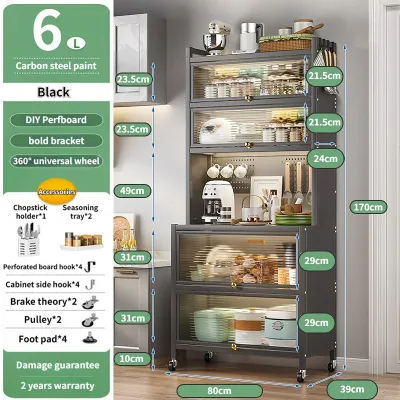
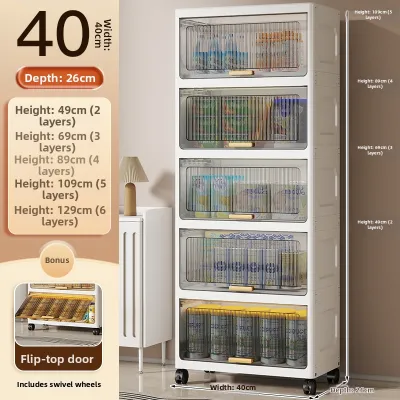
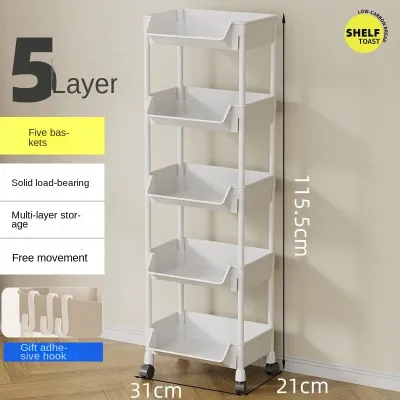
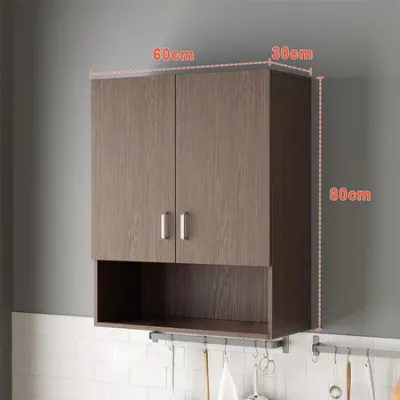
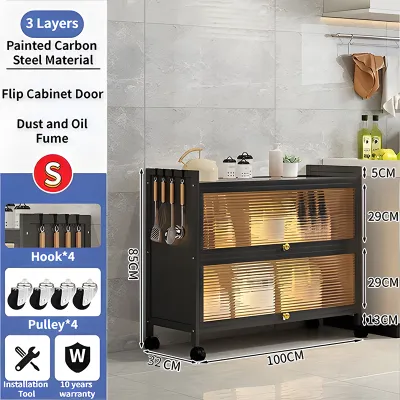
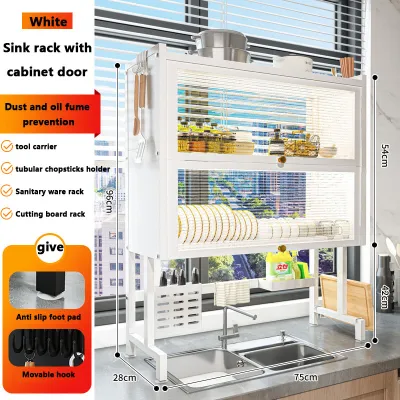
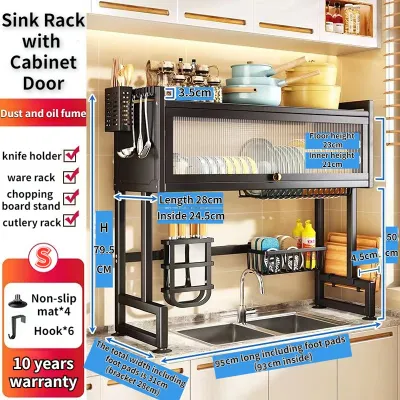
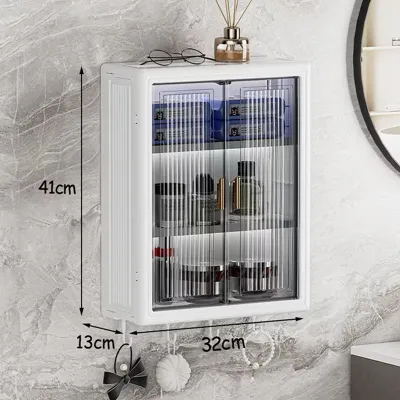
Prices are valid at publication and may change. Please refer to the product page for the latest price.
Look upward and into corners to find hidden storage opportunities. The space above the refrigerator, the area directly over the sink, and empty wall sections above the countertop are often completely ignored. These vertical zones are prime real estate for wall-mounted cabinets. Similarly, corner spaces where two countertops meet often become dead zones; identifying these areas early helps you target specialized corner storage units that utilize deep angles.
Define your primary storage bottleneck to guide your purchase. Are you struggling to store heavy cast-iron pans, rice cookers, and air fryers, or are you overflowing with dry goods, canned sardines, and condiments? Heavy cookware demands sturdy lower cabinets with high weight capacities and deep drawers. Dry goods and spices, on the other hand, are better suited for shallow wall cabinets or slim pantry pull-outs where items won’t get lost at the back of a deep shelf.
Essential Features for Compact Kitchen Cabinets
Adjustable shelving is a non-negotiable feature for small kitchens. Fixed shelves limit your storage options, forcing you to stack items inefficiently or leave large pockets of empty air. Look for cabinets with pre-drilled peg holes that let you raise or lower shelves to accommodate tall pitchers, bulk soy sauce bottles, or compact microwave ovens. This flexibility ensures that every cubic centimeter of internal space is actively utilized.

Modular inserts, such as wire baskets, pull-out trays, and pegboard backings, turn a basic cabinet shell into an organized system. These inserts allow you to categorize items vertically within a single shelf, preventing the chaotic stacking of bowls and plates that often leads to accidental chips and cracks. They also make it easier to reach items stored at the very back of the cabinet without having to remove everything in front.
Door mechanisms dictate how much physical space the cabinet consumes when open. Traditional swing doors require a clear radius in front of the cabinet, which can block narrow pathways. In tight galleys, sliding doors or tambour (roll-up) doors are far superior because they operate entirely within the cabinet’s own footprint. Pull-out drawers on full-extension glides are another excellent alternative for lower cabinets, as they bring the contents out to you, eliminating the need to bend down and peer into dark corners.
Material durability and weight capacity must be verified against the manufacturer’s specifications. In the Philippines, high relative humidity and ambient heat can severely affect furniture. Engineered woods like standard particle board or medium-density fiberboard (MDF) can swell, warp, or sag if they are not fully sealed with a moisture-resistant laminate or veneer.
Inspect the joints and edge banding of any cabinet you consider. Moisture often enters through poorly sealed edges, especially near the sink or cooking range where steam is common. Look for solid wood frames, marine plywood, or high-quality metal and plastic composites if the cabinet will be exposed to steam. Always check the manufacturer’s care label to ensure the surfaces can handle daily wiping and kitchen grease without degrading.
Best Space-Saving Cabinet Types for Small Kitchens
Not all cabinets are created equal when floor space is limited. Selecting the right configuration depends on matching your kitchen’s specific architectural layout with a cabinet design engineered to minimize footprint while maximizing volume. By choosing specialized types, you can address specific spatial challenges without cluttering your home.
Wall-Mounted and Floating Cabinets
Wall-mounted cabinets are the ultimate space-savers because they leave your floor completely clear. They are ideal for storing lightweight items, everyday plates, drinking glasses, and spices. By elevating these items, you keep your countertops clean and ready for food preparation, which is essential in compact homes.
Before purchasing or installing a wall-mounted unit, you must verify your wall’s construction. In many Philippine homes, interior walls are made of concrete hollow blocks or drywall. Concrete walls require heavy-duty masonry anchors and a hammer drill for secure installation, while drywall requires locating the wooden or metal studs. Never mount a heavy cabinet directly into drywall without stud support, as it will eventually pull free and collapse.
Placement is equally critical for safety and convenience. Ensure the bottom of the floating cabinet sits high enough above the countertop to allow for small appliances like rice cookers or blenders to operate without steam damaging the cabinet’s underside. Avoid placing them where they block natural light from windows or obstruct the swing of existing doors and walkways.
Rolling Kitchen Carts and Islands
When permanent wall or floor space is unavailable, a rolling kitchen cart offers a highly flexible alternative. These mobile units feature heavy-duty casters that allow you to wheel them to the center of the kitchen for extra prep space, and then tuck them away against a wall or in a utility closet when guests arrive.
Look for carts equipped with locking casters to ensure stability when you are chopping vegetables or mixing ingredients on the top surface. The top material should be easy to clean and sanitize, such as stainless steel or treated solid wood.
Before buying, measure the designated “parking spot” where the cart will live when not in use. Check the clearance of the lower shelves to ensure they can accommodate taller items like bulk rice containers or small ovens, maximizing the utility of this mobile storage hub.
Corner and Over-the-Sink Units
Corner spaces are notoriously difficult to utilize, often resulting in deep, dark voids where items are forgotten. Specialized corner cabinets equipped with pull-out kidney shelves or lazy Susans solve this by bringing the contents of the corner directly to the door opening, making them easily accessible.
Over-the-sink cabinets utilize the often-wasted vertical space directly above your washing area. Many of these units feature integrated dish-drying racks with drainage trays that let wet dishes drip directly into the sink, saving valuable countertop drying space.
When selecting an over-the-sink unit, measure the height of your kitchen faucet and the clearance of any nearby windows. The cabinet must not obstruct your ability to wash large pots or open the window for ventilation.
Buying Guide and Pre-Purchase Checks
Before clicking “buy” on an online marketplace or finalizing an order at a local furniture retailer, double-check all physical dimensions. Compare the cabinet’s external measurements against your home’s entryways, hallways, and elevator doors. A cabinet that fits perfectly in your kitchen is useless if it cannot pass through your front door or navigate a tight stairwell during delivery.
Account for small architectural details that are easy to overlook. Baseboards can prevent a cabinet from sitting flush against the wall, while wall outlets, light switches, and plumbing pipes must remain accessible. Ensure the cabinet does not block ventilation grilles or the path of your range hood’s exhaust.
Review the assembly requirements carefully. Many flat-pack cabinets sold online require self-assembly. Check if the package includes all necessary hardware and tools, or if you will need a drill, level, and screwdriver. For wall-mounted units, if you are not experienced with masonry drilling and anchoring, factor in the cost of hiring a professional installer to ensure safety.
Finally, read the retailer’s return policy and warranty terms. Look for warranties that cover structural defects, warping, or missing hardware. Because shipping large furniture items can be costly and logistically challenging, verifying these policies beforehand protects you from being stuck with a damaged or incompatible product.
Frequently Asked Questions (FAQ)
How do I prevent wall-mounted cabinets from sagging over time?
Preventing wall-mounted cabinets from sagging starts with proper anchoring. Always secure the cabinet’s mounting rail or brackets directly into the wall studs (for drywall) or use heavy-duty masonry sleeve anchors (for concrete walls). Avoid relying on plastic drywall plugs, which degrade under constant load.
Distribute weight logically within the cabinet. Place your heaviest items, such as ceramic bowls, heavy plates, and canned goods, on the lowest shelf closest to the wall support. Keep lightweight items like plastic containers, spices, and glassware on the upper shelves.
Perform routine maintenance checks. Every few months, inspect the brackets and screws for any signs of loosening or pulling away from the wall. Tighten the hardware immediately if you notice any play, and wipe down the cabinet surfaces to prevent moisture buildup from weakening the joints.
Are freestanding cabinets better than built-in ones for rented apartments?
Freestanding cabinets are generally the superior choice for renters because they require no permanent alterations to the property. You can easily move them when your lease ends, protecting your security deposit from damage charges associated with drilling large holes into walls.
While built-in cabinets offer a seamless, custom look, freestanding units provide excellent flexibility. You can reposition them as your needs change or use them in different rooms. Rolling carts and slim pantry towers are particularly renter-friendly because they maximize storage with a minimal footprint.
If you need additional vertical storage but cannot drill, consider non-damaging alternatives. Tension-rod shelving systems, over-the-door organizers, and freestanding wire shelving units can significantly increase your storage capacity without violating your lease agreement.
Community discussion
Share your experience or ask a question. Comments are reviewed before publication.