
Selecting the right outdoor gear requires careful consideration of local weather patterns, especially when planning trips during the wet season. In the Philippines, the southwest monsoon, or habagat, brings relentless downpours, high humidity, and muddy terrain that can quickly ruin poorly constructed gear. To ensure your gear survives these harsh conditions, choosing the right material is paramount. The best materials for camp tables that can withstand the rainy season are high-grade aluminum and high-density polyethylene (HDPE) plastics. These materials offer the highest resistance to structural rust, water absorption, and fungal decay, allowing them to endure wet conditions without collapsing or warping.
While secondary materials like treated wood or steel can be used, they require extensive maintenance to prevent degradation. A table that performs beautifully in dry, sunny weather can quickly become a liability when subjected to hours of pooling water and mud splatter. When selecting a table, always prioritize finished dimensions that fit your available vehicle space, load capacity for heavy camp stoves, structural stability on uneven ground, and ease of assembly under a sudden downpour. Understanding how different materials interact with water, humidity, and soil acidity will help you make a smart investment that lasts for many camping seasons.
How the Rainy Season Affects Camp Table Durability
The tropical rainy season presents a unique set of environmental stressors that test the structural integrity of any outdoor furniture. Constant moisture from heavy downpours is only part of the problem. Mud splatter from saturated soil clings to the lower sections of your gear, trapping moisture against the frame and joints long after the rain has stopped. Furthermore, the ambient relative humidity in the Philippines frequently exceeds 80% to 90% during the wet months, meaning that damp surfaces take much longer to dry naturally.
Products mentioned in this guide
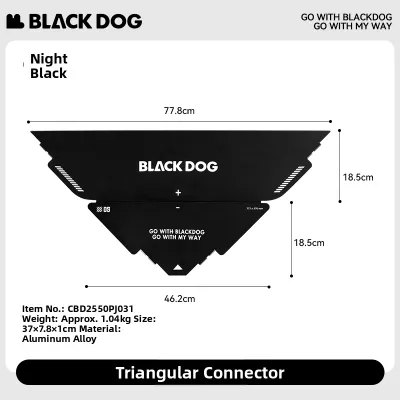
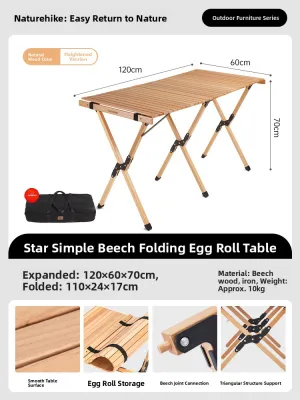
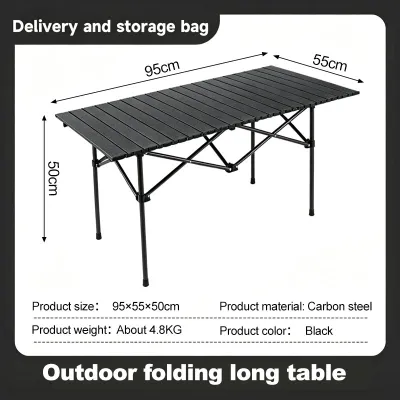
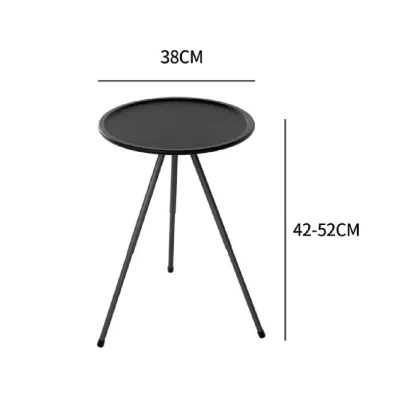
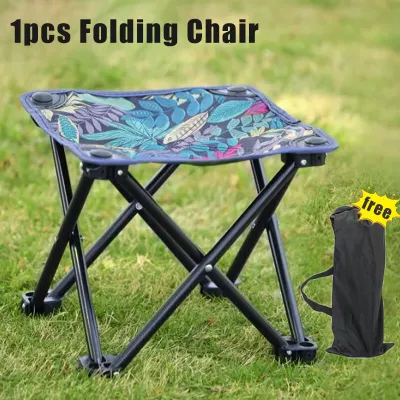
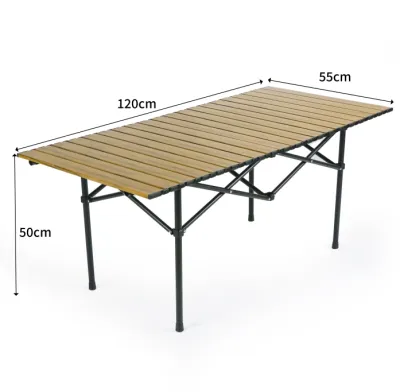
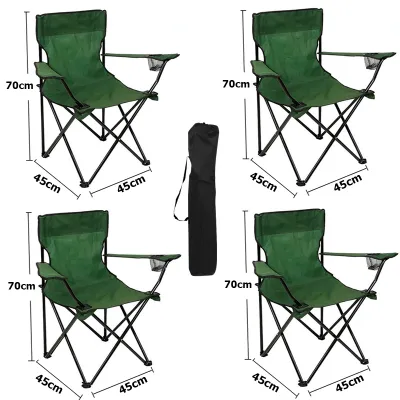
Prices are valid at publication and may change. Please refer to the product page for the latest price.
These persistent wet conditions trigger several distinct mechanisms of material degradation. In untreated or poorly coated metals, moisture acts as a catalyst for oxidation, leading to structural rust that eats through joints and support bars. For porous natural materials like wood or bamboo, water absorption causes the fibers to swell, leading to warping, splitting, and joint misalignment. Additionally, the warm, damp environment is highly conducive to fungal growth. Mold and mildew can colonize surface dirt, organic debris, and porous finishes within days, leaving unsightly stains and unpleasant odors.
No camp table is entirely maintenance-free when exposed to prolonged wet conditions. The material composition of your table dictates the level of care required both during your trip and after you return home. By selecting materials naturally suited to resist water penetration and chemical oxidation, you can significantly reduce your post-trip maintenance workload and extend the overall lifespan of your outdoor gear.
Comparing Camp Tables by Material for Moisture and Rust Resistance
To make an informed purchase, you must evaluate how different materials behave when saturated with water. Not all materials are created equal, and even highly marketed “outdoor-ready” options can fail if they lack the proper surface treatments or structural designs.

Aluminum and Coated Steel Frames
Aluminum is widely considered the gold standard for lightweight, wet-weather camp tables. This metal naturally forms a microscopic aluminum oxide layer on its surface when exposed to air, which acts as a barrier against deeper, structural rust. Even when subjected to heavy rain, an aluminum frame will not lose its structural integrity.
However, aluminum is not entirely impervious to the elements. In highly acidic clay soils or salty coastal environments, such as beach campgrounds in Zambales or Batangas, aluminum can experience surface pitting or develop a white, powdery oxidation. To prevent this, look for frames with an anodized finish, which thickens the protective oxide layer and increases scratch resistance.
Steel frames offer exceptional stability and high load capacities, making them popular for heavy-duty camp setups. However, steel is highly susceptible to rust when exposed to moisture. The wet-weather viability of a steel frame depends entirely on the quality of its protective barrier, usually in the form of a powder coating or hot-dip galvanization. Powder coating applies a dry plastic powder that is baked onto the metal to form a tough, protective skin.
When shopping for steel-framed tables, you must inspect the specifications for coating thickness and quality. Check the frame carefully for factory scratches, exposed weld joints, or raw metal edges where water can pool. Even a tiny scratch in a powder coating can allow water to reach the underlying steel, initiating rust that can spread invisibly beneath the paint and eventually cause the frame to fail.
Plastics, Resins, and Composite Tops
Polymer-based tabletops, particularly those made from High-Density Polyethylene (HDPE) or polypropylene, offer outstanding moisture resistance. These synthetic materials are entirely non-porous, meaning they cannot absorb water, swell, or rot, regardless of how long they are exposed to rain. This makes them highly practical for muddy campgrounds where tables are frequently wiped down or hosed off.
While the plastic material itself does not support mold or mildew growth, the textured surfaces common on utility tables can trap organic debris. Mud, pollen, spilled food, and leaf fragments can accumulate in these micro-textures. When combined with rainwater and tropical warmth, this trapped organic matter becomes a breeding ground for surface mold.
Before purchasing a plastic-topped table, inspect the underside and the folding seams. Many lightweight plastic tables utilize a hollow, honeycombed underside to reduce weight while maintaining rigidity. These hollow pockets can easily collect and trap rainwater, mud, and insects. If the water cannot drain or evaporate quickly, it can stagnate, leading to foul odors and localized mold colonies that are difficult to clean.
Treated Wood and Bamboo
Natural wood and bamboo tables are highly valued for their aesthetic appeal and classic camping vibe. However, these materials face severe challenges during the Philippine rainy season. Wood and bamboo are naturally hygroscopic, meaning they constantly absorb and release moisture from the surrounding air to match the ambient humidity. In a tropical monsoon climate, this continuous cycle of swelling and shrinking leads to warping, structural splitting, and loose joints.
For wood or bamboo to survive outdoor use in wet climates, they must be treated with high-quality, marine-grade sealants, varnishes, or specialized oils. These coatings create a hydrophobic barrier that prevents liquid water from penetrating the wood fibers. However, these protective layers are temporary. Foot traffic, sliding cookware, and exposure to UV rays will inevitably wear down the finish, requiring you to regularly reapply teak oil, polyurethane, or other protective sealants.
If you prefer the look of natural wood, you must be prepared for a rigorous maintenance routine. After every wet outing, the table must be completely dried in a shaded, well-ventilated area, and any scratches in the protective finish must be sealed immediately. For primary use during the rainy season, natural wood is generally not recommended unless you are willing to commit to this level of preventative care.
Hardware and Design Details That Prevent Water Damage
While the primary tabletop and frame materials are critical, the overall durability of a camp table often depends on its smallest components. The mechanical joints, fasteners, and structural edges are the areas most vulnerable to water accumulation and subsequent failure.
- Hinges and Folding Mechanisms: Folding camp tables rely on pivot points and hinges to collapse. When exposed to rain, water can easily become trapped inside these tight metal-on-metal joints. If the hardware is made from cheap, untreated steel, the trapped moisture causes rust, leading to stiff joints and eventual seizing. Look for tables that utilize stainless steel, brass, or heavily lubricated nylon bushings in their folding mechanisms to ensure smooth operation.
- Fasteners and Screws: A high-quality aluminum frame or HDPE tabletop can still fail if it is held together by low-grade fasteners. Cheap, carbon-steel screws will rust rapidly in wet conditions, leaving unsightly orange streaks and weakening structural connections. When reviewing product specifications, verify that the assembly hardware is made from rust-resistant materials like stainless steel or zinc-plated steel.
- Feet and Ground Contact: The feet of a camp table are in direct contact with wet ground, mud, and puddles. Metal legs without protective feet will sink into soft soil and pull moisture up into the hollow interior of the frame, accelerating bottom-up corrosion. Choose tables equipped with wide, adjustable, non-absorbent feet made of hard plastic or rubber. These feet prevent sinking, keep the metal frame elevated, and allow you to level the table on uneven, muddy terrain.
- Seams and Edges: Metal tables with rolled or hollow edges can trap water invisibly. When rain falls on the table, it runs off the edges and can cling to the underside, pooling inside the rolled metal lips. This trapped water is difficult to dry and causes rust to develop from the inside out. Look for tables with sealed, solid-edge designs or built-in drainage slots that allow water to run off freely.
Cleaning and Storing Your Camp Table After Wet Trips
Proper post-trip maintenance is the single most effective way to protect your camp table from long-term water damage, mold, and rust. Even the most weather-resistant materials will eventually degrade if they are packed away wet and dirty.
Immediate Post-Camp Care Before packing up your campsite, wipe down the table with a clean cloth to remove excess water and surface mud. Once you return home, give the table a thorough cleaning. Use a mild dish soap solution, warm water, and a soft-bristle brush to gently scrub away dried mud, organic debris, and food residues. Pay close attention to the underside, folding joints, and textured surfaces where dirt tends to hide. Avoid using abrasive scrubbing pads or harsh chemical cleaners, as these can scratch protective anodized finishes or strip powder coatings.
Drying Protocols The most critical step in preventing mold and rust is ensuring the table is completely dry before storage. Unfold the table completely and place it in a well-ventilated, shaded outdoor area or a dry indoor space. Avoid leaving it in direct, intense sunlight for extended periods, as extreme heat can warp certain plastics and degrade protective wood coatings. Never fold or store a damp table; trapping moisture inside a folded table creates a humid, dark environment that guarantees rapid mold growth and joint corrosion within days.
Storage Conditions Store your clean, dry camp table in an indoor environment with low humidity, such as a closet or a dry garage. If you use a storage bag, ensure it is made of a breathable fabric like canvas or woven polyester. Avoid storing the table in sealed plastic bags or airtight containers, as these can trap residual ambient moisture and create a greenhouse effect, leading to localized mold development and accelerated oxidation.
Safety and Care Boundaries Always consult the manufacturer’s care instructions before applying any chemical rust removers, protective sprays, or aftermarket sealants to your table. If you notice minor rust starting to form on steel components, check the manufacturer’s guidelines for approved treatment methods. If the care instructions conflict with general advice, or if your table is made of an unidentified composite material, stop and consult the manufacturer or a qualified outdoor gear specialist to avoid voiding your warranty or damaging the protective factory finishes. Investing a small amount of time in proper maintenance can save you from having to replace a ₱3,000 to ₱6,000 camp table prematurely.
Frequently Asked Questions (FAQ)
Can I leave my camp table outside overnight during the rainy season?
It is highly recommended that you do not leave any camp table outdoors overnight during the rainy season. Even if the table is made of highly water-resistant materials like aluminum or HDPE plastic, overnight exposure to heavy rain and dense morning dew can overwhelm protective coatings. Water can seep into folding joints, screw holes, and hollow frame tubes, where it remains trapped and initiates rust or mold. To maximize the lifespan of your gear, fold the table and store it under your tent vestibule, a tarp shelter, or inside your vehicle overnight.
How do I safely remove surface mold from a plastic camp table?
To safely remove surface mold from a plastic camp table without damaging the material, use a low-risk cleaning solution of warm water and mild dish soap, or a mixture of equal parts white vinegar and water. Gently scrub the affected areas using a soft-bristle brush to lift the mold spores from the plastic’s textured surface. Rinse the table thoroughly with clean water to remove all soap or vinegar residue, and then dry it completely in a well-ventilated, shaded area. Avoid using bleach, ammonia, or highly abrasive chemical cleaners, as these can degrade the polymer structure of the plastic, cause discoloration, and potentially void the manufacturer’s warranty.

Community discussion
Share your experience or ask a question. Comments are reviewed before publication.